


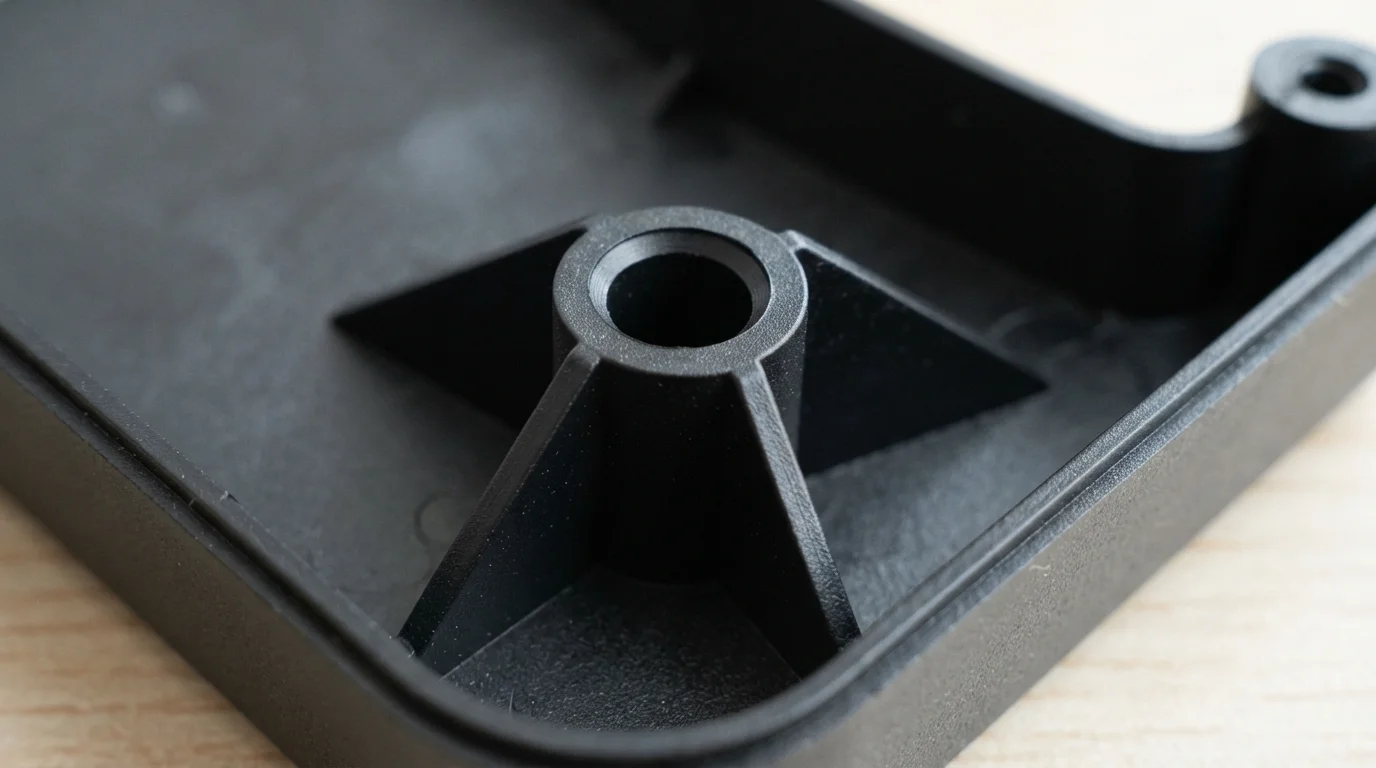
Die Verstärkung von Kunststoffgehäusen mit strukturellen Rippen und Gewindebossen ist eine zwingende technische Methode, um strukturelle Steifigkeit zu erhöhen, ohne die Nennwandstärke zu erhöhen. Unsachgemäß konstruierte innere Merkmale ziehen jedoch während der Kunststofferstarrung Oberflächenpolymer nach innen, was unschöne kosmetische Einfallstellen oder innere Vakuumhohlräume erzeugt. Die frühzeitige Einholung von technischem DFM-Feedback stellt sicher, dass Werkzeugbauer Boss-Kerndurchmesser und Rippenwandverhältnisse bewerten, bevor sie Kernmetall schneiden. Die sorgfältige Umsetzung von Rippen und Bossen im Rapid-Molding-Design Praktiken garantiert, dass Ihre Kunststoffteile flach, stark und völlig makellos aus den weichen Kavitäten austreten.
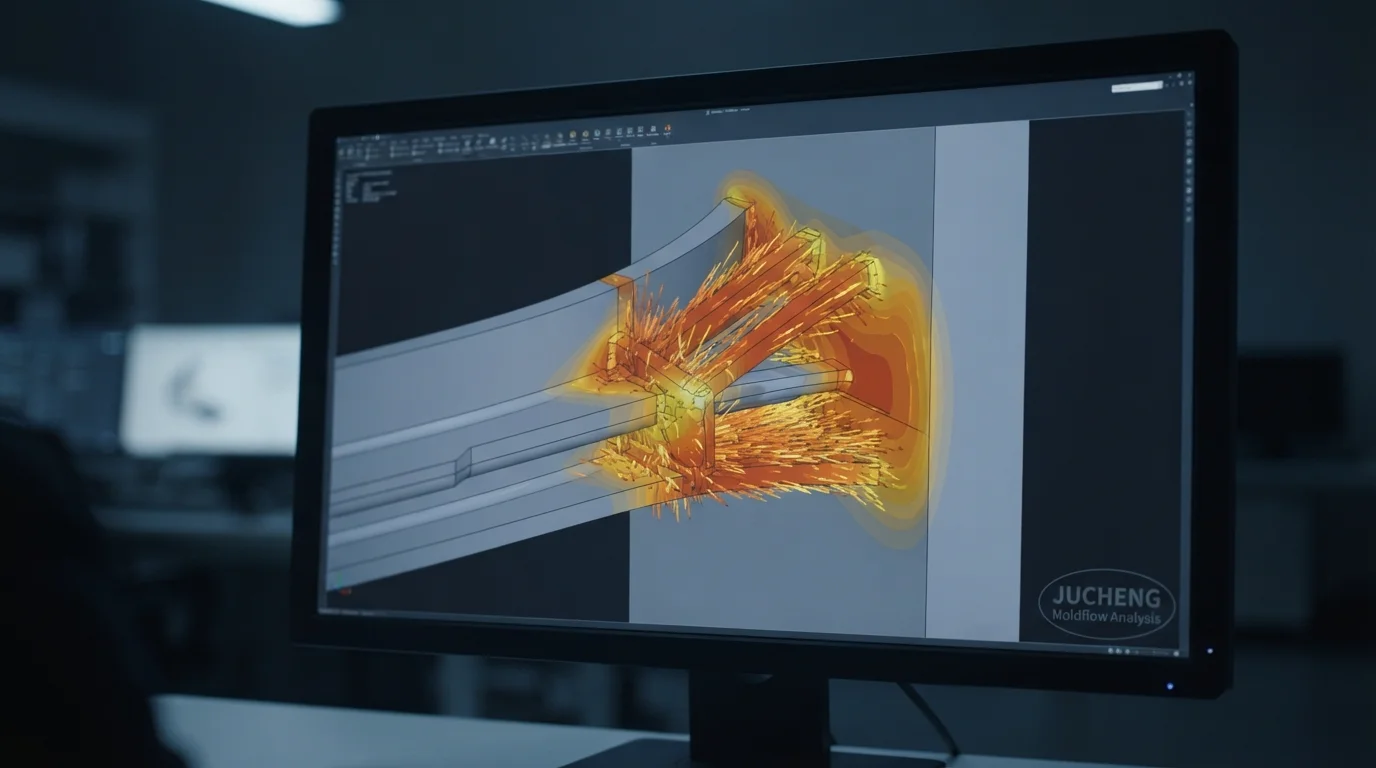
Das präzise Schneiden komplexer dreidimensionaler CAD-Geometrien ermöglicht erfahrenen Werkzeugbauern die Analyse von Trennlinien, Entformungsschrägen und Wandstärken mit fortschrittlicher Mold-Flow-Simulationssoftware. Die Auswahl geeigneter temporärer Fertigungsmethoden balanciert Rohstoffeigenschaften mit schnellen Durchlaufzeiten während früher Testphasen aus. Die Beschaffung Ihrer Komponenten von einem erfahrenen Partner stellt sicher, dass Designänderungen sicher über alle Phasen propagiert werden. Lassen Sie uns die 60%-Dickenregel, Boss-Verstärkungsregeln und Geometrieanpassungen untersuchen, die Hohlraumbildung verhindern.
Inhaltsverzeichnis
1. Die 60-Prozent-Dickenregel und die Physik von Einfallstellen
2. Konstruktion von Schraubbossen für mechanische Befestigung
3. Vermeidung von Hohlräumen und Einfallstellen durch richtige Geometrie
Die 60-Prozent-Dickenregel und die Physik von Einfallstellen
Frage: Warum sollte die Rippenbasisdicke 60% der angrenzenden Wand nicht überschreiten? Dicke Rippenwurzeln kühlen langsamer ab als Nennwände, was interne thermische Kontraktionskräfte erzeugt, die Sichtflächen nach innen ziehen.
Das Hinzufügen struktureller Rippen bietet außergewöhnliche lasttragende Steifigkeit, während dünne, gleichmäßige Außenwände erhalten bleiben, die in Formkavitäten schnell abkühlen. Die frühzeitige Einholung von DFM-Reviews ermöglicht es Werkzeugbauern, zu überprüfen, dass Rippenbasisdicken auf 50 oder 60 Prozent der angrenzenden Nennwände beschränkt bleiben. Dicke Rippenwurzeln erzeugen lokale Kunststoffmassenkonzentrationen, die länger zum Abkühlen benötigen, was zu schweren Oberflächenvertiefungen auf gegenüberliegenden Sichtflächen führt. Die Einhaltung bewährter Designrichtlinien für Rapid Tooling stellt sicher, dass Ihre CAD-Modelle mechanische Festigkeit mit makelloser Oberflächenkosmetik balancieren.
Die genaue Ausführung von Rippen- und Bossen-Design-Parametern für Rapid Molding erfordert die direkte Integration spezifischer geometrischer Verhältnisse in das CAD-Modell. Wichtige strukturelle Parameter für das Rippendesign umfassen:
- Nennbasisverhältnis—Die Rippenbasisdicke muss zwischen 50% und 60% der Nennwandstärke bleiben, um kosmetische Einfallstellen zu vermeiden
- Maximale Rippenhöhe—Die Rippenhöhe sollte das 3-fache der Nennwandstärke nicht überschreiten, um Probleme bei der Bearbeitung tiefer Schlitze zu vermeiden
- Basis-Kantenradien—Kantenradien an Rippenverbindungen sollten 25 % bis 40 % der Nennwandstärke betragen, um Spannungsrisse zu vermeiden
Konstruktion von Schraubenbossen für mechanische Befestigung
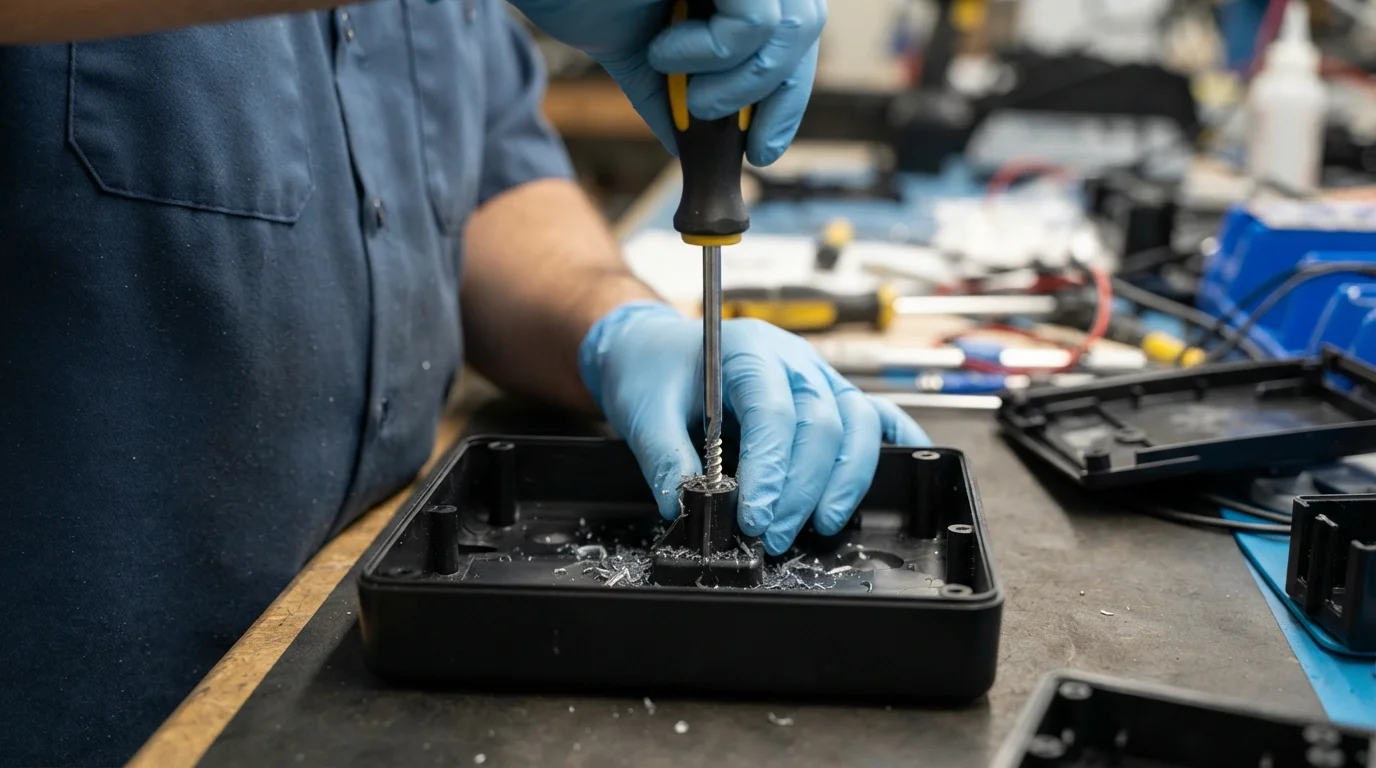
Frage: Wie werden Kunststoff-Schraubenbossen konstruiert, um Risse beim Gewindeeinschrauben zu vermeiden? Bossen müssen bis zur Basiswand ausgekernt werden, wobei die äußere Wandstärke bei 60 % der Nennwandstärke gehalten wird und die Innendurchmesser den Gewindespezifikationen entsprechen.
Zylindrische Bossen dienen als primäre Befestigungspunkte für selbstschneidende Stahlschrauben, Leiterplatten und interne Unterbaugruppen. Die Beschaffung von Funktionsteilen, die aus massiven technischen Kunststoffen wie ABS, Nylon (PA), oder Polycarbonat (PC) geformt werden, bietet authentisches Materialverhalten unter Umfangsspannung beim Gewindeformen. Massive, nicht ausgekernte Bossen erzeugen große Kunststoffmassen-Knotenpunkte, die starke Einfallstellen und innere Vakuumhohlräume verursachen. Das vollständige Auskernen von Bossen bis zur Basiswand gewährleistet eine gleichmäßige Polymerkühlung und verhindert Umfangsspannungsbrüche.
Die Unterstützung hoher freistehender Bossen mit dreieckigen Verstrebungen verhindert das Verbiegen des Bauteils beim Schrauben oder Auswerfen. Diese technische Vergleichstabelle zeigt empfohlene Bossen-Konstruktionsparameter basierend auf dem Materialtyp:
| Harztyp | Äußeres Bossen-Wandverhältnis | Innendurchmesser-Verhältnis | Verstrebungsunterstützungsanforderung |
|---|---|---|---|
| ABS (mittlere Schlagzähigkeit) | 60 % der Nennwandstärke | 80 % des Gewindeaußendurchmessers | Empfohlen für Bossen, die höher als das 2,5-fache des Durchmessers sind |
| Nylon 6 (PA6-GF30) | 50 % der Nennwandstärke | 85% of thread major diameter | Mandatory due to high fiber stiffness |
| Polycarbonat (PC) | 60 % der Nennwandstärke | 82% of thread major diameter | Mandatory to prevent hoop stress cracking |
Preventing Voids and Sink Marks with Proper Geometry
Question: What is the primary difference between a sink mark and a vacuum void? Sink marks pull external show-face surfaces inward, whereas vacuum voids form sealed air bubbles inside thick plastic sections.
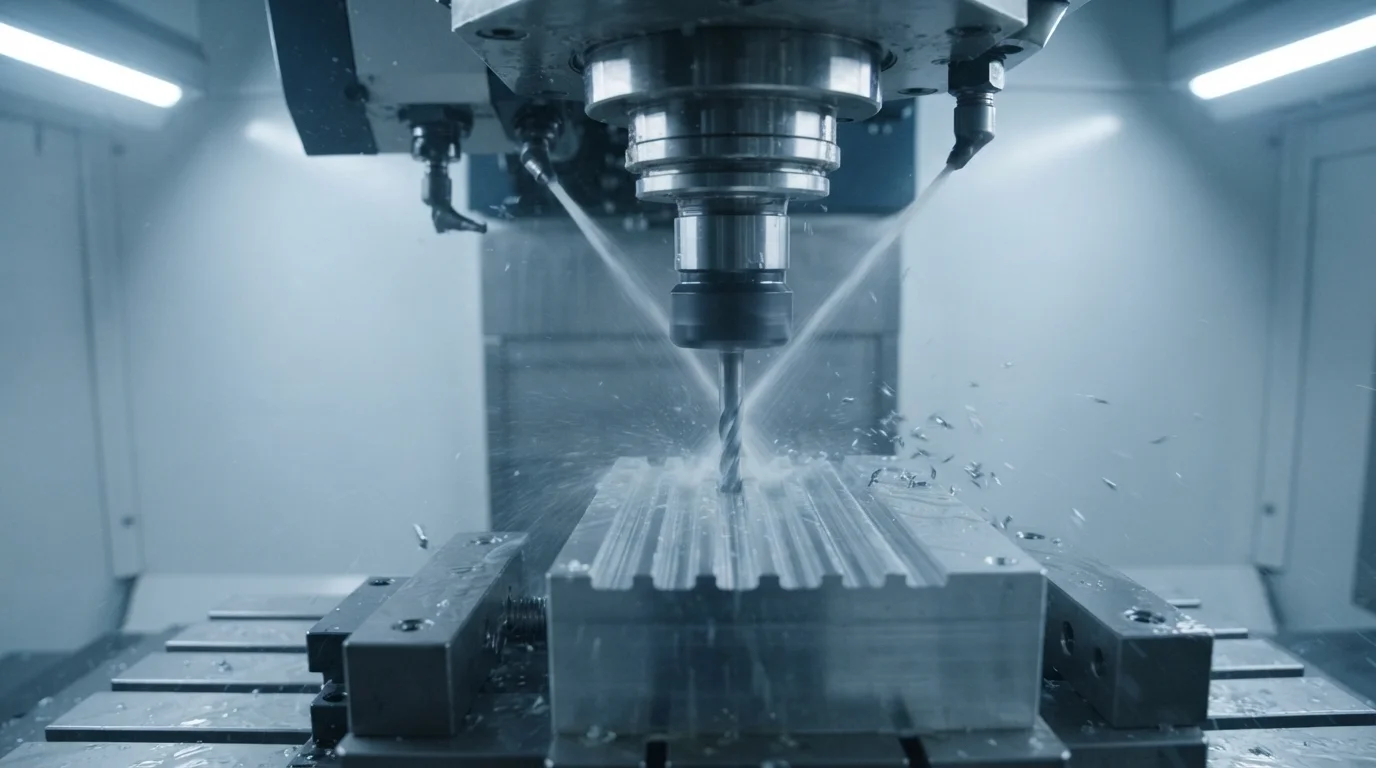
Applying proper ribs and bosses design rapid molding guidelines protects your plastic enclosures from internal air bubbles and surface sink marks. Sourcing a dedicated Schnellwerkzeugbau-Service using aluminum AL7075 or soft P20 Werkzeugstahl cores delivers genuine injection-molded components from production-grade resins within weeks. Machining narrow, deep rib slots into soft Aluminium mold plates requires high-speed CNC-Bearbeitungsservice spindles to clear metal chips without cutter deflection. Sourcing rapid tooling allows product developers to validate gating, parting lines, and draft angles under real machine pressures.
Jucheng Precision unterstützt Mechatronik-Startups durch umfassende 24-Stunden-kostenlose DFM Überprüfungen, die Entformungsschrägen, Wandstärkengleichmäßigkeit, Anschnittpositionen und Schwindungsfaktoren analysieren. Die Beschaffung von funktionalen Prototypenservice parts or soft-alloy molds allows engineering groups to validate designs before committing to high-volume production. Best practice CAD guidelines for preventing voids and sink marks include:
- Coring thick bosses completely—Eliminating solid plastic hubs prevents internal vacuum voids during thermal cooling
- Connecting bosses to side walls—Linking standalone bosses with thin connecting ribs increases structural load distribution
- Incorporating 1.5-degree rib drafts—Tapering rib side walls ensures clean release from aluminum cavities without scuffing
Die Zusammenarbeit mit einem zertifizierten Spritzguss-Service specialist ensures your finished hardware matches the premium software experience. Sourcing your quotes manually ensures experienced engineers analyze your 3D STEP files to find additional ways of eliminating sink marks and lowering tooling costs. Custom components undergo rigorous coordinate metrology checks to confirm exact dimensional compliance. Sourcing high-quality prototypes ensures your designs are built to withstand severe dynamic forces safely.
Häufig gestellte Fragen (FAQ)
Why should rib base thickness not exceed 60% of the adjacent wall?
Designing ribs with a base thickness of 50% to 60% of the main wall represents the most effective way to eliminate sink marks on show faces. Sizing ribs thinner than 50% may impede polymer flow, causing short shots during fast injection cycles.
How do gusset ribs support tall standalone bosses?
Tall standalone bosses require support from two or four triangular gusset ribs to prevent bending during thread-forming screw installation. Gussets distribute driving torque forces across adjacent walls, preventing stress whitening or boss snapping.
Why are deep rib slots difficult to CNC mill in mold core steel?
Deep rib channels require high-speed CNC milling spindles running with continuous coolant mist to flush metal chips out of deep slots. Sourcing early DFM reviews ensures rib draft angles are sufficient to prevent tool binding during aluminum mold machining.

