


Die Entmystifizierung von Rechnungen für kundenspezifische Kunststoffformen erfordert eine gründliche Prüfung der Einkaufsgebühren für Rohmaterial, der Programmierstunden für subtraktive Maschinen und der manuellen Montagearbeiten. Die Beschaffung einer detaillierten Kostenaufschlüsselung für Rapid Tooling hilft Produktentwicklungsteams, die wichtigsten Budgettreiber zu identifizieren, bevor sie Kapital für die anfängliche Formenherstellung binden. Viele Hardware-Startups erleben einen schweren finanziellen Schock, weil sie Formenangebote als einfache Materialtransaktionen behandeln und die aktiven Maschinenstunden ignorieren, die zum Fräsen tiefer Kernhohlräume erforderlich sind. Die Aufschlüsselung dieser zentralen Kostenkategorien stellt sicher, dass Ihr Projektteam Kapital während der Kleinserienproduktion effizient zuweist.
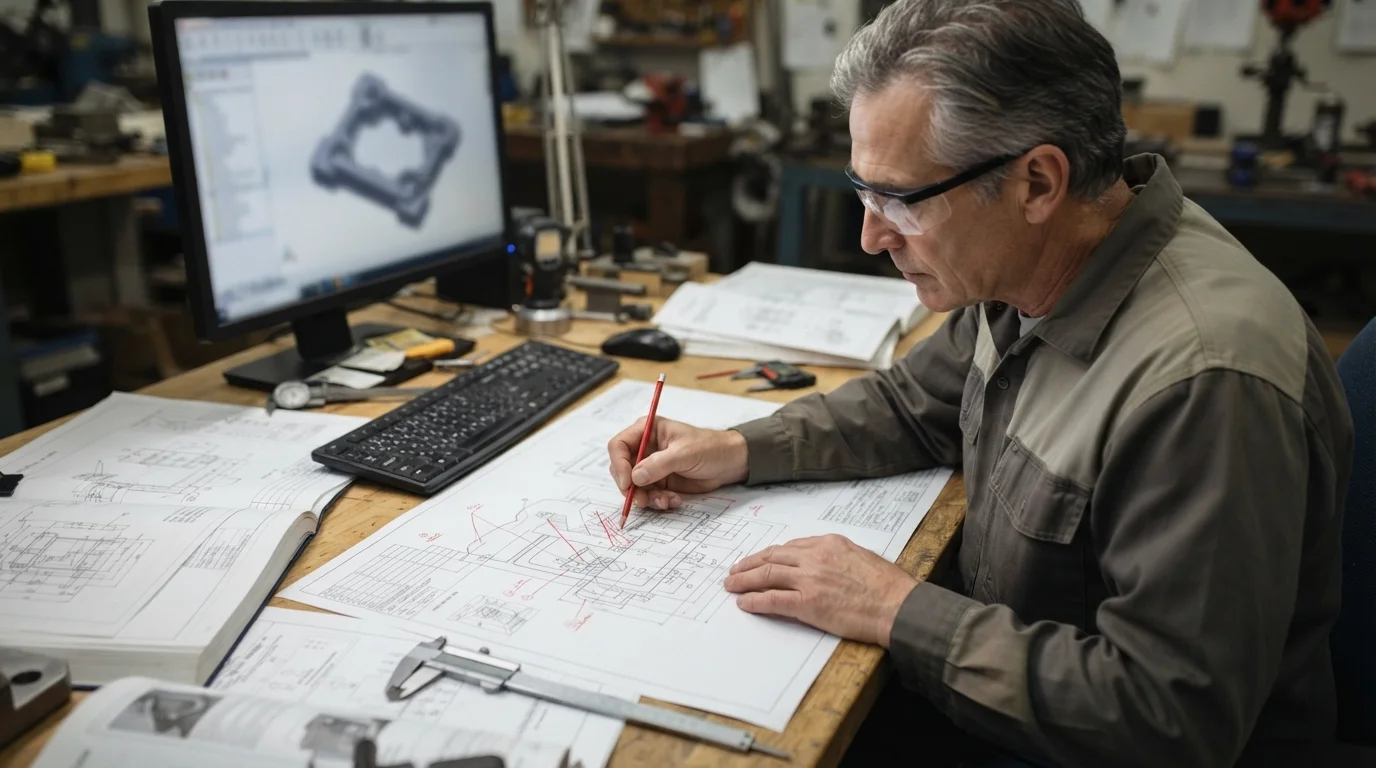
Das präzise Zerteilen komplexer dreidimensionaler CAD-Geometrien ermöglicht es erfahrenen Werkzeugmachern, Trennfugen, Entformungsschrägen und Wandstärken mithilfe fortschrittlicher Formfüllsimulationssoftware zu analysieren. Die Auswahl geeigneter temporärer Fertigungsmethoden bringt Rohstoffeigenschaften mit schnellen Durchlaufzeiten während früher Testphasen in Einklang. Die Beschaffung Ihrer Kopien von einem erfahrenen Partner stellt sicher, dass Designänderungen sicher über alle Phasen hinweg weitergegeben werden. Lassen Sie uns die primären Kostensäulen untersuchen, die Ihre Rechnung für Kleinserienformen bestimmen.
Inhaltsverzeichnis
1. Zentrale Kostenkomponenten, die Rapid-Mold-Rechnungen bestimmen
2. Materialkosten für Rohlinge: Weiche Legierungen versus vorgehärteter Stahl
3. Maschinenstunden und CNC-Spindel-Fräsoperationen
4. Modulare Einheitsformrahmen für strategische Kapitalkürzungen
Zentrale Kostenkomponenten, die Rapid-Mold-Rechnungen bestimmen
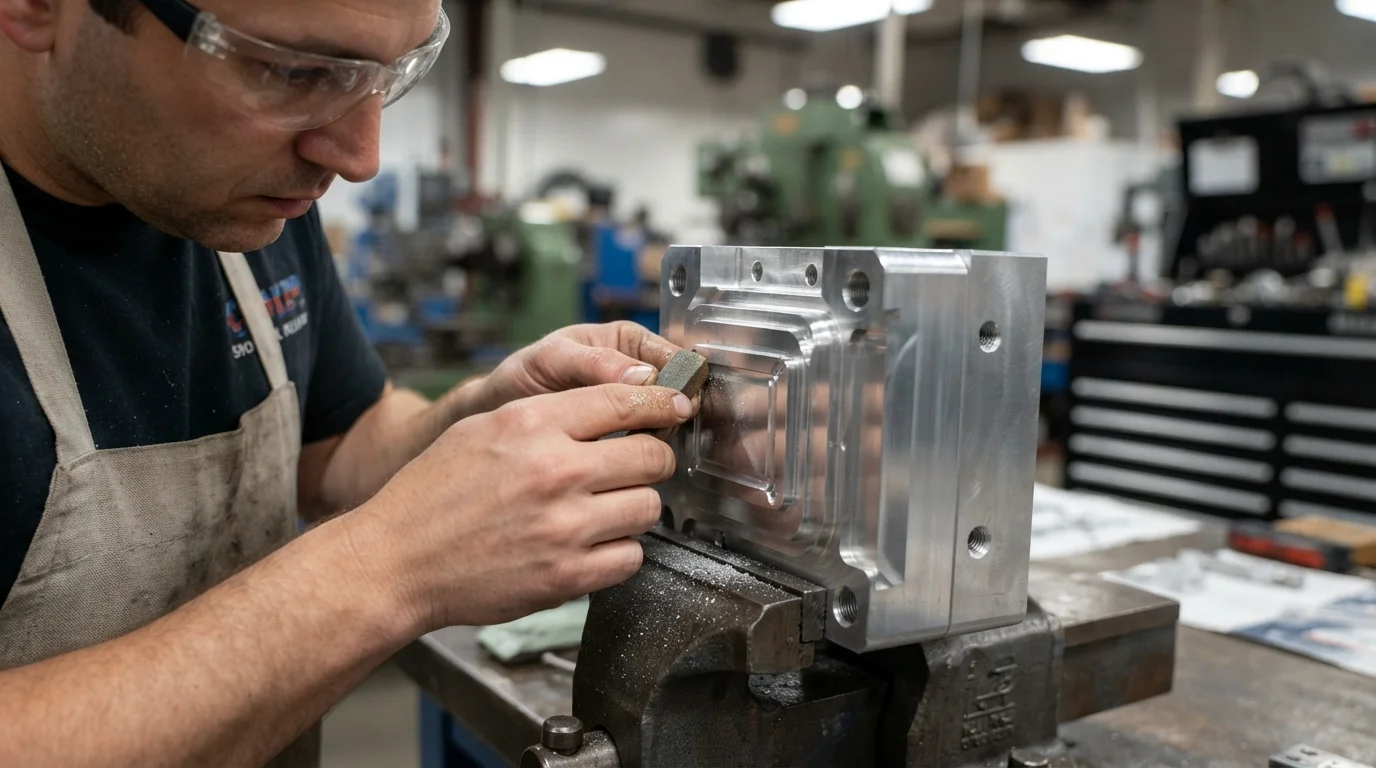
Frage: Was ist die primäre Kostenkomponente einer Spritzgussform? Maschinenprogrammierung und aktive Mehrachsen-CNC-Spindelstunden stellen den größten Prozentsatz der gesamten Formenherstellungskosten dar.
Die Bewertung von Rechnungen für Kleinserienformen erfordert die Analyse mehrerer verschiedener Fertigungsphasen, die feste Metallblöcke in funktionale Kernhohlräume verwandeln. Die Beschaffung eines dedizierten Schnellwerkzeugbau-Service Programms ermöglicht es Entwicklern, Tausende funktionaler Kunststoffteile herzustellen, ohne die Gemeinkosten der Massenproduktion zu zahlen. Die Kostenrechnung der Maschinenwerkstatt verteilt Ausgaben auf den Einkauf von Rohmetall, CAM-Programmierung, Mehrachsenfräsen und manuelle Montagearbeiten. Die frühzeitige Einholung von DFM-Reviews hilft Ingenieuren, komplexe Geometrien zu vereinfachen und hält die Gesamtkosten niedrig. Kosten für Schnellwerkzeuge gut innerhalb der Zielvorgaben.
Die Analyse, wofür Ihr Werkzeugbudget ausgegeben wird, zeigt klare Möglichkeiten für strategische DFM-Optimierung auf. Primäre Finanzkategorien bei der Herstellung von Kleinserienformen umfassen:
- Einkauf von Rohmaterial—Die Auswahl von Aluminium gegenüber vorgehärteten Stahlplatten legt die grundlegende Materialinvestition fest
- CAM-Programmierung und CNC-Maschinenstunden—Das Fräsen komplexer 3D-Konturen und tiefer Angießkanäle stellt den größten aktiven Kostenfaktor dar
- Manuelle Montage und Polieren auf der Werkbank—Das manuelle Anpassen von Trennlinien und das Polieren von Kavitätsflächen erfordert qualifizierte Werkzeugbau-Arbeitsstunden
Materialkosten für Rohlinge: Weiche Legierungen versus vorgehärteter Stahl
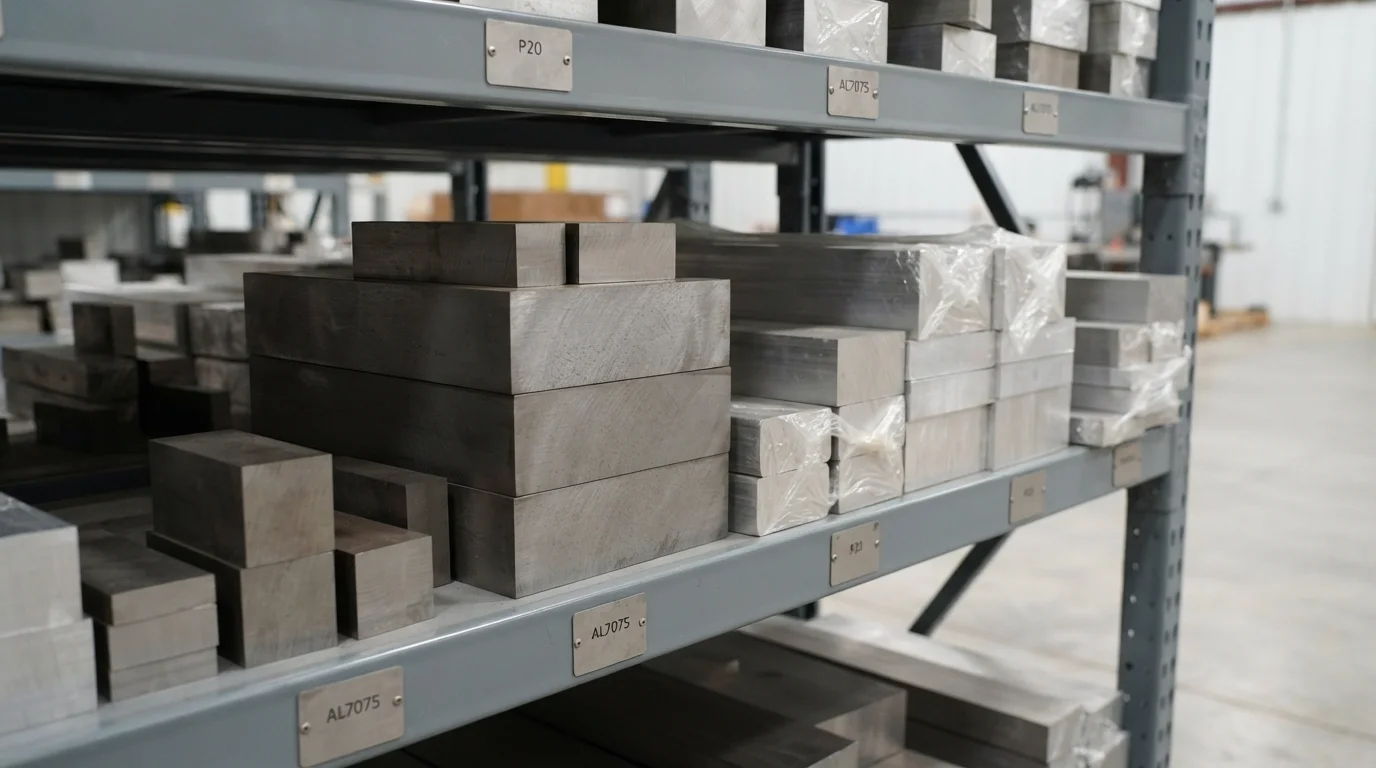
Frage: Sind Aluminium-Spritzgussplatten billiger als Stahlrohlinge? Rohes AL7075-Aluminiumplattenmaterial kostet pro Volumen weniger als vorgehärteter P20-Stahl und lässt sich bis zu fünfmal schneller bearbeiten, was die Gesamtkosten erheblich senkt.
Die Auswahl des richtigen Formmetalls bestimmt direkt sowohl die Rohmaterial-Einkaufskosten als auch die anschließende subtraktive Maschinenzeit. Um Ihre Kostenaufschlüsselung für Rapid Tooling zu verstehen, müssen Sie erkennen, dass weiche AL7075 Aluminium Platten weniger kosten und deutlich schneller geschnitten werden als Stahl. Vorgehärteter Werkzeugstahl (wie P20) erfordert langsamere Vorschubgeschwindigkeiten und höhere Werkzeugdrücke, was die Spindelstunden erhöht. Die Beschaffung von Aluminiumblöcken senkt die anfänglichen Formkosten um bis zu 50 Prozent im Vergleich zu Stahlalternativen.
Die hohe Wärmeleitfähigkeit von Aluminium reduziert auch die Spritzzykluszeiten während des Formbetriebs und bietet zusätzliche Einsparungen beim Stückpreis pro Teil. Diese technische Vergleichstabelle zeigt die grundlegenden Kostenunterschiede zwischen gängigen Formmaterialien:
| Formmaterial | Rohlingkosten | Zerspanbarkeitsindex | Primärer finanzieller Vorteil |
|---|---|---|---|
| AL7075 Aluminium | Niedrig | Sehr hoch (100%) | Reduziert CNC-Maschinenstunden, verkürzt Zykluszeiten |
| P20 vorgehärteter Stahl | Mäßig | Mäßig (30%) | Beständig gegen abrasive glasfaserverstärkte Kunststoffe, längere Werkzeugstandzeit |
Maschinenstunden und CNC-Spindel-Zerspanungsvorgänge
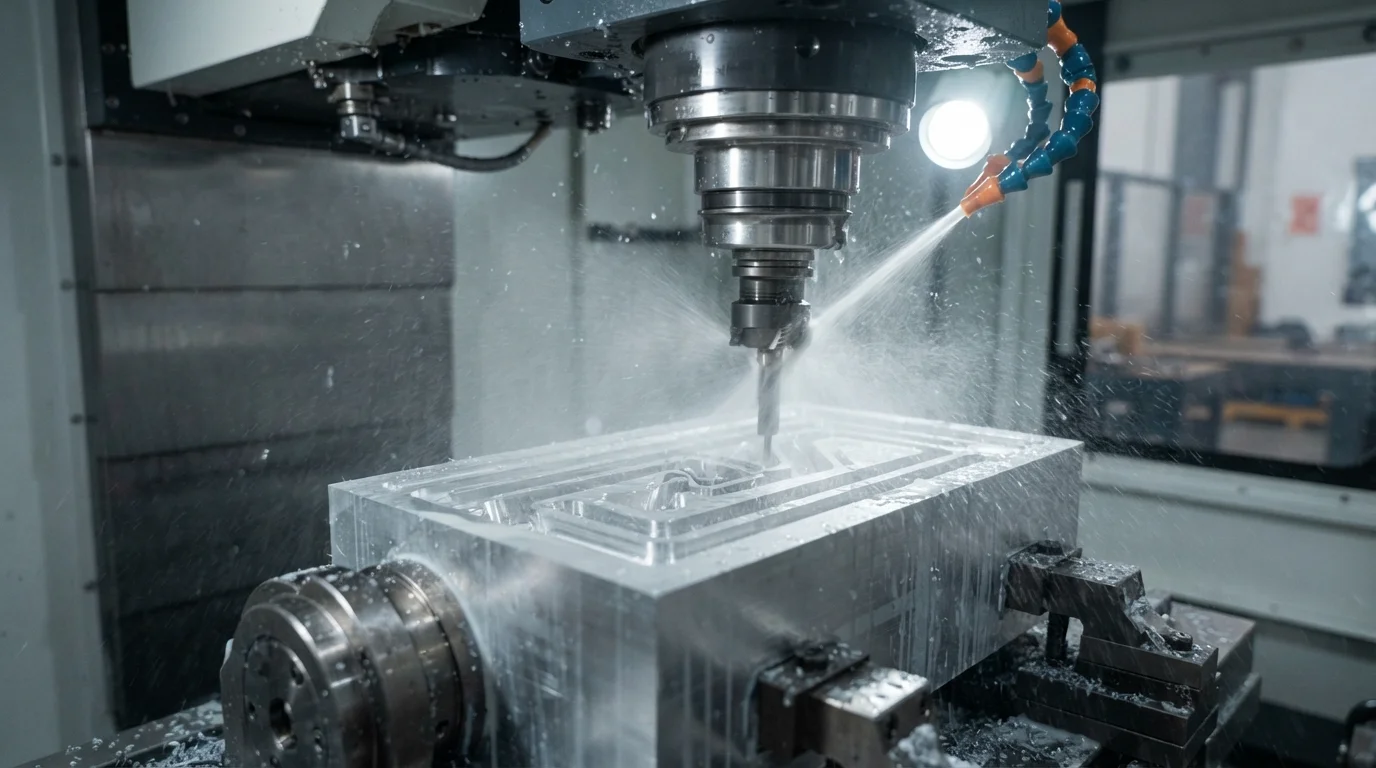
Frage: Warum erhöhen komplexe Bauteilgeometrien die Formkosten? Komplizierte Merkmale erfordern spezielle Mikrofräser, mehrere Spannaufbauten und langsame EDM-Funkenerosionsvorgänge.
Subtraktive CNC-Bearbeitungsservice Operationen stellen den größten variablen Faktor in jeder Formenbau-Rechnung dar. Tiefe Innenhohlräume, scharfe Ecken und dünne Rippenschlitze erfordern spezielle Werkzeuge mit kleinem Durchmesser, die mit langsamen Vorschubgeschwindigkeiten laufen. Die Ausführung komplexer 3D-Oberflächenprofile erfordert hochpräzise 5-Achsen-Fräseinrichtungen, die höhere Maschinenstundensätze als 3-Achsen-Fräsen verlangen. Die Konstruktion flacher Hohlräume mit großzügigen Innenradien ermöglicht es Hochgeschwindigkeitsspindeln, Material schnell zu entfernen, was die Maschinenzeitkosten senkt.
Die Beschaffung von Funktionsteilen, die aus echten technischen Kunststoffen wie ABS spritzgegossen werden, bietet authentisches Materialverhalten unter dynamischer Belastung. Das präzise Schneiden von CAD-Dateien ermöglicht es erfahrenen Werkzeugmachern, Trennfugen, Entformungsschrägen und Wandstärken mit fortschrittlicher Formfüllsimulationssoftware zu analysieren. Die Eliminierung unnötiger Hinterschnitte verhindert die Notwendigkeit komplexer mechanischer Schieberkerne und vereinfacht den Formenbau. Die Konstruktion einfacher Trennfugen stellt sicher, dass sich die Formhälften entlang einer einzigen Koordinatenachse öffnen, was die Fertigungsstunden drastisch reduziert.
Das Aufbringen spezieller Oberflächenveredelungen auch auf Kernhohlräume beeinflusst die manuellen Arbeitskosten erheblich. Hochglanz-Diamantpolitur nach SPI-A1 erfordert Dutzende von Stunden qualifizierter Handpolitur und verdoppelt die Endbearbeitungskosten. Die Spezifikation von Standard-Strahlperlen- oder Rohmaschinenoberflächen für innere Strukturmerkmale hält den Polieraufwand minimal.
Modulare Einheitsformrahmen für strategische Kapitalkürzungen
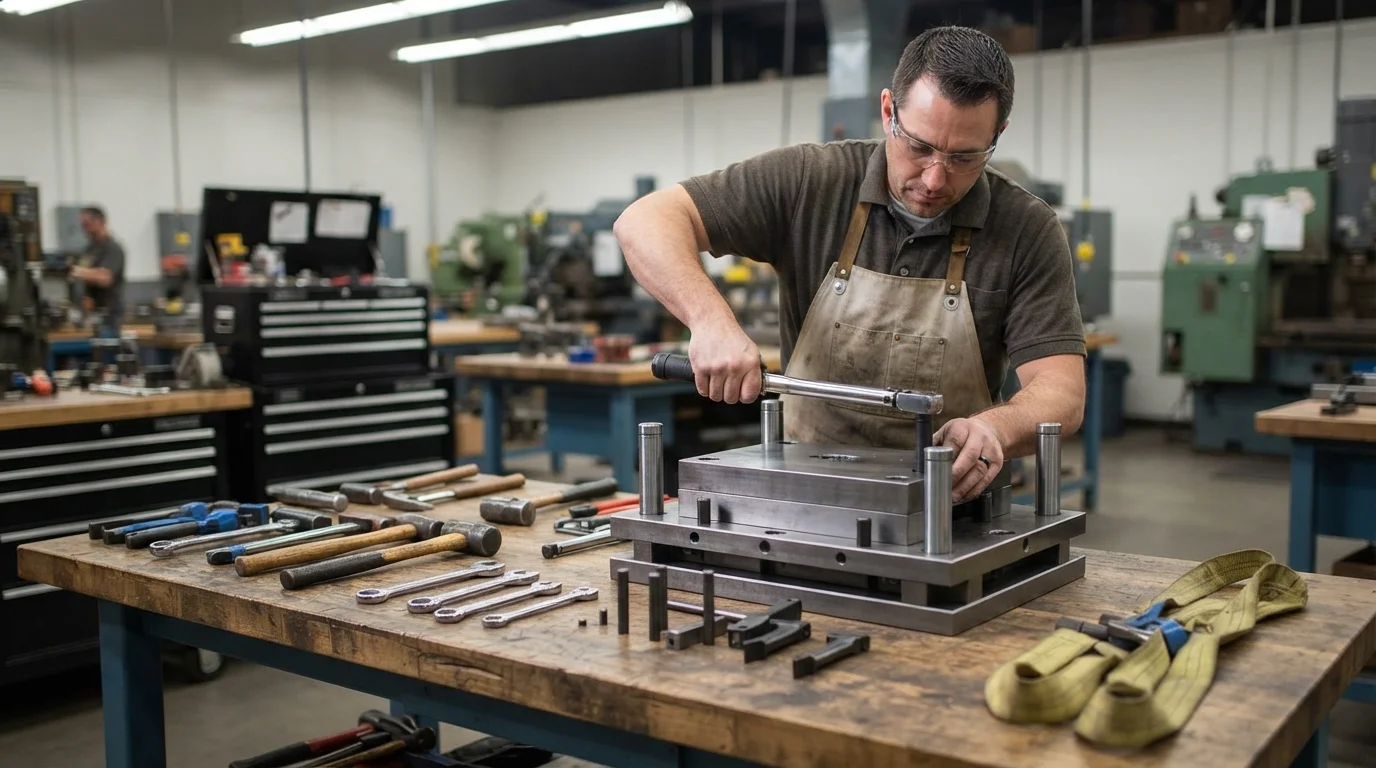
Frage: Wie reduzieren Master Unit Die (MUD)-Rahmen die Werkzeugkosten? MUD-Rahmen verwenden eine universelle Master-Formbasis wieder, sodass Hersteller nur die inneren Begleitkern-Einsätze bearbeiten müssen.
Der Übergang zu standardisierten modularen Einheitsformrahmen (MUD) stellt eine bewährte Strategie zur drastischen Senkung der Werkzeugkosten für Kleinserien dar. Kundenspezifische eigenständige Formbasen erfordern den Kauf schwerer Stahlplatten und die Bearbeitung komplexer Auswerfergehäuse von Grund auf. Die Verwendung wiederverwendbarer MUD-Masterrahmen ermöglicht es Werkzeugmachern, nur die kundenspezifischen inneren Kerneinsätze zu schneiden, was Rohmaterial- und Bearbeitungskosten um bis zu 50 Prozent reduziert. Die Analyse Ihrer Rapid-Tooling-Kostenaufschlüsselung zeigt, wie modulare Rahmen den maximalen ROI für NPI-Kleinserien liefern.
Jucheng Precision betreibt eine vollständig integrierte Fabrikeinrichtung mit mehrachsigen Bearbeitungszentren und Präzisions- Spritzguss-Service pressen. Die Fabrikingenieure führen umfassende 24-Stunden-kostenlose DFM Überprüfungen, um Anschnittpositionen, Trennfugen und Entformungsschrägen zu optimieren, bevor Metall geschnitten wird. Die Beschaffung Ihrer Kleinserien-Spritzgussprogramme von unserer zertifizierten Ein-Dach-Einrichtung verhindert Kommunikationsfehler und stellt sicher, dass Designänderungen sicher über alle Phasen weitergegeben werden.
- Standardisierte Masterrahmen—Die Wiederverwendung universeller MUD-Basen eliminiert die Bearbeitungskosten für kundenspezifische Formbasen
- Austauschbare Kavitätseinsätze—Toolmakers cut only the inner core plates, saving up to 50% on raw metal
- Rapid press changeovers—Technicians swap companion dies in minutes without unmounting main clamping plates
Häufig gestellte Fragen (FAQ)
What is the most expensive part of making an injection mold?
Active multi-axis CNC machine hours and specialized EDM spark erosion constitute the largest single expense in mold fabrication. Intricate geometries, deep cavities, and tight tolerances increase spindle time and manual bench assembly hours significantly.
How much money does a MUD frame save on rapid tooling?
Reusing a universal MUD master frame saves 30% to 50% on initial mold CapEx compared to standalone mold bases. Toolmakers only machine the custom inner companion inserts, reducing raw steel purchasing and milling labor hours.
Why do complex surface finishes double mold fabrication costs?
High-gloss optical polishing or SPI-A1 finishes require intensive manual labor hours using fine diamond pastes. Specifying standard bead-blasted or raw machined textures for internal non-cosmetic areas keeps finishing costs low.

