


Selecting between additive layer deposition and short-run injection molding represents one of the most critical financial decisions during early hardware development. Analyzing the economic trade-offs of rapid tooling vs 3d printing cost helps product managers optimize their short-run production budgets without compromising physical part performance. Additive printing provides zero-CapEx entry for single visual mockups, but unit costs remain flat as order quantities grow. Sourcing rapid molds requires an initial tooling investment, but individual piece-part costs drop exponentially when producing fifty to several thousand plastic parts. Sourcing your components from an experienced partner ensures design changes are propagated across all stages safely.
Evaluating raw material pricing structures reveals stark differences between specialized 3D printing photopolymers and bulk commercial injection molding pellets. Photopolymer resins and laser-sintered powders are sold per gram at high prices, whereas standard thermoplastics are purchased in bulk by the kilogram. Sourcing physical parts from a facility operating both additive printers and precision injection presses guarantees you receive completely objective manufacturing guidance. Let’s examine the exact volume tipping points, resin price differences, and labor factors that dictate your final bill.
Inhaltsverzeichnis
1. Zero CapEx Appeal versus Unit Price Tipping Points
2. Raw Material Economics: Resins versus Polymer Pellets
Zero CapEx Appeal versus Unit Price Tipping Points
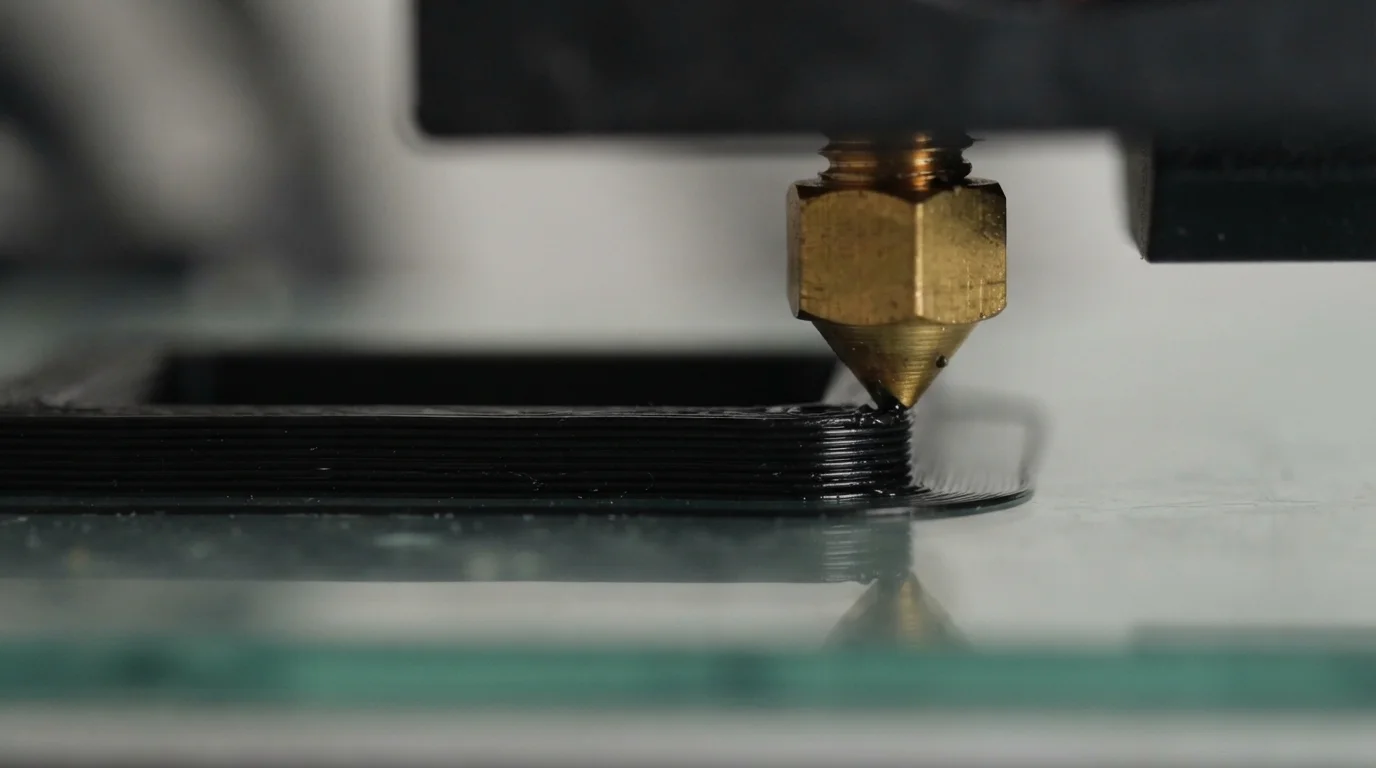
Question: At what quantity does rapid tooling become cheaper than 3D printing? Rapid tooling becomes significantly more economical than 3D printing when producing fifty or more units, as initial mold fabrication costs distribute across the batch.
Sourcing single-unit visual mockups from a specialized 3D-Druckservice avoids initial mold fabrication expenses entirely, making additive layer processes perfect for early concept validation. 3D printing costs, however, scale almost linearly with order volume because each part requires identical laser exposure times and specialized photopolymer resin quantities. Sourcing fifty or more functional enclosures reveals that rapid tooling vs 3d printing cost calculations shift dramatically toward short-run injection molding. Sourcing rapid molds allows toolroom labor and setup fees to amortize across the entire batch, lowering individual unit expenses significantly.
Evaluating batch volume thresholds helps hardware ventures select the most cost-effective manufacturing strategy for their specific developmental phase:
- Low-volume print runs (1 to 20 parts)—Zero upfront tooling CapEx makes 3D printing the undisputed cost winner for single visual mockups
- Medium-volume bridge runs (50 to 5,000 parts)—Rapid tooling amortizes soft aluminum mold costs quickly, lowering per-unit prices
- High-volume series runs (Over 10,000 parts)—Hardened steel injection molds deliver the lowest piece-part price for mass commercial production
Raw Material Economics: Resins versus Polymer Pellets
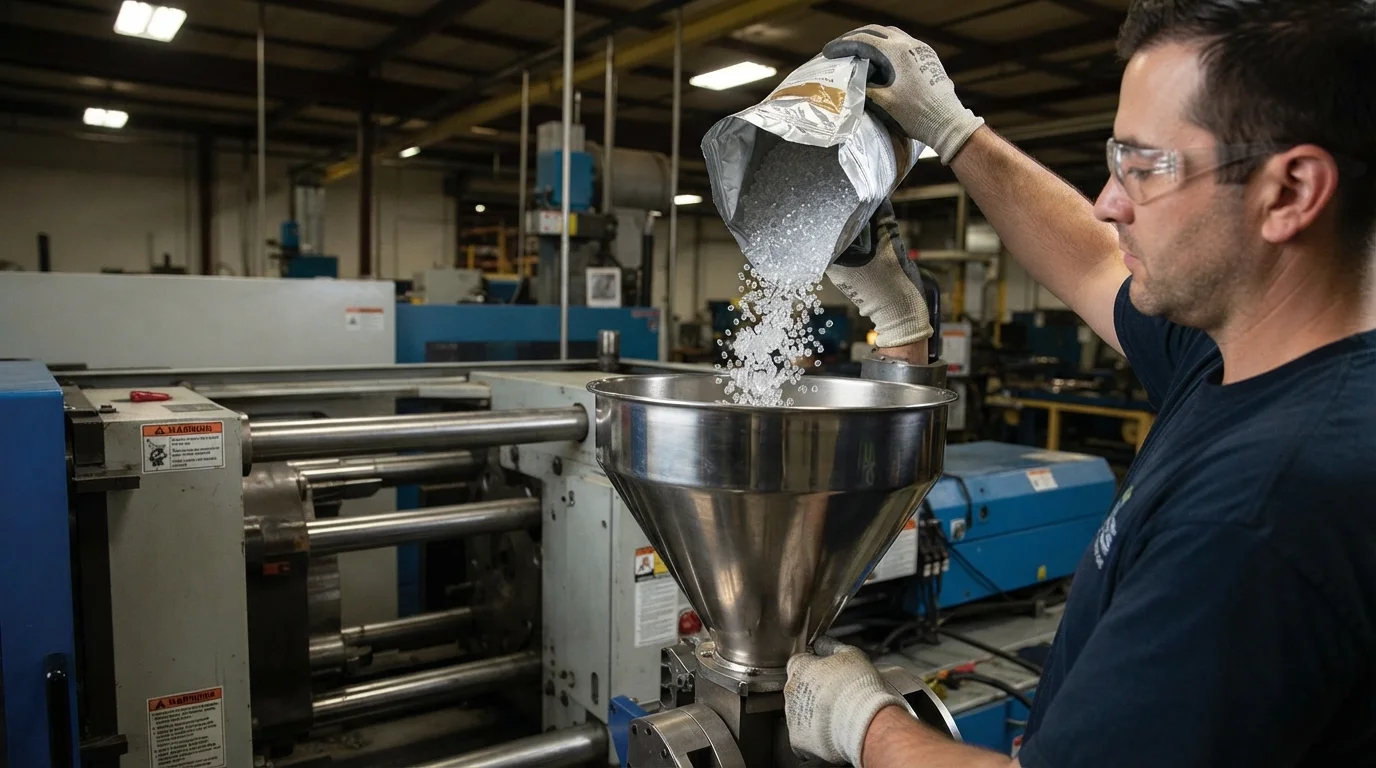
Question: Why are 3D printing materials so much more expensive than injection molding pellets? Specialized photopolymer resins and SLS powders undergo complex chemical refining and are sold per gram, whereas commercial molding pellets are produced in mass volume per kilogram.
Raw material pricing structure represents a fundamental area where additive and subtractive molding methods diverge completely. Photopolymer resins and specialized SLS powders carry high prices ranging from $100 to $300 per kilogram, driving up raw material expenditures on larger enclosures. Sourcing a dedicated Schnellwerkzeugbau-Service allows engineers to inject commercial-grade raw pellets like ABS, Nylon (PA), oder Polycarbonat (PC) that cost only $2 to $5 per kilogram. Lower raw polymer costs ensure that your total Kosten für Schnellwerkzeuge stays low as production volumes increase.
Selecting the correct structural material involves balancing raw physical properties with overall manufacturing costs. This technical comparison table highlights baseline cost behaviors across standard rapid fabrication methods:
| Fertigungsmetrik | 3D Printing (SLA/SLS) Standard | Rapid Tooling (Aluminum) Standard | Primärer B2B-Finanzierungseinfluss |
|---|---|---|---|
| Upfront Tooling CapEx | Zero ($0) | Niedrig ($2.000 – $8.000) | Dictates initial development risk and cash flow |
| Raw Material Cost per KG | Extreme ($100 – $300 / kg) | Low ($2 – $5 / kg) | Determines piece-part price scaling over batch volume |
| Production Speed per Unit | Slow (Hours per part) | Fast (Seconds per part) | Influences press machine time labor charges |
Mechanical Requirements and Surface Finishing Labor
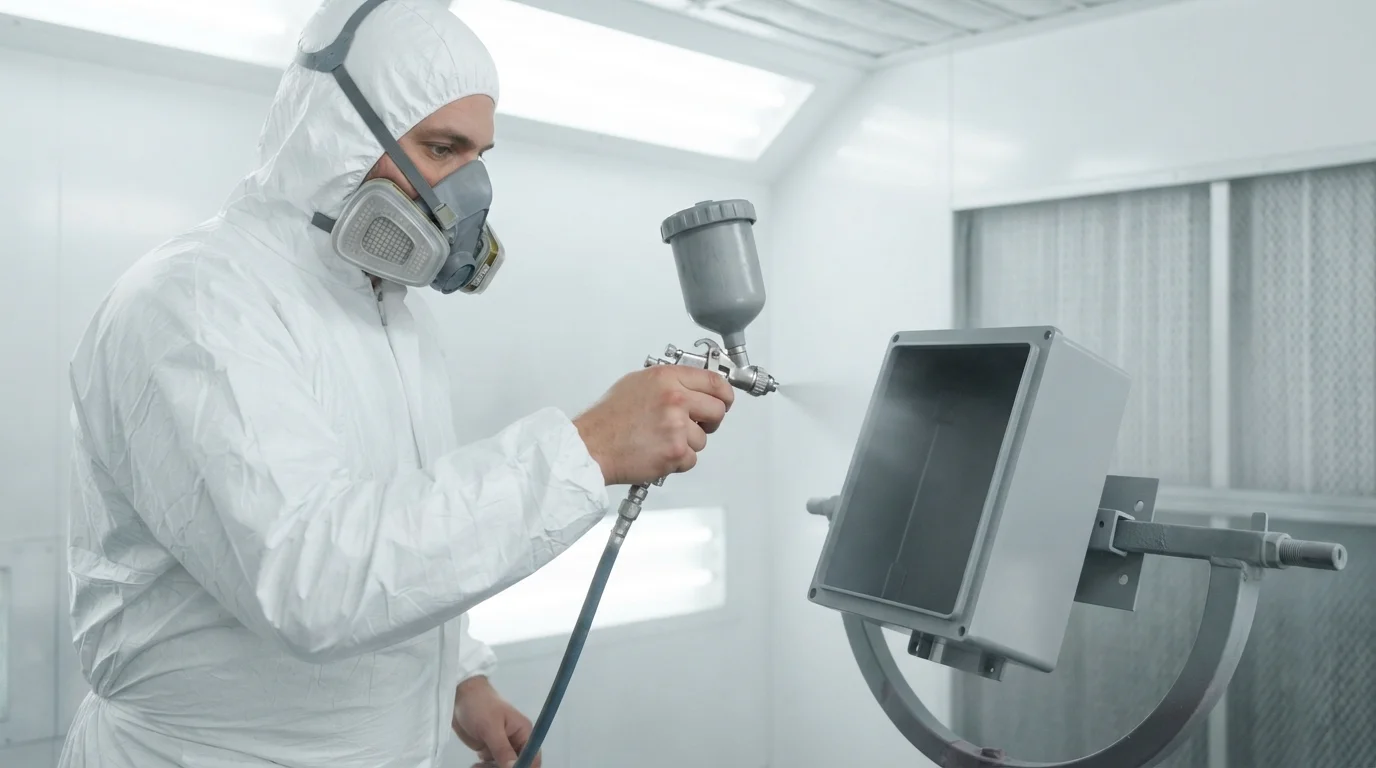
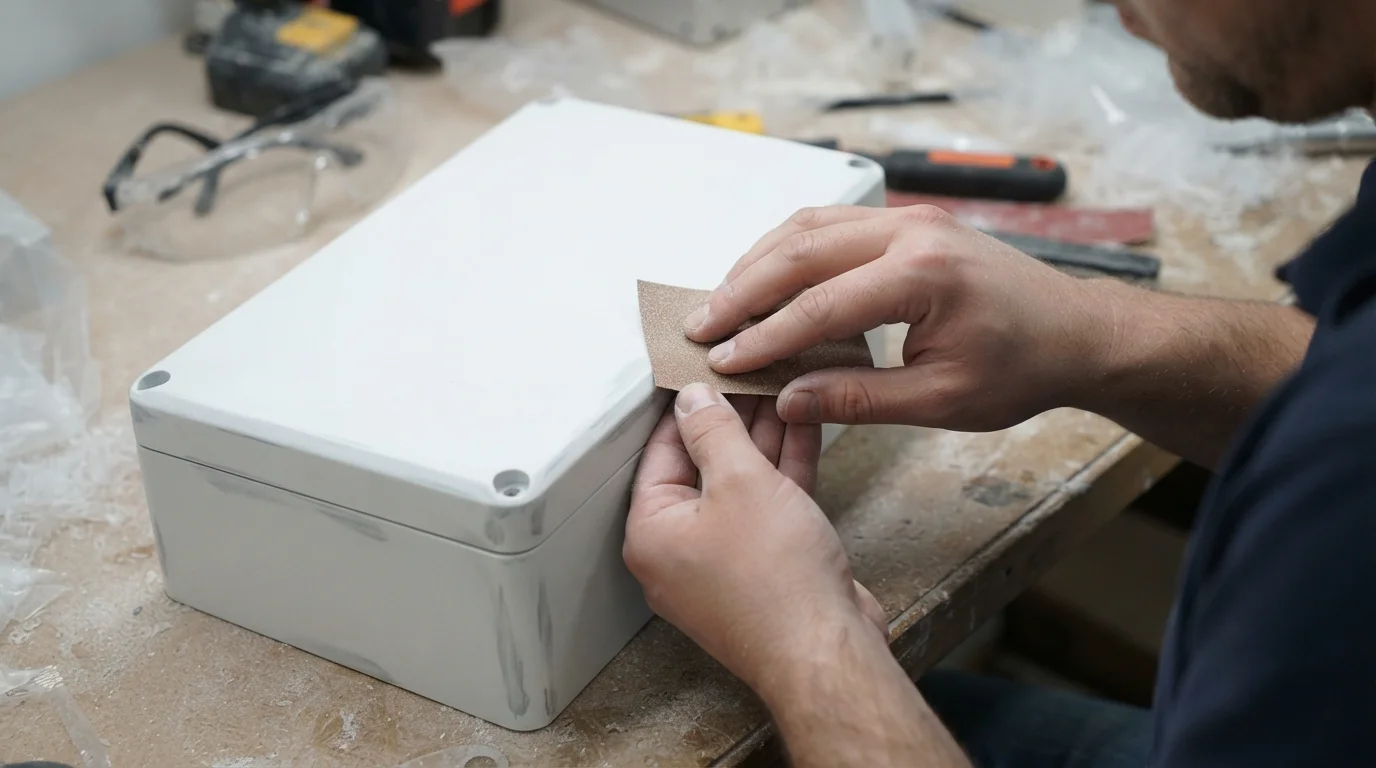
Das Aufbringen spezieller Oberflächenveredelungen to 3D printed components requires intensive manual sanding and post-curing to remove visible layer lines. Molded parts produced through an automated Spritzguss-Service, by contrast, exit the press with uniform, textured surface finishes directly off polished AL7075 Aluminium oder weichen Werkzeugstahl core cavities. Eliminating manual hand-sanding labor on every single part lowers finishing expenditures dramatically. Evaluating rapid tooling vs 3d printing cost factors ensures you select the correct process when physical part aesthetics are paramount.
Subtractive core milling performed on multi-axis CNC machines ensures that mold cavities hold tight tolerances down to ±0.05 mm without thermal distortion. Sourcing early DFM feedback from factory toolmakers allows engineering teams to optimize draft angles and rib layouts before cutting metal. Sourcing functional Prototypenservice parts from short-run aluminum molds delivers 100% isotropic tensile strength across all coordinate axes. Sourcing high-integrity parts ensures your hardware survives dynamic impact testing without micro-cracking.
Navigating short-run production budgets requires selecting manufacturing partners that offer fully itemized pricing and in-house tooling capacities. Key operational advantages of working with an integrated moldmaker include:
- Interne Werkzeugbaubearbeitung—Direktes Fräsen weicher Metallkerne auf Hochgeschwindigkeitsfräsen verkürzt die Durchlaufzeiten auf 10 Arbeitstage
- DFM-Konstruktionsprüfungen vor dem Formenbau—Werkzeugbauer analysieren Moldflow-Füllfronten, Entlüftung und Angussstellen, bevor sie Kernstahl fräsen
- Zertifizierte messtechnische Inspektion—CMM-Tastsonden verifizieren Submikrometer-Abmessungen unter strengen ISO-9001- und ISO-13485-Qualitätsprotokollen
Häufig gestellte Fragen (FAQ)
At what part quantity is injection molding cheaper than 3D printing?
Injection molding using rapid aluminum tooling becomes cheaper than 3D printing when producing 50 to 100 parts. Low raw resin pellet costs and fast press cycle times quickly offset the initial mold fabrication expense.
Why do 3D printed prototypes require more manual finishing labor?
Layer-by-layer additive deposition leaves visible stair-step lines and support vestige marks on part surfaces. Manual hand-sanding, priming, and vapor-polishing are required to remove layer lines, adding intensive labor hours to 3D printing costs.
Can rapid tooling produce isotropic parts with high mechanical strength?
Rapid tooling injects molten production-grade thermoplastics into high-pressure molds, forming parts with 100% isotropic material density. Molded parts possess uniform tensile and impact strength along all coordinate axes, unlike anisotropic 3D prints.

