


Choosing between soft aluminum alloys and hardened tool steels represents a foundational financial crossroads during new product introduction (NPI) phases. Sourcing custom mold plates requires balancing initial tooling CapEx with long-term per-part piece prices to protect developmental cash flow. Early hardware iterations rarely require million-cycle lifespans, making soft metal molds an attractive alternative for low-to-medium volume runs.
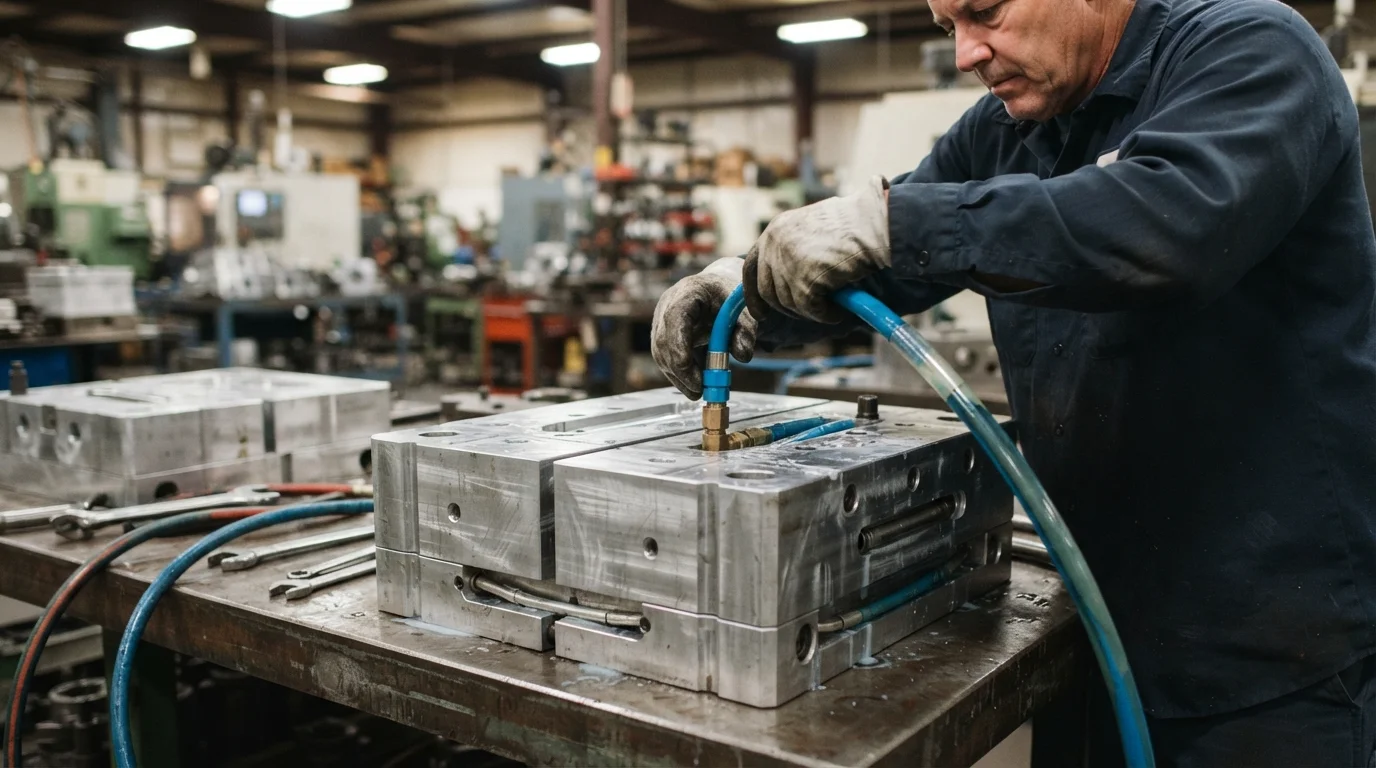
Manufacturing specialists evaluate Machinability ratings, thermal heat transfer rates, and raw material block prices before recommending mold metals. Slicing complex CAD files precisely allows toolmakers to analyze parting lines, draft angles, and wall thicknesses using advanced mold flow simulation software. Sourcing your components from an experienced partner ensures design changes are propagated across all stages safely.
Let’s explore the physical machinability advantages of aluminum, analyze when hardened steel is mandatory, and calculate your volume break-even points.
Inhaltsverzeichnis
1. Machinability Physics: Cutting Aluminum vs Tool Steel
2. Hardened Tool Steel Investments and Lifetime Tooling Value
3. Selecting the Most Cost Effective Option for Your Product Lifecycle
Machinability Physics: Cutting Aluminum vs Tool Steel
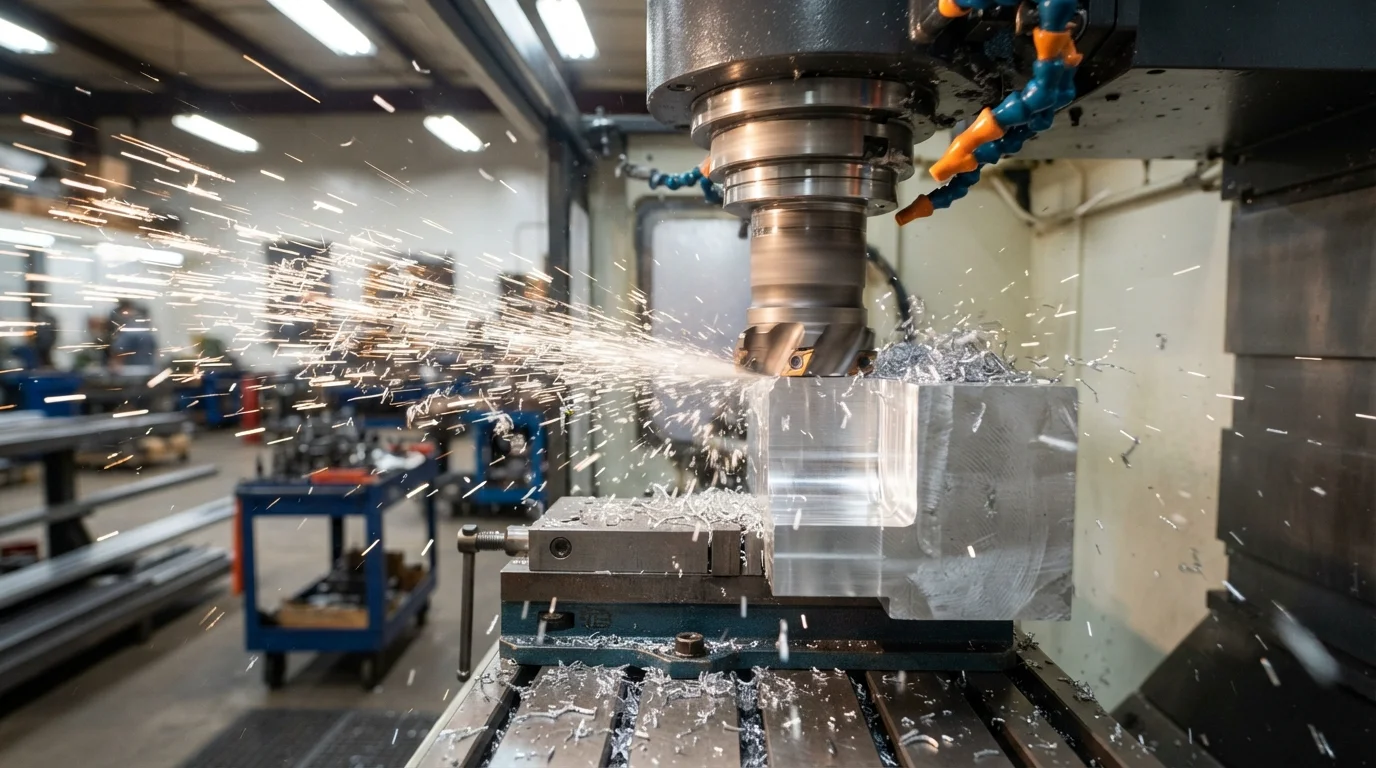
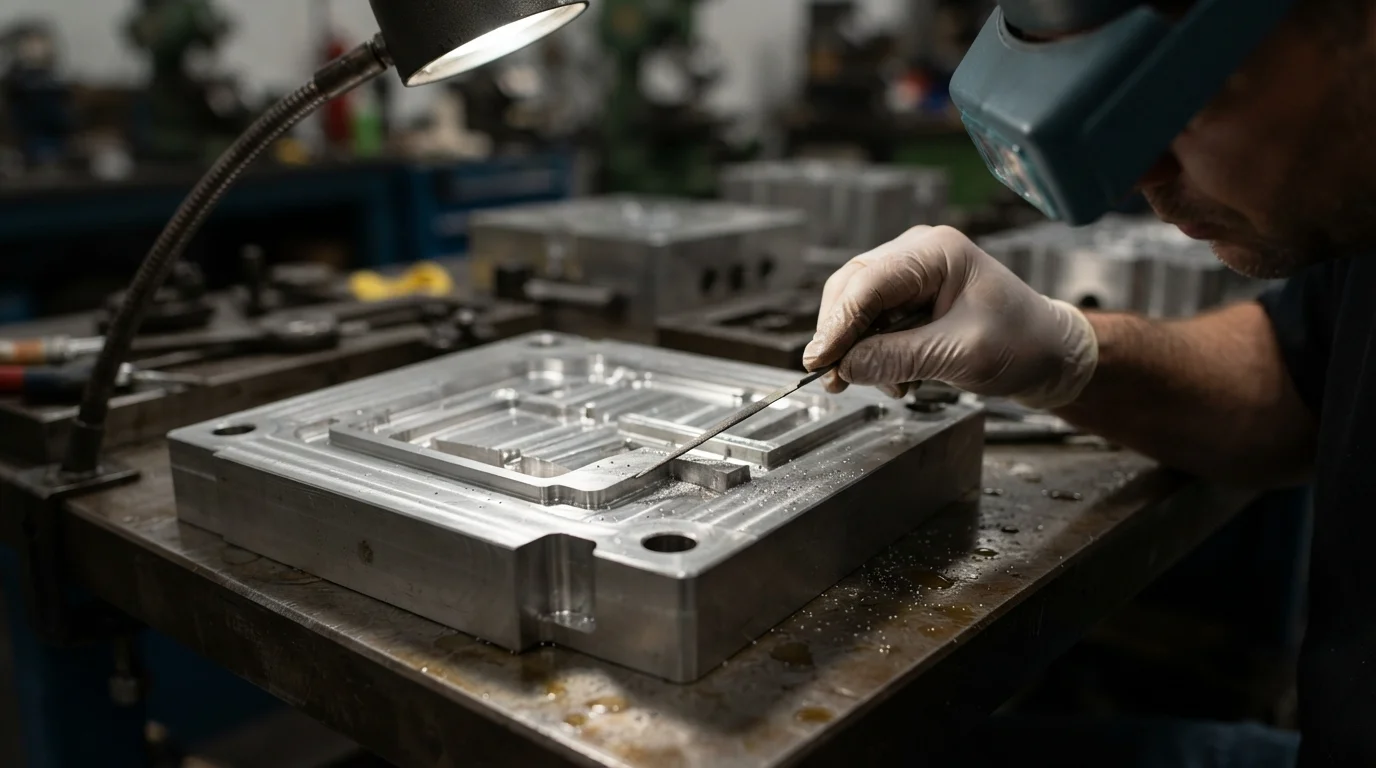
Question: Why do aluminum molds cost 30% to 50% less to machine into a mold than steel? Aluminum AL7075 cuts up to five times faster than pre-hardened steel, reducing CNC machine hours and spindle wear.
Die Bewertung von aluminum vs steel mold cost variables requires looking beyond raw metal billet prices to analyze active CNC machine hours. Standard Aluminium alloys like AL7075-T6 cut three to five times faster on multi-axis milling spindles than pre-hardened Werkzeugstahl Sorten wie P20. Die Verwendung von Weichmetallblöcken ermöglicht es Maschinisten, aggressive Schnitttiefen zu wählen, ohne Fräserschwingungen oder Werkzeugbruch zu riskieren. Die schnelle Spanabfuhr beschleunigt die Kernherstellung, sodass Kleinserienformen innerhalb von Tagen die Spritzgießmaschine erreichen können.
Subtraktive CNC-Bearbeitungsservice operations on aluminum avoid secondary vacuum heat-treating cycles completely, cutting overall lead times down to 10 to 15 business days. Key physical factors that drive down aluminum mold manufacturing costs include:
- High material removal rates—Spindeln räumen Material bei hohen Vorschüben und Drehzahlen ohne Werkzeugablenkung des Fräsers
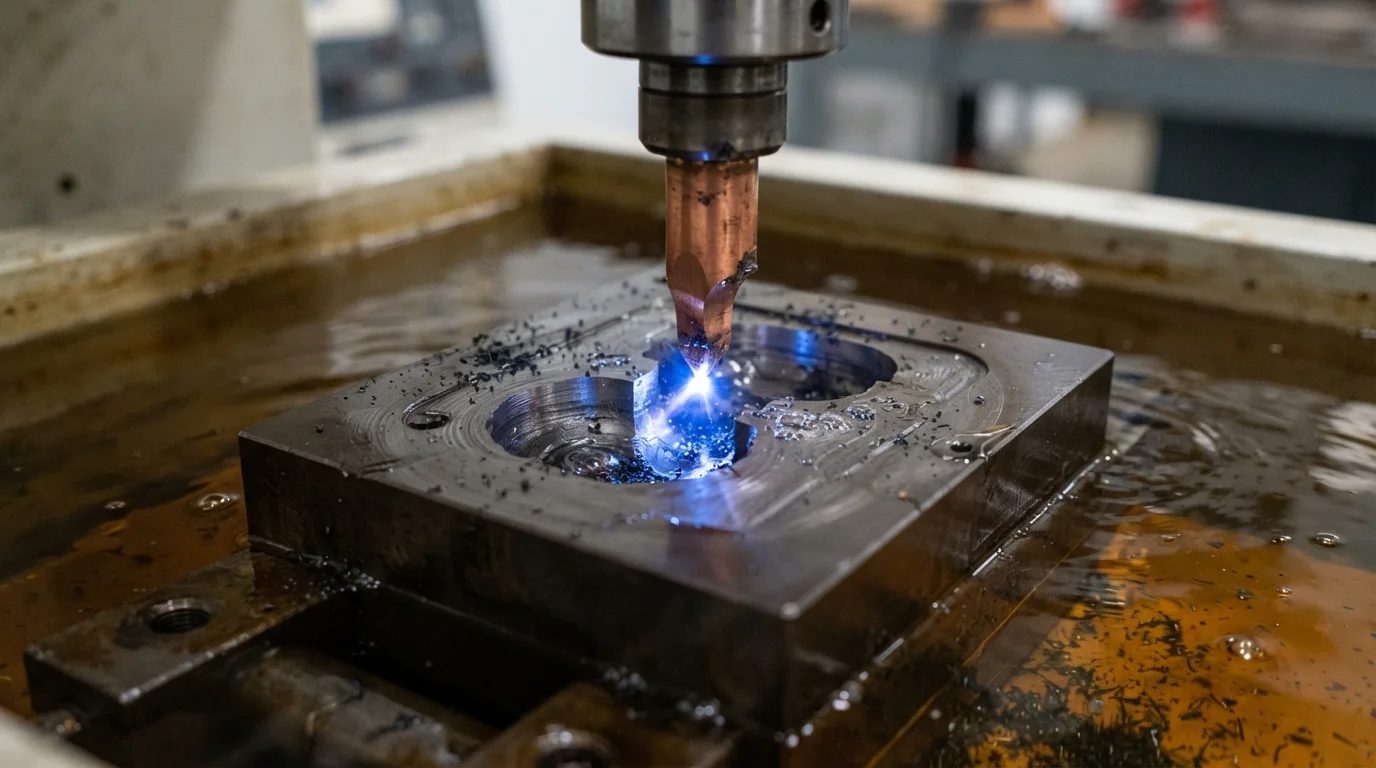
- Eliminierung der EDM-Funkenerosion—Direktfräsen räumt tiefe Kavitäten, ohne individuelle Kupferelektroden herzustellen
- Schnellere Kühlung durch Wärmeübertragung—Hohe Wärmeleitfähigkeit verkürzt Spritzzykluszeiten um bis zu dreißig Prozent
Investitionen in gehärteten Werkzeugstahl und langfristiger Werkzeugwert
Frage: Wann lohnt sich ein Werkzeug aus gehärtetem Stahl trotz höherer anfänglicher Investitionskosten? Formen aus gehärtetem Stahl wie H13 oder S7 überstehen über 1.000.000 Spritzschüsse und bieten den niedrigsten Stückpreis für die Massenproduktion.
Die Investition in Werkzeuge aus gehärtetem Stahl erfordert erhebliches Anfangskapital, bietet aber unübertroffene Haltbarkeit, wenn die jährliche Bestellmenge 100.000 Einheiten übersteigt. Kernkavitäten aus gehärtetem Stahl widerstehen hohen Schließkräften und abrasivem Polymerfluss problemlos und halten enge Toleranzen über Millionen von Zyklen ein. Die Beschaffung eines dedizierten Schnellwerkzeugbau-Service Die Verwendung von Aluminium- oder Weichstahleinsätzen stellt einen intelligenteren Zwischenschritt dar, wenn Produktdesigns noch Marktüberarbeitungen unterliegen. Die Beschaffung von Schnellwerkzeugen ermöglicht es Produktentwicklern, Anguss, Trennfugen und Entformungsschrägen unter realen Maschinendrücken zu validieren.
Berechnung Ihrer Gesamt- Kosten für Schnellwerkzeuge erfordert die Bewertung, wie sich die anfänglichen Investitionsausgaben auf Ihre Zielchargengröße verteilen. Die Beschaffung funktionaler Prototypenservice Teile oder Aluminiumformen für Kurzläufe ermöglichen es Hardware-Startups, die Verkaufsnachfrage zu validieren, bevor sie sich auf Hochvolumen-Stahlwerkzeuge festlegen. Diese technische Vergleichstabelle zeigt die grundlegenden Kosten- und Leistungsunterschiede zwischen Aluminium- und Stahlformen:
| Formmaterial | Anfängliche Investitionskosten | Werkzeuglebensdauer (Schüsse) | Bestes Kosteneinsparvolumen |
|---|---|---|---|
| AL7075-T6 Aluminium | Niedrig ($2.000 – $8.000) | 5.000 bis 50.000 | 100 bis 10.000 Einheiten (Kurzläufe) |
| P20 Weichstahl | Mäßig ($5.000 – $15.000) | 50.000 bis 100.000 | 5.000 bis 50.000 Einheiten (Brückenproduktion) |
| H13 gehärteter Stahl | Hoch ($20.000 – $100.000+) | 1,000,000+ | Über 100.000 Einheiten (Massenproduktion) |
Der Übergang zu einer automatisierten Spritzguss-Service erfordert eine vollständige Überarbeitung der Roh-Prototyp-CAD-Geometrien, um die Entformungsphysik zu berücksichtigen. Wenn Sie Ihre Kopien von einem Partner mit umfangreichen internen Fähigkeiten beziehen, erhalten Sie ehrliche, kostensparende Ratschläge für Ihr spezifisches Hardware-Programm. Das präzise Schneiden von CAD-Dateien ermöglicht es erfahrenen Werkzeugbauern, Trennlinien, Entformungsschrägen und Wandstärken mit fortschrittlicher Mold-Flow-Simulationssoftware zu analysieren.
Die Beschaffung von Funktionsteilen, die aus massiven technischen Thermoplasten wie ABS oder Nylon (PA) bietet authentisches Materialverhalten unter dynamischer Belastung. Das präzise Spleißen von Roh-CAD-Dateien ermöglicht erfahrenen Werkzeugmachern, Trennlinien-Schließflächen manuell zu analysieren. Eine frühzeitige Validierung verhindert teure Konstruktionsänderungen bei der Hochskalierung auf den Spritzguss in großen Stückzahlen.
Auswahl der kostengünstigsten Option für Ihren Produktlebenszyklus
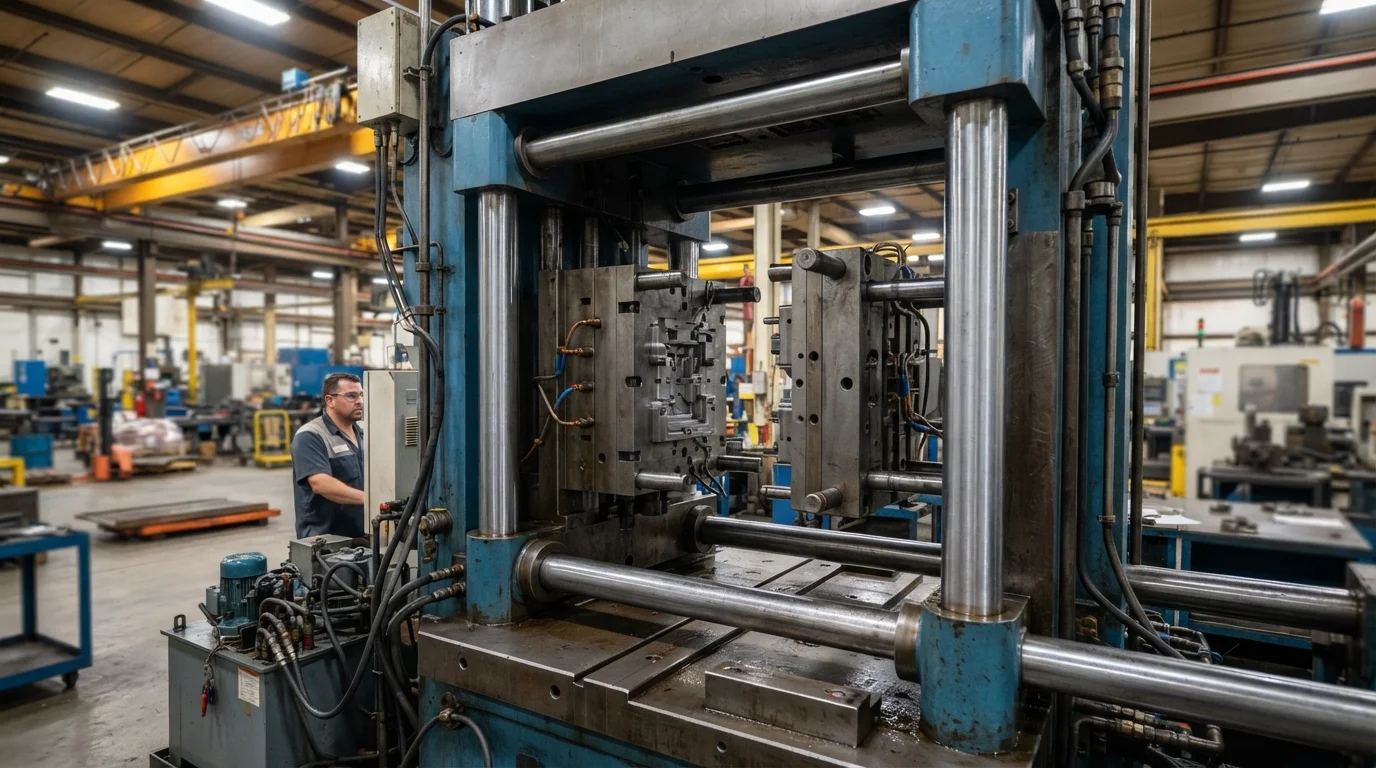
Frage: Wie wählen Hardware-Entwickler zwischen Aluminium- und Stahlformen? Die Beschaffung von Aluminiumformen ist ideal für frühe NPI, Brückenproduktion und Crowdfunding-Serien, während Stahlformen für vollständig eingefrorene, hochvolumige Designs geeignet sind.
Die Analyse der Kostenstrukturen von Aluminium- vs. Stahlformen ermöglicht es Hardware-Innovatoren, ihre Werkzeuginvestitionen entsprechend der wachsenden Produktnachfrage zu staffeln. Die frühzeitige Beschaffung von Aluminiumformen schützt Ihr Kapital und ermöglicht schnelle Designänderungen, ohne teuren Hartwerkzeugstahl zu zerstören. Die Beschaffung Ihrer Komponenten von einer zertifizierten Fertigungsstätte unter einem Dach verhindert Kommunikationsfehler und stellt sicher, dass Designänderungen sicher über alle Stufen weitergegeben werden. Die Beschaffung hochwertiger Prototypen stellt sicher, dass Ihre Konstruktionen so gebaut sind, dass sie schweren dynamischen Kräften sicher standhalten.
- Erste Prototypenphase (1 bis 20 Teile)—Verwenden Sie 3D-Druck oder CNC-Bearbeitung aus Blöcken, um Form und Passung grundlegend zu validieren
- Brückenproduktionsphase (100 bis 20.000 Teile)—Verwenden Sie Aluminium-Schnellwerkzeuge, um frühe Marktbestellungen mit geringem Kapitaleinsatz zu erfüllen
- Massenproduktionsskalierung (über 100.000 Teile)—Investieren Sie in Mehrfachkavitäten-Werkzeuge aus gehärtetem H13-Stahl für maximale Stückteil-Wirtschaftlichkeit
Häufig gestellte Fragen (FAQ)
Wie viel günstiger ist Aluminiumwerkzeug als Stahlwerkzeug?
Aluminum tooling is typically 30% to 50% cheaper upfront than steel tooling. Soft aluminum AL7075 cuts significantly faster on CNC spindles, eliminating slow EDM spark erosion and vacuum heat-treating hours.
Wann sollte ein Hardware-Startup Aluminiumformen gegenüber Stahl wählen?
Das Verständnis der Kostendynamik von Aluminium- vs. Stahlformen stellt sicher, dass Sie das richtige Werkzeugmaterial für Ihr spezifisches Bestellvolumen auswählen. Die frühzeitige Beschaffung von Aluminiumformen ermöglicht es Hardware-Startups, Produkte Monate vor der Konkurrenz auf den Markt zu bringen.
Wie unterstützt Jucheng Precision die Entwicklung von Formen mit geringem Volumen?
Jucheng Precision betreibt eine voll ausgestattete Fertigungsanlage mit sowohl mehrachsigen Bearbeitungszentren als auch Präzisionsspritzgussmaschinen. Werksingenieure führen umfassende 24-Stunden-kostenlose DFM Überprüfungen durch, um Angusslagen, Trennlinien und Entformungsschrägen zu optimieren, bevor Metall geschnitten wird.

