


Die Auswahl zwischen vorgehärtetem Stahl und Aluminium-Mold-Kernen in Flugzeugqualität stellt eine der kritischsten Materialentscheidungen in der Konstruktion von Spritzguss für Kleinserien dar. Werkzeugkonstrukteure müssen abwägen, ob die niedrigeren anfänglichen Bearbeitungskosten von weichem Aluminium die überlegene Verschleißfestigkeit von vorgehärteten Stahlplatten aufwiegen. Die Beschaffung hochwertiger physischer Modelle ermöglicht es Hardware-Unternehmen, die Passgenauigkeit von Teilen zu validieren, aber der Übergang zum Kleinserien-Spritzguss erfordert ein klares Verständnis der Kavitätsverschleißdynamik. Sorgfältige Planung verhindert vorzeitige Formauswaschungen und stellt sicher, dass kundenspezifische Kunststoffbaugruppen reibungslos in die Kleinserienproduktion übergehen.
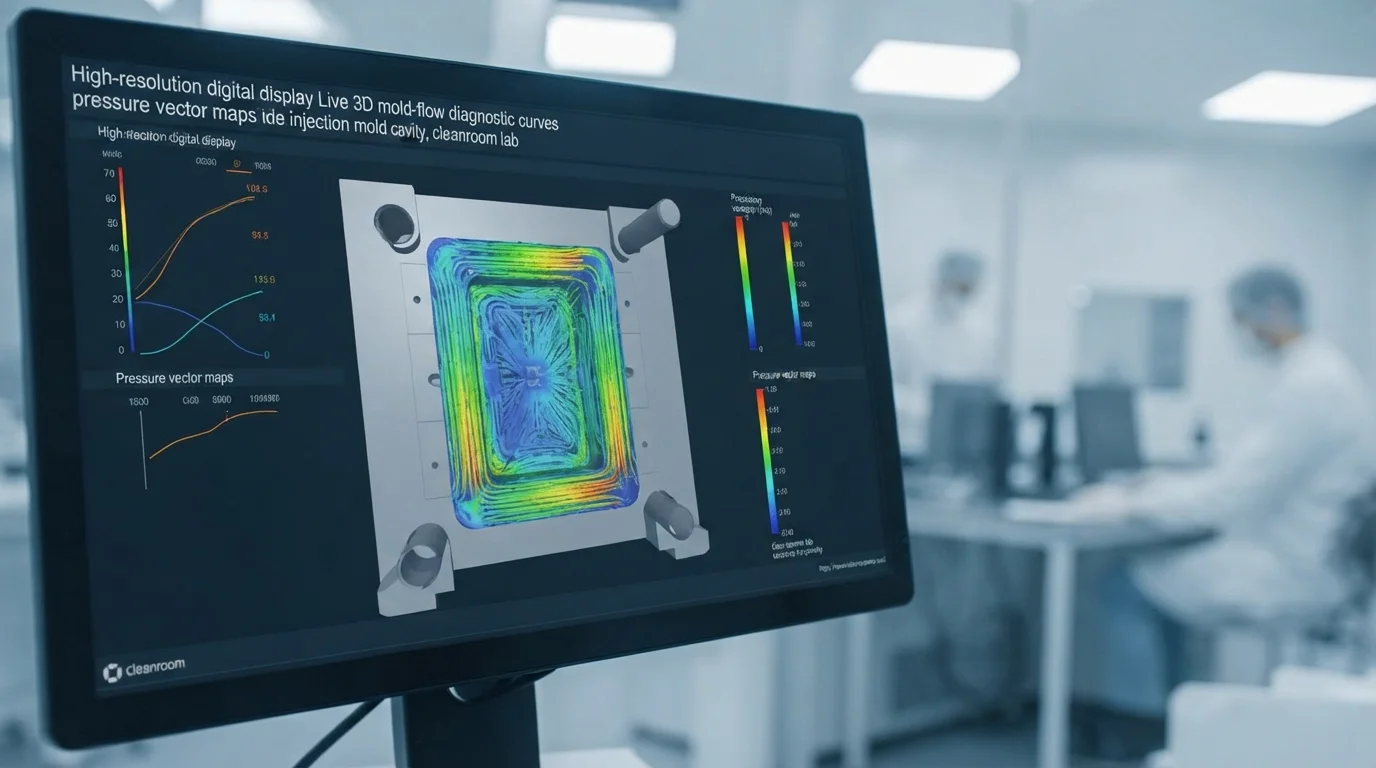
Die Analyse der langfristigen Kompromisse von P20-Stahl vs. Aluminium-Werkzeugkosten stellt sicher, dass Ihr Produktteam das richtige Formmetall für Ihr Zielharz auswählt. Fertigungsspezialisten analysieren Polymerscherraten, Glasfaseranteil und Schließkräfte mit fortschrittlicher Formfluss-Simulationssoftware. Die Beschaffung Ihrer Komponenten von einem erfahrenen Partner verhindert Kommunikationsfehler und stellt sicher, dass Konstruktionsänderungen sicher über alle Stufen hinweg weitergegeben werden. Lassen Sie mich Sie durch Rohblockpreise, CNC-Werkzeugverschleiß und Harzkompatibilitätsfaktoren führen, die Ihre endgültige Rechnung bestimmen.
Inhaltsverzeichnis
1. Blockpreisunterschiede und CNC-Bearbeitbarkeitsmathematik
2. Werkzeugverschleißraten und Hochgeschwindigkeitsspindelstunden
3. Abrasive glasfaserverstärkte Harze und langfristige Gesamtbetriebskosten
Blockpreisunterschiede und CNC-Bearbeitbarkeitsmathematik
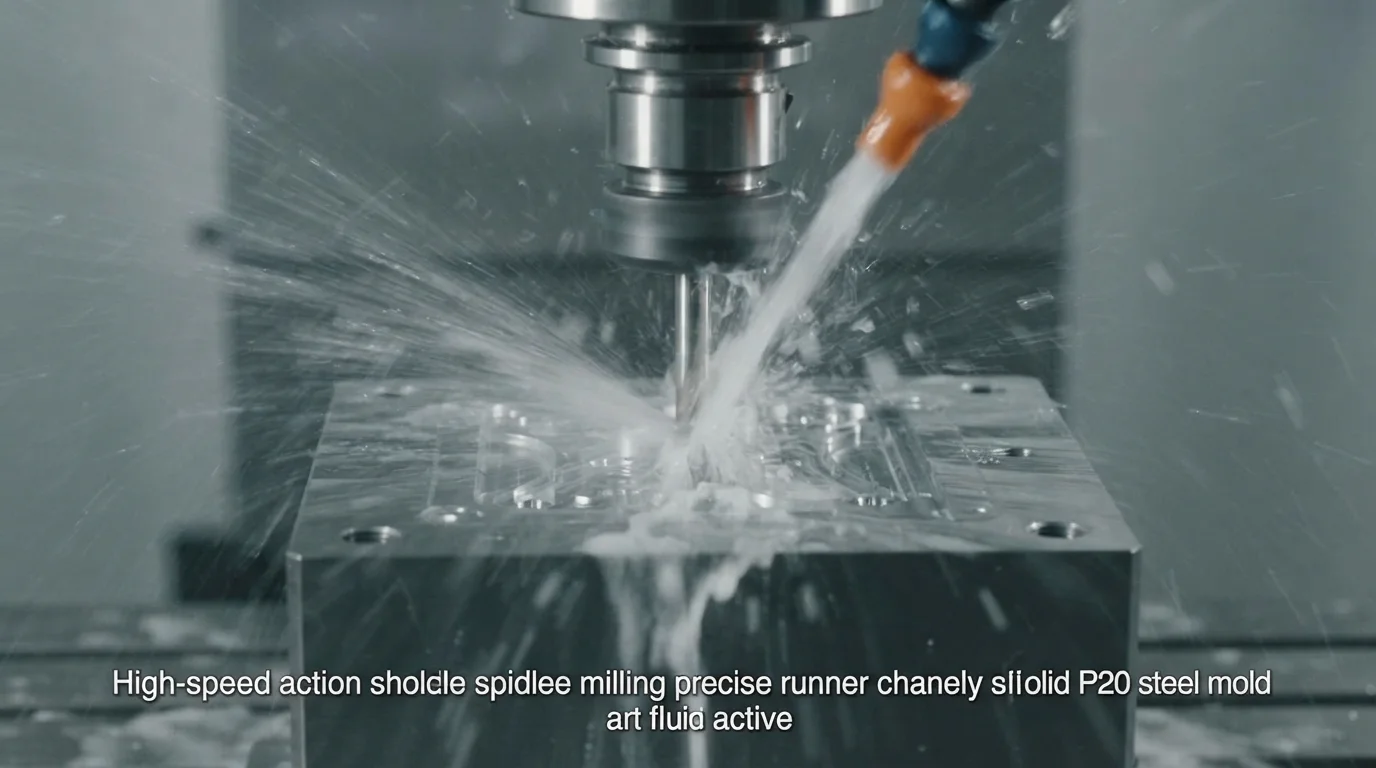
Frage: Warum kostet die Bearbeitung von P20-Stahl zu einer Form mehr als Aluminium? Vorgehärteter P20-Stahl besitzt eine höhere Härte (28-32 HRC), erfordert langsamere Schnittgeschwindigkeiten und verursacht höheren Werkzeugverschleiß als weiches AL7075.
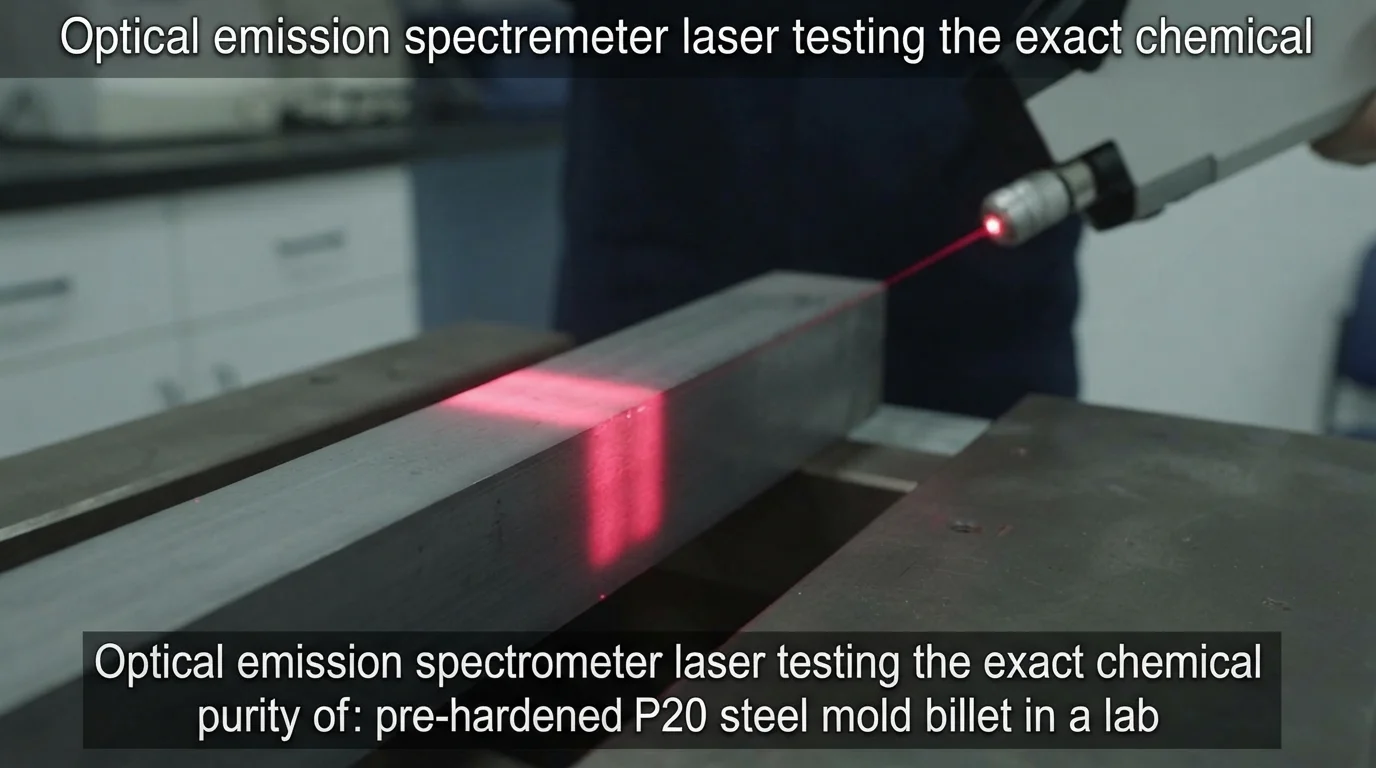
Die Anschaffungskosten für Rohmetallblöcke machen nur einen Bruchteil der anfänglichen Formherstellungsrechnungen aus, während CNC-Maschinenstunden den primären Kostentreiber darstellen. Die Beschaffung von weichem Aluminium (AL7075-T6) ermöglicht es Hochgeschwindigkeitsspindeln, Rohmaterial bis zu fünfmal schneller zu entfernen als vorgehärtetes Werkzeugstahl. Vorgehärteter P20 Stahl wird bereits auf 30 HRC vergütet geliefert und bietet hohe strukturelle Steifigkeit ohne sekundäre Vakuum-Wärmebehandlung. Die Beschaffung von P20-Stahlplatten erhöht die anfänglichen Bearbeitungsstunden, eliminiert jedoch die Durchlaufzeiten für die Wärmebehandlung nach dem Fräsen.
Berechnung Ihrer Gesamt- Kosten für Schnellwerkzeuge erfordert das Abwägen von Werkzeugverschleiß gegen Spindelbearbeitungsstunden für jede Metalloption. Aluminiumkerne lassen sich schnell mit Standard-Schaftfräsern bearbeiten, während P20-Stahl spezielle Hartmetallfräser erfordert, die beim tiefen Taschenfräsen schneller verschleißen. Das präzise Schneiden komplexer CAD-Dateien ermöglicht es erfahrenen Werkzeugmachern, Trennlinien-Schließflächen manuell zu analysieren. Die Standardisierung unkritischer Freiräume ermöglicht es Hochgeschwindigkeitsfrässpindeln, Rohmaterial schnell zu räumen und so die Bearbeitungseffizienz zu maximieren.
Beschaffung funktionaler Teile von einem professionellen Prototypenservice ist ideal für frühe Formstudien, aber diese CAD-Dateien verletzen oft die Physik des Spritzgießens in der Massenproduktion. Das präzise Aufteilen von CAD-Dateien ermöglicht es erfahrenen Werkzeugmachern, Trennlinien, Entformungsschrägen und Wandstärken mit fortschrittlicher Formfluss-Simulationssoftware zu analysieren. Formenkonstrukteure analysieren Trennlinien frühzeitig, um sicherzustellen, dass die weichen Aluminiumabsperrungen unter hohen Schließdrücken verschleißfest sind. Die Beschaffung hochwertiger Metallblöcke schützt Ihr Entwicklungsbudget vor Materialaufschlägen.
Werkzeugverschleißraten und Hochgeschwindigkeits-Spindelstunden
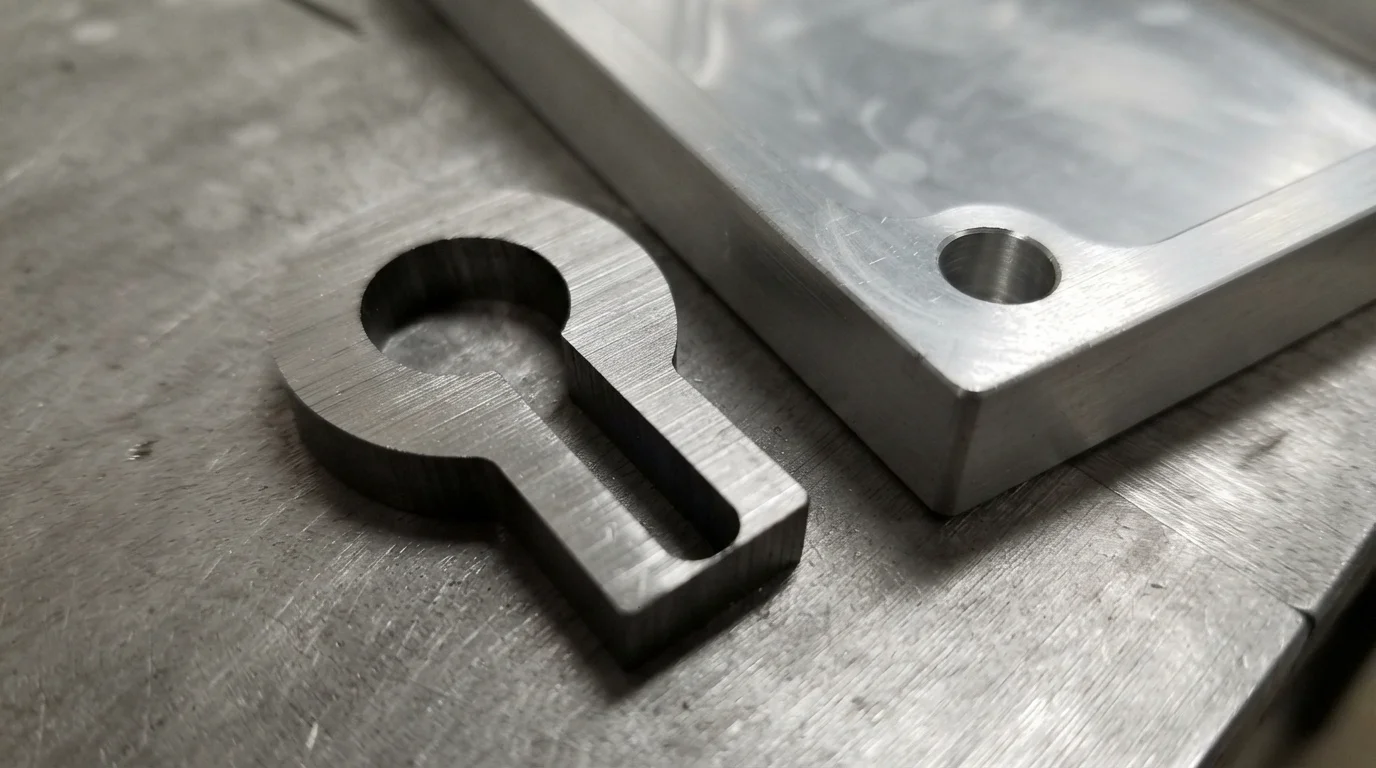
Frage: Wie viele Spritzzyklen übersteht eine P20-Stahlform? Vorgehärtete P20-Stahlformen überstehen problemlos 50.000 bis 100.000 Spritzzyklen und sind damit für längere Kleinserien Aluminium überlegen.
Die Bewertung der Werkzeugkostenstrukturen von P20-Stahl im Vergleich zu Aluminium beinhaltet die Projektion, wie viele saubere Teileentnahmen Ihre Form liefern kann, bevor eine Maßabweichung auftritt. Vorgehärtete P20-Stahlkavitäten widerstehen dem Quetschen der Trennlinie und Erosion am Anguss unter hohen Schließkräften und liefern bis zu 100.000 saubere Schüsse. Aluminiumformen hingegen weisen typischerweise nach 10.000 bis 20.000 Zyklen Verschleiß an den Schließflächen auf, was Nachpolieren oder Mikroschweißreparaturen erfordert. Die Auswahl von P20-Stahl ist für mittlere Produktionsserien, bei denen die Langlebigkeit der Form die anfänglichen CNC-Bearbeitungskosten überwiegt, äußerst wirtschaftlich.
Die Beschaffung eines dedizierten Schnellwerkzeugbau-Service hilft Produktteams, das richtige Formmetall basierend auf der jährlichen Bestellmenge und der Abrasivität des Polymers auszuwählen. Diese technische Vergleichstabelle zeigt die wichtigsten physikalischen und finanziellen Unterschiede zwischen P20-Stahl- und AL7075-Aluminiumformen:
| Formmaterial | Barrenhärte | Zerspanungsrate | Geschätzte Werkzeuglebensdauer |
|---|---|---|---|
| AL7075-T6 Aluminium | 150 Brinell | Sehr hoch (500 cm³/min) | 5.000 bis 20.000 Zyklen |
| P20 vorgehärteter Stahl | 30 HRC | Mäßig (120 cm³/min) | 50.000 bis 100.000 Zyklen |
Abrasive glasfaserverstärkte Kunststoffe und langfristige Gesamtbetriebskosten
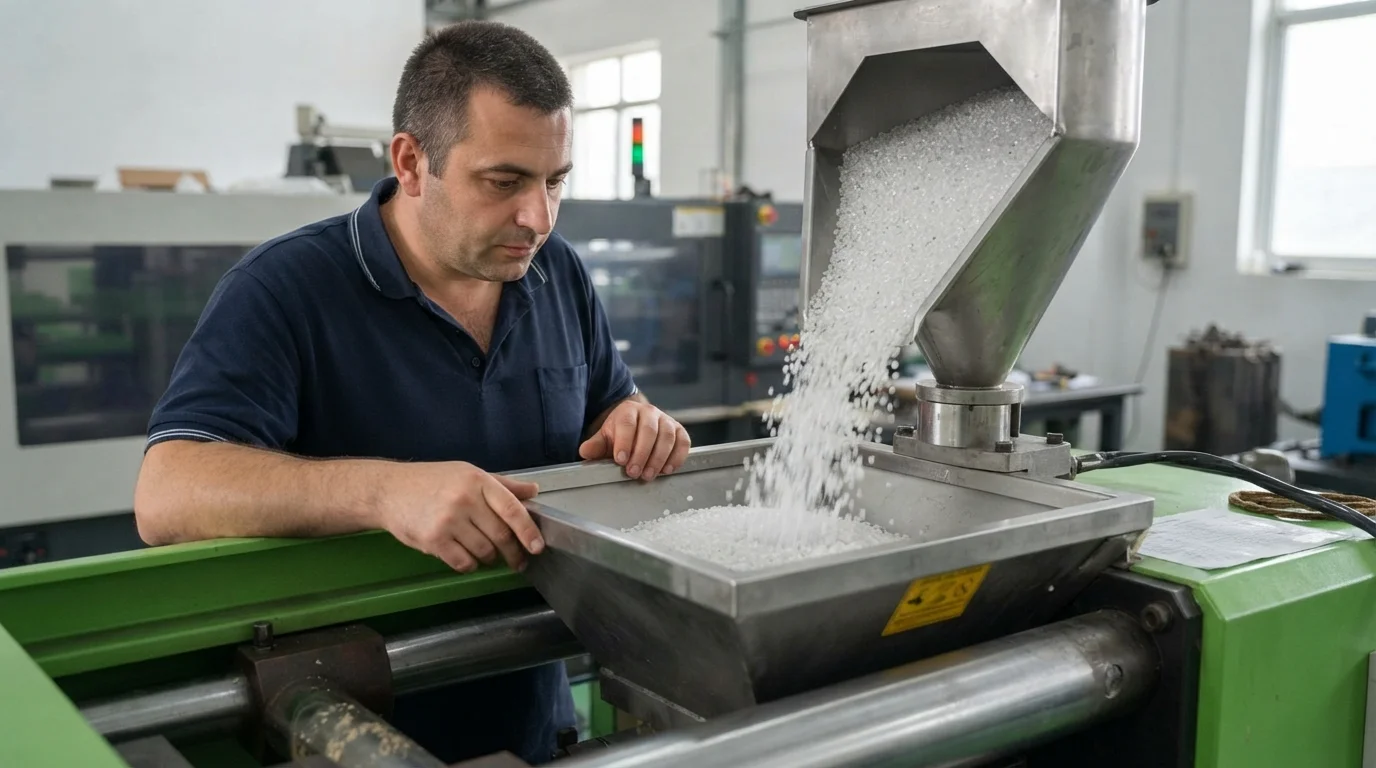
Frage: Warum erzwingt glasfaserverstärktes Nylon einen Wechsel von Aluminium zu P20-Stahl? Geschnittene Glasfasern wirken bei hoher Einspritzgeschwindigkeit wie Sandpapier und scheuern rohe Aluminiumangüsse innerhalb von Hunderten von Zyklen auf.
Das Einspritzen faserverstärkter Thermoplaste wie glasfaserverstärktem Nylon (PA) erzeugt starke abrasive Scheuerwirkung gegen rohe Kavitätswände und Angussöffnungen. Die Beschaffung von ungehärteten Aluminiumformen für 30% glasfaserverstärktes Nylon führt nach nur wenigen hundert Schüssen zu schnellem Angussauswaschen und Gratbildung an der Trennlinie. Vorgehärtete P20-Stahlkerneinsätze widerstehen dem abrasiven Faserfluss problemlos, schützen die Angussmaße und halten enge Teiletoleranzen über lange Läufe ein. Die Beschaffung von Stahleinsätzen für stark verschleißende Bereiche erhält die Geschwindigkeitsvorteile von Aluminiumformen und verhindert gleichzeitig vorzeitigen Werkzeugausfall.
Beschaffung Ihrer Kleinserie Spritzguss-Service Programme eines integrierten Partners stellen sicher, dass Ihre CAD-Dateien für Formen vor dem Schneiden von Metall umfassenden DFM-Prüfungen unterzogen werden. Jucheng Precision betreibt eine voll ausgestattete Fertigungsanlage mit mehreren Achsen CNC-Bearbeitungsservice Zentren als auch Präzisionsspritzgussmaschinen. Fabrikingenieure liefern umfassende 24-Stunden-kostenlose DFM Überprüfungen zur Optimierung von Angussstellen, Trennlinien und Entformungsschrägen. Zu den wichtigsten technischen Schritten zur Senkung Ihrer Werkzeugkosten für P20-Stahl vs. Aluminium gehören:
- Hybrider Kernaufbau– Verwendung von AL7075-Aluminiumplatten für schnelle Kühlung mit lokalisierten P20-Stahleinsätzen an stark verschleißenden Angussstellen
- Regeln für gleichmäßige Wandstärken– Die Auslegung von Wänden zwischen 1,5 mm und 3,0 mm verhindert lokalen Polymersschrumpf und Verzug
- Einführung modularer MUD-Rahmen– Die Wiederverwendung universeller Grundplatten vermeidet Kosten für die Bearbeitung kundenspezifischer äußerer Formrahmen
Die Beschaffung von Funktionsteilen, die aus massiven technischen Thermoplasten wie ABS oder Polycarbonat (PC) geformt werden, bietet authentisches Materialverhalten unter dynamischer Belastung. Zu den wichtigsten betrieblichen Vorteilen der Zusammenarbeit mit einem Formenbauer unter einem Dach gehören:
- Kostenlose DFM-Überprüfungen rund um die Uhr—Werksingenieure bewerten Trennlinien, Anschnittgrößen und Kühlwasserleitungen, bevor Kernmetall geschnitten wird
- Transparente Schlüsselfertigangebote—Aufgeschlüsselte Kostenvoranschläge enthalten alle sekundären Angussentfernungs-, Oberflächenlackierungs- und Verpackungsgebühren im Voraus
- Interne Werkzeugbaubearbeitung—Werkzeugbauer im eigenen Haus bearbeiten weiche Aluminium- oder Stahleinsätze unter einem Dach
Häufig gestellte Fragen (FAQ)
Wie viel teurer ist P20-Stahl-Werkzeug als Aluminium?
Vorgehärteter P20-Stahl kostet etwa 20% bis 30% mehr für die Bearbeitung zu einer Form als AL7075-Aluminium aufgrund geringerer Schnittgeschwindigkeiten. Die Beschaffung von Aluminiumformen ist anfangs billiger, aber P20-Stahl wird bei Läufen über 20.000 Einheiten pro Teil billiger.
Wie lösen Hybridformen Verschleißprobleme an Angussstellen in Aluminiumwerkzeugen?
Die Installation von gehärteten P20- oder H13-Stahlangusseinsätzen in einem Aluminiumformkern schützt stark verschleißende Einlasskanäle vor abrasiver Fasere erosion. Hybridformen kombinieren wirtschaftlich die schnelle Kühlgeschwindigkeit von Aluminium mit der lokalen Haltbarkeit von Stahl.
Erfordert P20-Stahl eine sekundäre Vakuumwärmebehandlung?
Vorgehärteter P20-Stahl benötigt keine sekundäre Vakuum-Wärmebehandlung, da er bereits auf 30 HRC vergütet geliefert wird. Durch den Verzicht auf Wärmebehandlungszyklen werden Risiken thermischer Formverformung eliminiert und die Durchlaufzeiten um Wochen verkürzt.

