


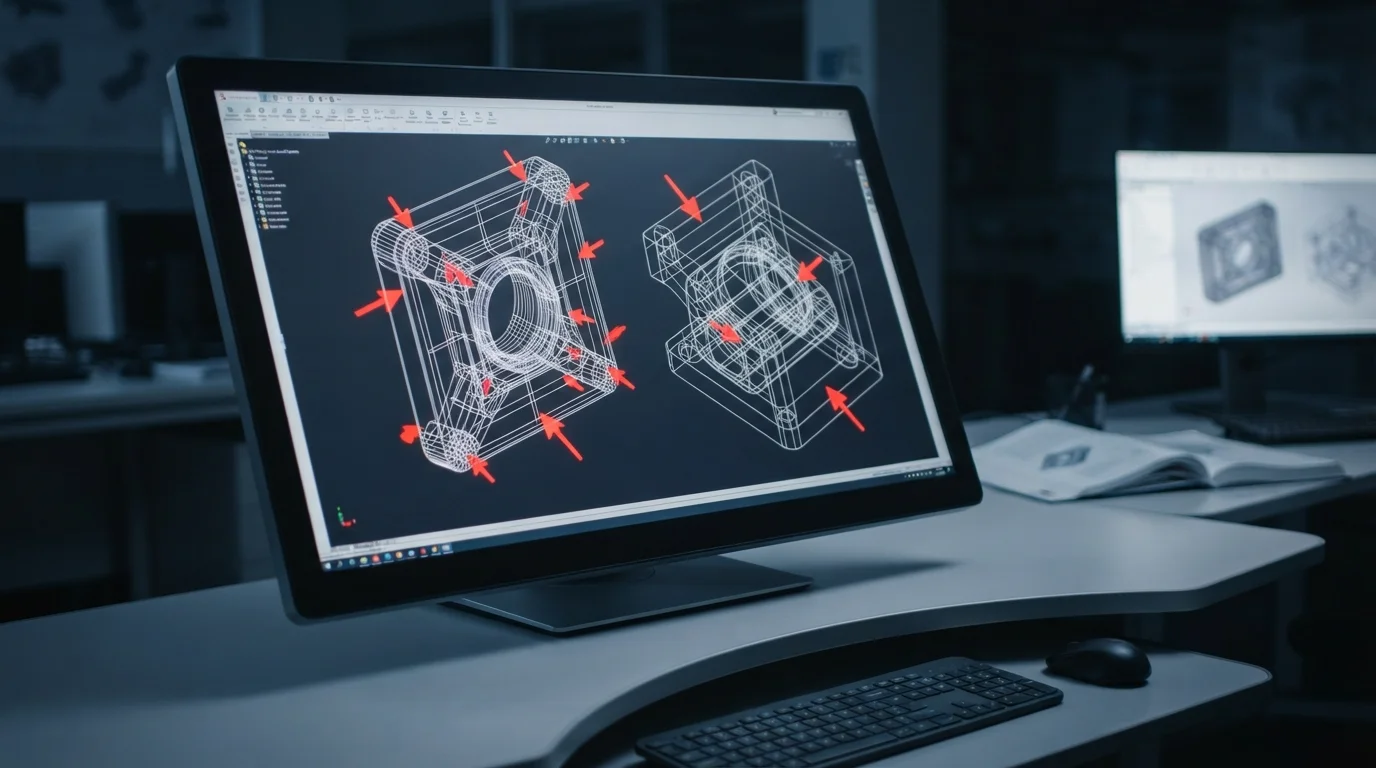
Die Entwicklung kundenspezifischer Hardware-Mockups verleitet Produktentwicklungsteams oft dazu, extreme Toleranzen und ultraschmale Oberflächen zu spezifizieren, die keinerlei Auswirkungen auf die Funktionsleistung haben. Jedes Mikrozoll unnötiger Präzision und jede Stunde manuelles Polieren erhöht die Kosten erheblich und sprengt enge Entwicklungsbudgets. Das Erlernen, wie man die Kosten für Rapid Tooling senkt während früher CAD-Iterationen erfordert eine ausgewogene Fertigungsstrategie, die Ihre unmittelbaren Validierungsziele mit dem kostengünstigsten Fertigungsprozess in Einklang bringt. Die frühzeitige Eliminierung übertechnisierter Merkmale stellt sicher, dass Sie strukturell einwandfreie Teile erhalten, ohne für kosmetische Details zu viel zu bezahlen.
Inhaltsverzeichnis
1. Eliminierung von Hinterschneidungen zur Vermeidung teurer Schieber und Auswerfer
2. Handbestückte Einsätze und Anpassungen der Oberflächengüte
3. Standardisierung der Wandstärke und frühe DFM-Optimierung
Eliminierung von Hinterschneidungen zur Vermeidung teurer Schieber und Auswerfer
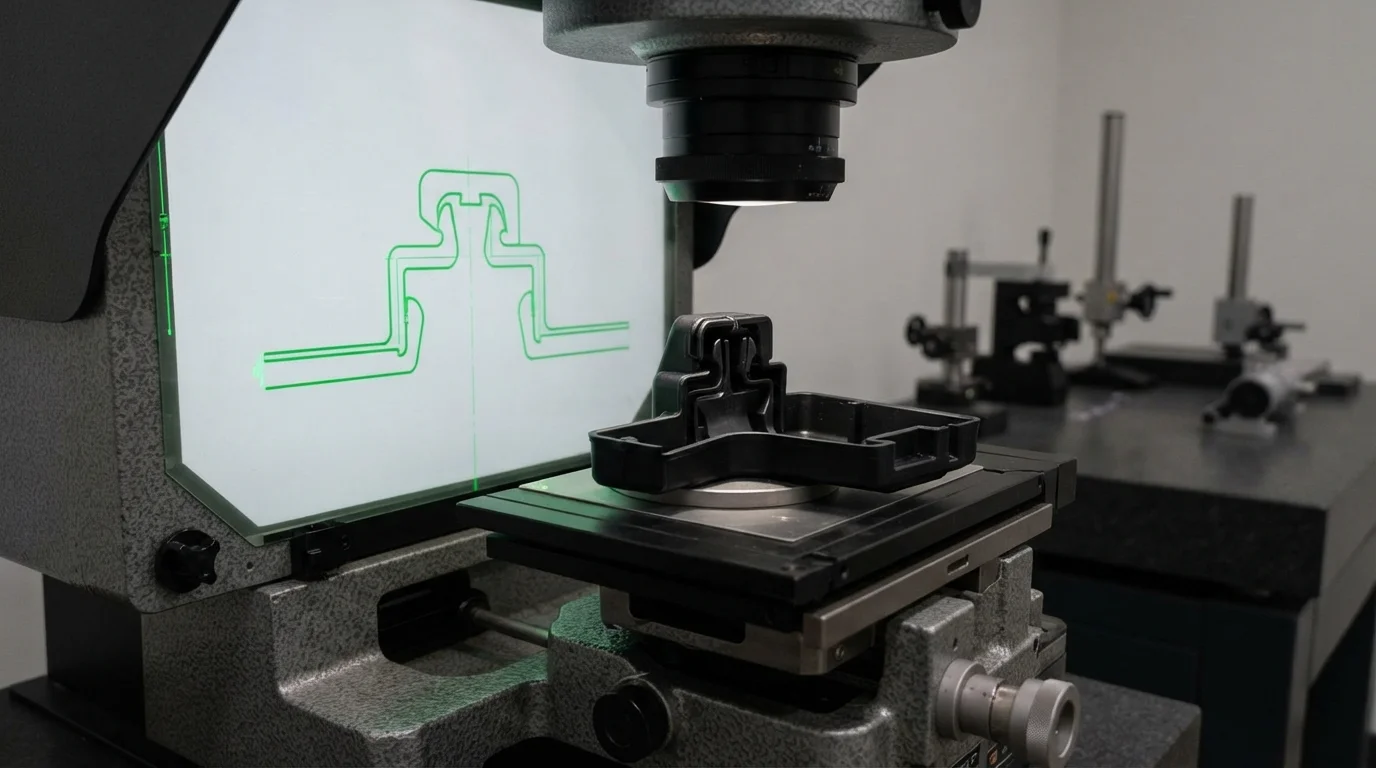
Frage: Warum treiben Hinterschneidungen die Werkzeugkosten in die Höhe? Hinterschneidungen erfordern bewegliche mechanische Schieber oder hydraulische Auswerfer im Inneren der Form, was Tausende von Dollar an Bearbeitungs- und Montagekosten verursacht.
Komplexe innere Hinterschneidungen und seitliche Bohrungen erfordern komplexe bewegliche Mechanismen, die die anfänglichen Formenherstellungskosten erhöhen. Die Beschaffung eines dedizierten Schnellwerkzeugbau-Service unter Verwendung von Aluminium- oder Weichstahlkernen liefert echte spritzgegossene Komponenten aus produktionsgerechten Harzen innerhalb von Wochen. Das präzise Schneiden von CAD-Dateien ermöglicht es erfahrenen Werkzeugbauern, Trennfugen, Entformungsschrägen und Wandstärken mit fortschrittlicher Mold-Flow-Simulationssoftware zu analysieren. Die Eliminierung unnötiger mechanischer Schieber schützt weiche Aluminium-Sperren vor vorzeitigem Verschleiß und hält Ihre Gesamtkosten Kosten für Schnellwerkzeuge gut innerhalb der Zielvorgaben.
Die Neugestaltung von Teilgeometrien zur Umgehung von Hinterschneidungen ist die effektivste DFM-Strategie, um die Kosten für Rapid Tooling niedrig zu halten. Zu den wichtigsten CAD-Modifikationsmethoden zur Eliminierung von Schiebern gehören:
- Durchgangs-Absperrungen—Das Platzieren eines Ausschnitts unter internen Schnappverschluss-Laschen ermöglicht es gegenüberliegenden Formhälften, Haken ohne bewegliche Teile zu formen
- Trennfugenverlagerung—Das Verschieben der Stelle, an der Formhälften aufeinandertreffen, verwandelt externe seitliche Hinterschnitte in geradlinige Ziehgeometrien
- Manuell eingelegte lose Kerne—Das manuelle Einlegen loser Stahlstifte vor jedem Zyklus umgeht $5.000 hydraulische Seitenzugmodule
Manuell eingelegte Einsätze und Oberflächengüte-Anpassungen
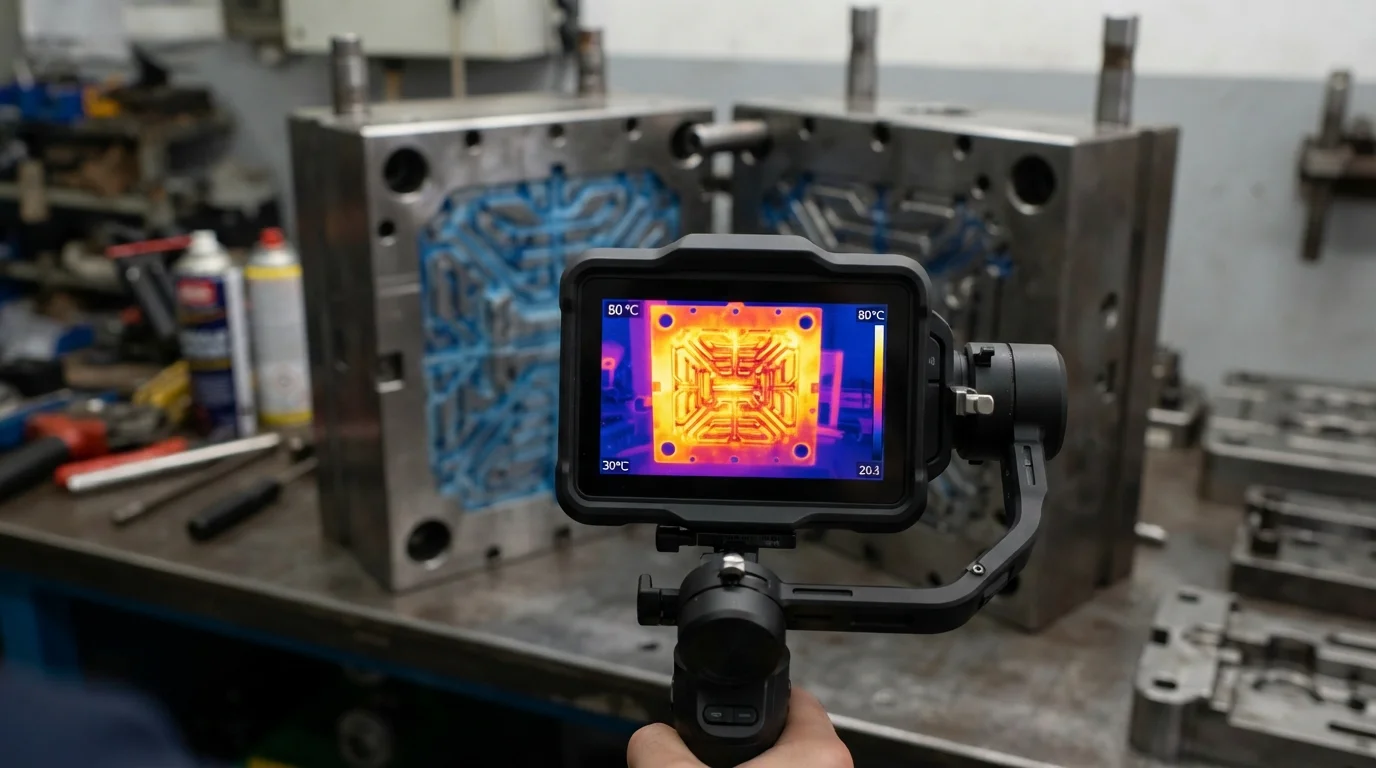
Frage: Wie beeinflussen Oberflächengüte-Spezifikationen den Preis einer Spritzgussform? Die Spezifikation von hochglanzpolierten optischen Oberflächen erfordert intensive manuelle Schleifstunden, während bearbeitete oder perlenstrahlgeblasene Oberflächen die Arbeitskosten niedrig halten.
Das Aufbringen spezieller Oberflächenveredelungen auf Kernkavitäten beeinflusst die manuellen Arbeitskosten erheblich. Hochglanz-SPI-A1-Diamantpolitur erfordert Dutzende Stunden qualifizierter Handpolitur und verdoppelt die Endbearbeitungskosten. Die Spezifikation von Standard-Perlenstrahl- oder Rohbearbeitungsoberflächen für interne Strukturmerkmale hält den Polieraufwand minimal. Das Verständnis, wie man die Kosten für schnelles Werkzeugbau während früher Spezifikationsprüfungen reduziert, hilft Ingenieurteams, Endbearbeitungsbudgets nur für sichtbare Sichtflächen zu verwenden.
Die Beschaffung funktionaler Teile, die aus massiven technischen Kunststoffen wie ABS, Nylon (PA), oder Polycarbonat (PC) geformt sind, bietet authentisches Materialverhalten unter dynamischer Belastung. Die Beschaffung weicher Metallkavitäten aus AL7075 Aluminium oder P20 Werkzeugstahl senkt die Kosten für Rohmaterial-Blöcke. Diese technische Vergleichstabelle skizziert grundlegende Kostenverhalten über verschiedene DFM-Entscheidungen hinweg:
| Designvariable | Teure Designpraxis | Kostensparende Alternative | Primärer finanzieller Vorteil |
|---|---|---|---|
| Seitenmerkmale | Automatische hydraulische Schieber ($3.000+) | Durchgangs-Absperrungen oder handbestückte Einsätze | Eliminiert komplexe bewegliche Formkomponenten |
| Kavitätenoberfläche | SPI-A1-Spiegel-Diamantpolitur | Wie bearbeitet oder leichtes Glasperlenstrahlen | Spart bis zu 40% an manueller Werkstattarbeit |
| Wandstruktur | Dicke, variable Vollblöcke | Gleichmäßige Wände (1,5–3,0 mm) mit 60% Rippen | Verkürzt Kühlzeiten, verhindert Verzug |
Standardisierung der Wanddicke und frühe DFM-Optimierung
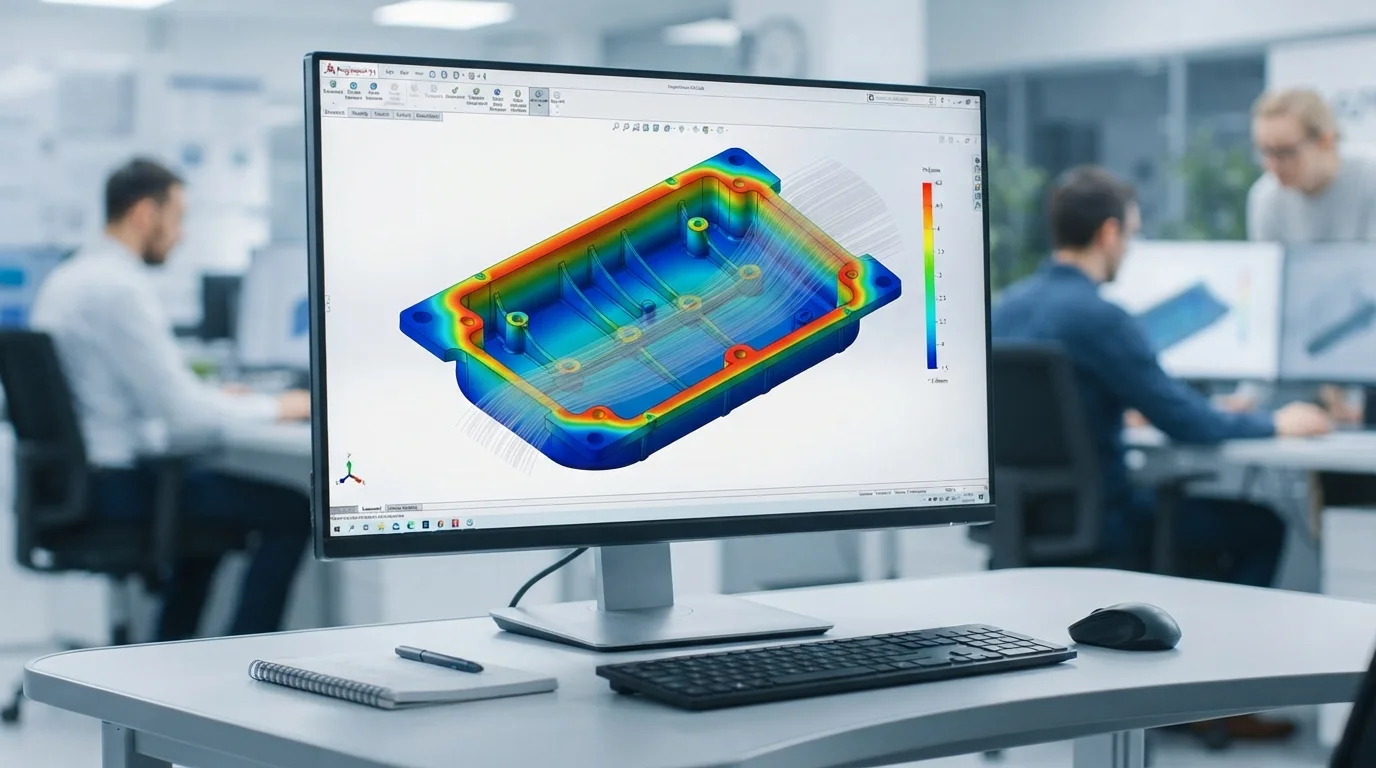
Die Aufrechterhaltung einer gleichmäßigen Wandstärke ist die goldene Regel der Kunststofftechnik, da sie ungleichmäßige Abkühlraten verhindert, die nach dem Formen zu Verzug führen. Dicke Kunststoffnasen oder massive Rippen kühlen langsamer ab als angrenzende dünne Wände, was innere Vakuumspannungen erzeugt, die die äußere Haut nach innen ziehen. Die Integration von Verstärkungsrippen mit einer Dicke von 60 Prozent der Hauptwand bietet strukturelle Steifigkeit, ohne sichtbare Einfallstellen zu verursachen. Die frühzeitige Einholung dimensionaler Validierung stellt sicher, dass ineinandergreifende Merkmale unter physischen dynamischen Lasten perfekt ausgerichtet sind.
Jucheng Precision betreibt eine vollständig integrierte Fabrikeinrichtung mit sowohl mehrachsigen CNC-Bearbeitungsservice Zentren und Präzision Spritzguss-Service pressen. Die Fabrikingenieure führen umfassende 24-Stunden-kostenlose DFM Überprüfungen durch, um Angusslagen, Trennfugen und Entformungsschrägen zu optimieren, bevor Metall geschnitten wird. Beschaffung funktionaler Prototypenservice Teile oder Weichmetallformen ermöglichen es Konstruktionsteams, Designs zu validieren, bevor sie in die Serienproduktion gehen. Bewährte CAD-Optimierungen helfen Ingenieuren, herauszufinden, wie sie die Kosten für Rapid Prototyping in allen Fertigungsphasen senken können:
- Kostenlose DFM-Überprüfungen rund um die Uhr—Werksingenieure analysieren Entformungsschrägen, Wandgleichmäßigkeit und Angussstellen, bevor Metall geschnitten wird
- Moldflow-Simulationsläufe—Digitale Programme verfolgen die Frontgeschwindigkeiten des flüssigen Polymers und sagen Lufteinschlüsse und Einfallstellen voraus
- Standardisierte MUD-Formrahmen—Die Wiederverwendung universeller Master-Basen reduziert den Bedarf an Rohstahl um bis zu 50 Prozent
Die Zusammenarbeit mit einem zertifizierten Hersteller hilft Ihnen, den Übergang von frühen visuellen Mock-ups zu Kleinserien-Bridge-Tools nahtlos zu bewältigen. Die manuelle Einholung von Angeboten stellt sicher, dass erfahrene Ingenieure Ihre 3D-STEP-Dateien analysieren, um zusätzliche Einsparungsmöglichkeiten zu finden. Kundenspezifische Komponenten werden strengen Koordinatenmesstechnik-Prüfungen unterzogen, um die genaue Einhaltung der Maße zu bestätigen. Die Beschaffung hochwertiger Prototypen stellt sicher, dass Ihre Konstruktionen so gebaut sind, dass sie starken dynamischen Kräften sicher standhalten.
Häufig gestellte Fragen (FAQ)
Was ist der effektivste Weg, um Formkosten während des CAD-Designs zu senken?
Die Beseitigung von Hinterschneidungen und die Integration von Durchgangs-Verschlüssen stellt die effektivste DFM-Modifikation dar. Das Entfernen von Seitenaktionen vermeidet Tausende von Dollar an mechanischen Schieber- und Auswerferfertigungsstunden.
Erhöht die Anforderung engerer Toleranzen die Kosten für Rapid Tooling erheblich?
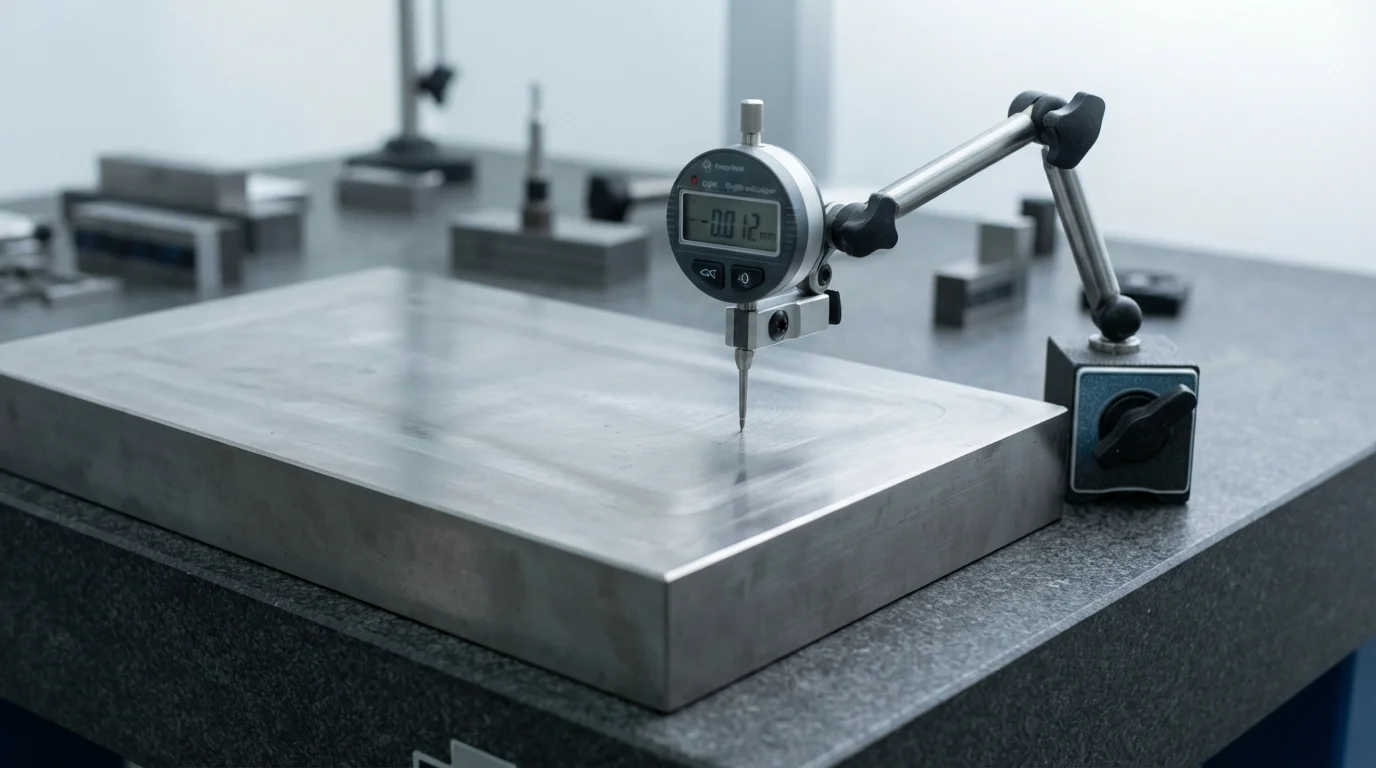
Die Forderung nach Mikro-Toleranzen bis zu ±0,01 mm erfordert langsame Maschinen-Finish-Durchgänge und ständige CMM-Messprüfungen. Die Lockerung von Nicht-Passungs-Spielen auf ±0,1 mm reduziert die Maschinenzeit und senkt die Gesamtkosten für das Werkzeug.
Warum sollten handbestückte Einsätze für Kleinserien-Spritzguss verwendet werden?
Das Ersetzen automatischer hydraulischer Schieber durch lose Stahleinsätze, die manuell in die Kavität eingelegt werden, spart $3.000 bis $8.000 pro Merkmal. Handbestückte Einsätze sind ideal für kleine Serien von 100 bis 2.000 Teilen, bei denen die Arbeitskosten des Bedieners günstiger sind als komplexe Formmechanismen.

