


Die Abwägung zwischen anfänglichen Investitionsausgaben und langfristigen Stückkosten stellt für Einkaufsleiter und Konstrukteure in der Phase der Produkteinführung (NPI) einen entscheidenden finanziellen Wendepunkt dar. Die Analyse der Kosten von Rapid Tooling vs. Produktionswerkzeugen zeigt klare Break-even-Schwellenwerte, bei denen weiche Aluminium- oder vorgehärtete Stahlformen den maximalen finanziellen ROI erzielen. Frühphasen-Hardware-Starts haben häufig keine vorhersehbaren Verkaufsmengen, was mehrkavitätengehärtete Stahlwerkzeuge zu einem riskanten finanziellen Glücksspiel macht, das wichtige Entwicklungs-Cashflows bindet. Die Beschaffung von Zwischenformen ermöglicht es Produktgruppen, die anfängliche Marktnachfrage sicher zu erfüllen und gleichzeitig die reale Polymerleistung zu testen.
Inhaltsverzeichnis
1. Vergleich der anfänglichen Investitionsausgaben
2. Stückpreise und Break-even-Berechnungen für Volumen
Vergleich der anfänglichen Investitionsausgaben
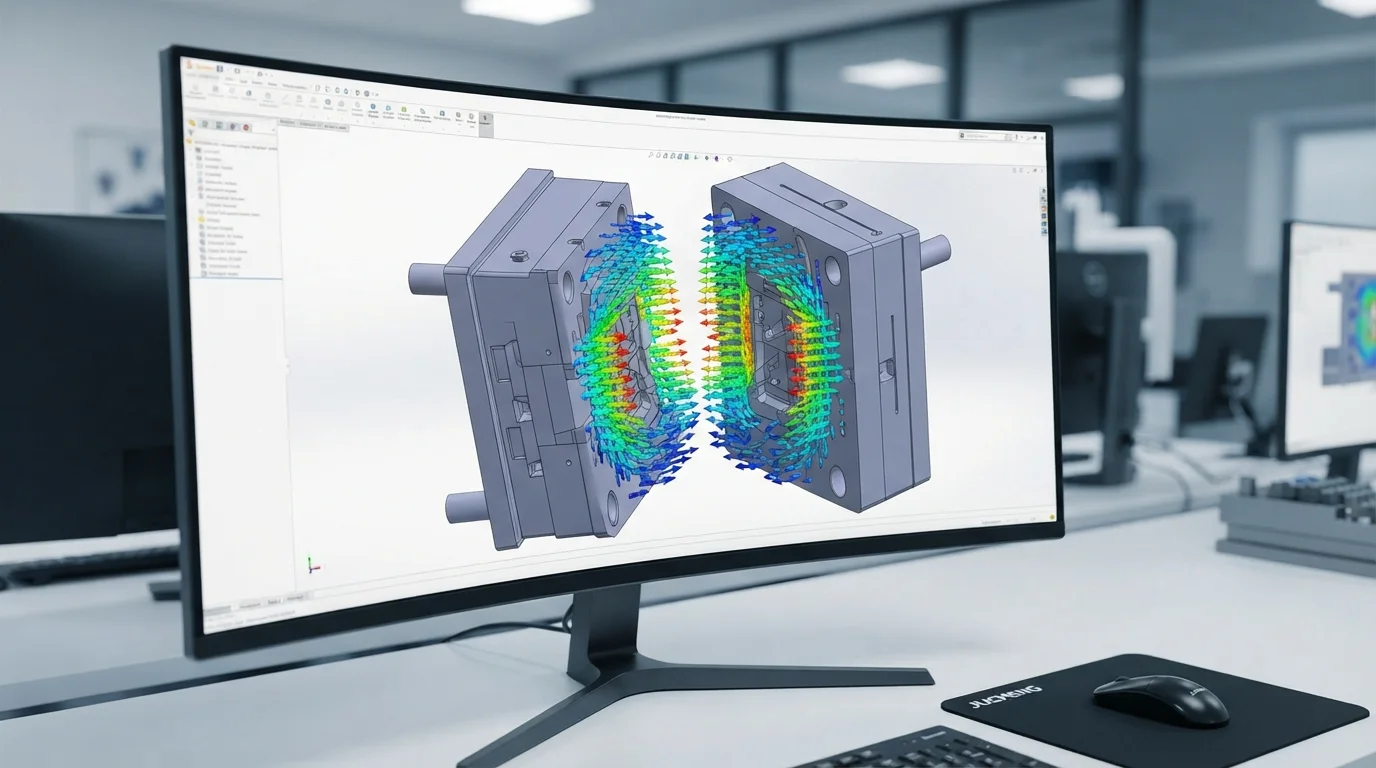
Frage: Warum kostet Rapid Tooling deutlich weniger als Produktionsstahlwerkzeuge? Rapid-Formen verwenden hochgradig zerspanbare weiche Metalle und modulare Unit-Die-Rahmen, wodurch langsame Funkenerosions-EDM-Stunden und die kundenspezifische Formenbasisfertigung entfallen.
Die Beschaffung eines dedizierten Schnellwerkzeugbau-Service Das Programm ermöglicht es Mechatronik-Gruppen, kostengünstig Tausende von funktionalen Kunststoffteilen herzustellen, ohne Zehntausende von Dollar in harte Stahlformen zu investieren. Traditionelle Produktionswerkzeuge basieren auf wärmebehandelten H13-Stahlkernen, die Monate langsamer subtraktiver Fräsbearbeitung, Vakuumhärtung und manueller Funkenerosion erfordern. Weichlegierungsformen aus AL7075 Aluminium oder vorgehärteten P20 Werkzeugstahl reduzieren die Kernbearbeitungsstunden um bis zu siebzig Prozent. Niedrigere anfängliche Investitionsausgaben ermöglichen es Startups, verbleibendes Kapital für Marketingkampagnen und Softwareoptimierung zu verwenden.
Die Analyse, wie die Wahl der Weichformkonstruktion die anfänglichen Kosten für Schnellwerkzeuge Rechnungen senkt, umfasst die Überprüfung mehrerer wichtiger Fertigungseffizienzen:
- Zerspanbarkeit von Weichlegierungen—Das Schneiden von Kernkavitäten aus Aluminium AL7075 oder vorgehärtetem P20-Stahl reduziert die CNC-Maschinenstunden um bis zu 70 Prozent
- Eliminierung komplexer EDM—Die Umgehung langsamer Funkenerosions-Elektrodenaufbauten reduziert die Arbeitsstunden in der Werkzeugmacherei erheblich
- Modulare MUD-Rahmennutzung—Die Wiederverwendung universeller Master-Formgrundplatten vermeidet Kosten für kundenspezifische äußere Formrahmen
Stückteilpreise und Break-Even-Berechnungen für Volumen
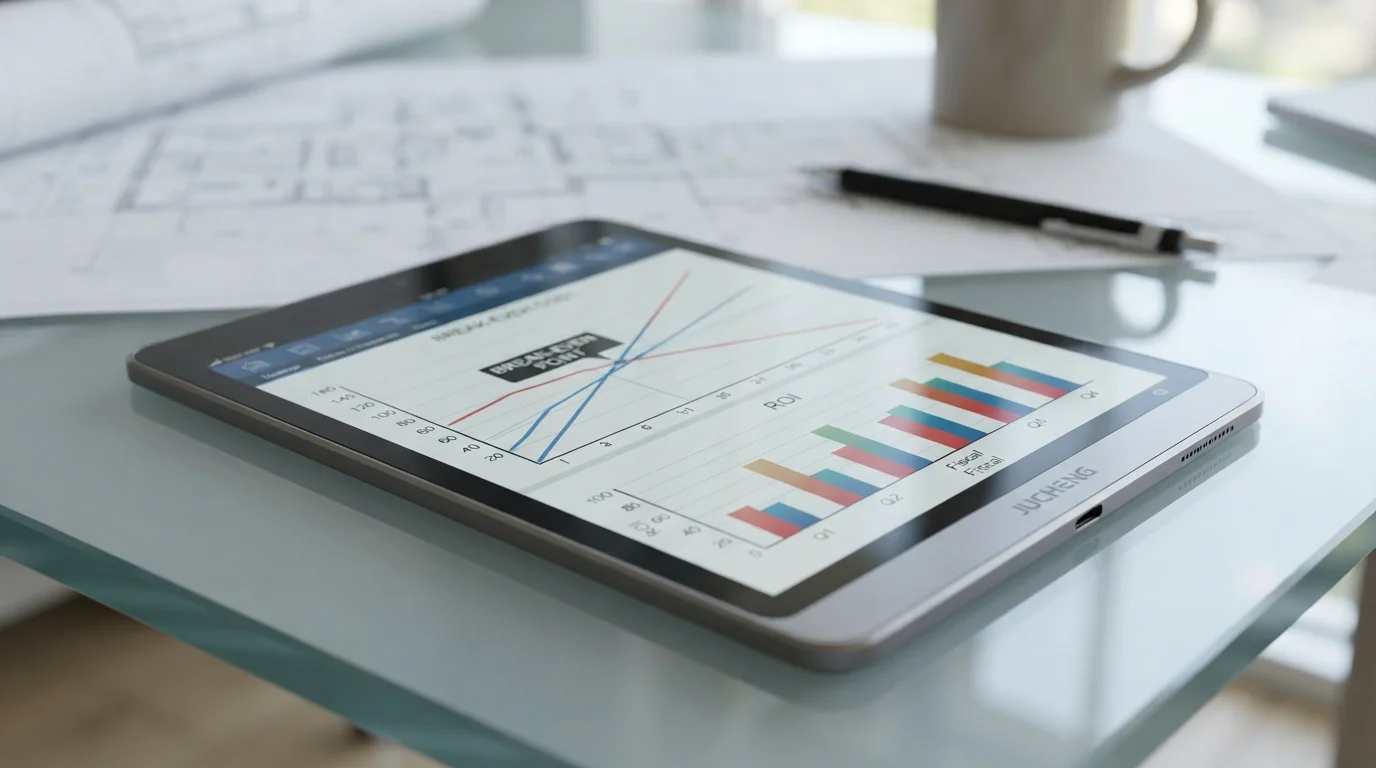
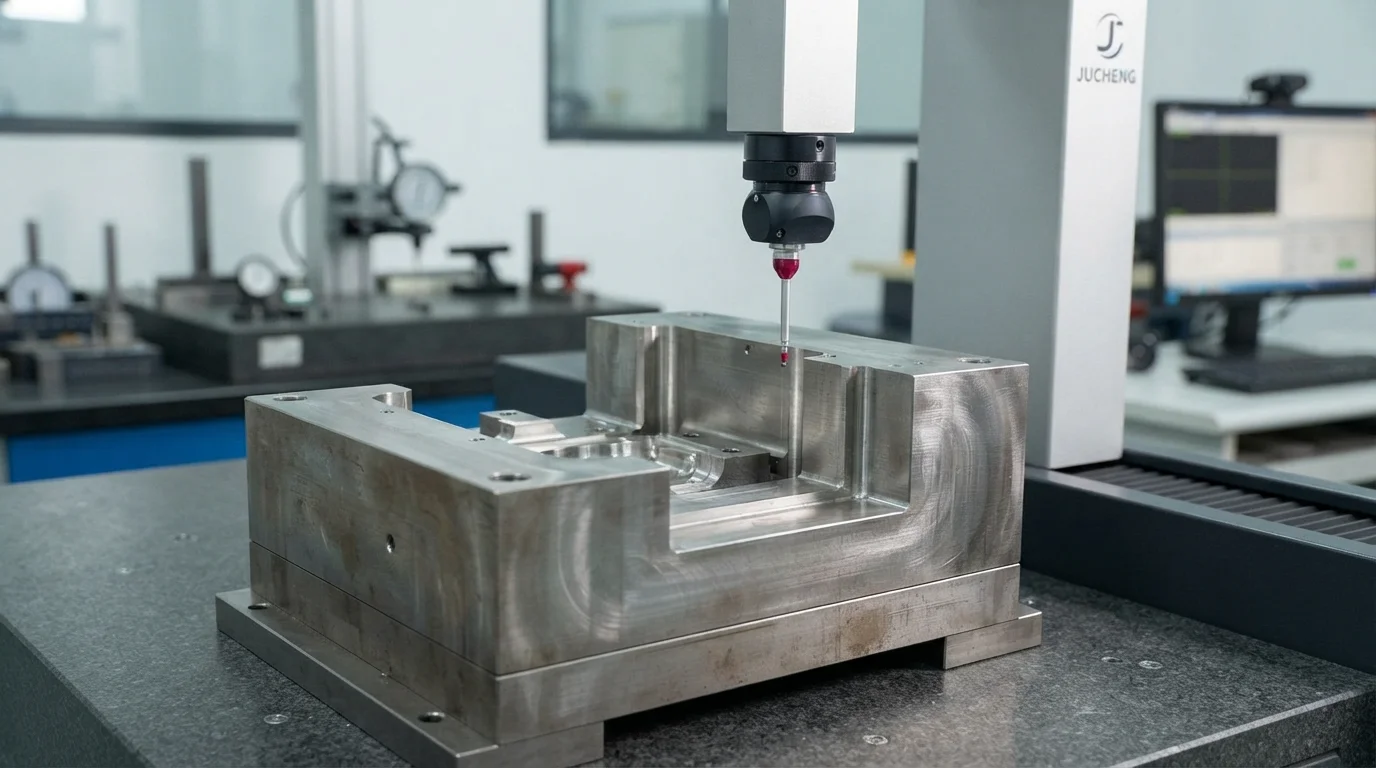
Frage: Ab welchem Produktionsvolumen wird Hartstahl-Werkzeug pro Teil günstiger als Rapid Tooling? Produktionsstahl-Werkzeug wird wirtschaftlicher, wenn die Jahresnachfrage 50.000 bis 100.000 Einheiten übersteigt, da niedrige Stückkosten die anfänglich hohen Investitionsausgaben ausgleichen.
Das Verständnis des wirtschaftlichen Wandels zwischen den Kosten von Rapid Tooling und Produktionswerkzeug erfordert die Berechnung, wie sich die anfänglichen Investitionsausgaben für Werkzeuge über Ihr Zielteilevolumen amortisieren. Für kurze Serien unter 10.000 Einheiten bietet Rapid Tooling weitaus geringere Gesamtbetriebskosten, da die anfänglichen Formeinsparungen geringe Stückpreisaufschläge überwiegen. Gehärtete Mehrfachkavitäten-Produktionsformen erreichen im Vergleich schnellere Kühlzykluszeiten und höhere Automatisierungsgrade, wodurch die Stückkosten bei der Produktion von Hunderttausenden von Einheiten gesenkt werden. Die frühzeitige Einholung finanzieller Überprüfungen hilft Produktmanagern, klare Volumenschwellen festzulegen, bevor sie Formmaterialien auswählen.
Die Auswahl der richtigen Werkzeugphilosophie erfordert die Abwägung von Rohstoffeigenschaften mit dem gesamten finanziellen Risiko. Diese technische Vergleichstabelle hebt grundlegende finanzielle und operative Kennzahlen für verschiedene Formoptionen hervor:
| Werkzeugoption | Anfänglicher Form-CapEx | Stückteilpreis (OpEx) | Ideales Produktionsvolumen |
|---|---|---|---|
| Rapid Tooling (Aluminium) | Niedrig ($2.000 – $8.000) | Moderat (halbautomatische Zyklen) | 100 bis 10.000 Einheiten (NPI & Brückenläufe) |
| Brückenwerkzeug (P20-Stahl) | Mittel ($5.000 – $15.000) | Niedrig bis mittel (automatisierte Läufe) | 5.000 bis 50.000 Einheiten (Marktvalidierung) |
| Produktionswerkzeug (H13-Stahl) | Hoch (25.000 – 100.000+) | Niedrigste (Vollautomatische Mehrfachkavität) | 100.000+ Einheiten (extreme Massenfertigung) |
Risikominderung und gestaffelte Produktionsskalierung
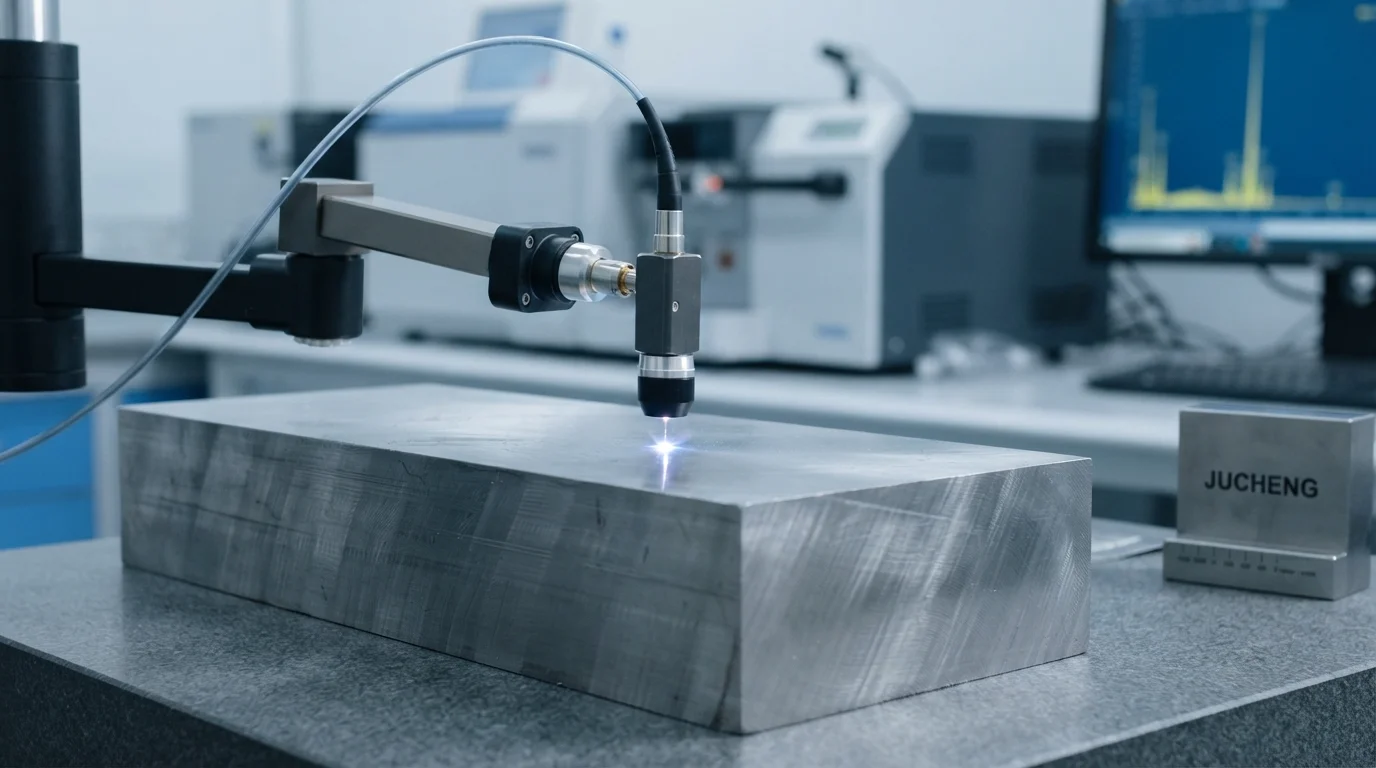
Frage: Wie mindert Rapid Tooling das finanzielle Risiko bei Hardware-Einführungen? Die Beschaffung von Weichformen ermöglicht es Entwicklern, echte Produktionspolymere in realen Märkten zu testen, bevor sie schwere Investitionsausgaben für Hartstahl-Werkzeuge festlegen.
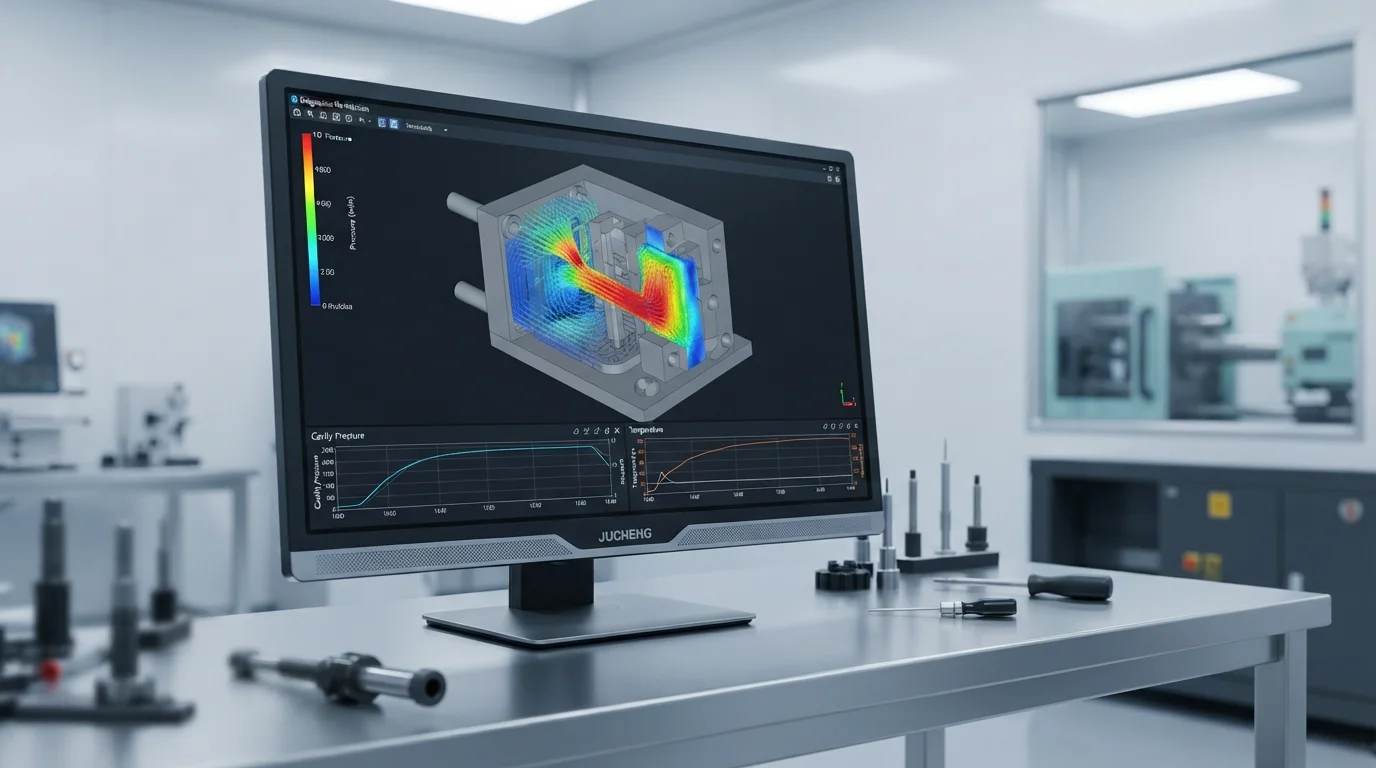
Die Bewertung der Kostenpfade von Rapid Tooling vs. Produktionswerkzeug zeigt, dass die Staffelung Ihrer Werkzeuginvestition Ihr Unternehmen vor Verzögerungen bei der Marktakzeptanz schützt. Die Beschaffung funktionaler CNC-Bearbeitungsservice Teile oder Weichmetallformen ermöglichen es Konstruktionsteams, Designs mit echten technischen Thermoplasten wie ABS, Nylon (PA), oder Polycarbonat (PC). Das präzise Schneiden von CAD-Dateien ermöglicht es erfahrenen Werkzeugbauern, Trennlinien, Entformungsschrägen und Wandstärken mit fortschrittlicher Formfüllsimulationssoftware zu analysieren. Die frühzeitige Beschaffung physischer Validierungsmodelle stellt sicher, dass Ihr Startup katastrophale Konstruktionsfehler vermeidet, bevor größere Kapitalressourcen gebunden werden.
Jucheng Precision betreibt eine vollständig integrierte Fabrikeinrichtung mit mehrachsigen Bearbeitungszentren und Präzisions- Spritzguss-Service pressen. Die Fabrikingenieure führen umfassende 24-Stunden-kostenlose DFM Überprüfungen durch, um Angusslagen, Trennfugen und Entformungsschrägen zu optimieren, bevor Metall geschnitten wird. Beschaffung funktionaler Prototypenservice Teile oder Weichmetallformen ermöglichen es Konstruktionsteams, Designs zu validieren, bevor sie sich der Serienproduktion in hohen Stückzahlen zuwenden. Zu den wichtigsten betrieblichen Vorteilen der gestuften Produktionsskalierung gehören:
- Kostenlose DFM-Überprüfungen rund um die Uhr—Werksingenieure bewerten Trennlinien, Angussstellen und Entformungsschrägen, bevor sie das Kernmetall schneiden
- Zertifizierte Qualitätsmanagementsysteme—Nach ISO 13485 und IATF 16949 zertifizierte Einrichtungen gewährleisten vollständige Materialrückverfolgbarkeit und Teilewiederholbarkeit
- Fertigungsstätten unter einem Dach—Die interne Werkzeugherstellung und Spritzgießpressen beseitigen Kommunikationslücken zwischen Lieferanten
Die Partnerschaft mit einem zertifizierten Hersteller hilft Ihnen, den Übergang von frühen visuellen Modellen zu Kleinserien-Brückenwerkzeugen nahtlos zu bewältigen. Die manuelle Einholung von Angeboten stellt sicher, dass erfahrene Ingenieure Ihre 3D-STEP-Dateien analysieren, um weitere Möglichkeiten zur Optimierung Ihrer Kostenentscheidungen zwischen Rapid Tooling und Produktionswerkzeugen zu finden. Kundenspezifische Komponenten werden strengen Koordinatenmesstechnischen Prüfungen unterzogen, um die genaue Einhaltung der Maße zu bestätigen. Die Beschaffung hochwertiger Prototypen stellt sicher, dass Ihre Konstruktionen so gebaut sind, dass sie starken dynamischen Kräften sicher standhalten.
Häufig gestellte Fragen (FAQ)
Wie viel billiger ist Rapid Tooling als Produktionswerkzeuge?
Die anfängliche Formenherstellung für das Schnellwerkzeug kostet typischerweise 40 % bis 70 % weniger als gehärtete Stahlproduktionswerkzeuge. Weiche Aluminium- oder vorgehärtete Stahlkerne lassen sich auf CNC-Fräsmaschinen viel schneller bearbeiten und umgehen dabei langsame Senkerodiermaschinenstunden vollständig.
Wann sollte ein Hardware-Startup zu gehärteten Stahlproduktionsformen übergehen?
Der Übergang zu gehärteten Stahlwerkzeugen wird empfohlen, wenn Produktdesigns zu 100 % eingefroren sind und der jährliche Teilebedarf 50.000 bis 100.000 Einheiten übersteigt. Hohe Produktionsmengen rechtfertigen die anfänglichen Investitionsausgaben für Stahlformen, indem sie niedrigere Stückkosten pro Teil liefern.
Können Rapid-Tooling-Formen Teile herstellen, die den Normen ISO 13485 und IATF 16949 entsprechen?
Rapid-Molds, die in zertifizierten Einrichtungen betrieben werden, produzieren Teile aus produktionsgerechten Harzen, die vollständig den Qualitätsmanagementnormen für Medizin- und Automobilindustrie entsprechen. Vollständige Materialzertifikate und CMM-Inspektionsberichte gewährleisten die vollständige Rückverfolgbarkeit über Kleinserien hinweg.

