


Medical device biocompatibility testing supports an evaluation of the device’s interaction with the body under its intended contact conditions. It is not simply a pass-or-fail certificate attached to a raw material. Machining, molding, additives, coatings, cleaning, assembly and sterilization can affect the state of the component that actually reaches the patient or a relevant contact pathway.
The device owner and qualified biological-evaluation specialists should determine the appropriate strategy and evidence. A component manufacturer contributes material identity, process information and representative hardware. This article explains that manufacturing contribution; it does not prescribe a universal test panel or claim that Jucheng performs every biological test.
Separate Three Claims That Are Often Confused
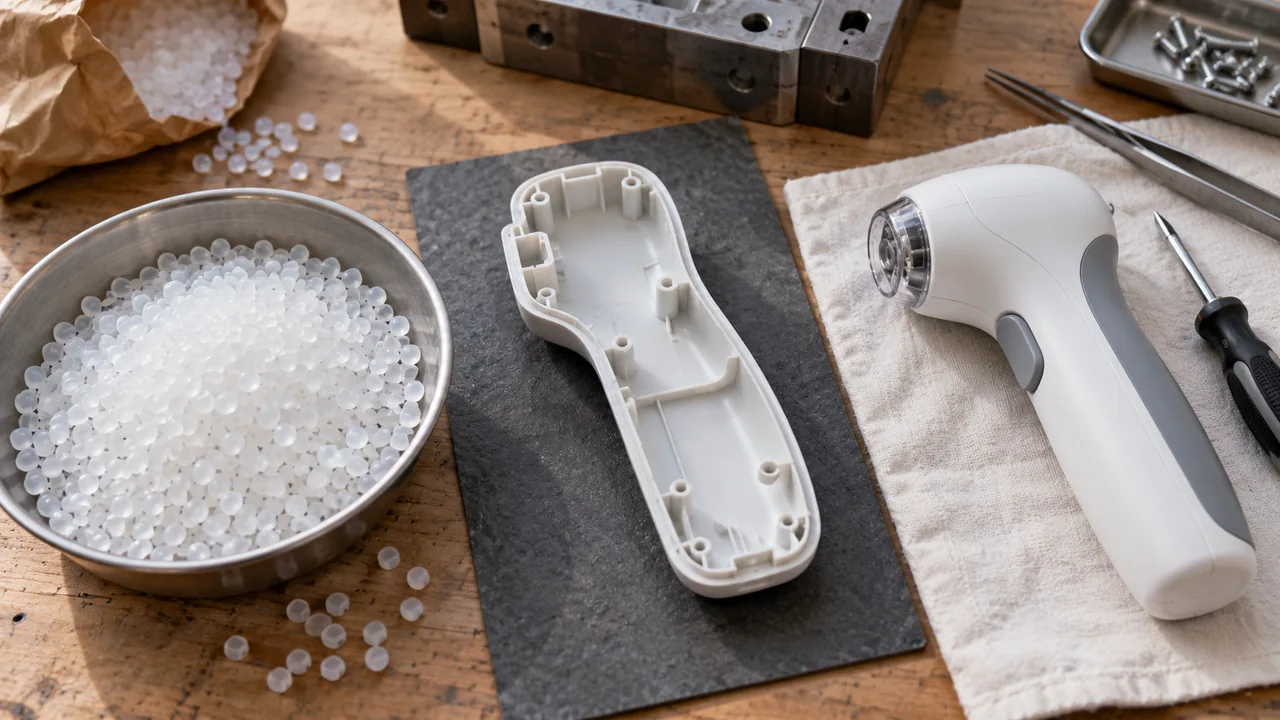
The first claim concerns a material under specified conditions. The second concerns a manufactured component with its processing history. The third concerns the finished device in its intended use. Evidence can support a relationship between these levels, but they are not automatically equivalent.
A resin supplier’s report may concern a particular formulation and sample preparation. A machined component may include residue or a surface treatment not represented by that report. The finished device may add adhesive, seals and an exposure sequence that changes the evaluation further.
| Evidence level | Useful information | Question that remains |
|---|---|---|
| Raw material or grade | Formulation identity and stated supporting data | Does the evidence cover the processed component? |
| Manufactured component | Geometry, material and manufacturing history | Does it represent the final assembly and exposure? |
| Finished device | Intended configuration and contact context | Is the evaluation adequate for the device’s intended use? |
Start with the medical device materials decision, then preserve the link to the finished state. Do not use a familiar material family as a shortcut around the component’s actual processing and contact conditions.
Describe Contact Before Choosing the Evidence
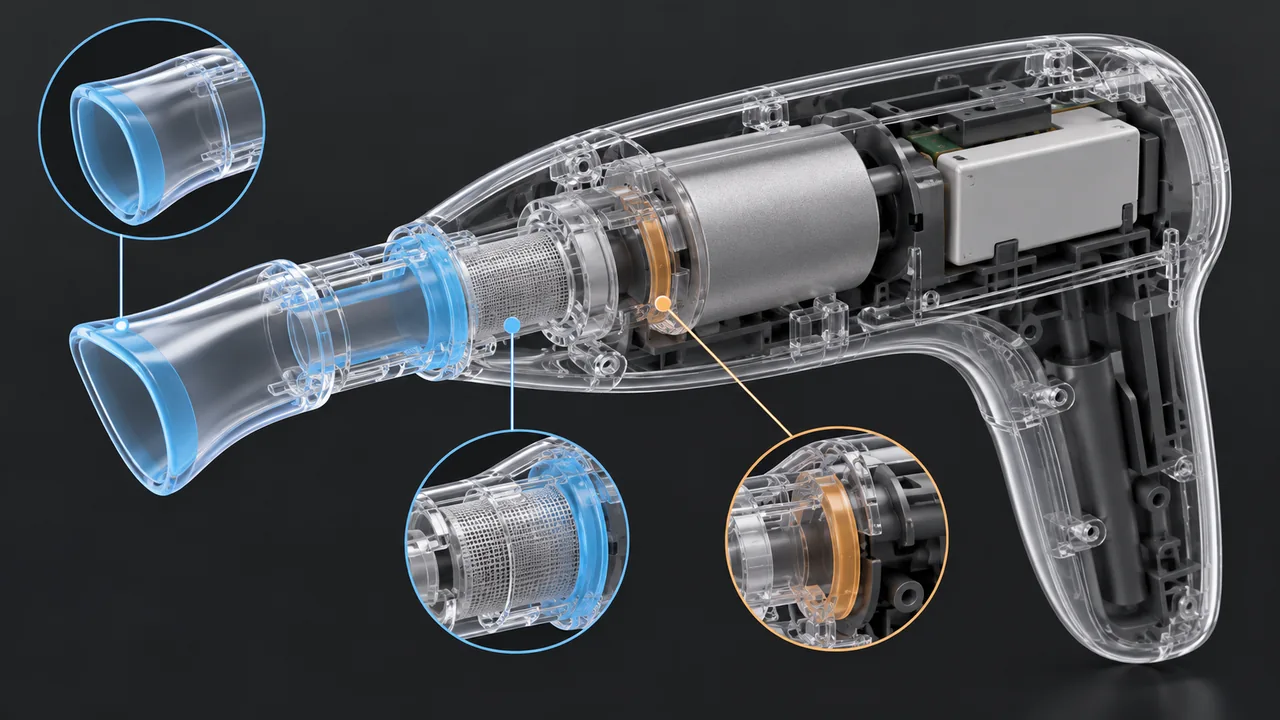
Identify what contacts the patient, what the contact involves and how long it occurs. A component outside the device can have a different role from a component in a fluid pathway. Indirect contact should not be dismissed merely because the part does not physically touch tissue.
Die FDA endpoint resource organizes evaluation considerations by device category and contact context. Use this as part of a qualified assessment, not as a shopping list that automatically requires the same tests on every component.
Provide accurate intended-use information to the specialists. If the development team changes the contact duration or configuration, review whether the previous evidence still represents the new use. A manufacturing supplier cannot responsibly infer these clinical-use details from a CAD model.
Separate biological evaluation from mechanical compatibility. A component can meet a dimensional or strength requirement while presenting a different biological question. Likewise, favorable biological evidence does not prove that a latch, seal or support will perform its physical function.
Trace What Manufacturing Adds and Removes

Create a process map for relevant materials and substances. Include resin additives, machining fluids, release aids where used, finishing chemistry, adhesives, cleaning agents and protective handling. Record what remains intentionally and what should be removed before release.
Distinguish the final surface from the starting material. A coated metal component presents the coating at some locations and perhaps exposed substrate at others. A treated polymer may have a surface that differs from the original molded part. The evaluation must account for the relevant presented state.
Für 3D-printed parts, the formulation, printer workflow, washing and post-cure are important manufacturing information. A part that looks complete can still differ from the state represented by the supplier’s documentation.
Capture subcontracted work. If a surface treatment or cleaning operation is external, obtain the agreed information rather than leaving a gap in the history. The objective is not to gather every document available, but to identify the facts needed to evaluate the relevant material and process risks.
Avoid an Uncontrolled Development Substitute
A substitute material may be useful for early fit trials, but it should not quietly become the test article for a finished-material question. Label development differences and confirm which sample configuration the evaluation requires before manufacturing it.
Make the Test Article Representative and Identifiable
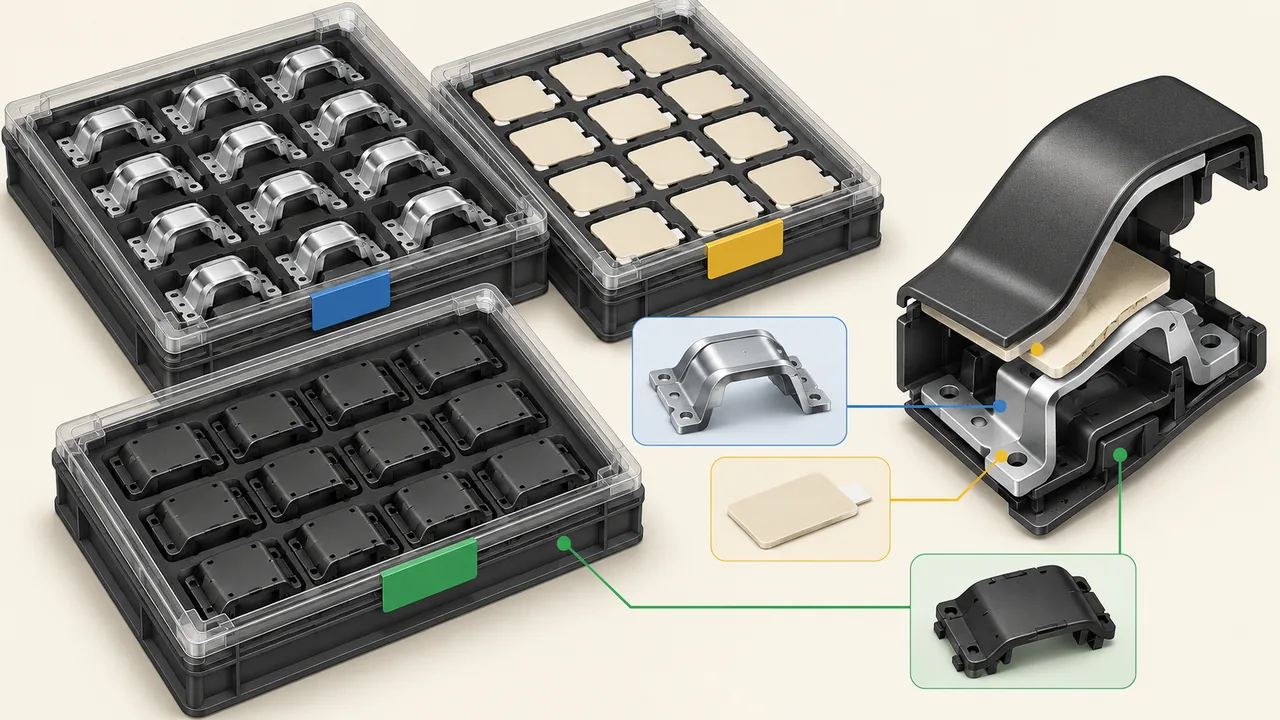
The protocol should explain how the test article compares with the proposed device. Identify geometry, material, surface area where relevant, processing and final exposure. Qualified specialists must decide whether a component, assembled device or another justified configuration is appropriate.
Keep sample identity through production and shipment. Record lot and revision information and avoid mixing visually similar variants. If samples are handled differently from routine production, disclose the difference so the team can assess its significance.
Die FDA biocompatibility resource center explicitly connects test-article documentation with processing, sterilization and formulation changes. This supports a practical rule: the evidence needs a defined configuration, not an anonymous bag of nominally medical-grade parts.
Consider worst-case selection carefully. The most difficult geometry for cleaning is not automatically the most appropriate representative for every biological endpoint. Establish a rationale for the selected article and document what variants and processing states it covers.
Use Existing Evidence Without Extending It Beyond Its Scope
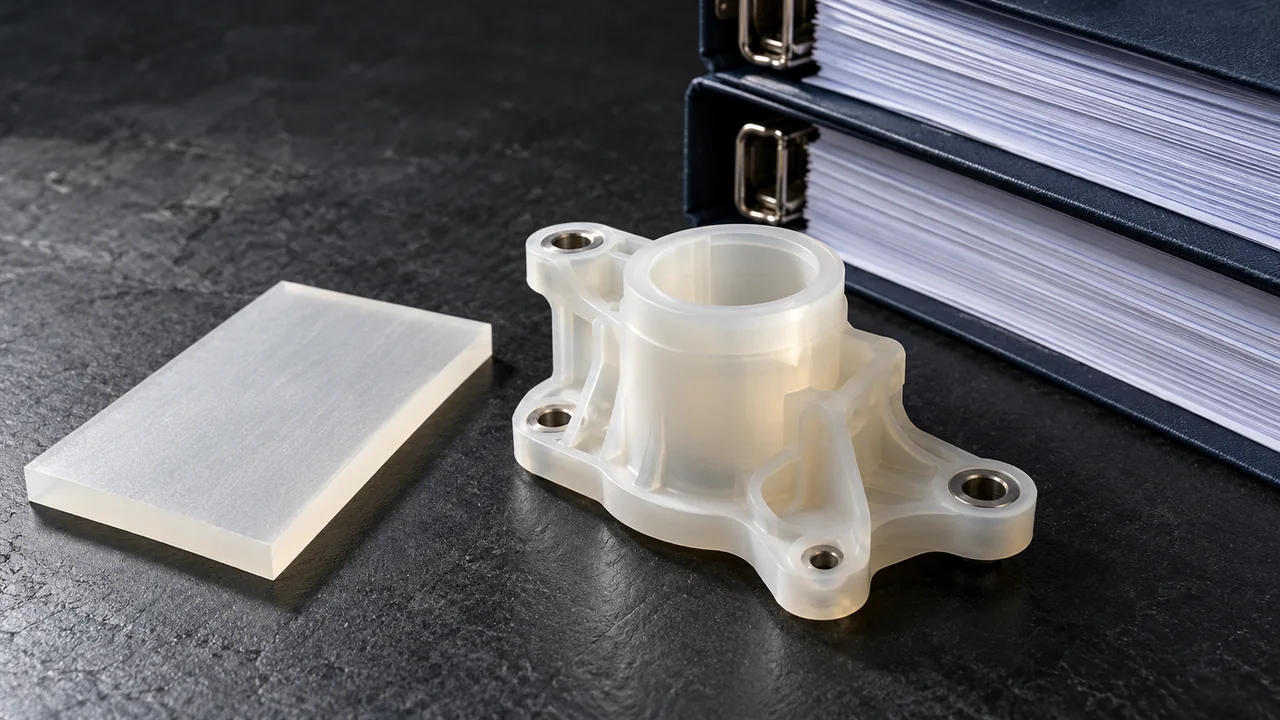
Material data, supplier reports, chemical characterization and prior device information may contribute to an evaluation where justified. Biological evaluation is not always a requirement to repeat every possible test; the responsible specialists should determine how available evidence addresses the relevant risks and gaps.
Check formulation identity and documentation scope. A generic polymer name may conceal different additives or grades. An old report may concern a material or process that no longer matches procurement. Verify the relationship before relying on it.
Avoid an unsupported conclusion that a coating solves all substrate concerns. Coverage, adhesion, wear and the finished device’s contact can matter. If the surface changes during use, the evaluation may need to account for that condition rather than only a pristine sample.
Use the existing biocompatible materials article for broader material selection. The present page’s purpose is the evidence chain from material through manufacturing to the evaluated article, not another ranking of supposedly safe materials.
Keep the Evaluation Connected to Change Control
Material substitutions, new pigments, altered cleaning, revised cure or a different sterilization route can affect the basis of the evaluation. Establish notification and assessment requirements before those changes occur. A part number remaining unchanged does not prove that the underlying material system is unchanged.
The component supplier should provide the agreed records and maintain the approved manufacturing route. The device owner should assign the biological-evaluation and regulatory responsibilities and decide what further evidence is required. Include specialist laboratories where the agreed strategy calls for their work.
For a Jucheng project, explain the component’s contact role and final-state requirements alongside CAD and quantity. Confirm material documentation, sample preparation and the available fabrication route. This makes manufacturing a useful contributor to the evaluation without implying that a component quote includes finished-device approval.
Must Every Component Have Its Own Complete Test Panel?
Not automatically. The evaluation should be justified for the device, contact and available evidence. Qualified specialists decide whether separate component tests, finished-device tests or other evidence appropriately address the relevant endpoints.
Can We Change the Cleaning Route After Testing?
Only through an appropriate impact assessment and controlled decision. Cleaning can affect the substances remaining on the part. Determine whether existing evidence still represents the revised state and what additional work is needed before release.