


Materialien für medizinische Geräte: Biokompatibilität und Auswahl
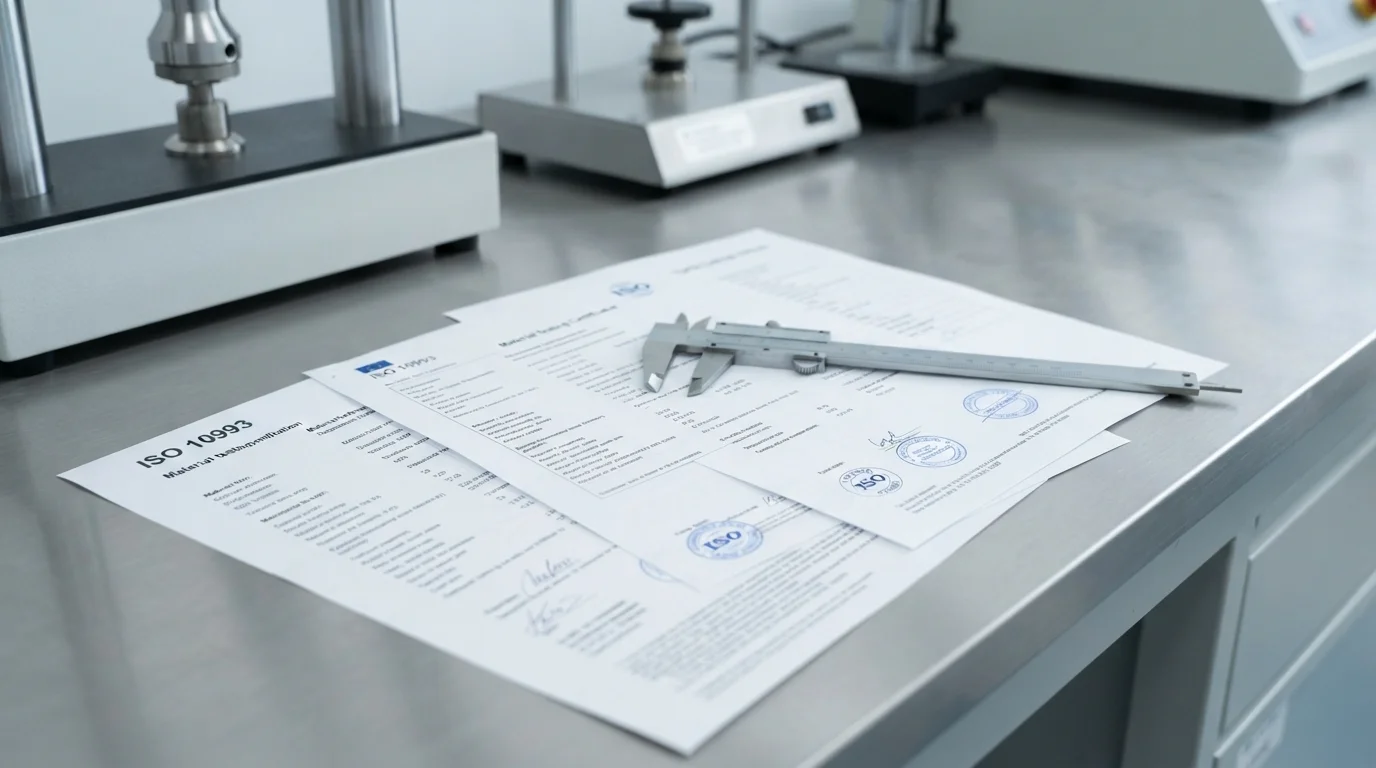
Specifying the ideal raw substrate for healthcare technology represents a critical juncture where biological safety intersects with mechanical survival. When biomedical engineering teams develop surgical handpieces, cardiovascular diagnostic cassettes, or permanent orthopedic implants, selecting certified medical device materials dictates whether a product passes stringent cytocompatibility and cytotoxicity screenings. Sourcing uncertified alloys or low-grade polymers introduces chemical leaching risks that instantly derail international regulatory approvals.
Utilizing an experienced production partner ensures that high-strength titanium (Ti-6Al-4V ELI) and high-performance PEEK polymers survive continuous chemical and thermal exposure. Let us examine the material properties, biocompatibility frameworks, and sterilization compatibilities that drive modern medical hardware manufacturing.
Module 1 – Definition and Working Principles of Biocompatible Material Science
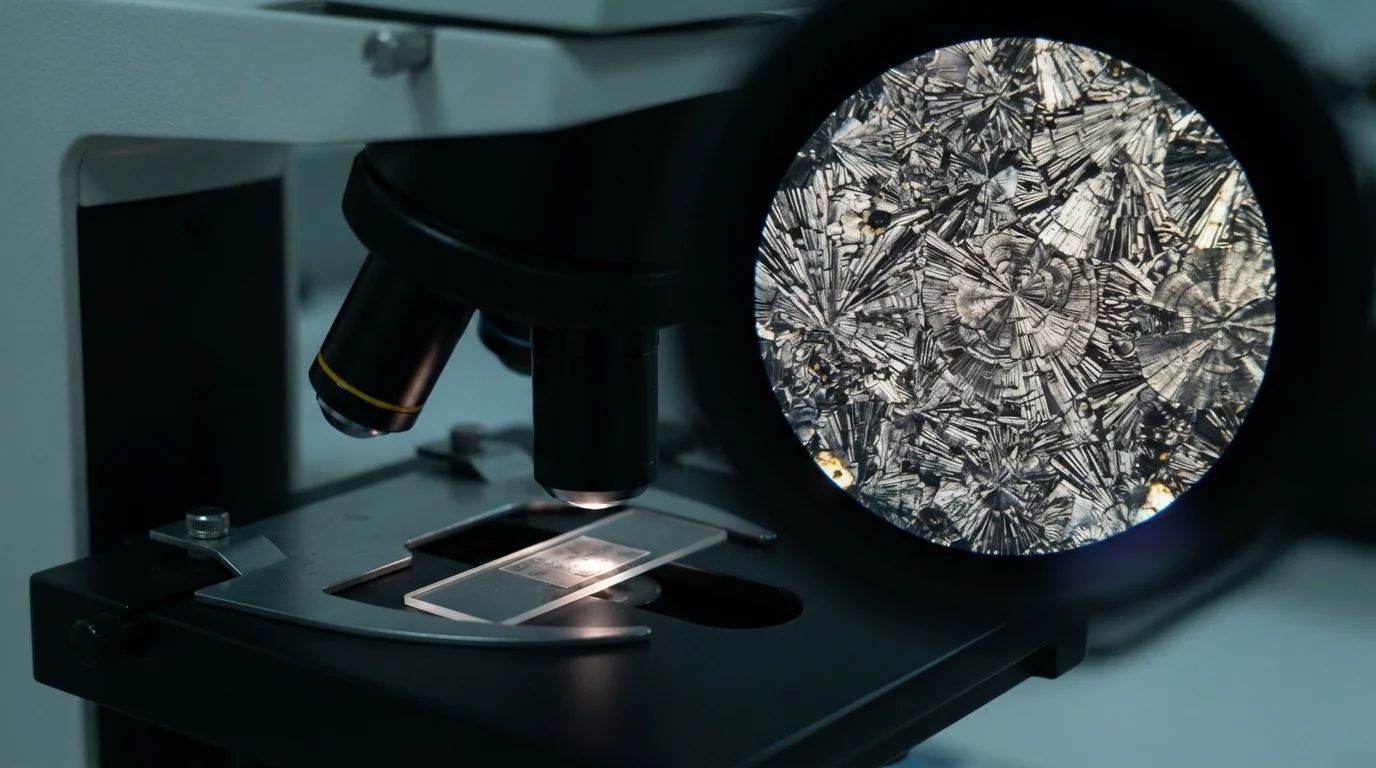
Biomaterial science evaluates the biological response and mechanical stability of synthetic substrates placed in direct or indirect contact with living human tissue. The working principle relies on biological inertness—ensuring the substrate does not provoke adverse immune, toxic, or inflammatory reactions over specified exposure durations. While structural metals are typically formed via precision CNC-Bearbeitung, delicate fluid cassettes and soft seals depend on cleanroom medical injection molding to maintain chemical purity.
To execute a structured material selection protocol for clinical applications, engineering teams could follow these practical steps:
- Biocompatibility Screening: Verify that raw resins and metal ingots comply fully with ISO 10993 cytotoxicity, sensitization, and systemic toxicity guidelines.
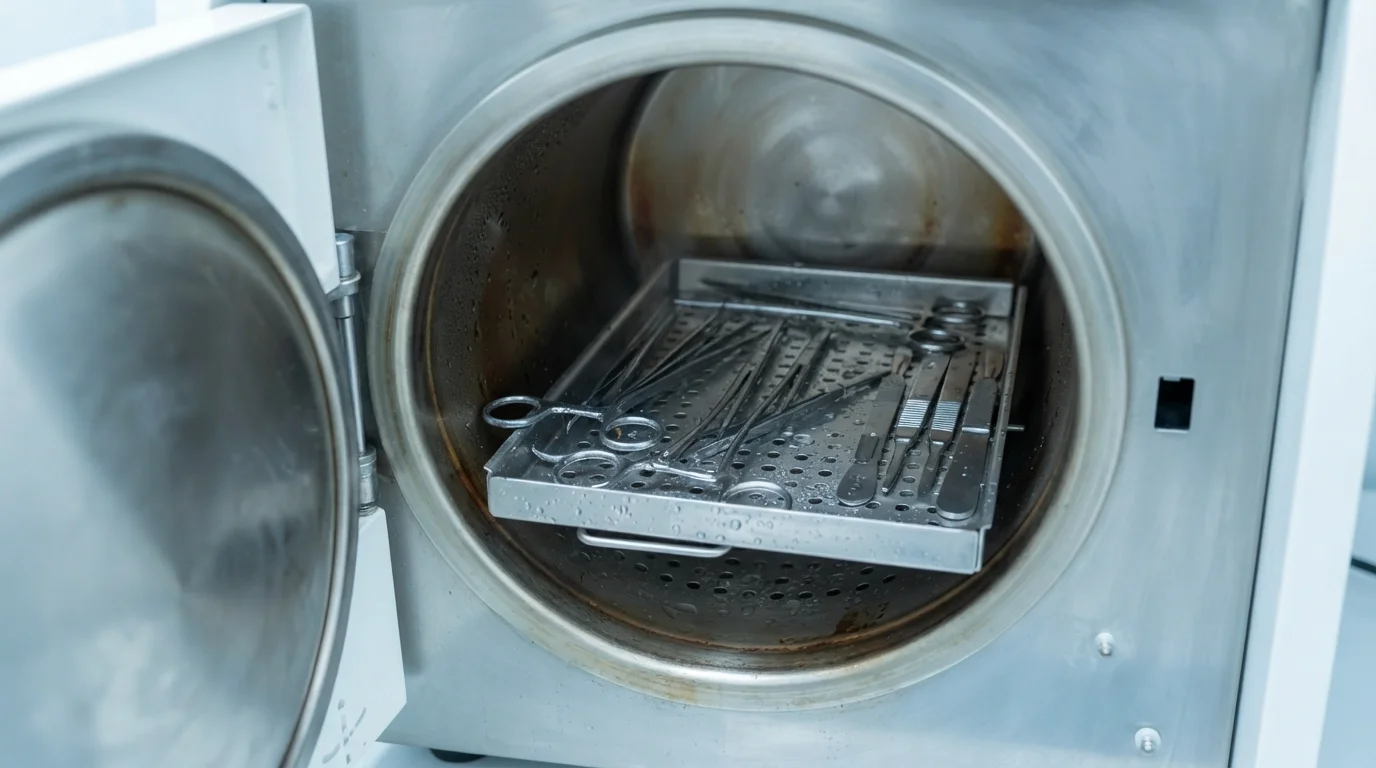
- Sterilization Method Mapping: Align polymer heat deflection thresholds with autoclave steam (134°C), Gamma irradiation, or Ethylene Oxide (EtO) gas protocols.
- Lot Traceability Auditing: Demand mill test certificates and chemical Certificates of Analysis (CoA) from certified raw material suppliers.
Modul 2 – Kernanwendungsszenarien
Deploying specialized clinical substrates is mandatory across surgical robotics, orthopedic reconstruction, and automated diagnostic fluidic chips where material degradation directly compromises patient care. When healthcare pioneers design next-generation endoscopic cameras, selecting certified medical device materials guarantees chemical resistance against harsh hospital cleaning disinfectants. Feedback from biomedical engineering groups on Reddit and Facebook highlights that matching polymer elasticity to human bone modulus accelerates post-operative recovery.
Zu den primären Anwendungsbereichen gehören:
- Orthopedic Implants: Machining titanium spinal cages and cobalt-chrome joint replacements requiring high fatigue limits and natural bone-ingrowth surfaces.
- Surgical Handpieces: Fabricating autoclave-safe tool bodies using medical-grade 316L stainless steel and high-impact Polycarbonat (PC).
- Fluidic Cassettes: Molding transparent diagnostic reservoirs from optical medical ABS and flexible liquid silicone rubber (LSR) seals.
Modul 3 – Wichtige Auswahlfaktoren für den Projekterfolg
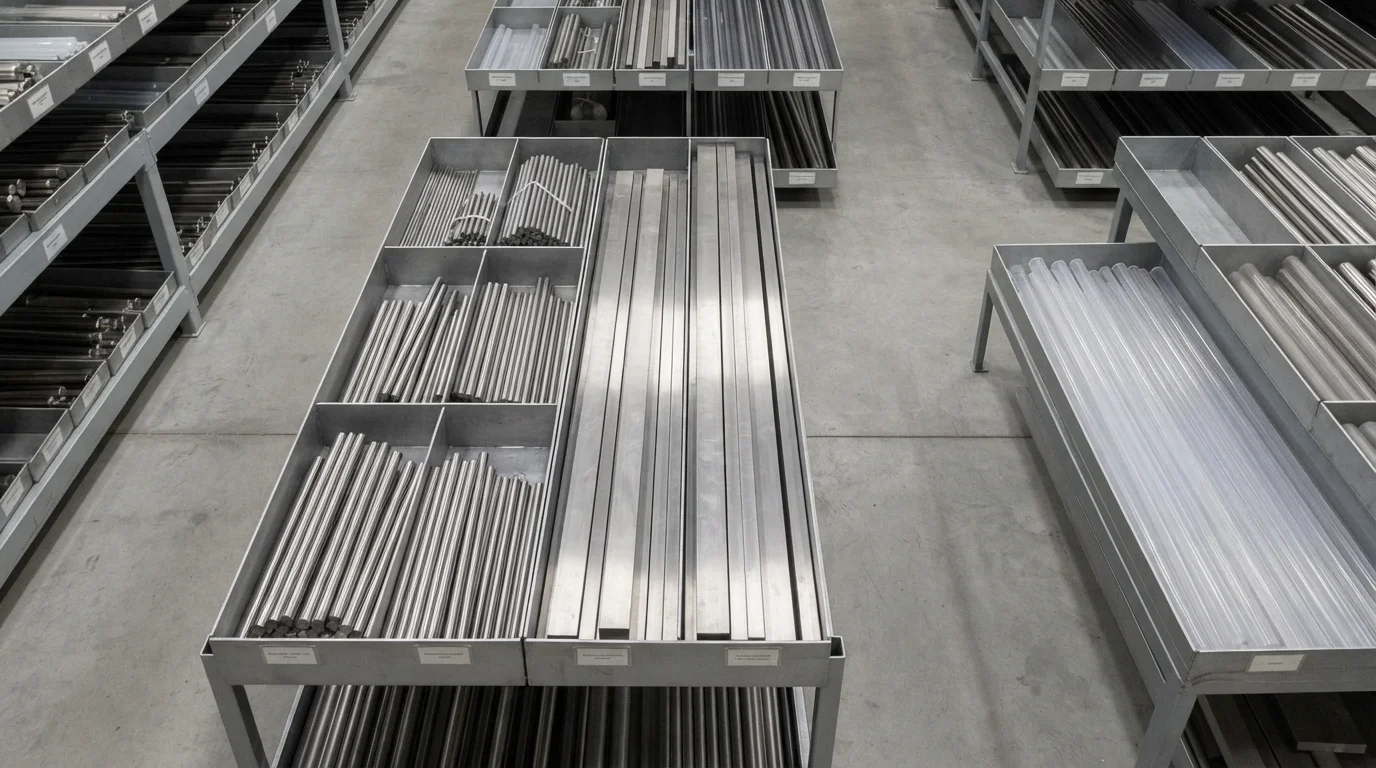
When specifying substrates for healthcare hardware, engineering teams must evaluate mechanical tensile strength, chemical inertness, and specific sterilization resistance. Evaluating these core parameters ensures your medical devices withstand aggressive operating room sterilization routines.
| Materialgüte | Sterilisationskompatibilität | Primary Clinical Benefit |
|---|---|---|
| Titan Ti-6Al-4V ELI | Autoclave, Gamma, EtO, E-Beam | Superior osseointegration, high strength-to-weight, fully inert |
| Medizinisches PEEK | Autoclave (134°C steam), Gamma, EtO | Elastic modulus matches human cortical bone, radiolucent |
| Medizinisches Polycarbonat (PC) | EtO Gas, Gamma radiation | High optical transparency for fluid monitoring, impact resistant |
Modul 4 – Installations- und Wartungstipps
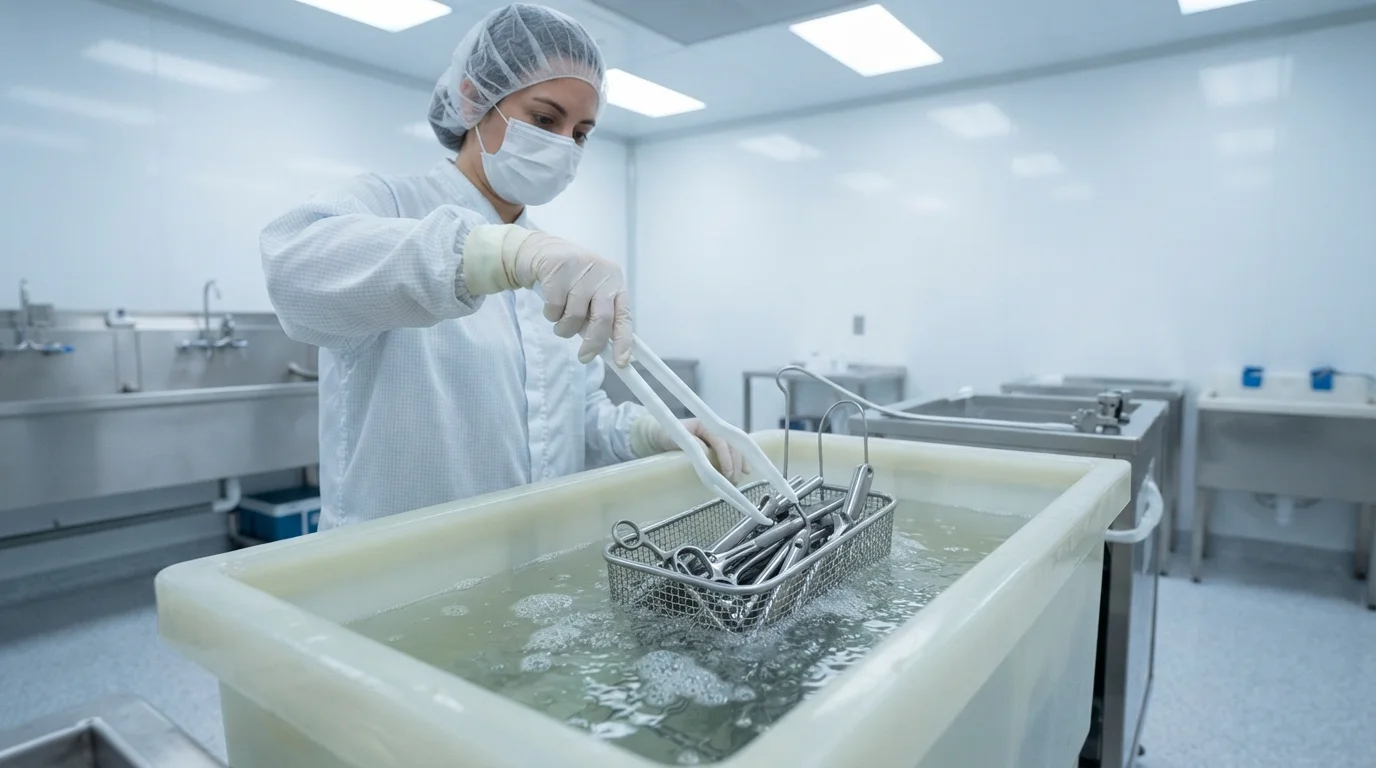
Proper cleanroom decontamination, surface passivation, and regular sterilization audits safeguard material integrity across demanding clinical service lives. Protecting raw metallic and polymer surfaces from cross-contamination ensures uninterrupted patient safety.
Wichtige Installations- und Wartungstipps umfassen:
- Nitric Acid Passivation: Subject surgical stainless steel instruments to chemical passivation baths to remove free iron and prevent surface pitting.
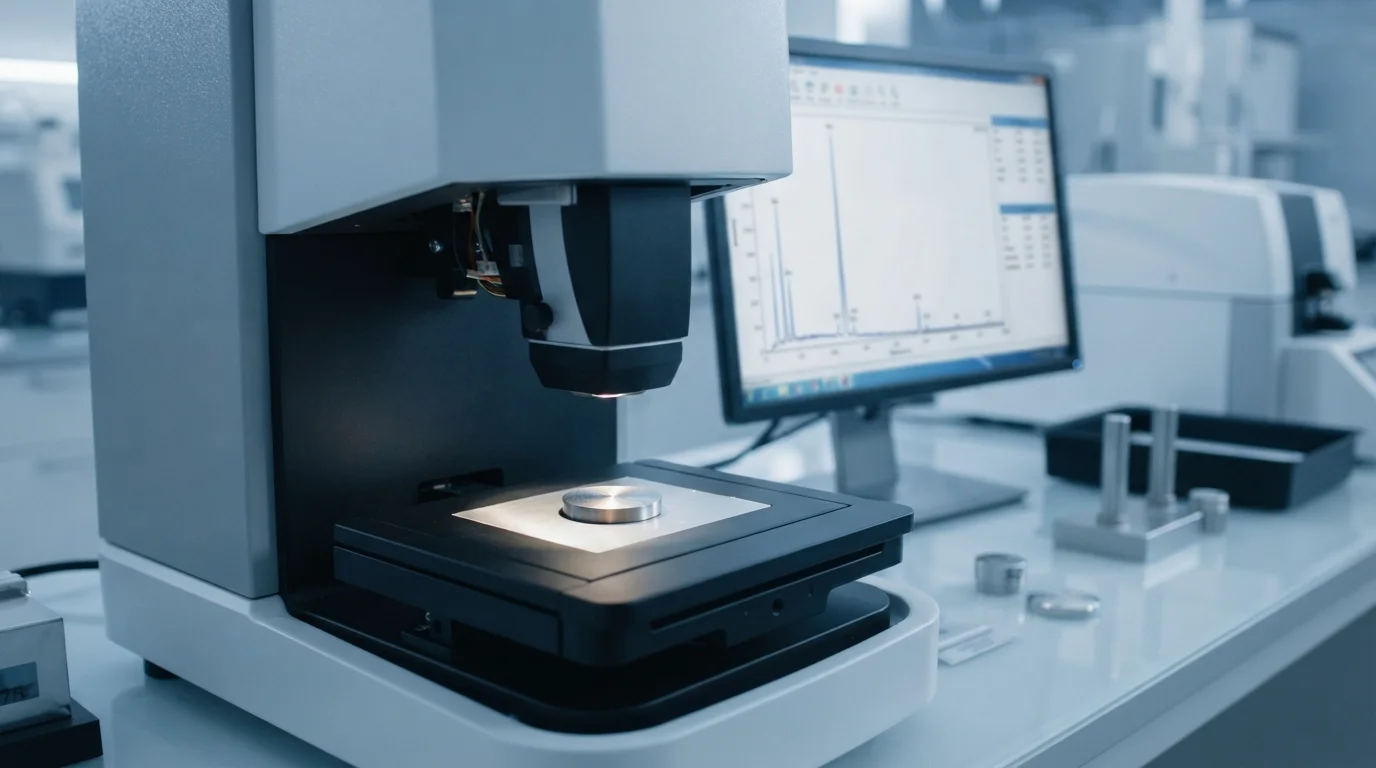
- Autoclave Cycle Auditing: Inspect polymer seals made from TPU or silicone periodically under magnification to verify resilience against high-pressure steam.
- Cleanroom Segregation: Store medical-grade raw resin pellets and metal bars in climate-controlled, dust-free holding bays to prevent particulate contamination.
Modul 5 – Häufig gestellte Fragen (FAQ)
1. Why is PEEK so widely used in medical devices and implants?
PEEK is biologically inert, withstands temperatures up to 250°C, resists repeated autoclave steam sterilization, and has an elastic modulus closely matching natural human bone.
2. What is the difference between standard 316 stainless steel and 316L medical grade?
316L contains significantly lower carbon content (less than 0.03%), which prevents carbide precipitation during welding and substantially improves corrosion resistance in bodily fluids.
3. What international standard governs biological evaluation of medical materials?
ISO 10993 is the global standard framework used to evaluate cytotoxicity, sensitization, irritation, hemocompatibility, and implantation effects for medical devices.
4. Can medical-grade polycarbonate survive repeated autoclave sterilization?
Standard polycarbonate degrades under high-pressure steam autoclaves; it is best sterilized via Gamma radiation or Ethylene Oxide (EtO) gas to prevent micro-cracking and hazing.
5. Why is titanium Ti-6Al-4V ELI preferred for permanent orthopedic implants?
The “Extra Low Interstitial” (ELI) grade contains reduced oxygen and iron impurities, providing superior fracture toughness and fatigue resistance for load-bearing bone implants.
6. How does Jucheng Precision guarantee raw material traceability?
Jucheng Precision maintains 100% lot traceability, providing authentic mill test certificates and chemical Certificates of Analysis (CoA) for all medical-grade metals and resins under ISO 13485 quality systems.
Modul 6 – Warum JUCHENG für Ihr Projekt wählen
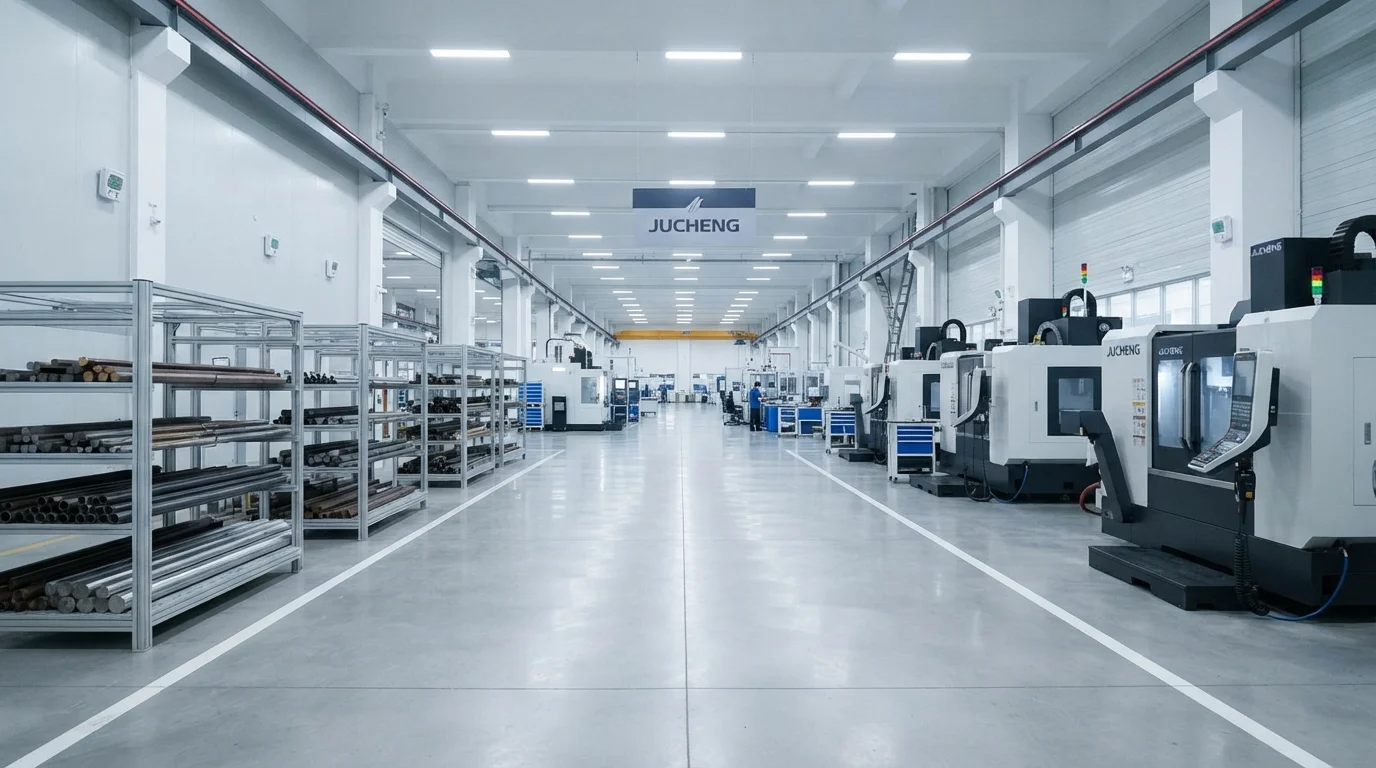
Achieving uncompromising clinical performance requires an experienced manufacturing partner with robust material compliance infrastructure. JUCHENG supports healthcare innovators by delivering comprehensive 24-Stunden-kostenlose DFM reviews that analyze chemical resistance, sterilization suitability, and mechanical tolerances prior to cutting metal or cutting mold cavities. Founded in Shenzhen in 2012 with an 8,000-square-meter facility in Dongguan, our factory houses 150+ advanced machines, including 25+ high-performance 5-axis Haas and Mazak milling centers alongside dedicated medical molding cleanrooms.
Backed by ISO 9001, ISO 14001, ISO 13485, and IATF 16949 certifications, our engineering teams ensure that sourcing certified medical device materials achieves complete biological safety, full Certificate of Analysis (CoA) traceability, and absolute batch consistency.
Ready to Source Certified Materials for Your Medical Devices?
Laden Sie noch heute Ihre 3D-Modelle hoch, um sofortiges Feedback, wettbewerbsfähige Preise und eine professionelle DFM-Analyse von unseren erfahrenen Ingenieurexperten zu erhalten. Lassen Sie JUCHENG Ihre komplexen Designs mit unvergleichlicher Geschwindigkeit und Zuverlässigkeit zum Leben erwecken!

