


Bypassing thousands of dollars in automated side-action sliders represents a premier cost-reduction strategy when developing short-run plastic enclosures for low-volume production. Incorporating loose core pieces that are placed manually into mold cavities before each shot allows tooling engineers to form complex undercuts cheaply. Slicing complex three-dimensional CAD geometries precisely ensures early-stage parts release cleanly from core cavities without scuffing or warping. Sourcing these low-volume parts preserves crucial development cash flow, avoiding the massive capital expenditure associated with traditional hard steel molds.
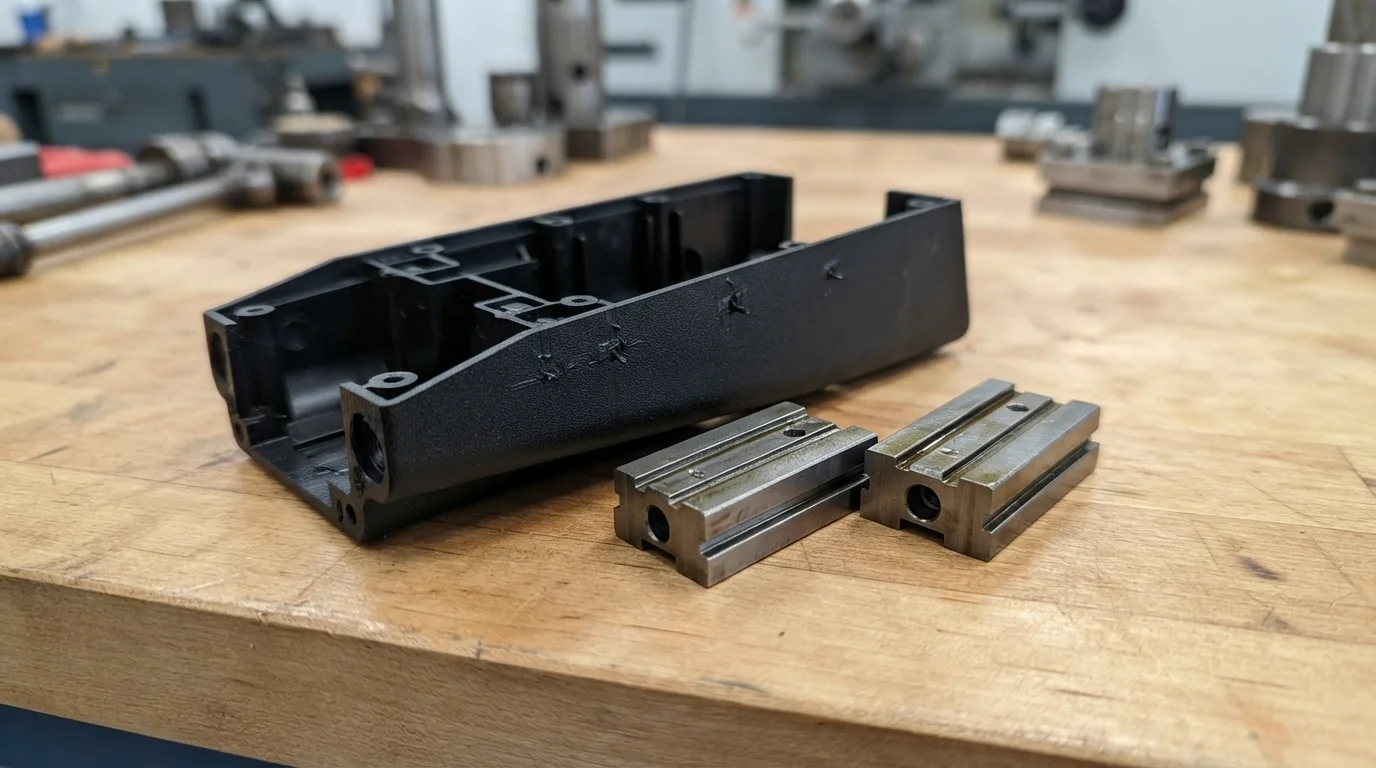
Understanding how Handlade-Einsätze beim Spritzgießen processes function enables product managers to balance initial tooling CapEx with active machine labor times realistically. Loose cores eject alongside the molded plastic part, allowing press operators to knock inserts free on an adjacent workbench while a second set of inserts cycles inside the machine. Sourcing your components from an experienced partner ensures design changes are propagated across all stages safely. Let’s explore how loose core inserts eliminate complex mechanical sliders and keep short-run tooling budgets under tight control.
Inhaltsverzeichnis
1. Mechanical Physics of Hand Loaded Loose Core Inserts
2. Cost versus Cycle Time Trade-offs for Short-Run Production
3. Smart Low-Volume Manufacturing and Poka-Yoke Design Rules
Mechanical Physics of Hand Loaded Loose Core Inserts
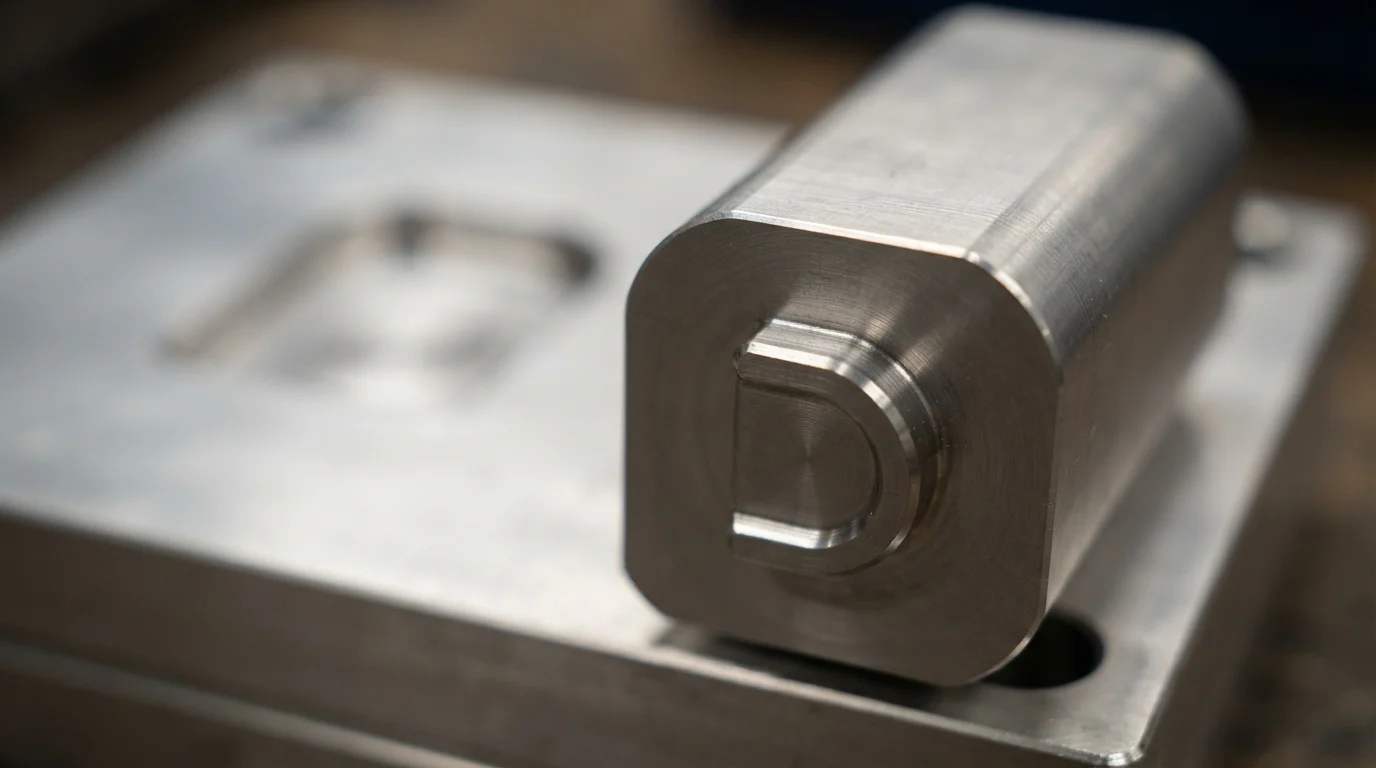
Question: What is a hand-loaded insert in rapid injection molding? Hand-loaded inserts are loose metal cores placed manually into the mold cavity before each cycle to form internal undercuts or threads without automatic sliders.
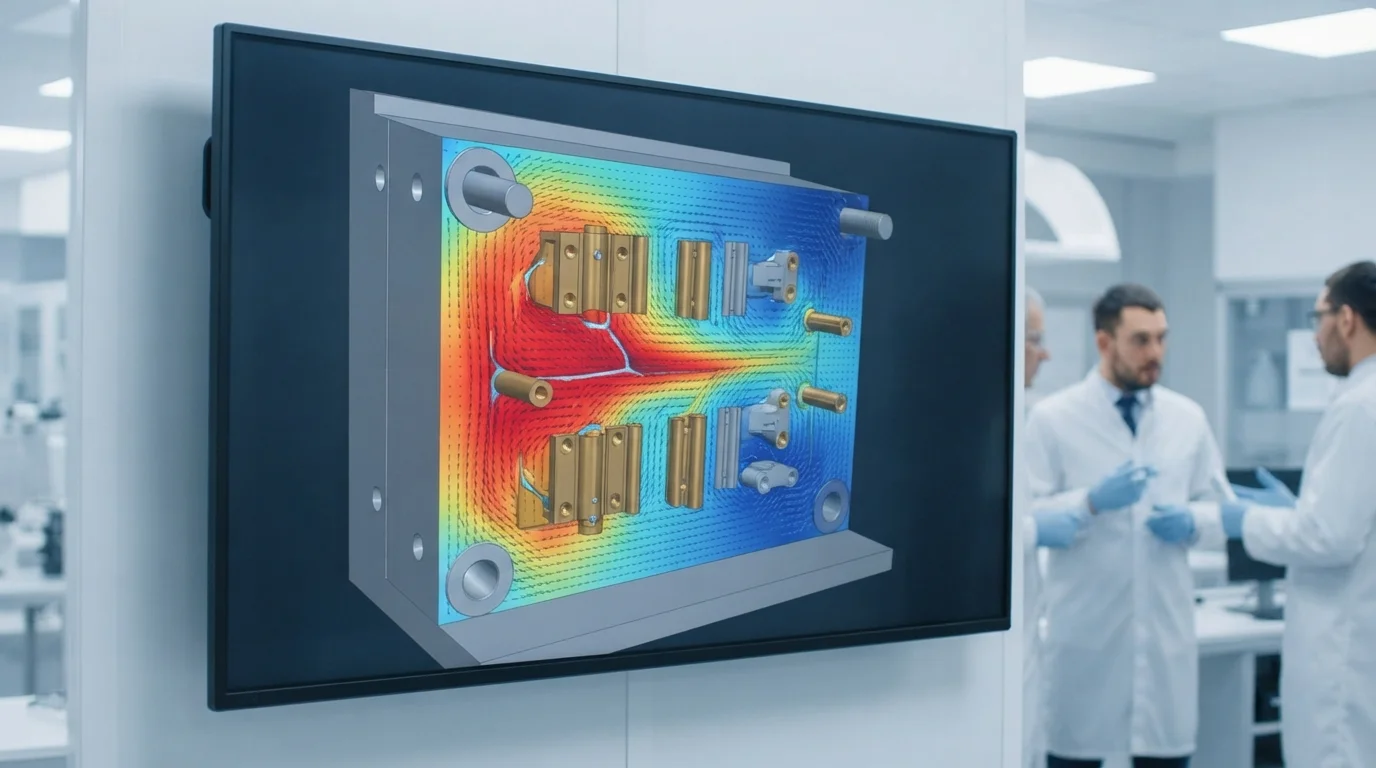
Automated hydraulic slides and mechanical lifters require complex mold plates, internal angle pins, and precision gibs that increase initial mold fabrication costs dramatically. Loose core pieces offer a simple, highly effective alternative by transferring the mechanical motion of unlatching an undercut from automated mold mechanisms to the operator’s hands. Machining loose core inserts from high-strength AL7075 Aluminium, Messing, or pre-hardened P20 Werkzeugstahl ensures features resist high clamping pressures without deforming.
Executing hand loaded inserts injection molding operations safely requires integrating specific physical features directly into the core design. Key mechanical parameters for loose insert design include:
- Poka-yoke locating keys—Asymmetric locating pins or D-shaped flats prevent operators from loading inserts backwards and crushing core steel
- Ergonomische Handhabungslaschen—Rändelverlängerungsgriffe ragen über die Trennebene hinaus, um eine sichere Platzierung in beheizten 80°C-Formhohlräumen zu ermöglichen
- Auswerferstiftpositionen—Dedizierte Auswerferstifte drücken direkt gegen den Einsatzträger und nicht gegen das dünne Kunststoffteil, wodurch Rissbildung im Teil verhindert wird
Kosten- vs. Zykluszeit-Abwägungen für Kurzserienproduktion
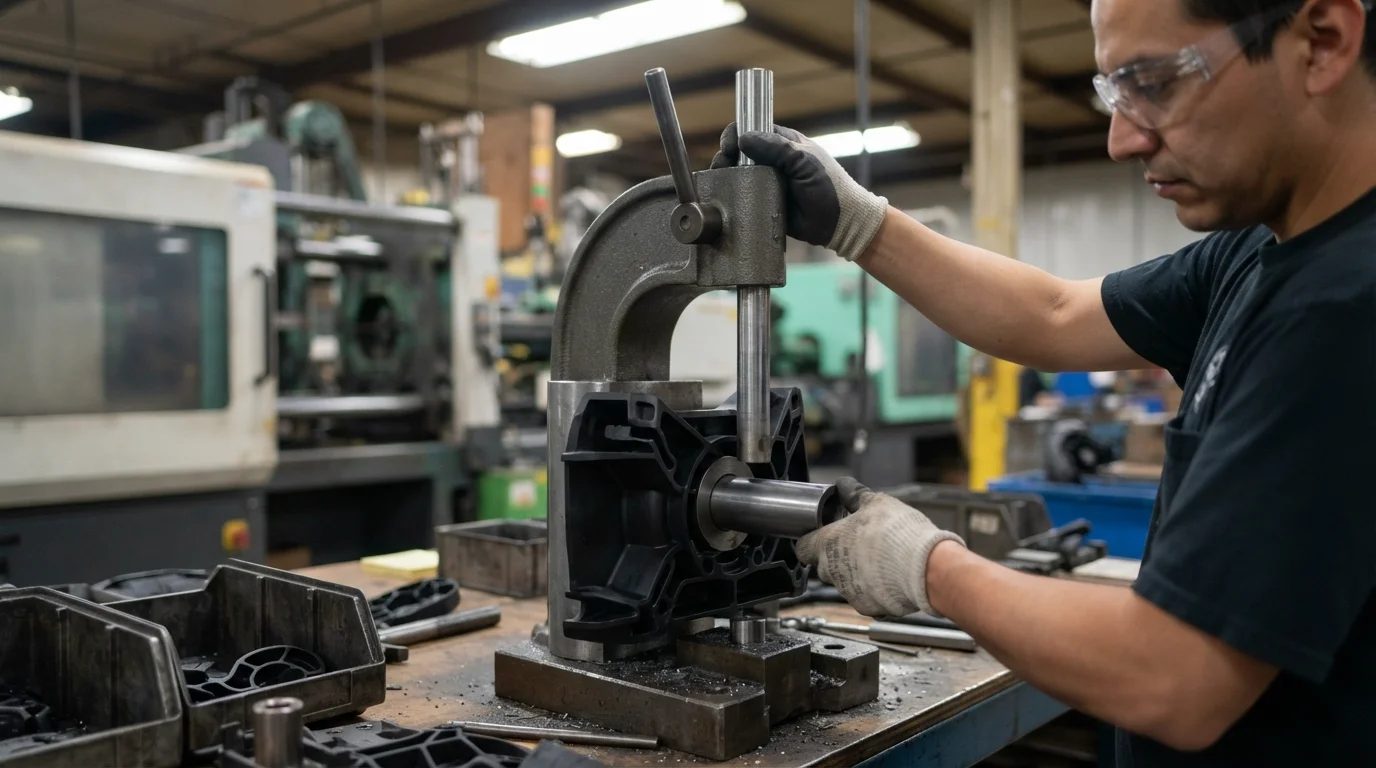
Frage: Ab welcher Produktionsmenge werden handbestückte Einsätze unwirtschaftlich? Handbestückte Einsätze sind ideal für 100 bis 2.000 Teile, aber Serien über 5.000 Einheiten rechtfertigen automatisierte hydraulische Schieber aufgrund der Arbeitskosten.
Die Auswahl handbestückter Einsätze erfordert die Abwägung zwischen niedrigeren anfänglichen Formenbaukosten und längeren aktiven Maschinenzykluszeiten. Die Bediener benötigen zwanzig bis vierzig zusätzliche Sekunden pro Zyklus, um Einsätze zu platzieren, den Formhohlraum zu prüfen und Kerne aus ausgeworfenen Teilen zu schlagen. Die Beschaffung eines dedizierten Schnellwerkzeugbau-Service Die Verwendung loser Einsätze spart $3.000 bis $8.000 pro Hinterschneidungsmerkmal bei den anfänglichen Formenherstellungsrechnungen. Die Beschaffung dieser Kleinserienteile erhält den entscheidenden Entwicklungs-Cashflow und vermeidet die massive Kapitalausgabe, die mit herkömmlichen Hartstahlformen verbunden ist.
Die Einhaltung strenger Designrichtlinien für Rapid Tooling hilft Ingenieuren, den genauen finanziellen Break-even-Punkt zwischen manuellen losen Einsätzen und automatischen Seitenschiebern zu bestimmen. Diese technische Vergleichstabelle hebt die Kompromisse zwischen Hinterschneidungsmechanismen hervor:
| Hinterschneidungsmechanismus | Anfängliche Formenherstellungskosten | Zusätzliche Zykluszeit pro Schuss | Idealer Teilvolumenbereich |
|---|---|---|---|
| Handbestückte lose Einsätze | Niedrig ($300 – $800 pro Einsatz) | 20 to 45 seconds | 100 to 2,000 units (NPI & bridge runs) |
| Automatic Hydraulic Sliders | High ($3,000 – $8,000 per slider) | Zero added cycle time | Over 5,000 units (high volume) |
| Pass-Through Shut-Offs | Zero added tooling cost | Zero added cycle time | 1 to 1,000,000+ units (design dependent) |
Smart Low-Volume Manufacturing and Poka-Yoke Design Rules
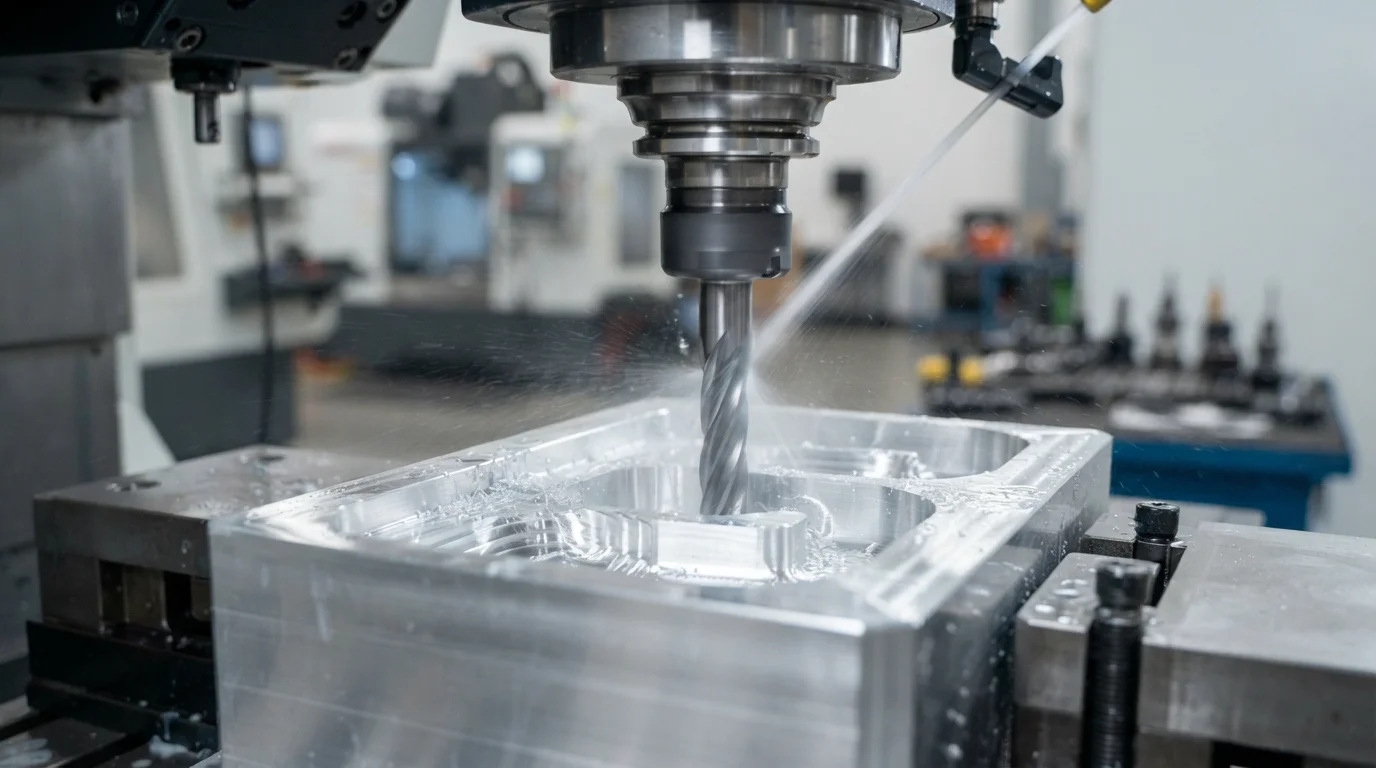
Question: How is cycle time minimized when using hand-loaded inserts? Toolmakers fabricate duplicate sets of loose inserts, allowing the operator to load set B into the mold while knocking set A out on the bench.
Running duplicate sets of loose inserts represents a proven shop-floor strategy to prevent injection press downtime during short-run production. Machine operators insert Set B into the open mold immediately after Set A ejects with the finished component, keeping the press cycling continuously. Sourcing functional CNC-Bearbeitungsservice Teilen oder Vakuumguss models allows engineering groups to validate designs before committing to aluminum or soft steel molds. Sourcing these specialized polymers ensures your prototype behaves exactly like a production part during drop-durability and thermal validation tests.
Jucheng Precision verfügt über eine voll integrierte Fabrik mit Mehrachsen-Bearbeitungszentren und Präzisionsspritzgussmaschinen. Werksingenieure führen umfassende 24-Stunden-kostenlose DFM Reviews, um Anschnittpositionen, Teilungsebenen und Hinterschneidungskonfigurationen zu optimieren, bevor Metall geschnitten wird. Die Beschaffung funktionaler Teile von einem professionellen Prototypenservice or bridge mold facility ensures your team receives honest, cost-saving advice for your specific production volume. Mastering hand loaded inserts injection molding rules guarantees your product scales smoothly from early prototypes to mass production.
Die Zusammenarbeit mit einem zertifizierten Spritzguss-Service specialist ensures your finished hardware matches the premium software experience. Sourcing your quotes manually ensures experienced engineers analyze your 3D STEP files to find additional ways of eliminating undercuts and lowering tooling costs. Sourcing high-fidelity parts from extruded billets of ABS, Nylon (PA), oder Aluminium Polycarbonat (PC) provides authentic material behavior before cutting tool steel. Sourcing high-quality prototypes ensures your designs are built to withstand severe dynamic forces safely.
Häufig gestellte Fragen (FAQ)
Why use hand-loaded inserts instead of side sliders in low-volume molding?
Loose metal inserts are placed manually inside the mold cavity before each cycle, making them ideal for short runs of 100 to 2,000 parts. Hand-loaded inserts injection molding bypasses thousands of dollars in automatic side-slide mechanisms, keeping initial rapid mold budgets low.
How are mold core crushing errors avoided during insert loading?
Integrating asymmetric locating keys or D-shaped flats on the insert shank represents the primary method to prevent improper loading. Poka-yoke features ensure inserts seat inside mold cavity pockets in only one correct orientation, preventing mold crushing.
How do duplicate insert sets eliminate machine press idling time?
Fabricating two or three sets of identical loose inserts allows operators to load a fresh set into the mold immediately while clearing ejected parts on the bench. Duplicate insert sets eliminate machine idling time, maximizing daily output on short-run molding programs.

