


Low-volume manufacturing is common in semiconductor equipment because designs evolve, machines are built in small quantities, and replacement parts may be needed long after the original project. The challenge is not simply producing a small batch. It is preserving the approved design, quality evidence, and repeatability when the next order arrives months later.
Low volume changes the control plan

A small quantity does not remove engineering risk. A component may still have tight interfaces, controlled surfaces, difficult materials, or a long service life. At the same time, the order may not justify dedicated tooling or a fully automated production line. The manufacturing route must balance control and flexibility.
A supplier that supports semiconductor equipment parts manufacturing should explain which controls remain constant and which are adjusted for a smaller batch.
Name the build stage before quoting
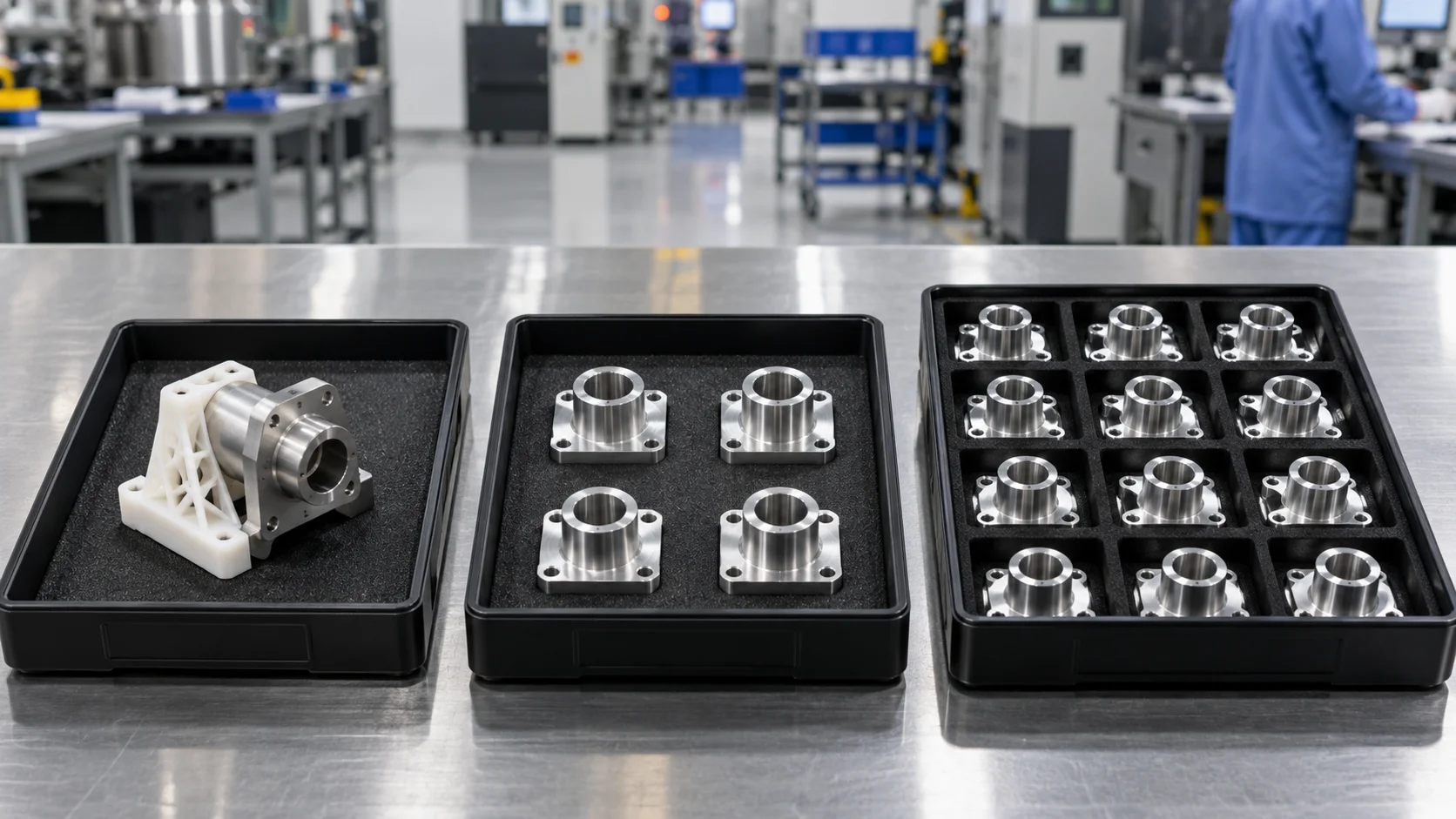
| Build stage | Main objective | Useful control |
|---|---|---|
| Prototyp | Learn whether the design works | Fast feedback and documented changes |
| Pilot | Confirm the production route | First-article inspection and process review |
| Repeat batch | Deliver consistent parts | Revision control and retained records |
| Spare or replacement | Restore equipment function | Traceable drawing, material, and packaging |
Treating every order as a new prototype creates variation. Treating every prototype as a finished production process can slow learning. The build stage should be visible in the quotation and inspection plan.
Repeatability matters even in small batches
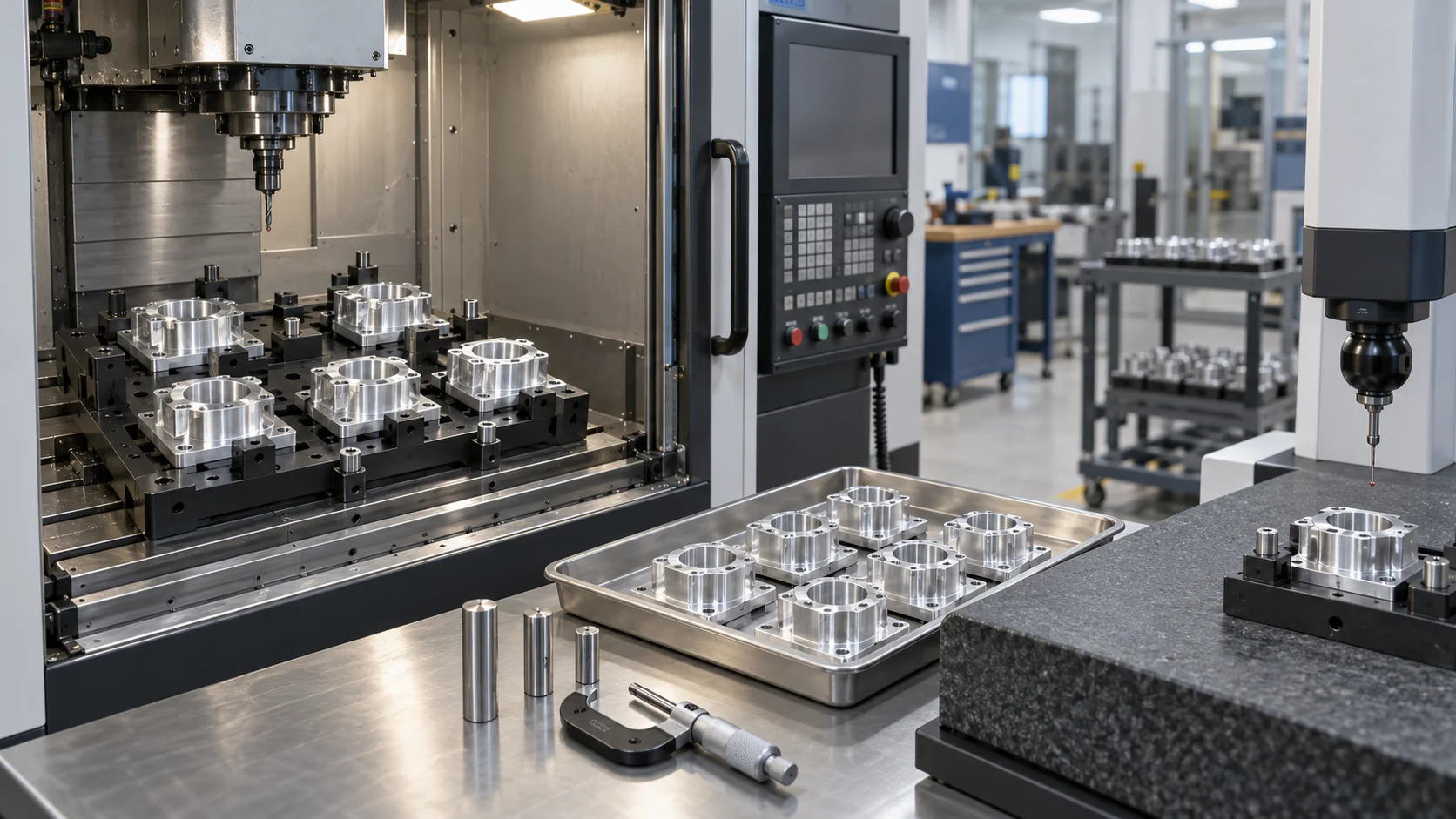
Repeatability comes from information as much as from equipment. Keep the approved drawing, model, material certificate, finishing requirement, inspection record, and packing method linked to the part revision. Record special fixtures, workholding, tool offsets, and inspection methods when they affect the result.
For complex metal parts, a stable CNC milling route can provide flexibility without hard-tooling cost. The process still needs a clear datum strategy and controlled inspection.
Unit price is not the whole cost

Low-volume pricing includes programming, setup, material minimums, tooling, inspection, finishing, packaging, and engineering communication. Compare the total build cost and the cost of a future reorder, not only the first invoice.
- Ask whether setup or programming is one-time or recurring.
- Confirm whether inspection and certificates are included.
- Clarify minimum order quantities and material remnants.
- Check how engineering changes affect the next batch.
Make the next order easier than the first
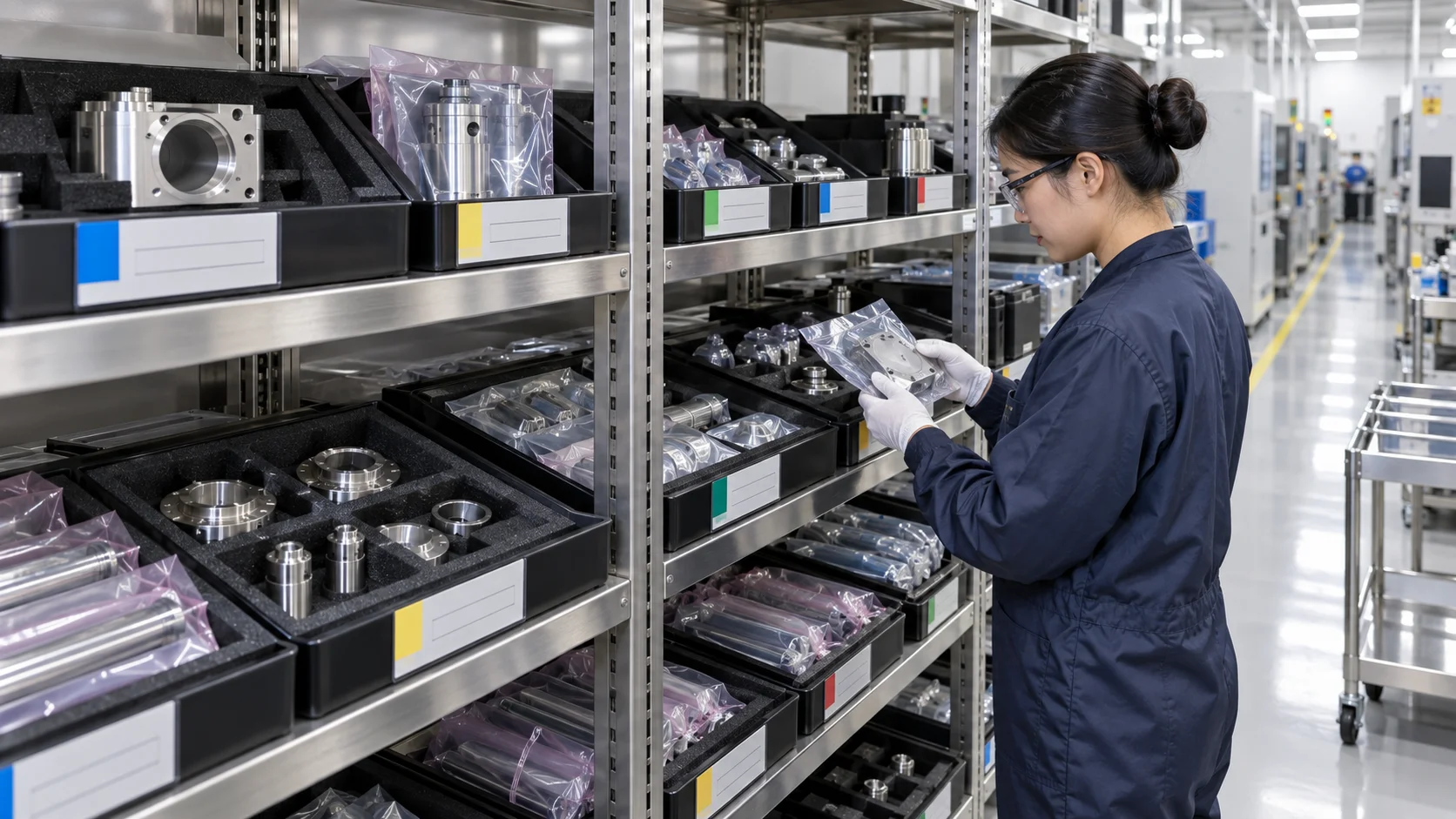
A reorder package should identify the exact revision, quantity, material, finish, acceptance criteria, and destination. If the original part was modified during assembly, update the drawing before ordering again. A short production history can save days of re-qualification.
What the supplier should preserve
Small quantities do not remove the need for revision control. The supplier should preserve the approved material, setup logic, inspection method, and finish requirement so the next batch can be compared with the first.
This is especially important for service parts. A low-volume order may be separated by months, so the manufacturing record must carry enough information to recreate the intended part without relying on memory.
Low-Volume Production Questions
Is low-volume manufacturing only for prototypes?
No. It also supports pilot production, specialized equipment, replacement parts, and products with uncertain demand.
How can a small batch remain consistent?
Use revision control, documented setups, approved materials, defined inspection, and retained production records.
The Low-Volume Decision Rule
Low-volume manufacturing works best when flexibility is supported by discipline. Separating build stages, protecting records, and evaluating total cost creates a dependable supply path for semiconductor equipment parts.

