


Die Konstruktion kundenspezifischer Kunststoffgehäuse für den Spritzguss in Kleinserie erfordert eine sorgfältige Balance zwischen Teileästhetik, Auswurfkräften und der Härte des Formmetalls. Produktentwickler machen oft den Fehler, die standardmäßigen 1-Grad-Entformungsschrägen von Produktionsstahlwerkzeugen auf weiche Aluminiumformen anzuwenden, was zu schweren Oberflächenkratzern beim Auswerfen führt. Aluminium AL7075 und vorgehärtete weiche Stähle wie P20 haben eine geringere Oberflächenhärte als gehärteter H13-Stahl, wodurch vertikale Kernwände viel anfälliger für Mikro-Fressen unter Schrumpfdruck sind. Die frühzeitige Einholung von technischem DFM-Feedback stellt sicher, dass Ihre CAD-Geometrien ausreichende vertikale Verjüngungen aufweisen, bevor die Werkzeugbauer mit dem Fräsen von Metall beginnen.
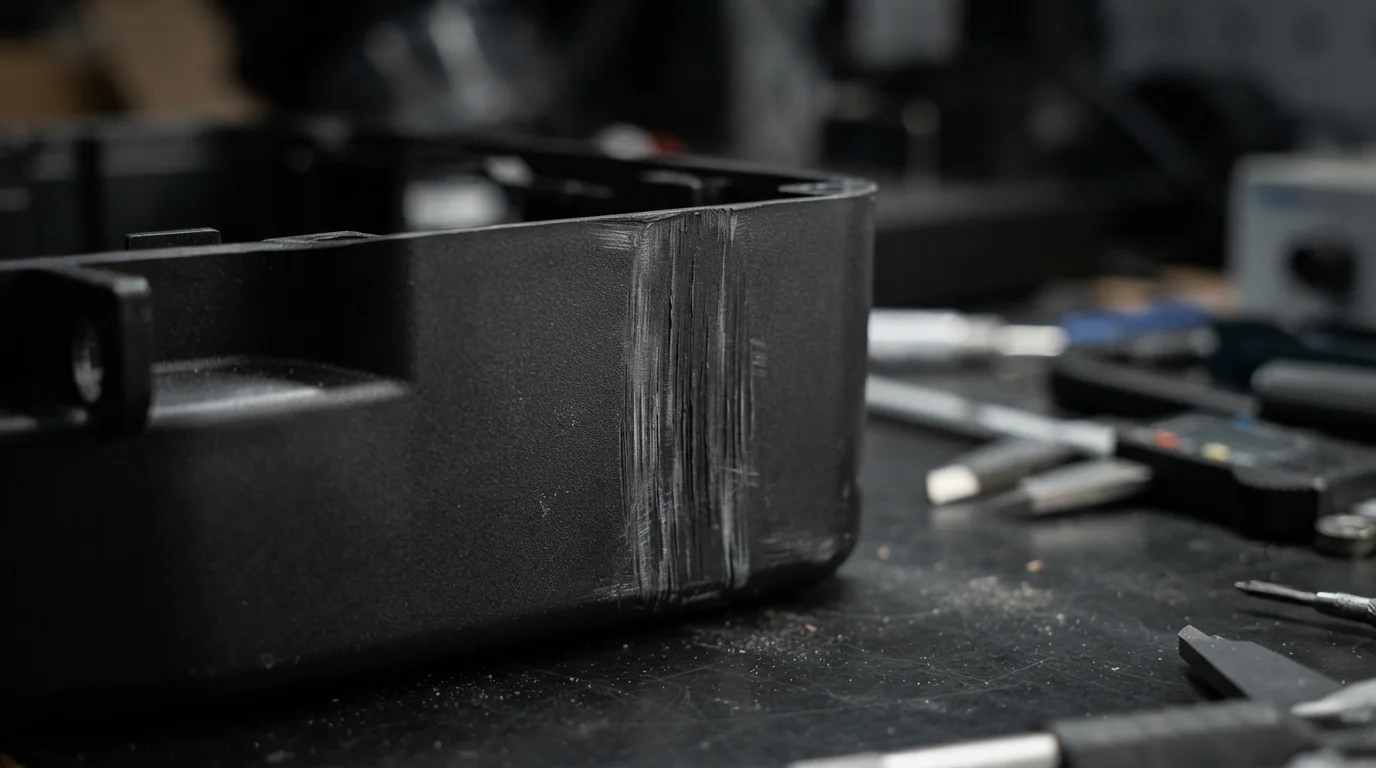
Die Implementierung geeigneter Rapid-Tooling-Formschrägen schützt Ihre Formkerninvestition und erhält gleichzeitig makellose, fehlerfreie kosmetische Sichtflächen. Das präzise Schneiden komplexer dreidimensionaler CAD-Geometrien ermöglicht es erfahrenen Werkzeugbauern, Trennfugen, Entformungsschrägen und Wandstärken mit fortschrittlicher Formfüllsimulationssoftware zu analysieren. Die Beschaffung Ihrer Komponenten von einem erfahrenen Partner stellt sicher, dass Konstruktionsänderungen sicher über alle Phasen hinweg weitergegeben werden. Schauen wir uns an, warum weiche Formen großzügige Entformungsschrägen erfordern, und erkunden empfohlene Richtlinien für texturierte Oberflächen.
Inhaltsverzeichnis
1. Warum weiche Formen größere Entformungsschrägen als Stahl erfordern
2. Entformungsschrägen-Richtlinien für VDI-texturierte Oberflächen und tiefe Rippen
Warum weiche Formen größere Entformungsschrägen als Stahl erfordern
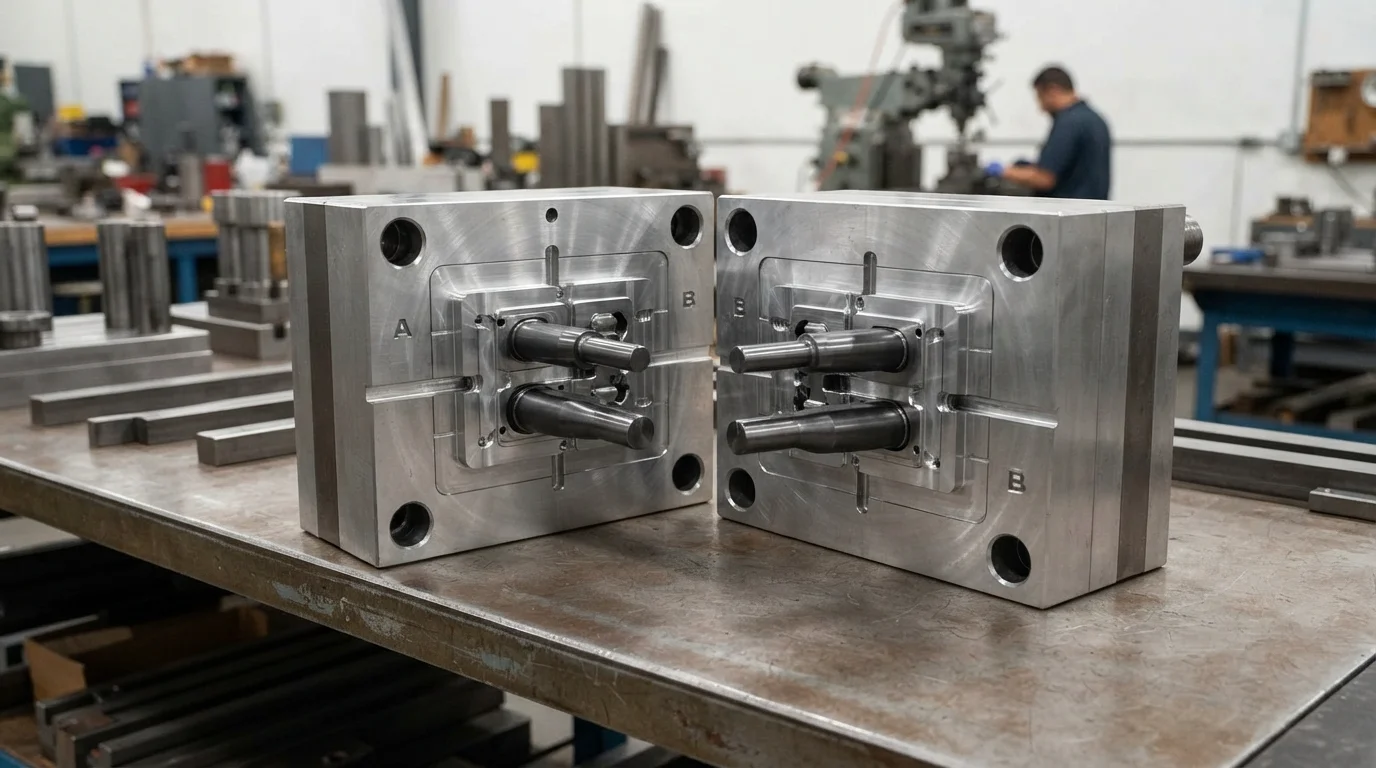
Frage: Warum erfordern Aluminiumformen größere Entformungsschrägen als Stahlwerkzeuge? Weiche Aluminiumlegierungen neigen unter Polymerschrumpfdruck eher zu Mikro-Fressen und Reibung, was für eine saubere Entformung mindestens 1,5 bis 2,0 Grad Entformungsschräge erfordert.
Die Auswahl weicher Metalle für Formkerne senkt die anfänglichen Werkzeugkosten (CapEx) erheblich und verkürzt die Bearbeitungszeiten auf 10 bis 15 Werktage. Die Einhaltung spezieller Designrichtlinien für Rapid Tooling stellt sicher, dass Ihre weichen Formkerne Zehntausende von Zyklen ohne Dimensionsdrift überstehen. Die Beschaffung eines dedizierten Schnellwerkzeugbau-Service unter Verwendung von AL7075-T6 Aluminium oder vorgehärteten P20 Werkzeugstahls liefert echte spritzgegossene Komponenten aus produktionsreifen Harzen innerhalb von Wochen. Weiche Metallkavitäten leiten Wärme schnell ab, verkürzen Kühlzeiten und erhöhen die Produktionsgeschwindigkeit.
Vertikale Wände ohne Entformungsschräge erzeugen extreme Reibung, wenn das abkühlende Kunststoffteil während der Nachdruckphase fest auf die Kernstifte schrumpft. Hydraulische Auswerferstifte, die gegen Teile ohne Entformungsschräge drücken, üben hohe Kräfte aus, die Mikrospäne von weichem Aluminium von den Kavitätswänden abziehen. Mikro-Fressen sammelt sich schnell an, erzeugt tiefe Kratzspuren auf nachfolgenden Teilen und erzwingt ein vorzeitiges Nachpolieren der Form. Die frühzeitige Einholung von DFM-Reviews stellt sicher, dass vertikale Rippen und Bossen ausreichende Entformungsschrägen aufweisen, bevor Metall geschnitten wird.
Die Beschaffung funktionaler Teile, die aus massiven technischen Kunststoffen wie ABS, Nylon (PA), oder Polycarbonat (PC) bietet authentisches Materialverhalten unter dynamischer Belastung. Die Beschaffung funktionaler Teile von einem professionellen Prototypenservice ist ideal für frühe Formstudien, aber diese CAD-Dateien verstoßen oft gegen die Physik des Spritzgusses in der Massenproduktion. Symmetrische Komponentendesigns vereinfachen Haltevorrichtungen und reduzieren die anfänglichen Einrichtungsarbeitsstunden erheblich. Die Standardisierung nicht kritischer Abstände ermöglicht es Hochgeschwindigkeits-Frässpindeln, Rohmaterial schnell zu entfernen und die Fräseffizienz zu maximieren.
Entformungsschrägen-Richtlinien für VDI-texturierte Oberflächen und tiefe Rippen
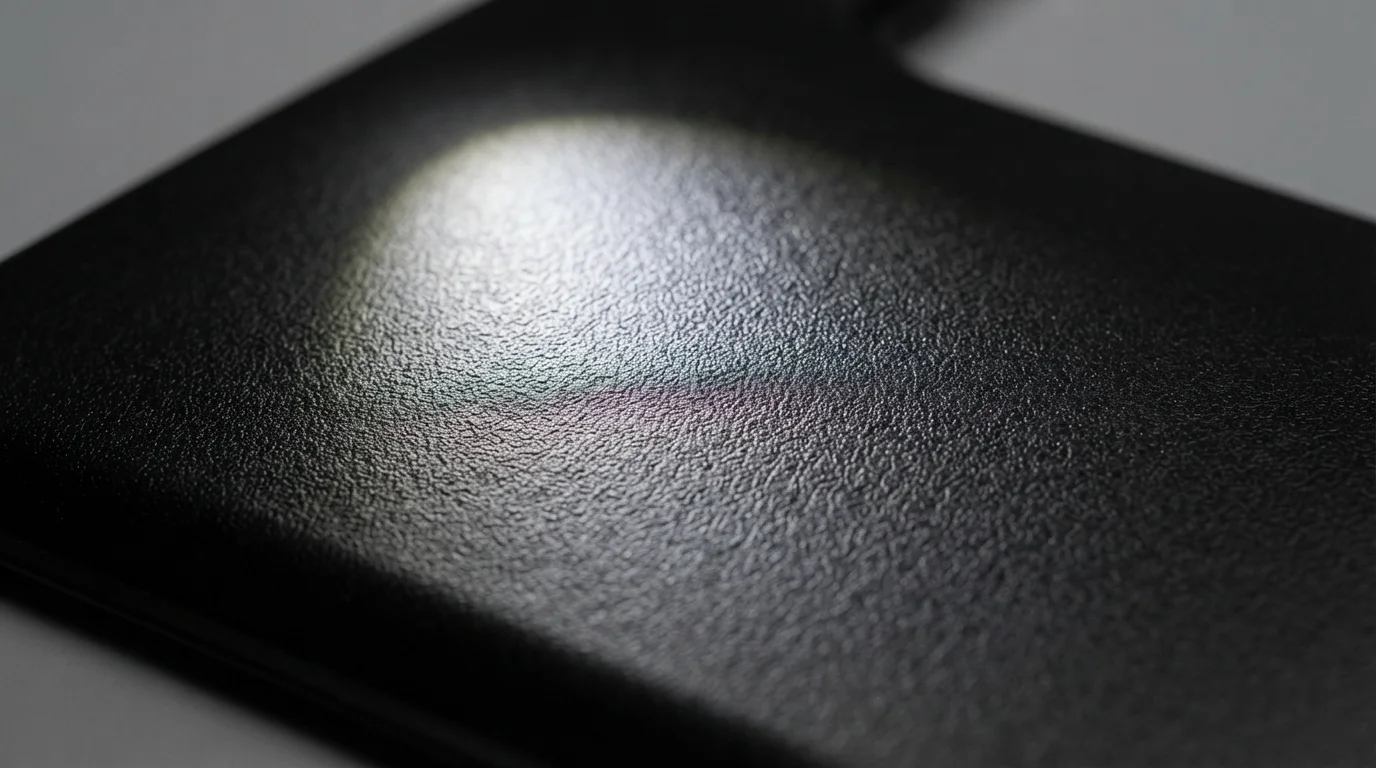
Frage: Wie viel Entformungsschräge wird für texturierte Kunststoffoberflächen benötigt? Texturierte Oberflächen erfordern eine zusätzliche Entformungsschräge von 1,0 Grad pro 0,025 mm (0,001 Zoll) Texturtiefe, um Kratzer zu vermeiden.
Die Anwendung von chemischer Funkenerosion oder Perlenstrahl-Texturen auf Aluminiumkavitäten erzeugt mikroskopische Spitzen und Täler, die kühlenden Kunststoff einfangen. Formteile, die direkt aus texturierten Kavitäten ohne ausreichende Entformungsschräge gezogen werden, scheren die Texturspitzen ab und erzeugen unschöne weiße Spannungsrisse. Die Einbeziehung einer Mindest-Entformungsschräge von 3,0 Grad an allen texturierten vertikalen Wänden gewährleistet, dass sich der Kunststoff sauber von der texturierten Formoberfläche löst. Die Beachtung dieser Regeln bei der Berechnung von Entformungsschrägen für Rapid Tooling stellt sicher, dass Ihre Kleinserienteile eine Einzelhandelsqualität-Oberfläche beibehalten.
Tiefe Verstärkungsrippen und hohe Schraubenbossen erfordern ebenfalls eine sorgfältige Skalierung der Entformungsschräge, um ein Klemmen beim Auswerfen zu verhindern. Hohe Merkmale speichern Wärme länger, was zu lokalisiertem Polymersschrumpf führt, der Kernstifte fest umschließt. Die korrekte Dimensionierung der Rippen-Entformungsschrägen ermöglicht das Auswerfen von Teilen ohne Verzug oder Stiftdurchschlag-Fehler. Diese technische Vergleichstabelle skizziert empfohlene Entformungsschrägen basierend auf Merkmalstyp und Oberflächenbeschaffenheit:
| Merkmal / Oberflächenbeschaffenheit | Standard Stahlform-Entformungsschräge | Rapid Tooling Entformungsschräge Standard | Haupttechnischer Grund |
|---|---|---|---|
| Glatte / polierte Wand | 0,5° bis 1,0° Minimum | 1,5° bis 2,0° Minimum | Verhindert Reibungsspuren auf weichem Aluminium |
| Leichte Textur (VDI 18 – 24) | 1,5° bis 2,0° Minimum | 2,5° bis 3,0° Minimum | Verhindert das Abscheren von Texturspitzen beim Auswerfen |
| Schwere Textur (VDI 27 – 33) | 3,0° bis 5,0° Minimum | 4,0° bis 6,0° Minimum | Ermöglicht tiefe Textur-Mikrohinterschnitte |
Verhinderung von Mikro-Fressen und Auswurfschäden
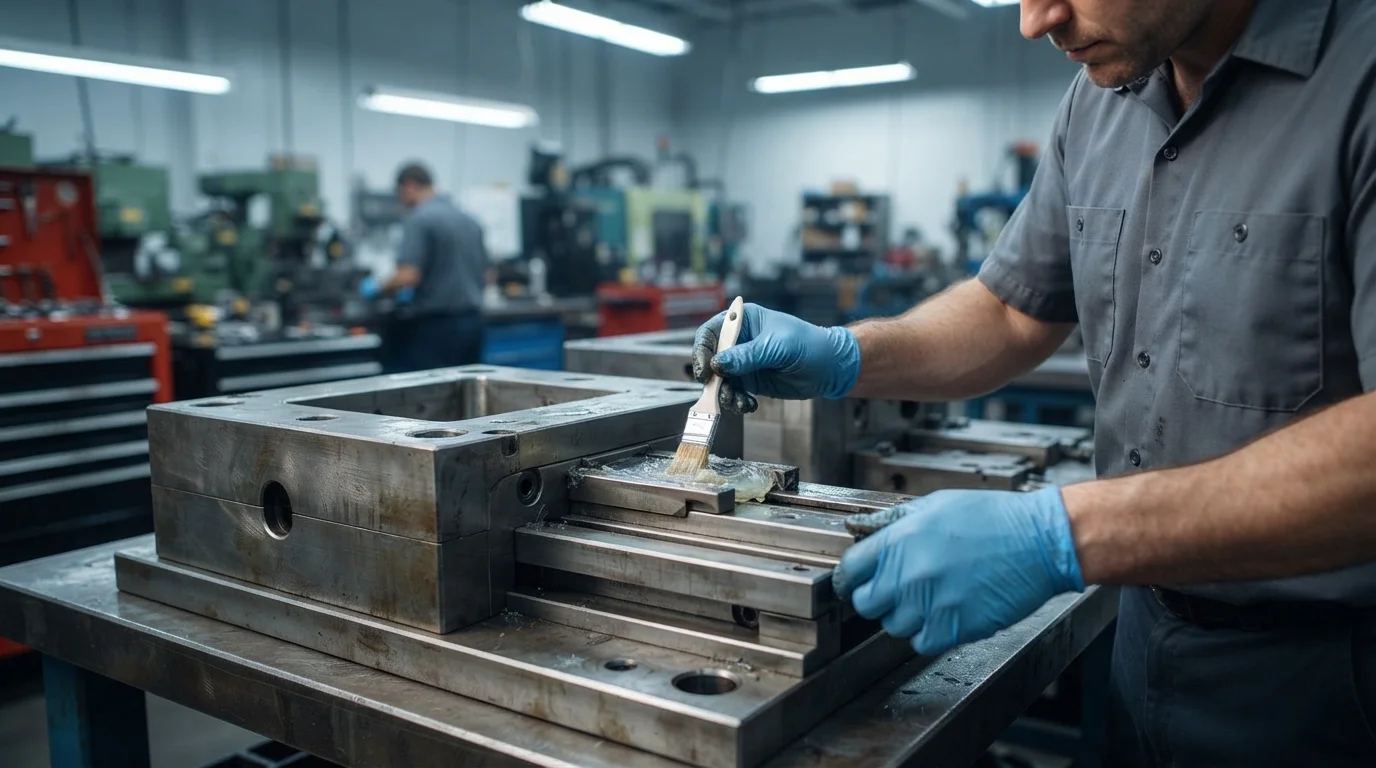
Frage: Wie kann Mikro-Fressen in weichen Aluminium-Kerneinsätzen verhindert werden? Das Aufbringen von Vernickelung oder Harteloxierung härtet Aluminiumoberflächen, während das Hinzufügen geeigneter Entformungsschrägen die Werkzeugreibung minimiert.
Der Übergang zu einer automatisierten Spritzguss-Service erfordert eine vollständige Überarbeitung der rohen Prototyp-CAD-Geometrien, um die Entformungsphysik zu berücksichtigen. Das Anwenden geeigneter Rapid-Tooling-Entformungswinkel an allen vertikalen Merkmalen ist der effektivste Weg, um die Investition in den Formkern zu schützen. Die frühzeitige Einholung von DFM-Reviews vereinfacht die Trennlinienlayouts und eliminiert die Notwendigkeit teurer mechanischer Schieber in Schnellformen. Die Beschaffung hochwertiger Prototypen stellt sicher, dass Ihre Konstruktionen gebaut sind, um schweren dynamischen Kräften sicher standzuhalten.
Jucheng Precision betreibt eine vollständig integrierte Fabrikeinrichtung mit sowohl mehrachsigen CNC-Bearbeitungsservice Zentren als auch Präzisionsspritzgussmaschinen. Fabrikingenieure liefern umfassende 24-Stunden-kostenlose DFM Reviews zur Optimierung von Angussstellen, Trennlinien und Entformungsprofilen, bevor Metall geschnitten wird. Die Beauftragung eines spezialisierten Rapid-Tooling-Dienstes mit Aluminium- oder Weichstahlkernen liefert echte spritzgegossene Komponenten aus produktionsreifen Harzen innerhalb von Wochen. Die Beschaffung hochwertiger Prototypen stellt sicher, dass Ihre Konstruktionen gebaut sind, um schweren dynamischen Kräften sicher standzuhalten.
Die Zusammenarbeit mit einem zertifizierten Hersteller hilft Ihnen, den Übergang von frühen visuellen Mock-ups zu Kleinserien-Bridge-Tools nahtlos zu bewältigen. Die manuelle Einholung Ihrer Angebote stellt sicher, dass erfahrene Ingenieure Ihre 3D-STEP-Dateien analysieren, um zusätzliche Möglichkeiten zur Kosteneinsparung beim Kurzserien-Spritzguss zu finden. Kundenspezifische Komponenten durchlaufen strenge Koordinatenmesstechnik-Prüfungen, um die genaue Einhaltung der Maße zu bestätigen. Die Beschaffung hochwertiger Prototypen stellt sicher, dass Ihre Designs so gebaut sind, dass sie schweren dynamischen Kräften sicher standhalten.
Häufig gestellte Fragen (FAQ)
Wie schnell können kundenspezifische Aluminium-Schnellformen bearbeitet werden?
Schnellformen aus weichem Aluminium oder P20-Stahl werden typischerweise auf mehrachsigen CNC-Fräsmaschinen innerhalb von 10 bis 15 Werktagen bearbeitet. Die Umgehung langsamer funkenerosiver EDM-Prozesse ermöglicht es Herstellern, funktionsfähige, produktionsreife Spritzmuster in Wochen statt Monaten zu liefern. Die frühzeitige Einholung von DFM-Reviews vereinfacht die Trennlinienlayouts und eliminiert die Notwendigkeit teurer mechanischer Schieber in Schnellformen.
Was sind die Mindestanforderungen an die Entformungsschräge für strukturierte Kunststoffteile?
Standard-Entformungswinkel von 1,5 bis 2,0 Grad werden für eine reibungslose Entformung aus Aluminium empfohlen, aber texturierte Oberflächen erfordern bis zu 3,0 Grad. Die frühzeitige Einholung von DFM-Reviews stellt sicher, dass vertikale Rippen und Bossen vor dem Schneiden von Metall einen angemessenen Entformungswinkel aufweisen. Die Beschaffung Ihrer Prototypen von einem schlüsselfertigen Hersteller stellt sicher, dass erfahrene Werkzeugbauer intelligente Angussplatzierungen vorschlagen.
Warum bei Schnellformen handbestückte Einsätze gegenüber automatischen Schiebern wählen?
Das Ersetzen komplexer hydraulischer Seitenzugmechanismen durch manuelle handbestückte Kerneinsätze senkt die anfänglichen Formenbaukosten erheblich. Handbestückte Einsätze werden vor jedem Zyklus manuell in die Kavität eingelegt, was sie ideal für kurze Serien von 100 bis 5.000 Teilen macht.

