


Spritzguss für Fahrzeuge: Präzisionskunststoffe und Umspritzen
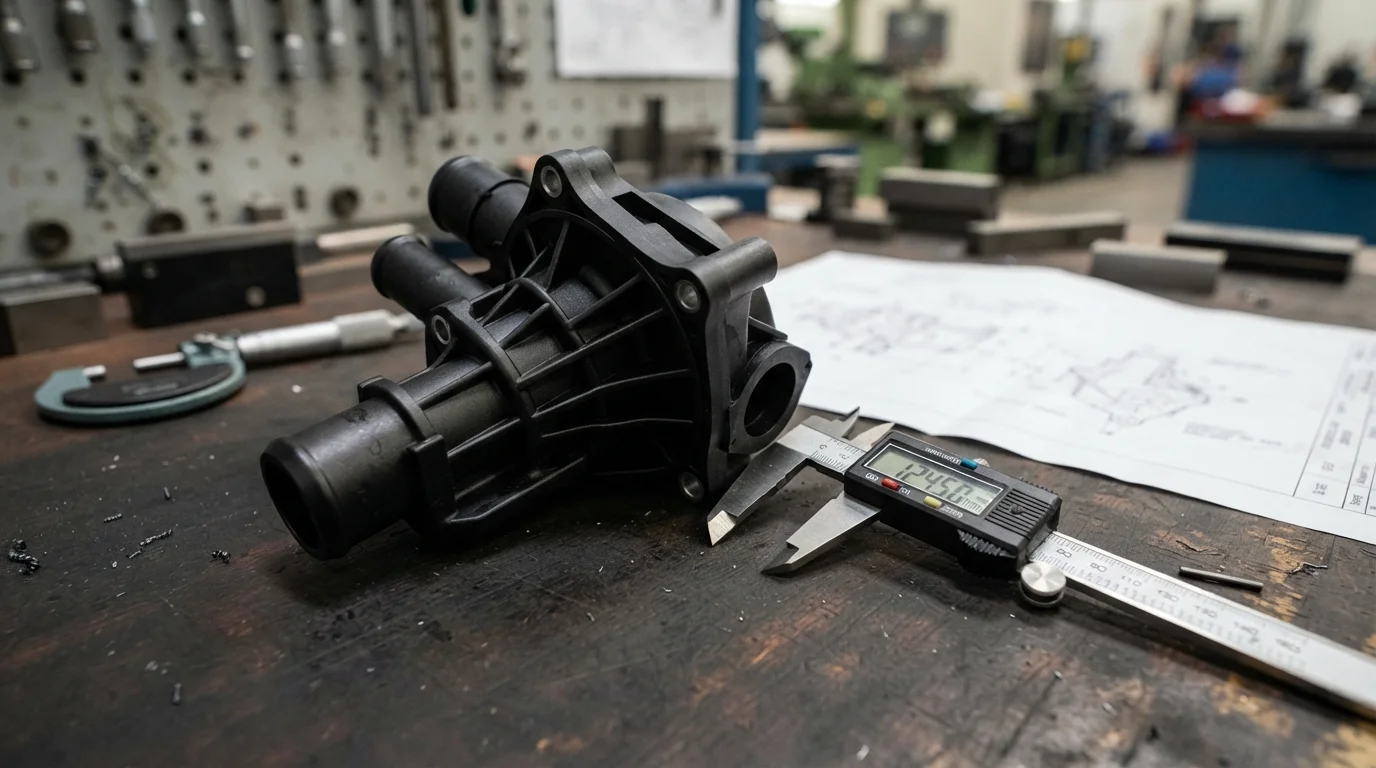
Creating durable cabin interiors, weather-resistant exterior trims, and reliable under-the-hood fluid reservoirs requires high-performance polymer processing capabilities. When automotive engineers specify structural plastic elements that must withstand severe thermal cycling and chemical exposure, utilizing automotive injection molding becomes a critical project milestone. Without advanced multi-cavity press technology and specialized overmolding platforms, producing complex multi-material components with soft-touch ergonomics remains impossible.
Utilizing an experienced rapid prototyping partner ensures that custom engineering plastics transition smoothly from digital 3D models into robust functional testing phases. Let us examine the polymer melt mechanics and multi-stage press protocols that drive modern vehicle interior and exterior manufacturing.
Module 1 – Definition and Working Principles of Polymer Pressing
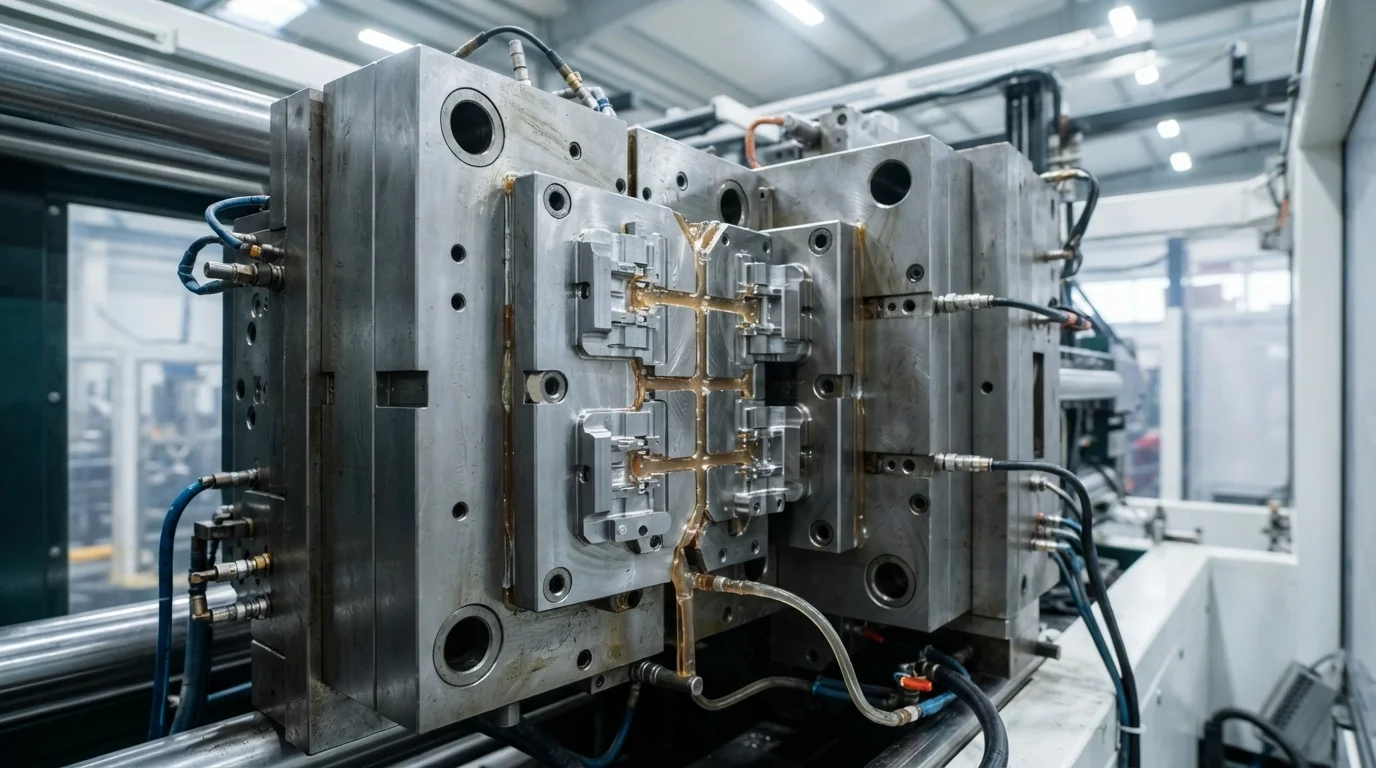
Plastic injection molding is a high-speed manufacturing method that forces liquefied thermoplastic pellets into precision-machined steel mold cavities under intense hydraulic pressure. The working principle relies on a reciprocating screw melting polymer granules inside a heated barrel, injecting the fluid melt into closed tool halves, and cooling it rapidly into solid geometry. While metal structures are often shaped via CNC-Bearbeitung, complex vehicle interiors and functional housings rely entirely on efficient molding techniques.
To execute structured thermoplastic molding workflows on engineering polymer components, technicians could follow these practical steps:
- Resin Dehumidifying: Dry hygroscopic plastic pellets inside specialized desiccant hoppers to eliminate internal moisture bubbles.
- Plasticizing and Melting: Rotate the reciprocating screw inside a zoned heating barrel to achieve uniform polymer melt consistency.
- High-Pressure Injection: Clamp the steel tool securely and shoot liquid resin into cavity spaces, followed by controlled holding pressure.
Modul 2 – Kernanwendungsszenarien
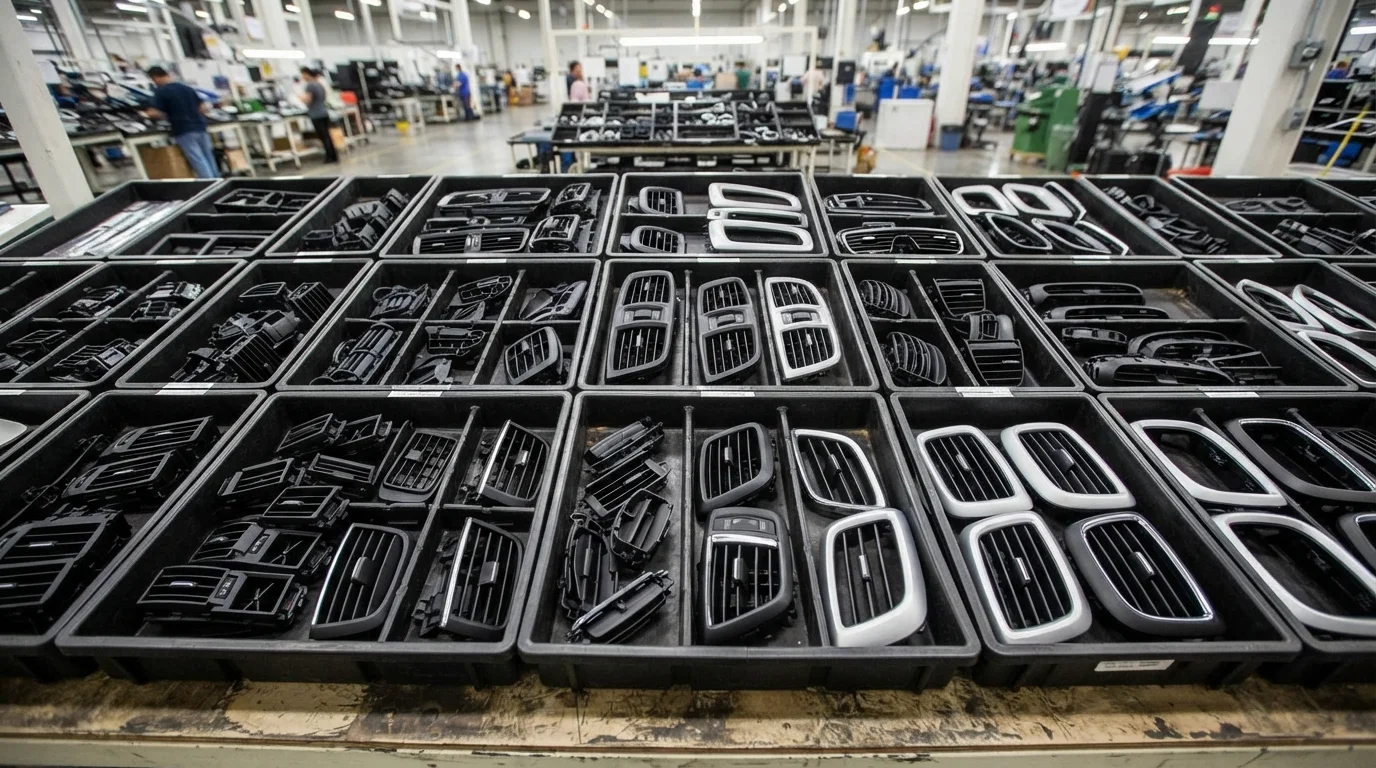
Precision polymer processing is vital across ergonomic cabin controls, intricate ventilation distribution, and secure electrical distribution networks where visual appeal and chemical resistance dictate consumer satisfaction. When engineering teams build dashboard components, deploying specialized automotive injection molding cells solves critical multi-material assembly challenges. Feedback from professional prototyping groups on Reddit and Facebook indicates that dual-shot molding eliminates secondary bonding steps.
Zu den primären Anwendungsbereichen gehören:
- Innenraum-Bedienelemente: Fabricating dual-material dashboard knobs and soft-touch steering wheel grips via 2-shot overmolding.
- Klimatisierung: Molding complex dashboard air vent louvers, adjustable grilles, and directional duct connectors.
- Under-the-Hood: Constructing durable coolant pump housings and weather-sealed electrical fuse box covers.
Modul 3 – Wichtige Auswahlfaktoren für den Projekterfolg
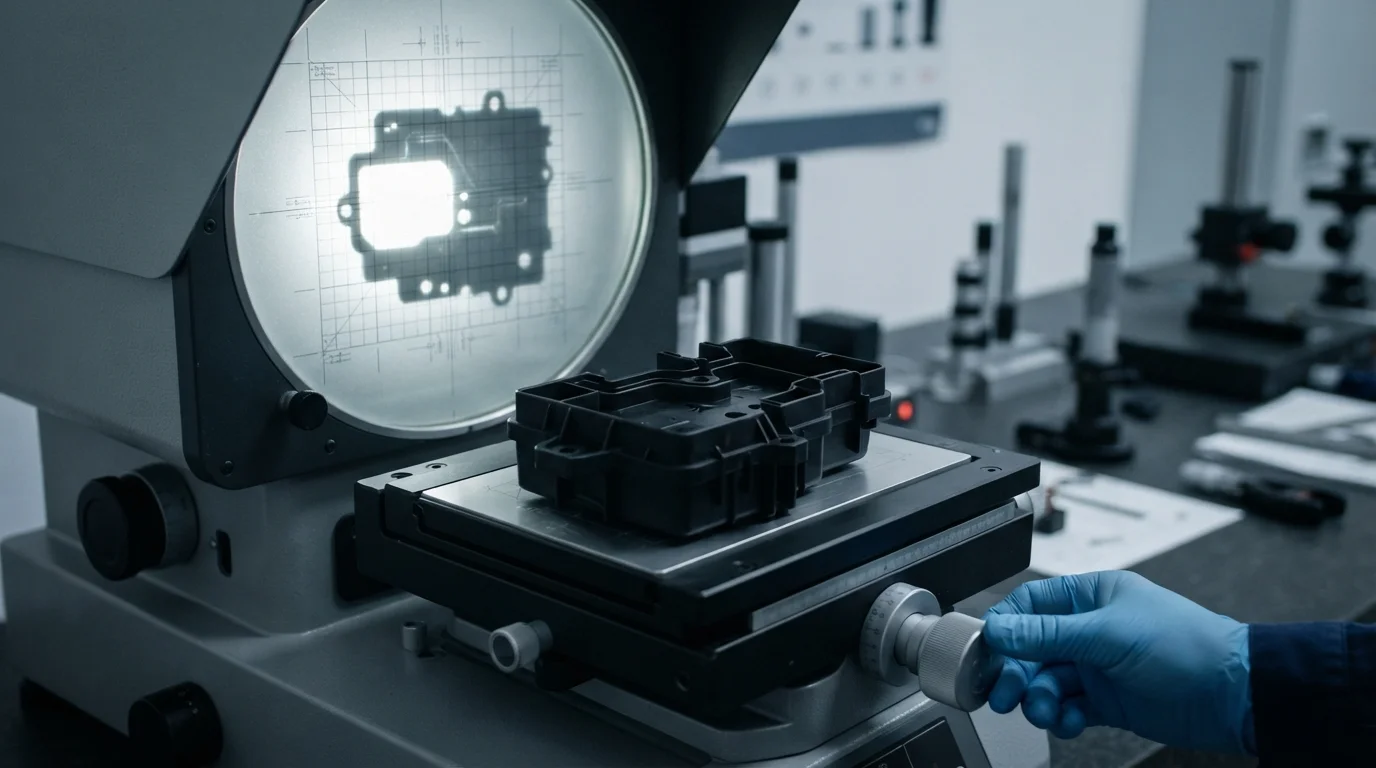
When specifying plastic components for vehicle trials, engineering teams must weigh resin thermal deflection limits, structural shrinkage rates, and multi-cavity tooling consistency. Evaluating these core parameters ensures your parts survive harsh cabin environments.
| Automotive Plastic Grade | Wichtigste mechanische Eigenschaft | Primary Vehicle Application |
|---|---|---|
| PA66 + 30% GF | High rigidity, excellent heat and chemical resistance | Under-the-hood coolant pump housings, thermostat covers |
| PC / ABS Blend | Superior impact strength and smooth surface cosmetics | Interior dashboard bezels, center console panels |
| POM (Acetal) | Low friction coefficient and high fatigue endurance | Precision mechanical gears, window regulator clips |
Modul 4 – Installations- und Wartungstipps
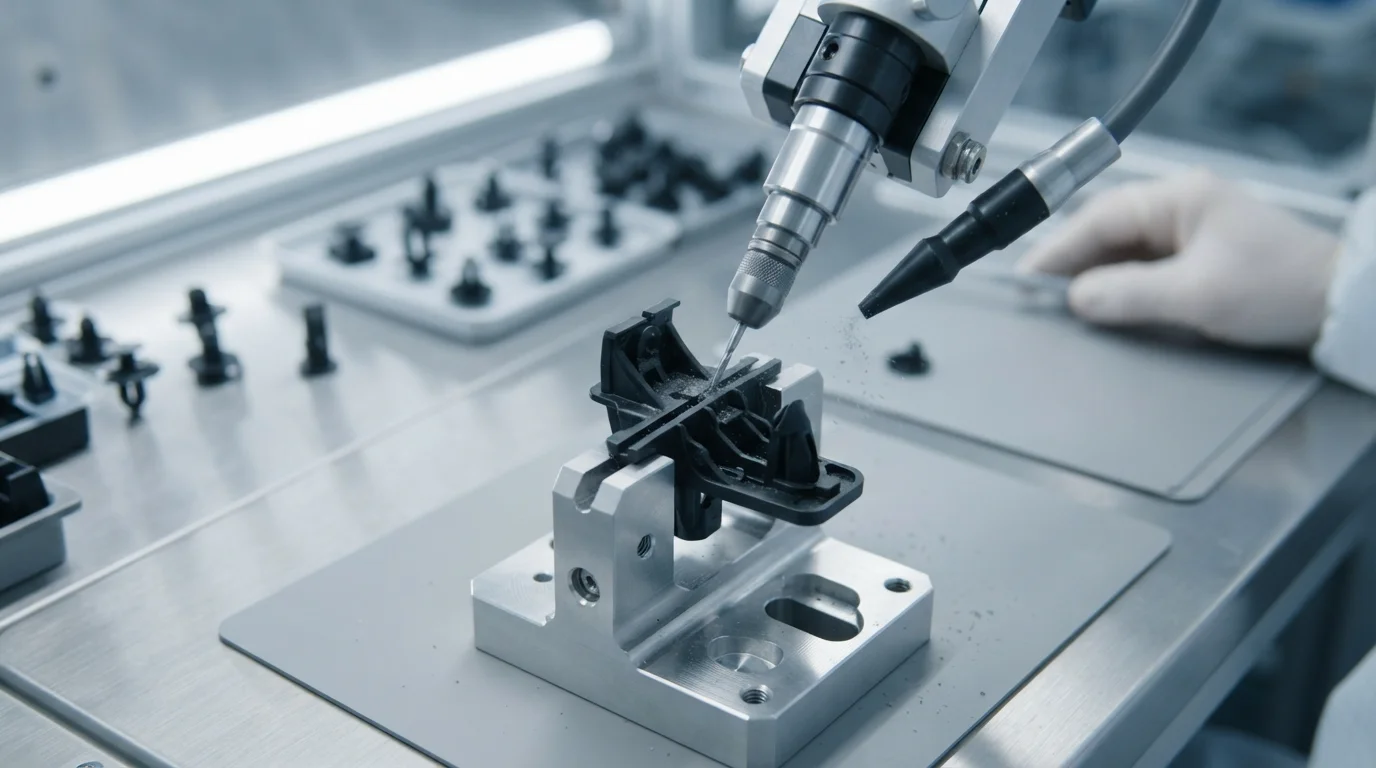
Proper shop-floor handling and routine mold cleaning safeguard precision polymer parts across active vehicle prototyping stages. Protecting molded snap-fits from assembly strain ensures long-term operational alignment.
Wichtige Installations- und Wartungstipps umfassen:
- Snap-Fit Alignment: Guide plastic clips straight into mating channels to prevent micro-fracturing delicate latch tabs.
- Resin Drying Audits: Verify moisture content levels regularly using hygrometer meters prior to running hygroscopic nylons.
- Vent Cleaning: Clear trapped gas deposits and polymer volatiles out of mold vent lines every few thousand cycles.
Modul 5 – Häufig gestellte Fragen (FAQ)
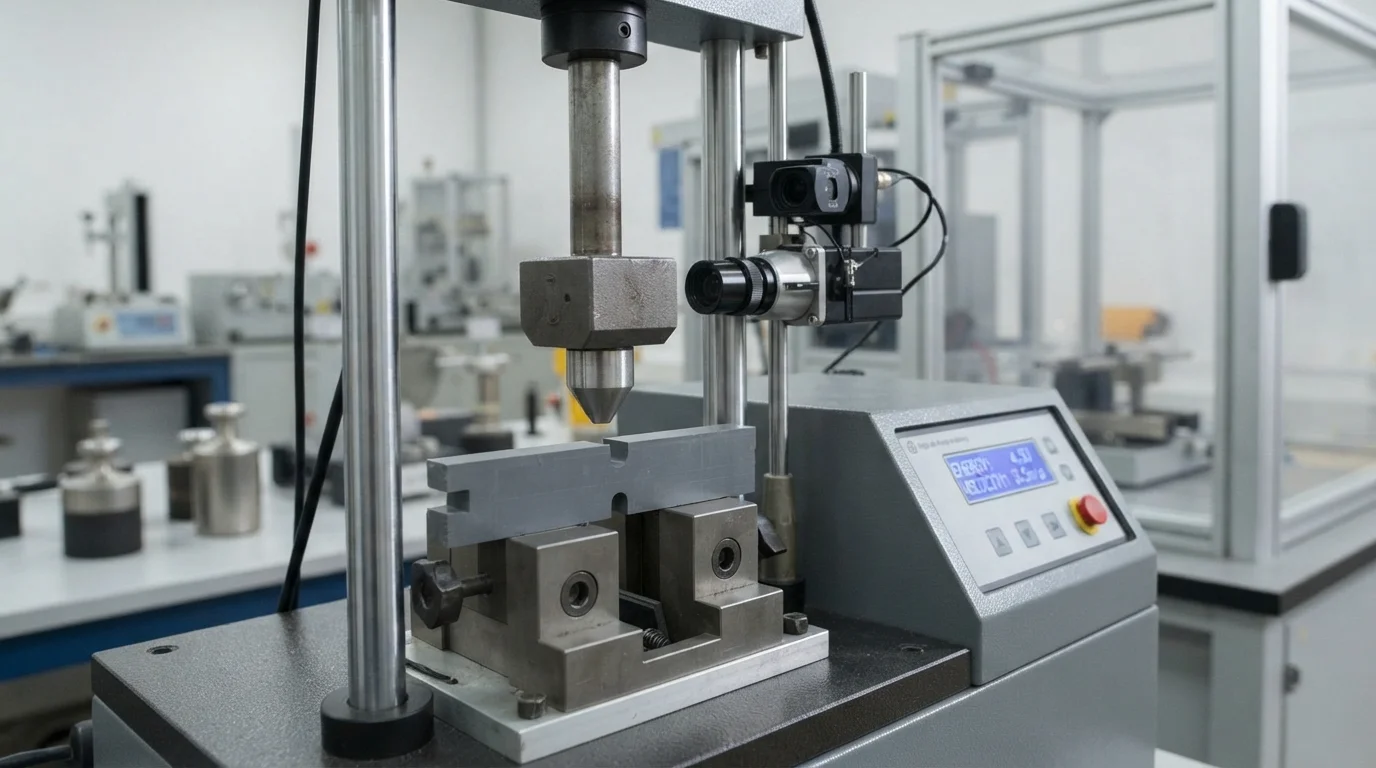
1. What is 2-shot injection molding and why is it used in vehicles?
2-shot molding injects two different thermoplastic materials in a single automated cycle, creating seamless soft-touch grips on rigid knobs without secondary glue bonding.
2. Which engineering plastics perform best under automotive hoods?
Glass-filled polyamides like PA66+GF30 are heavily favored due to their extreme thermal deflection points and superior chemical resistance against engine oils.
3. How do mold temperature controllers affect plastic part shrinkage?
Precise mold thermal regulation stabilizes polymer crystallization rates, preventing warpage and ensuring consistent linear part dimensions.
4. Can complex dashboard louvers with thin walls be successfully molded?
Yes, high-pressure injection molding combined with optimized gate placement allows intricate louver ribs and thin walls to fill completely.
5. What prevents short shots when molding high-viscosity resins?
Proper barrel temperature profiling, high injection speeds, and generous runner cross-sections prevent premature resin freeze before cavity filling finishes.
6. How does Jucheng Precision support automotive plastic molding programs?
Jucheng Precision operates 35+ specialized injection presses ranging from 50T to 650T under strict IATF 16949 quality management systems.
Modul 6 – Warum JUCHENG für Ihr Projekt wählen
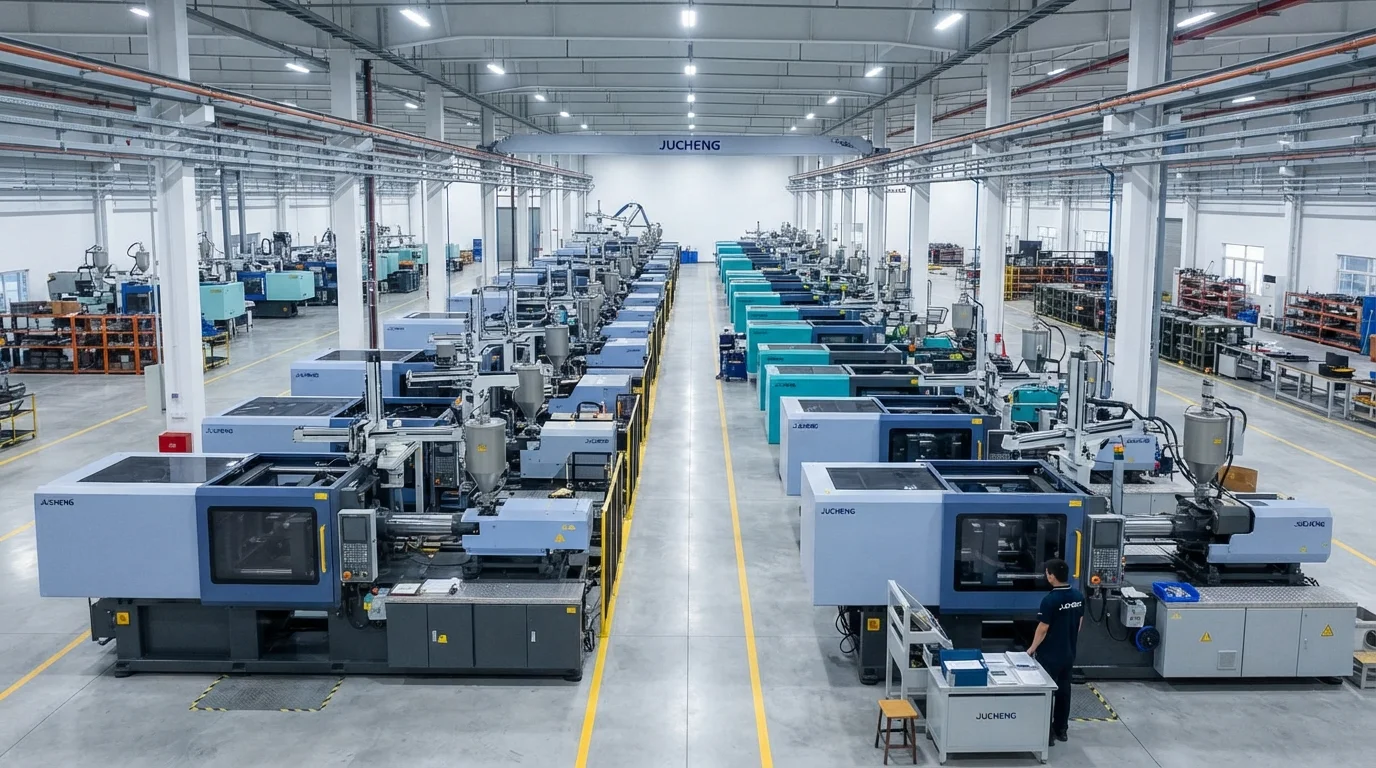
Achieving uncompromising plastic component quality requires an experienced manufacturing partner. JUCHENG unterstützt Hardware-Innovatoren durch die Bereitstellung umfassender 24-Stunden-kostenlose DFM reviews that analyze draft angles, wall uniformity, and gating positions prior to tool cutting. Founded in Shenzhen in 2012 with an 8,000-square-meter facility in Dongguan, our factory houses 150+ advanced machines, including a dedicated press fleet of 35+ injection molding machines ranging from 50T to 650T.
Gestützt durch ISO 9001, ISO 14001, ISO 13485 und IATF 16949 Zertifizierungen stellen unsere technischen Teams sicher, dass die Ausführung von Hochleistungs- automotive injection molding programs achieves structural precision and absolute batch consistency.
Ready to Mold Your Critical Automotive Plastic Components?
Laden Sie noch heute Ihre 3D-Modelle hoch, um sofortiges Feedback, wettbewerbsfähige Preise und eine professionelle DFM-Analyse von unseren erfahrenen Ingenieurexperten zu erhalten. Lassen Sie JUCHENG Ihre komplexen Designs mit unvergleichlicher Geschwindigkeit und Zuverlässigkeit zum Leben erwecken!

