


Automotive Die Casting: High-Pressure & Vacuum-Assisted Solutions
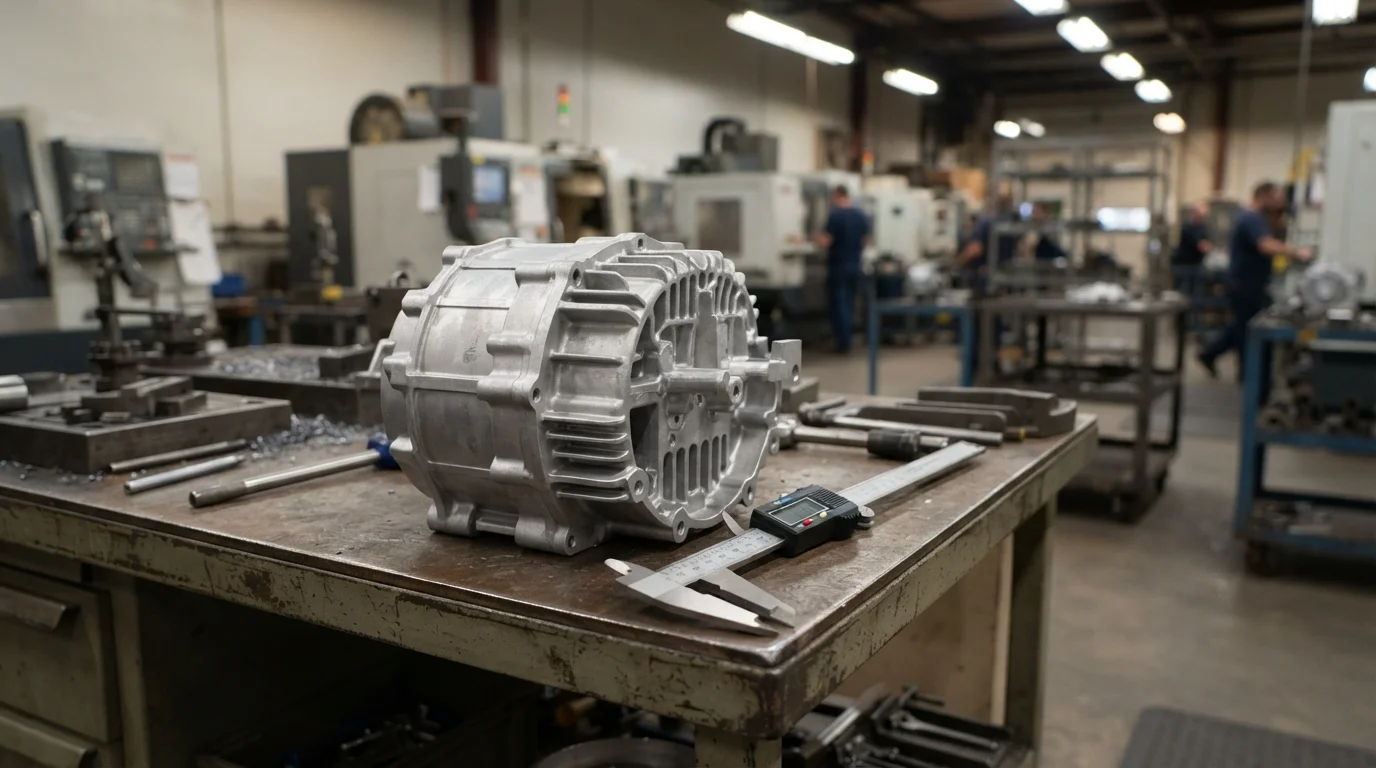
Producing complex, thin-walled structural metal components at scale requires manufacturing methods that combine rapid cycle efficiency with exceptional dimensional repeatability. When automotive original equipment manufacturers design electric drive units or transmission housings, implementing precise automotive die casting becomes indispensable. Without high-pressure metal injection systems, forming intricate lightweight Aluminiumlegierung oder magnesium alloy geometries with integrated cooling channels remains entirely unfeasible.
Die Nutzung eines erfahrenen Rapid-Prototyping partner ensures that cast-metal components transition smoothly from digital structural simulations into rigorous physical testing phases. Let us examine the casting mechanics and vacuum-assisted protocols that drive modern lightweight vehicle engineering.
Module 1 – Definition and Working Principles of High-Pressure Casting
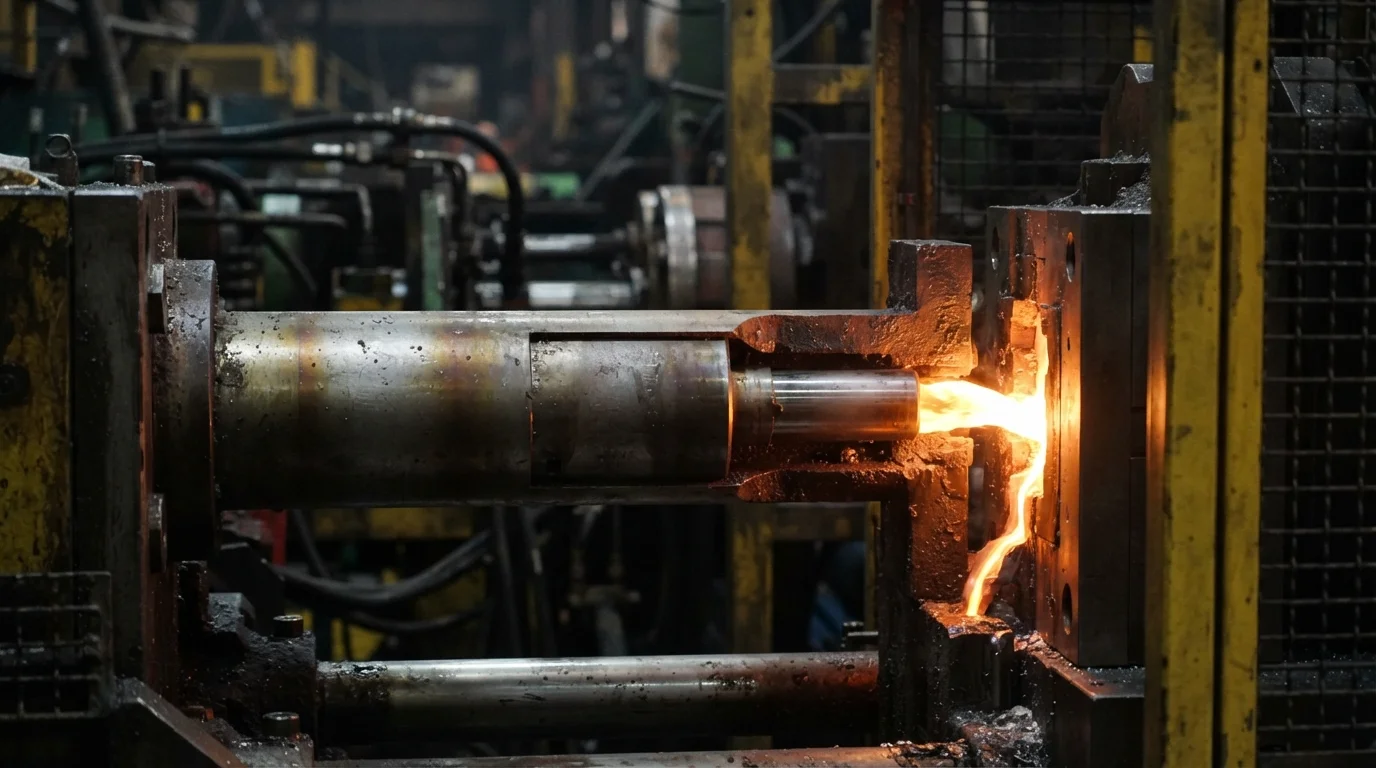
High-pressure die casting is an advanced metal-forming method that forces molten non-ferrous alloys into hardened steel molds under immense hydraulic pressure. The working principle relies on a shot sleeve feeding liquid metal into a closed cavity at high velocity, solidifying instantly to replicate complex shapes. While structural blocks are often shaped via CNC-Bearbeitung, mass-production thin-wall components rely entirely on efficient die casting techniques.
To execute structured casting workflows on structural alloy components, technicians could follow these practical steps:
- Tooling Pre-Heating: Bring the hardened steel mold base up to operational thermal equilibrium to prevent premature metal freezing.
- Vacuum Evacuation: Extract air out of closed cavity channels prior to metal injection to eliminate internal gas porosity.
- High-Velocity Injection: Force liquid metal under intense hydraulic pressure, followed by intensive squeezing phase compaction.
Modul 2 – Kernanwendungsszenarien
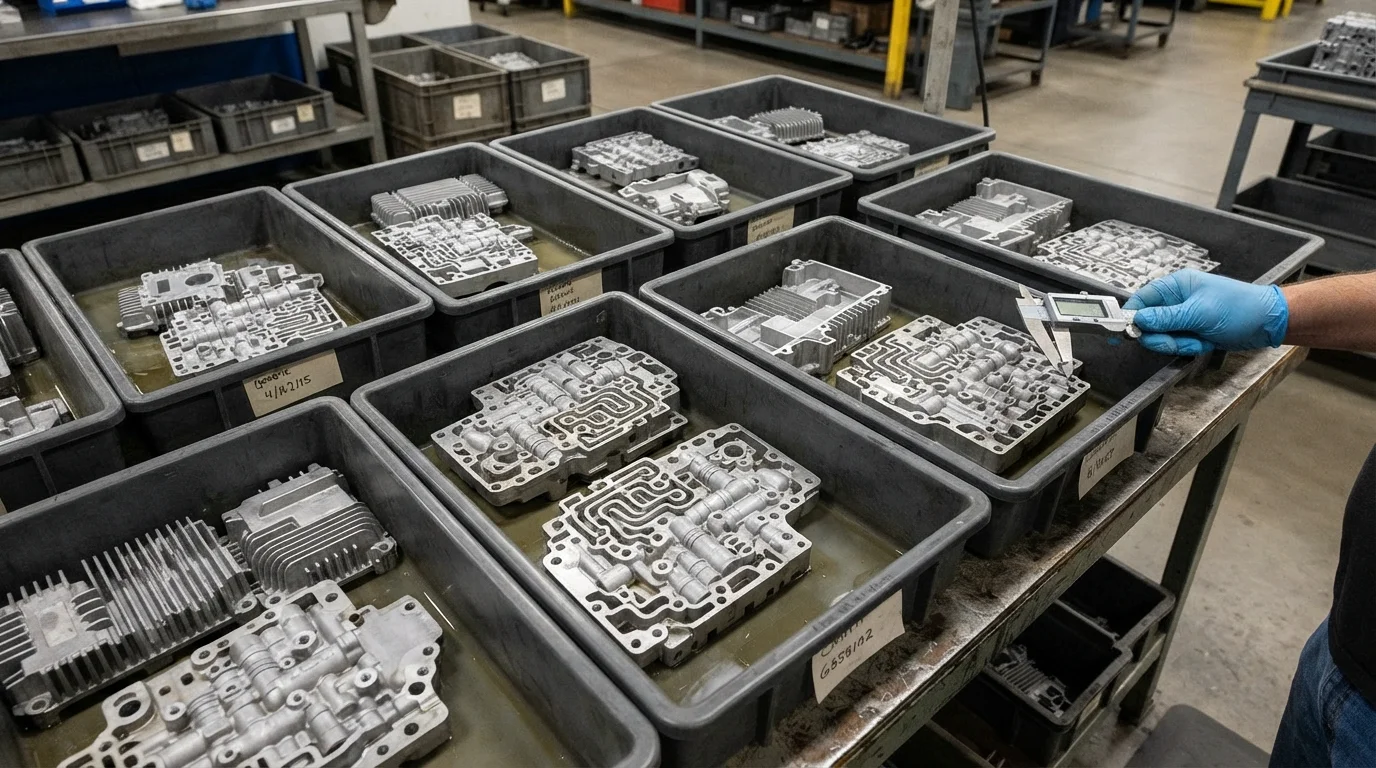
High-pressure metal forming is vital across electric vehicle powertrain architectures, structural chassis optimization, and thermal management systems where weight reduction dictates driving range. When engineering teams build structural electric drive units, deploying specialized automotive die casting components solves critical thermal and structural challenges. Feedback from professional prototyping groups on Reddit and Facebook indicates that vacuum-assisted casting is mandatory for structural integrity.
Zu den primären Anwendungsbereichen gehören:
- Electric Drive Units: Manufacturing lightweight EV motor housings and inverter/converter heat dissipation cases.
- Lighting & Transmission: Fabricating complex LED headlight heatsinks and transmission valve bodies with internal fluid channels.
- Structural Chassis: Casting large-format structural node components that replace multiple welded sheet metal parts.
Modul 3 – Wichtige Auswahlfaktoren für den Projekterfolg
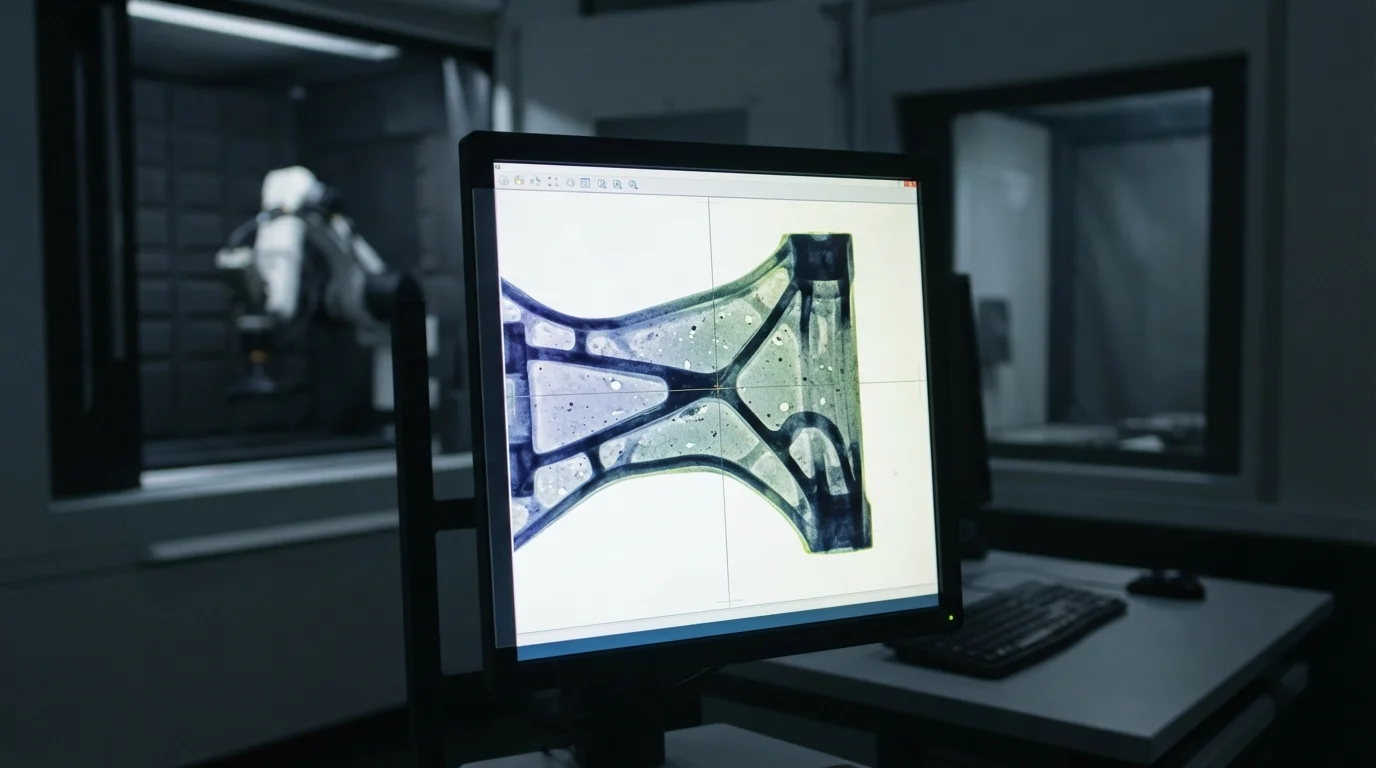
When specifying cast components for vehicle testing, engineering teams must weigh alloy fluidity, vacuum evacuation efficiency, and secondary machining tolerances. Evaluating these core parameters ensures your parts survive brutal road trials.
| Casting Application | Recommended Metal Alloy | Primärer Leistungsvorteil |
|---|---|---|
| Motor Housings | A380 / ADC12 Aluminum Alloy | Exceptional thermal conductivity and fluidity |
| Lightweight Brackets | AZ91D Magnesium Alloy | Maximum weight reduction for non-structural parts |
| Valve Bodies | Zinc ZA-8 Alloy | Superb dimensional precision and thin-wall casting |
Modul 4 – Installations- und Wartungstipps
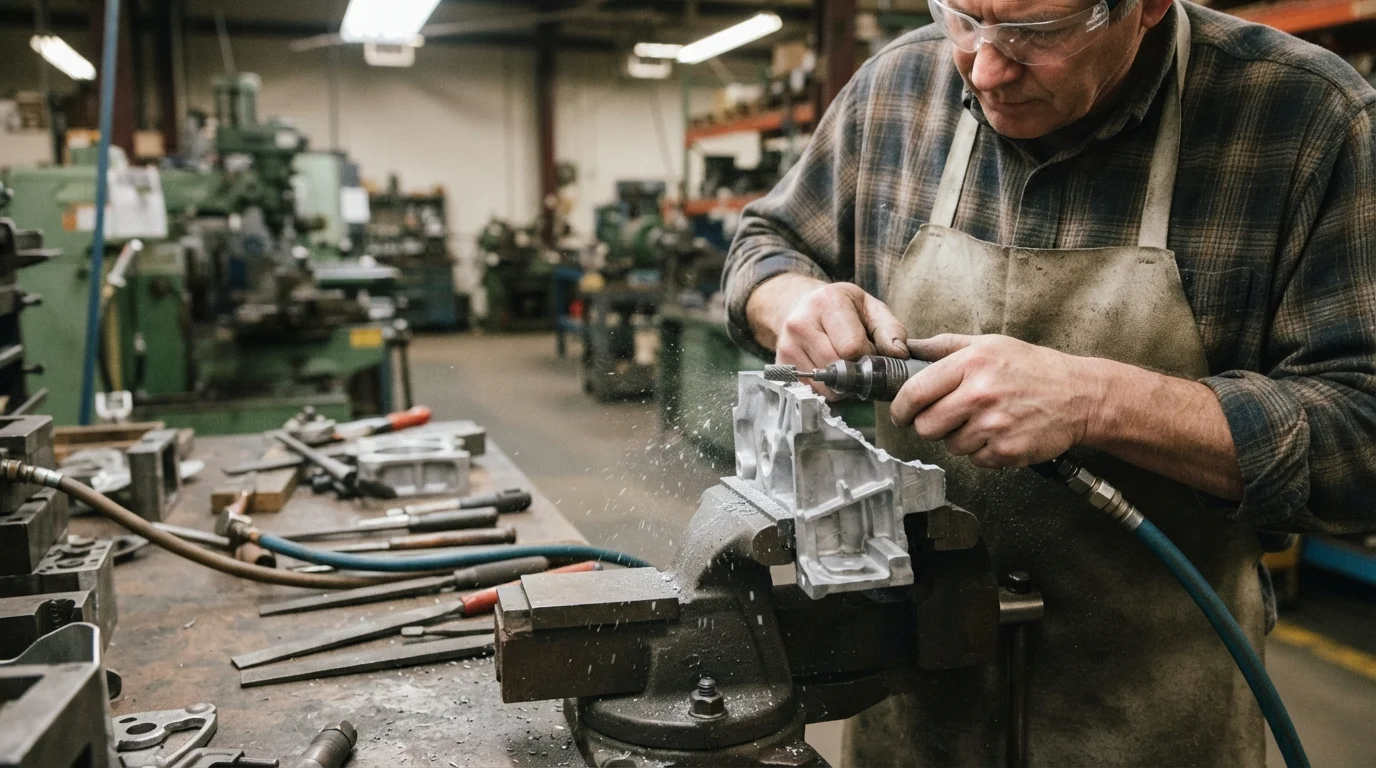
Proper shop-floor handling and routine mold inspection safeguard structural cast metal assemblies across active vehicle prototype testing stages. Protecting hardened tool steel cores from thermal fatigue ensures long-term operational alignment.
Wichtige Installations- und Wartungstipps umfassen:
- Thermal Fatigue Auditing: Inspect steel mold cores periodically under magnification to detect heat-checking cracks under stress.
- Plunger Lubrication: Apply specialized high-temperature lubricants onto the shot sleeve plunger tip to prevent metal seizing.
- Trimming Fixtures: Use dedicated press-fit trimming dies to shear away overflow biscuit and gating runners cleanly.
Modul 5 – Häufig gestellte Fragen (FAQ)
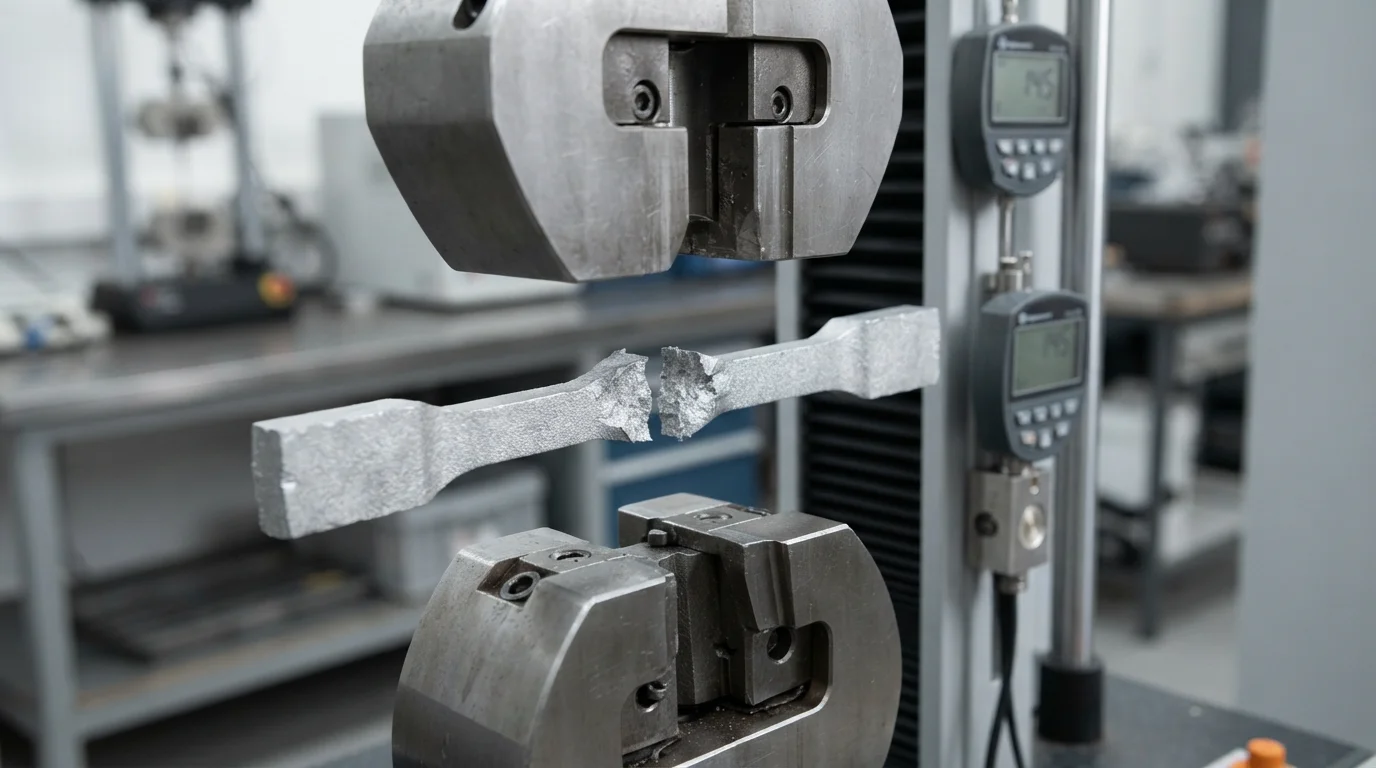
1. Why is vacuum assistance important in high-pressure die casting?
Vacuum extraction evacuates trapped air and gases from the mold cavity prior to metal injection, eliminating internal porosity and enabling structural heat treatment.
2. What alloys are most commonly utilized in automotive die casting?
Aluminum alloys such as A380 and ADC12 are most common due to their exceptional fluidity, high thermal conductivity, and optimal strength-to-weight ratio.
3. Can die-cast parts undergo secondary CNC touch-ups for tight tolerances?
Yes, critical mating surfaces, bearing bores, and threaded holes are routinely finished via 5-axis CNC machining to achieve micrometer precision.
4. How does die casting compare to sand casting for volume production?
Die casting delivers vastly superior surface finish, thinner wall capabilities, and much faster cycle rates suitable for large batch manufacturing.
5. What prevents molten aluminum from sticking to the steel mold?
Automated spray systems apply specialized water-based release lubricants onto the mold cavity faces prior to each injection cycle.
6. How does Jucheng Precision ensure structural integrity in die casting?
Jucheng Precision employs vacuum-assisted casting cells, rigorous X-ray density checks, and 5-axis CNC touch-ups under strict IATF 16949 quality controls.
Modul 6 – Warum JUCHENG für Ihr Projekt wählen
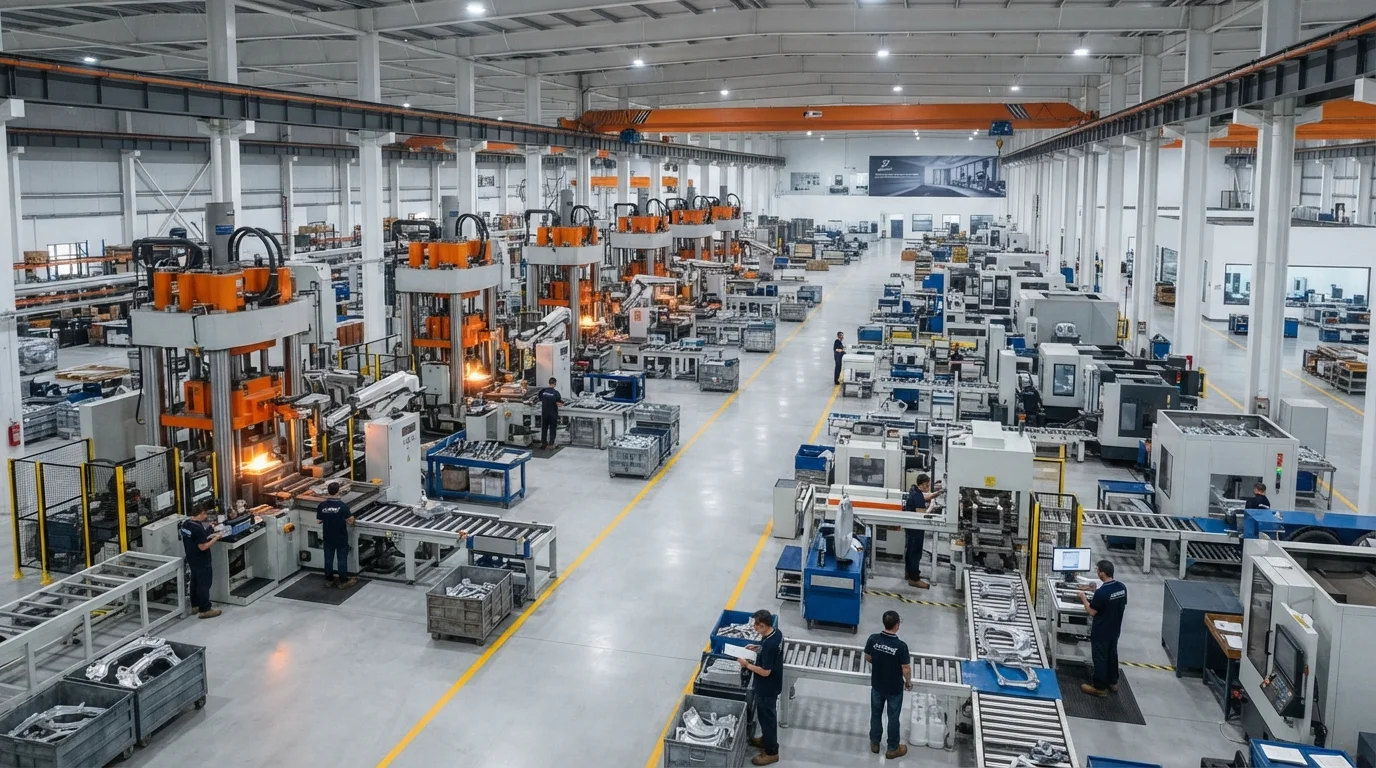
Achieving uncompromising structural reliability requires an experienced manufacturing partner. JUCHENG unterstützt Hardware-Innovatoren durch die Bereitstellung umfassender 24-Stunden-kostenlose DFM reviews that analyze draft angles, gate layouts, and wall thicknesses prior to production. Founded in Shenzhen in 2012 with an 8,000-square-meter facility in Dongguan, our factory houses 150+ advanced machines, including specialized high-pressure casting cells and 5-axis milling units.
Gestützt durch ISO 9001, ISO 14001, ISO 13485 und IATF 16949 Zertifizierungen stellen unsere technischen Teams sicher, dass die Ausführung von Hochleistungs- automotive die casting components achieves porosity-free integrity and absolute batch consistency.
Ready to Cast Your Critical Automotive Metal Components?
Laden Sie noch heute Ihre 3D-Modelle hoch, um sofortiges Feedback, wettbewerbsfähige Preise und eine professionelle DFM-Analyse von unseren erfahrenen Ingenieurexperten zu erhalten. Lassen Sie JUCHENG Ihre komplexen Designs mit unvergleichlicher Geschwindigkeit und Zuverlässigkeit zum Leben erwecken!

