


Applying vdi 3400 texture on rapid injection molds
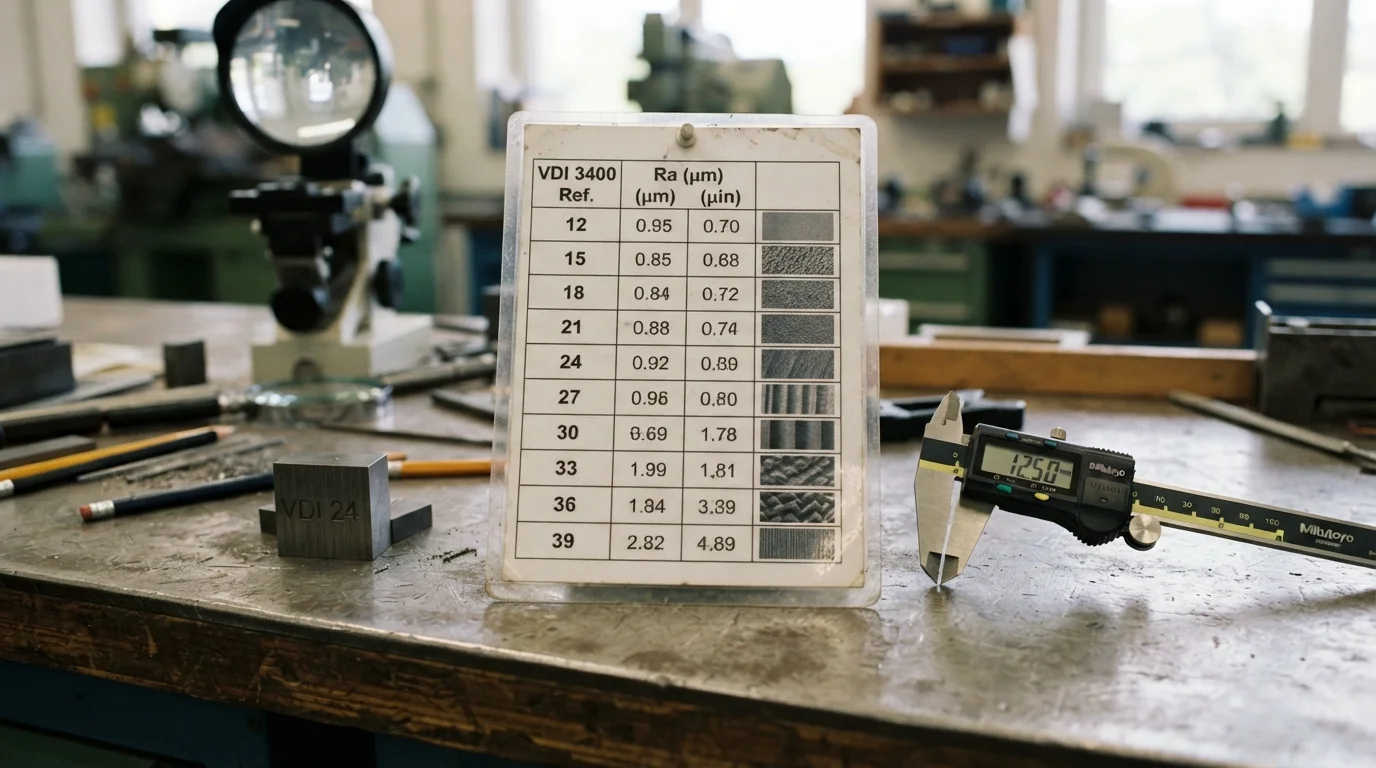
Applying a consistent matte or grain pattern onto plastic parts is a crucial step for masking cosmetic flaws and enhancing ergonomics. When engineers specify vdi 3400 texture on rapid injection molds, understanding European standard EDM grain classifications ensures predictable surface results. Without precise textural callouts during tool design, molded housings may suffer from uneven light reflection or poor tactile grip.
Die Nutzung eines erfahrenen Schnellwerkzeug provider ensures that electrical discharge texturing is accurately executed on soft metal inserts before Spritzgießens bridge runs commence. Let us examine how VDI standards operate and why texturing is indispensable for functional enclosures.
Module 1 – Definition and Working Principles of VDI Texturing
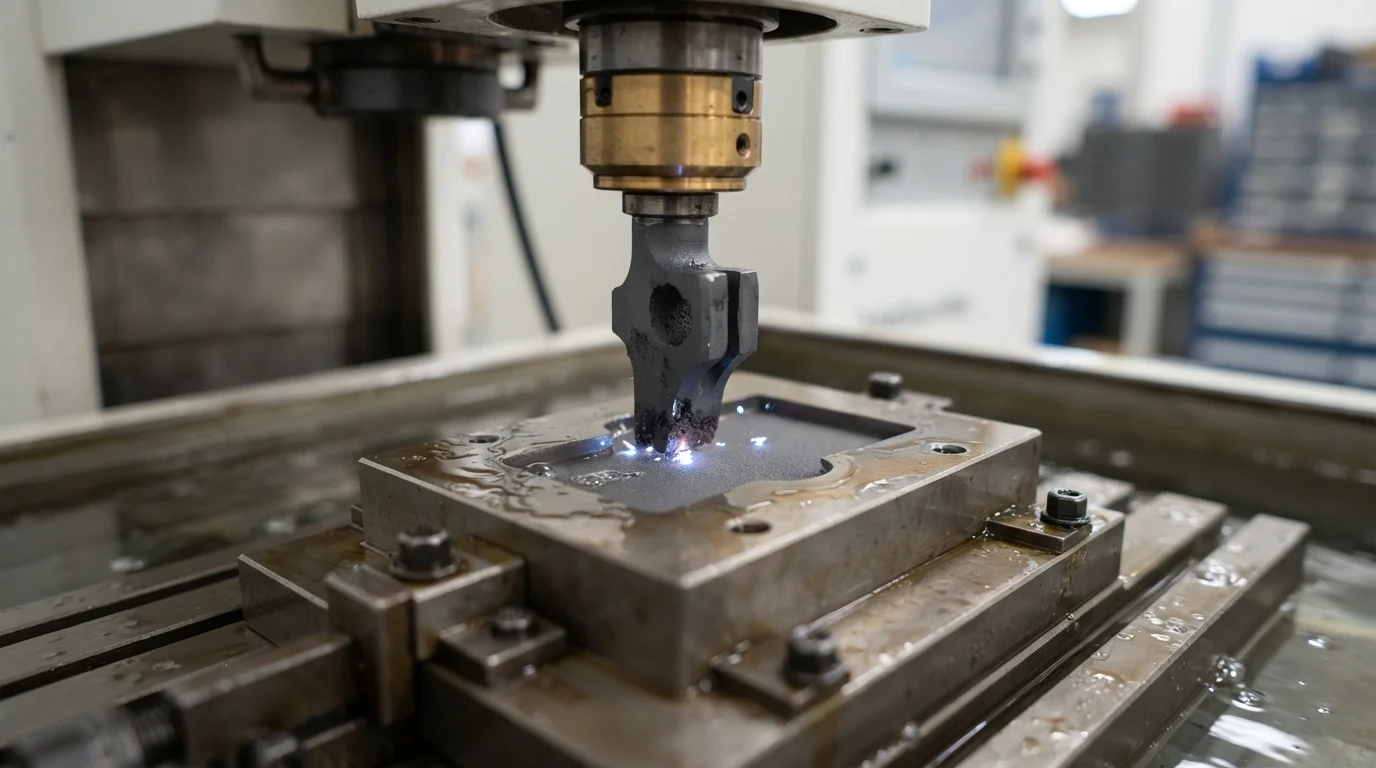
The VDI 3400 standard established by the Association of German Engineers provides a standardized scale for measuring surface roughness created via electrical discharge machining (EDM). The working principle relies on controlled electrical sparks eroding microscopic craters into the mold cavity surface. This textured topography is subsequently transferred onto ABS, Polycarbonat (PC), oder Aluminium inserts during CNC-Bearbeitung and high-pressure pressing.
To implement structured VDI texturing parameters on technical blueprints, toolmakers could follow these practical steps:
- Reference Scale Conversion: Cross-reference target VDI numbers (such as VDI 21, 24, or 27) with equivalent Ra roughness values before programming EDM equipment.
- Draft Angle Adjustment: Increase vertical wall draft angles by an additional 1 degree for every 0.025 mm of texture depth to guarantee smooth part release.
- Spark Intensity Control: Calibrate current and voltage parameters carefully to ensure uniform grain distribution across deep pockets.
Modul 2 – Kernanwendungsszenarien
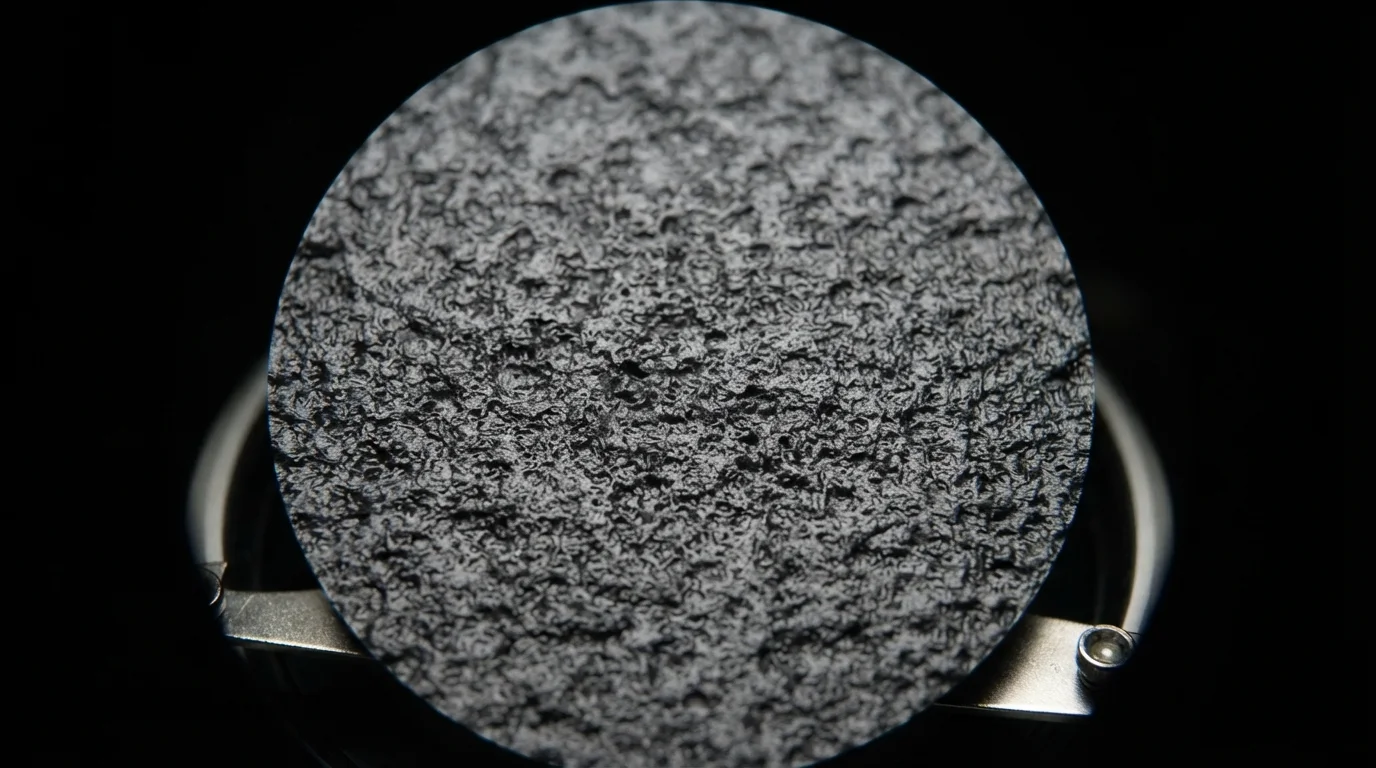
Applying controlled VDI textures is essential across high-stress sectors including automotive dashboards, consumer power tool grips, and rugged industrial enclosures where minimizing glare and improving tactile ergonomics dictate commercial viability. Feedback from professional engineering groups on Reddit and Facebook indicates that strategic texturing effectively hides minor cosmetic imperfections.
Zu den primären Anwendungsbereichen gehören:
- Automotive Dashboards: Molding interior instrument clusters with medium VDI grades to eliminate dangerous windshield glare under sunlight.
- Power Tools: Fabricating handheld tool enclosures with deep textured grips to prevent slippage during heavy operation.
- IoT Enclosures: Producing smart home hubs with balanced matte textures that complement modern interior aesthetics.
Modul 3 – Wichtige Auswahlfaktoren für den Projekterfolg
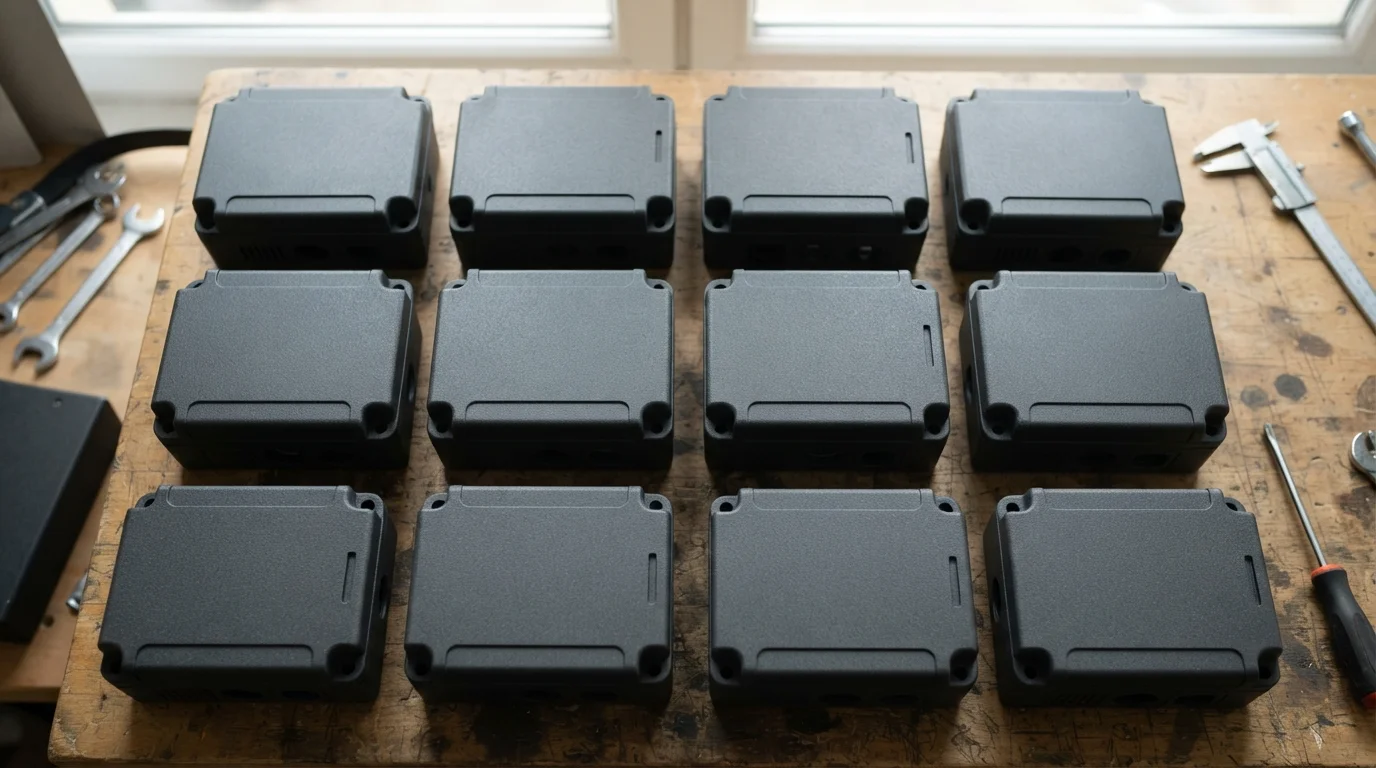
When specifying EDM textures for rapid molds, engineering teams must weigh grain depth against ejection resistance and tool machining expenses. Evaluating these core parameters ensures your parts achieve both visual uniformity and smooth mechanical release.
| VDI 3400 Reference | Approximate Ra Roughness | Typical End-Use Application |
|---|---|---|
| VDI 12 to 15 | 0.4 µm to 0.8 µm | Light micro-matte surfaces, cosmetic bezels |
| VDI 18 to 24 | 1.1 µm to 2.2 µm | Standard consumer electronics, hand grips |
| VDI 27 to 33 | 3.2 µm to 6.3 µm | Deep industrial textures, heavy-duty enclosures |
Modul 4 – Installations- und Wartungstipps
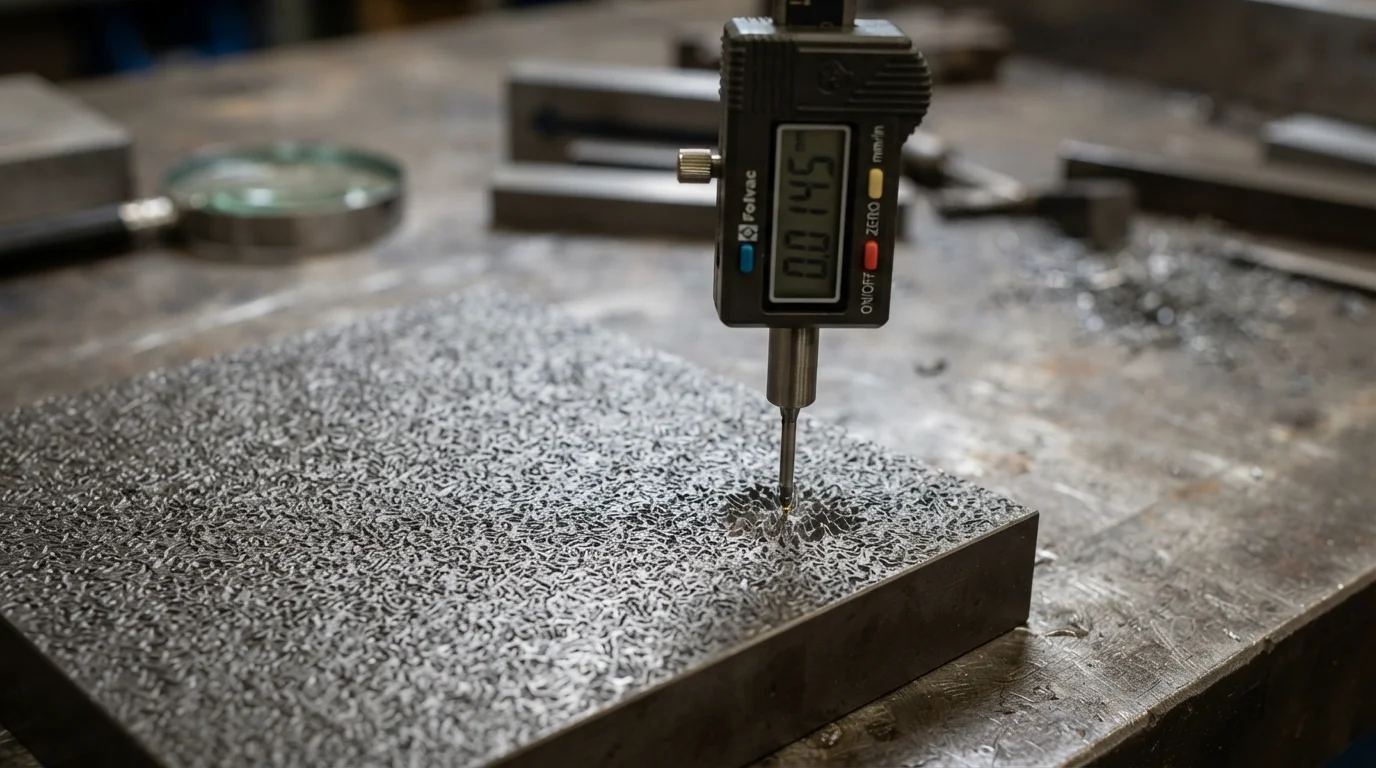
Proper toolroom handling and routine cleaning safeguard textured mold cavity walls across active short-run production cycles. Protecting delicate EDM micro-craters from aggressive wire brushing ensures consistent cosmetic replication.
Wichtige Installations- und Wartungstipps umfassen:
- Non-Abrasive Cleaning: Utilize soft brass scrapers and ultrasonic solvent baths to clear trapped polymer residue out of textured micro-pockets.
- Draft Angle Verification: Confirm that textured vertical walls possess sufficient taper to prevent surface dragging during high-speed press ejection.
- Anti-Rust Protection: Apply lightweight rust preventative mists carefully to avoid filling fine VDI grain cavities during storage.
Modul 5 – Häufig gestellte Fragen (FAQ)
1. What does VDI 3400 measure on an injection mold?
VDI 3400 measures the surface roughness topography created by electrical discharge machining (EDM) on mold cavity walls, providing a standardized scale for matte and textured plastics.
2. How does VDI texturing help hide sink marks on plastic parts?
Textured micro-craters diffuse light reflections across the polymer surface, effectively masking minor localized sink marks and gate blemishes that would appear obvious on high-gloss parts.
3. Can VDI textures be applied to rapid aluminum molds?
Yes, rapid aluminum and steel molds can undergo controlled spark erosion or chemical texturing to impart precise VDI grades onto pilot production components.
4. Why are increased draft angles required for textured mold walls?
Textured surfaces create microscopic mechanical interlocking with cooling plastic, requiring extra draft taper to ensure the part releases cleanly without scratching.
5. How do VDI numbers convert to standard Ra roughness metrics?
Each VDI step corresponds to a specific average roughness (Ra) range, allowing engineers to translate European EDM standards directly into engineering drawings.
6. How does Jucheng Precision execute custom VDI texturing?
Jucheng Precision provides specialized EDM texturing, expert DFM draft evaluations, and precision injection molding to achieve flawless matte cosmetics.
Modul 6 – Warum JUCHENG für Ihr Projekt wählen
Executing precise VDI surface texturing requires an experienced manufacturing partner. JUCHENG unterstützt Hardware-Innovatoren durch die Bereitstellung umfassender 24-Stunden-kostenlose DFM reviews that analyze draft angles, texturing depths, and gate locations prior to tool cutting. Founded in Shenzhen in 2012 with an 8,000-square-meter facility in Dongguan, our factory houses 150+ advanced machines, including 25+ high-performance 5-axis Haas and Mazak milling centers.
Backed by ISO 9001, ISO 14001, ISO 13485, and IATF 16949 certifications, our engineering teams ensure your bridge tooling achieves optimal cosmetic excellence and durability.
Ready to Apply Precise VDI Textures to Your Rapid Molds?
Laden Sie noch heute Ihre 3D-Modelle hoch, um sofortiges Feedback, wettbewerbsfähige Preise und eine professionelle DFM-Analyse von unseren erfahrenen Ingenieurexperten zu erhalten. Lassen Sie JUCHENG Ihre komplexen Designs mit unvergleichlicher Geschwindigkeit und Zuverlässigkeit zum Leben erwecken!

