


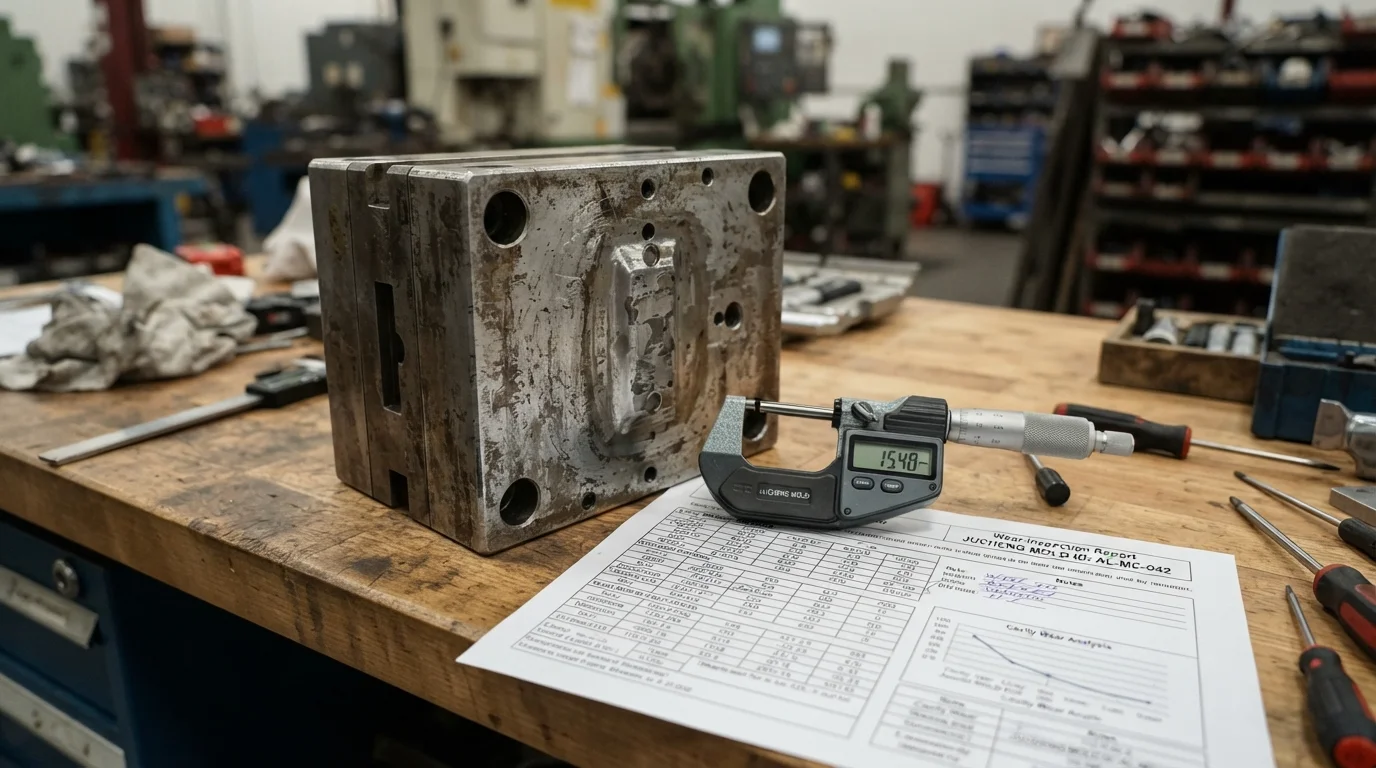
Reaching the halfway mark of a commercial manufacturing campaign only to watch your injection mold suffer catastrophic parting line failure is an engineering director’s worst nightmare. Understanding how many functional parts a metal block can eject before experiencing wear-induced flash directly dictates your production ROI. Analyzing tool life p20 steel vs aluminum injection molds helps product teams establish realistic shot count expectations and choose the ideal alloy for their bridge production schedules.
Inhaltsverzeichnis
1. Realistic Lifespan: Shot Count Expectations for Soft Metals
2. Wear Factors: Clamping Force and Ejector Pin Friction
Realistic Lifespan: Shot Count Expectations for Soft Metals
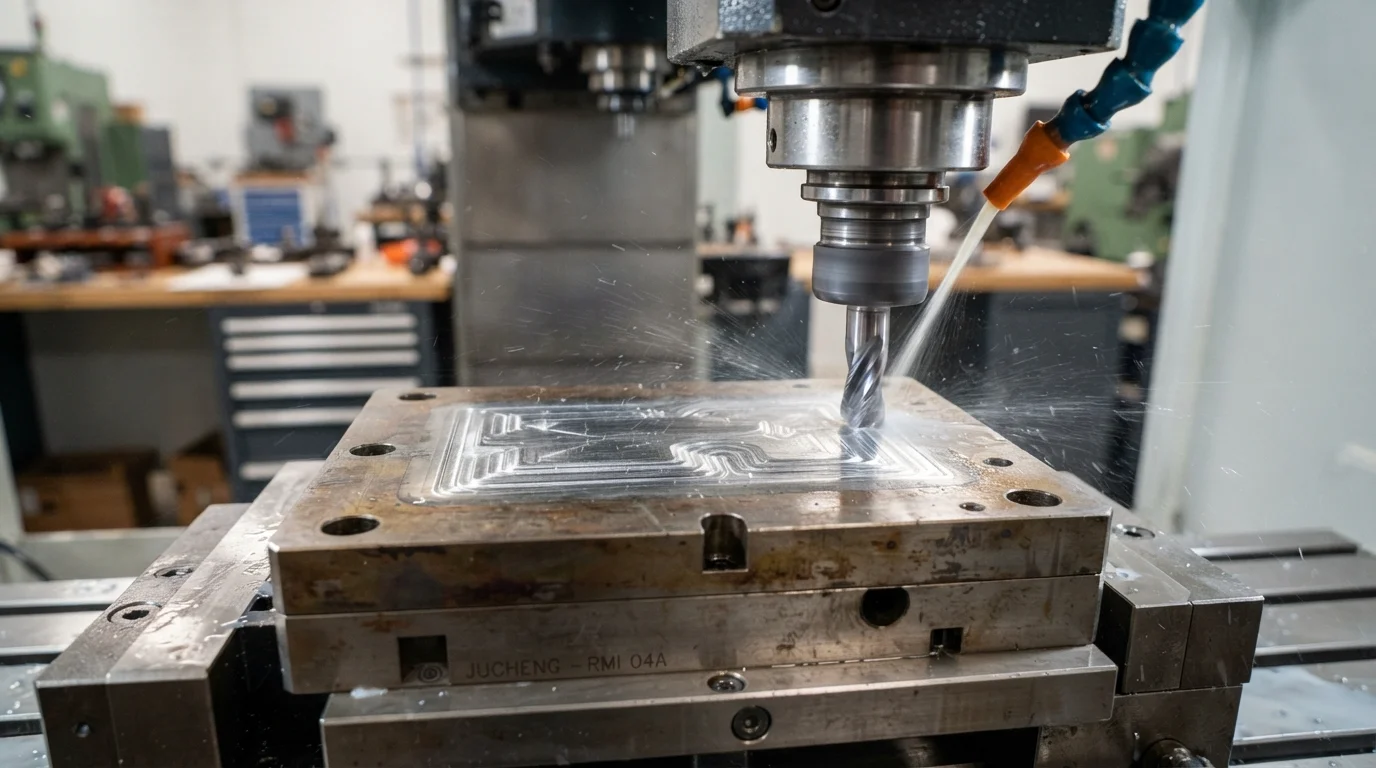
Question: What are the typical commercial production shot count limits when comparing aluminum bridge tools against pre-hardened steel molds? Aluminum rapid molds safely deliver between 10,000 and 50,000 cycles, whereas P20 pre-hardened steel easily sustains 50,000 to over 100,000 continuous injection shots.
Matching tool longevity with your projected market demand prevents premature tooling failures. While aerospace aluminum shines for initial proof-of-concept pilot runs, expanding quantities will eventually test the fatigue limits of non-ferrous alloys. Sourcing a dedicated Schnellwerkzeugbau-Service ensures your alloy choice matches your exact commercial volume goals. Utilizing an agile Spritzguss-Service maintains stable press parameters to protect mold integrity.
Contrasting operational lifespans across rapid tooling alloys involves monitoring specific durability milestones:
| Tooling Performance Parameter | AL7075-T6 Aluminum Molds | Formen aus vorgehärtetem P20-Stahl |
|---|---|---|
| Expected Commercial Shot Count | 10.000 bis 50.000 Zyklen | 50,000 to 100,000+ cycles |
| Resistance to Parting Line Flash | Moderate (Susceptible to crushing over time) | High (Maintains sharp shut-offs) |
| Overall Tooling Durability | Ideal for rapid prototyping and low-rate initial runs | Built for extensive bridge manufacturing campaigns |
Wear Factors: Clamping Force and Ejector Pin Friction
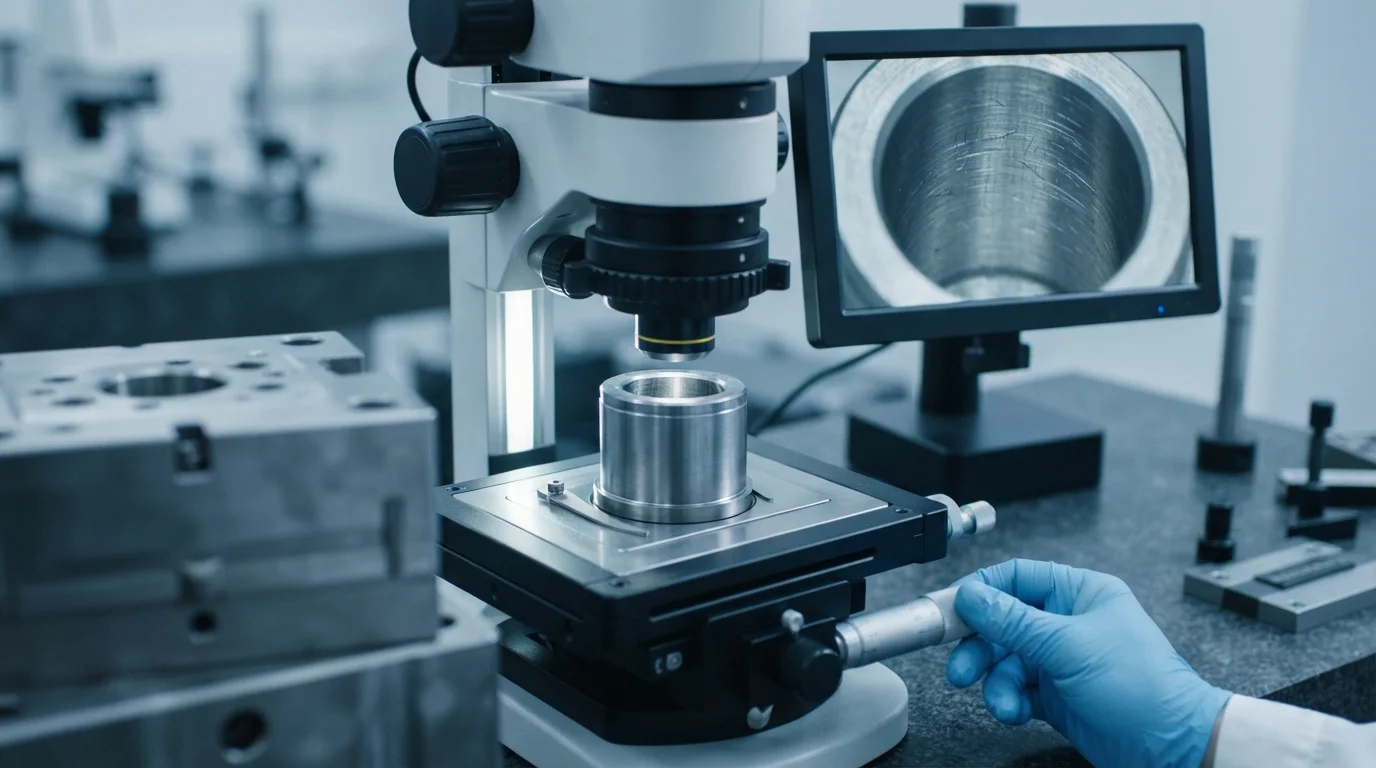
Question: Which mechanical stressors contribute most heavily to the physical degradation of soft metal mold inserts during serial cycling? Repeated high-tonnage clamping impacts and continuous sliding friction from steel ejector pins gradually score and deform softer cavity walls.
Every time a molding press cycles, steel ejector pins thrust forward to strip solidified polymer parts off core features. On aluminum tools, this repetitive metal-on-metal sliding action can cause pin-hole galling and micro-scoring if lubrication and tolerances aren’t meticulously controlled. P20 steel absorbs this mechanical friction far more gracefully due to its hardened surface matrix.
Preserving tool longevity and preventing mechanical wear involves monitoring key maintenance practices:
- Monitoring ejector alignment—Ensuring pins slide cleanly without rubbing against aluminum cavity sidewalls
- Optimizing clamp tonnage—Preventing excessive press pressure from flattening delicate mold shut-offs
- Scheduled toolroom servicing—Cleaning and lubricating moving components every 5,000 cycles
When to Upgrade from Aluminum to P20 Pre-Hardened Steel
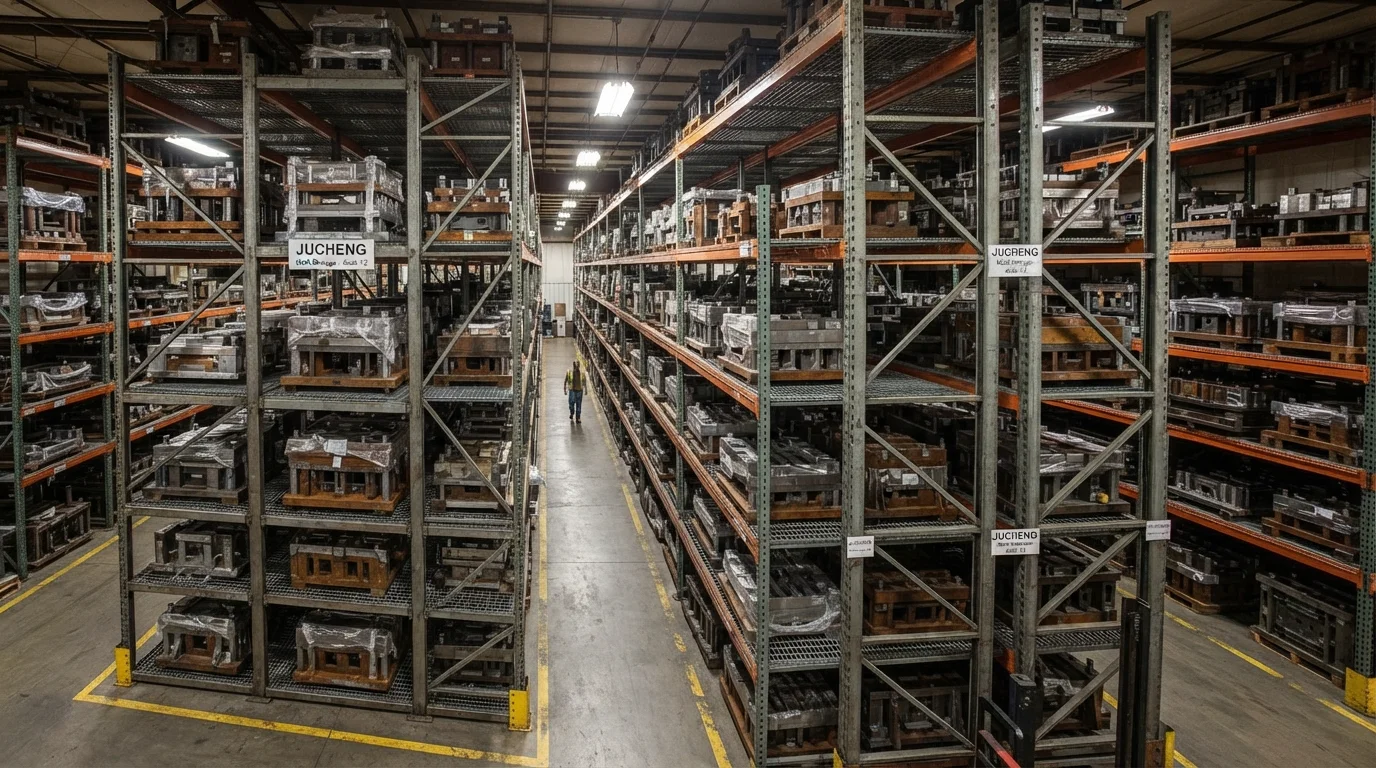
Jucheng Precision unterstützt Hardware-Entwickler durch umfassende 24-Stunden-kostenlose DFM reviews that evaluate project lifetime volume targets and material wear risks prior to cutting metal. Operating with 150+ advanced CNC machines alongside 35+ specialized injection molding workstations, our ISO 9001 certified facilities ensure comprehensive maintenance and structural guarantees.
Key operational advantages of our tooling maintenance and manufacturing framework include:
- Expert longevity consulting—Determining whether aluminum speed or P20 steel durability best suits your batch targets
- In-house toolroom maintenance—Providing expert cleaning, tuning, and repair support under one roof
- Null Mindestbestellmengen-Beschränkungen—No MOQ policies allow exact inventory alignment with pilot production runs
Planning a long-run manufacturing campaign? Let Jucheng’s engineering teams ensure your mold longevity.
Häufig gestellte Fragen (FAQ)
What are the expected shot count differences between P20 steel and aluminum injection molds?
Aluminum rapid molds safely achieve between 10,000 and 50,000 production cycles, whereas pre-hardened P20 steel molds easily sustain 50,000 to over 100,000 continuous injection shots.
Can an aluminum mold be upgraded to P20 steel later if production demands increase?
An existing aluminum mold cannot be directly upgraded to steel. If an aluminum tool reaches its lifespan limit and volume demands grow, a new mold core must be machined using P20 steel stock.
How does Jucheng Precision support long-term rapid mold maintenance?
Jucheng Precision provides 24-hour free DFM reviews, expert alloy selection, and in-house toolroom maintenance to guarantee structural durability across your manufacturing campaigns.

