


The visual appeal and tactile texture of a molded polymer enclosure dictate whether a commercial product captures consumer attention or gets passed over on crowded retail shelves. Achieving pristine surface cosmetics straight out of an injection press requires meticulous toolroom hand-finishing, diamond buffing, and chemical texturing directly inside the metal mold cavities. When evaluating bridge tooling alloys, understanding how different metals respond to polishing abrasives is vital for cosmetic success.
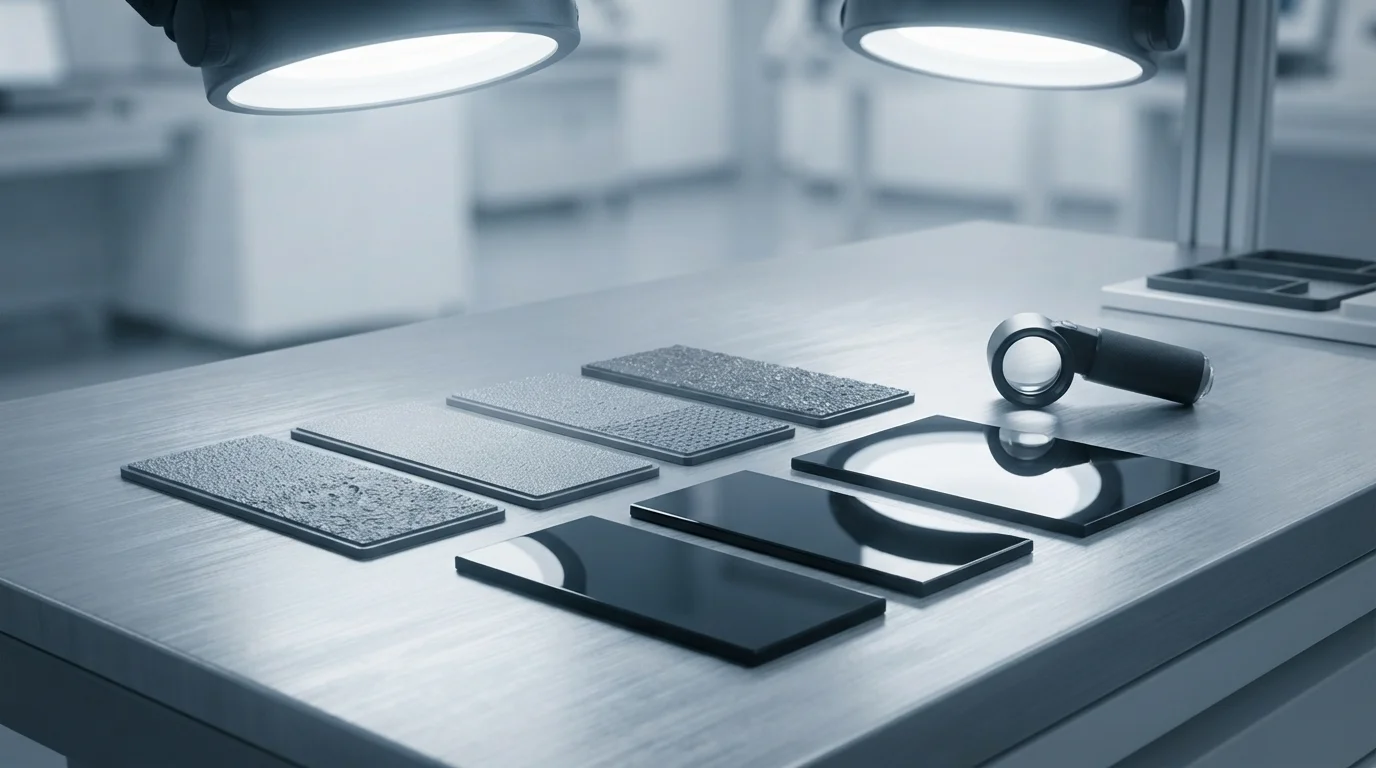
Contrasting surface finishing p20 steel vs aluminum molds highlights distinct metallurgical behaviors during high-gloss mirror polishing and chemical VDI texturing. While aluminum blocks cut exceptionally fast on CNC machines, achieving an optical SPI-A2 finish requires specialized skill due to softer matrix characteristics. Conversely, pre-hardened P20 steel offers a dense grain structure that holds fine micro-textures exceptionally well.
Inhaltsverzeichnis
1. Achieving SPI A2 Mirror Finishes on Aluminum versus P20 Steel
2. Mold-Tech Texturing and VDI Etching Compatibility on Soft Metals
Achieving SPI A2 Mirror Finishes on Aluminum versus P20 Steel
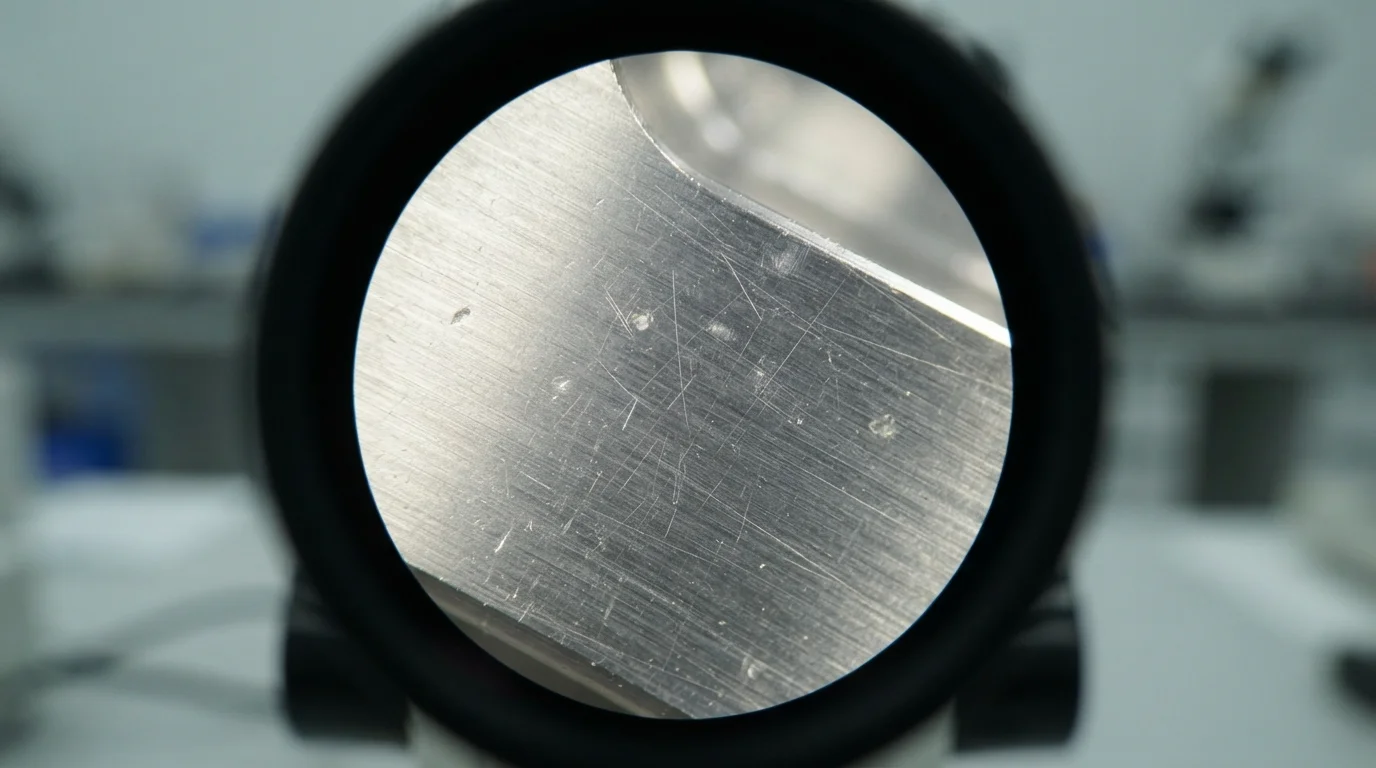
Question: How do toolmakers handle the microscopic porosity and alloy composition differences when buffing aluminum cavities to high-gloss mirror standards? Skilled technicians utilize graded diamond compounds and specialized rotary pads to avoid tearing the softer aluminum matrix while smoothing out micro-scratches.
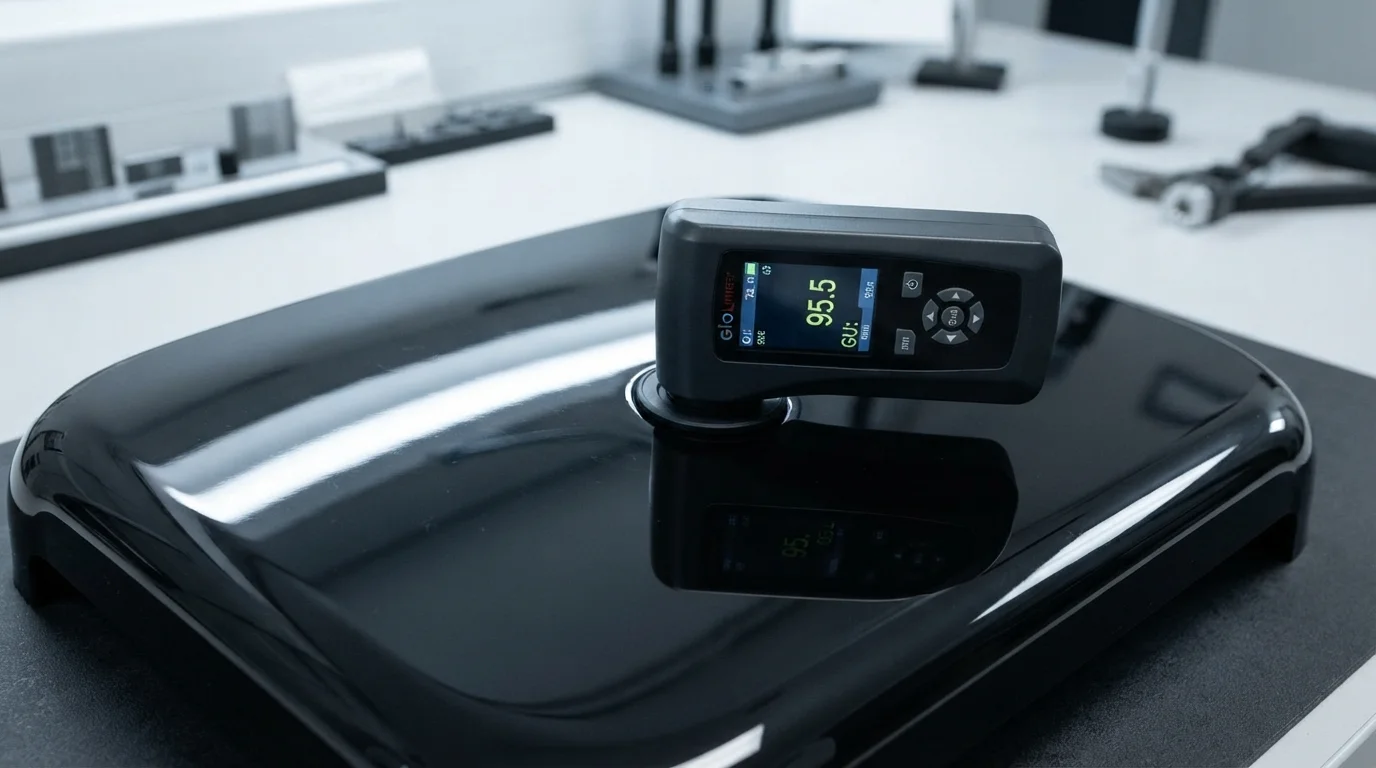
Reaching an optical SPI-A2 mirror finish on an injection mold is a painstaking craft. Because pre-hardened P20 steel possesses greater baseline hardness, it tolerates aggressive diamond compound buffing without risking surface pitting. Aluminum, while capable of achieving remarkable clarity for transparent lenses or glossy consumer bezels, demands expert touch to prevent orange-peel surface distortions during hand-lapping.
Evaluating cosmetic polishing standards across rapid tooling alloys involves monitoring specific technical metrics:
| Polishing Standard | AL7075-T6 Aluminum Behavior | Pre-Hardened P20 Steel Behavior |
|---|---|---|
| SPI-A2 High Gloss Polish | Achievable with expert hand-lapping; prone to scratching | Highly stable; retains mirror shine over extensive runs |
| SPI-C3 Stone Finish | Fast preparation for general non-optical surfaces | Clean baseline finish prior to texturing applications |
| Optical Clarity for Lenses | Excellent for clear PC/PMMA short-run optics | Exceptional long-term optical mold performance |
Mold-Tech Texturing and VDI Etching Compatibility on Soft Metals
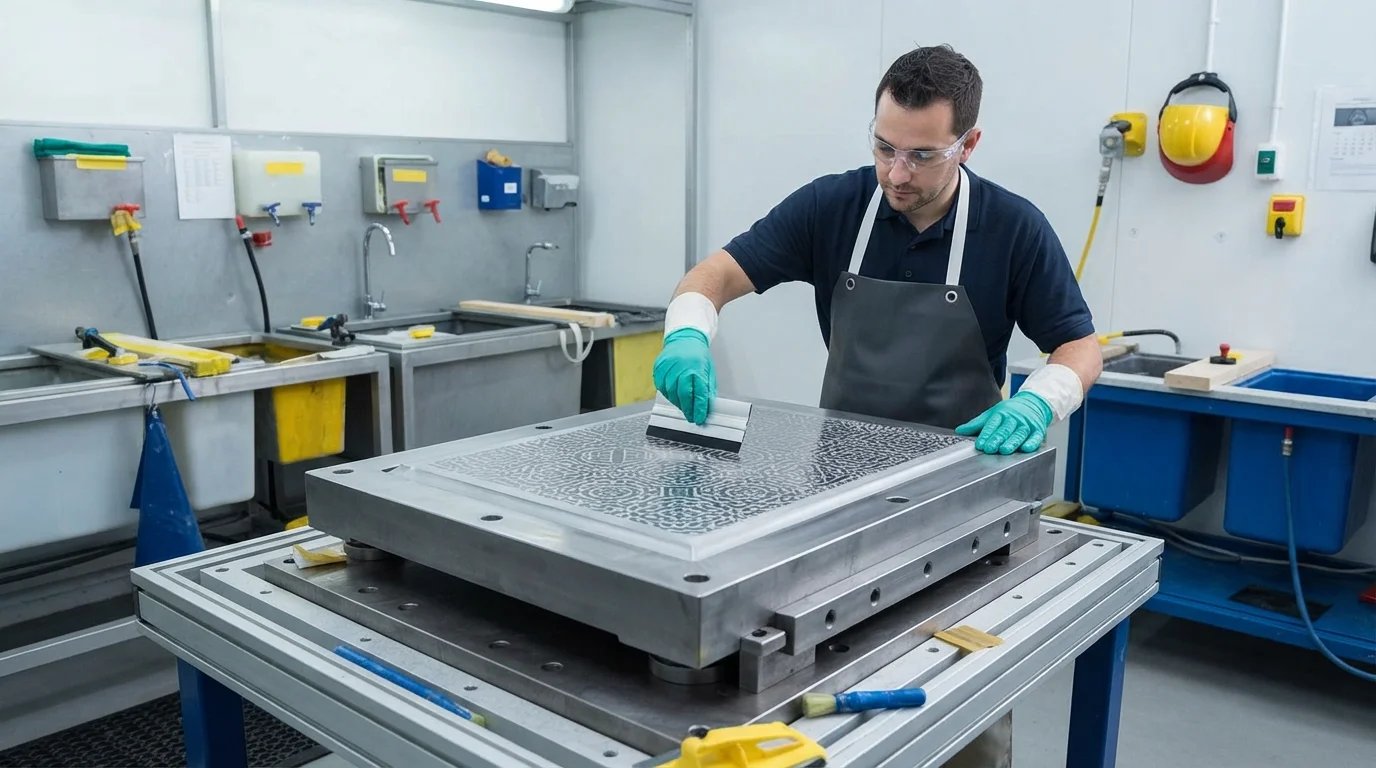
Question: Can chemical acid etching and VDI texturing be applied uniformly across both aluminum and pre-hardened steel mold cavities? Yes, though chemical mask application and acid dwell times must be custom-tailored because non-ferrous aluminum reacts far quicker to etching solutions than steel.
Adding sophisticated matte grains or leather-like textures onto electronic casings conceals unsightly sink marks and enhances hand-grip ergonomics. Acid texturing specialists must protect untextured shut-off faces meticulously while exposing cavity walls to controlled chemical baths. Utilizing an agile Spritzguss-Service ensures textured parts release cleanly without trapping polymer residue.
Controlling cosmetic texture execution involves tracking key operational safeguards:
- Precise acid masking—Protecting delicate parting lines and sealing surfaces from aggressive chemical etchants
- Draft angle adjustment—Textured walls demand increased draft angles to prevent ejection scuffing
- Consistent grain depth—Verifying VDI depth uniformity using optical surface profile meters
Cosmetic Excellence for Consumer and Medical Housings
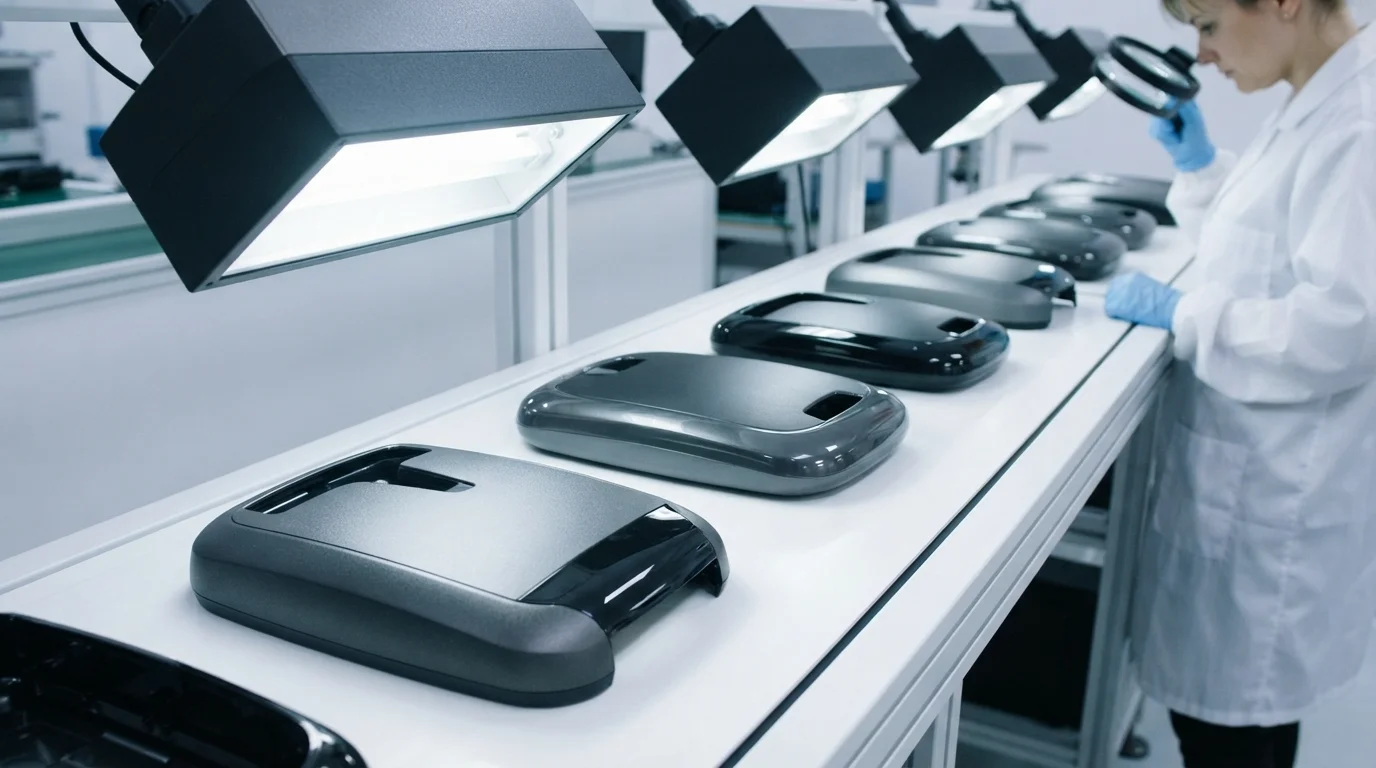
Delivering retail-ready consumer electronics and medical device enclosures requires absolute harmony between precision metal machining and expert hand-polishing. At Jucheng Precision, our dedicated toolroom artisans work hand-in-hand with multi-axis CNC programmers to execute flawless SPI mirror finishes and complex VDI texturing across both P20 steel and aluminum rapid molds. Supported by 150+ advanced machining workstations and rigorous ISO 9001 metrology audits, every cosmetic housing is guaranteed to match your exact visual standards straight from the press.
Explore advanced polishing services under one roof at Jucheng Precision to bring absolute cosmetic excellence to your next commercial hardware launch.
Häufig gestellte Fragen (FAQ)
Can aluminum rapid molds achieve mirror-polish finishes like P20 steel?
Aluminum can achieve impressive SPI-A2 mirror finishes suitable for short-run optical lenses, though P20 steel retains its high-gloss sheen far longer over extensive production cycles.
How does VDI texturing differ when applied to aluminum versus P20 steel?
Chemical acid etching reacts much faster with aluminum than with steel, requiring specialized mask application and carefully controlled dwell times to achieve uniform matte grain depths.
How does Jucheng Precision handle high-end mold polishing and texturing?
Jucheng Precision houses expert toolroom artisans, 150+ CNC workstations, and certified ISO 9001 metrology systems to deliver flawless SPI mirror finishes and VDI textures under one roof.

