


Exquisite visuelle Ästhetik kann über Erfolg oder Misserfolg eines Konsumprodukts bei seiner entscheidenden ersten Vorstellung entscheiden. Wenn Hardware-Designer einen frühen physischen Prototyp in Händen halten, bestimmt das taktile und kosmetische Erscheinungsbild sofort die Marktwahrnehmung. Leider zeigt die Bewertung kommerzieller Kosmetik eine massive Divergenz zwischen additiver Fertigung und Brückenwerkzeugbau. Die Analyse von Oberflächengüte 3D-Druck vs. Rapid Tooling zeigt, warum das Erreichen von verkaufsfertiger Perfektion das Aufgeben von manuellem Schleifen zugunsten der direkten Nachbildung von Metallformen aus der Presse erfordert.
Inhaltsverzeichnis
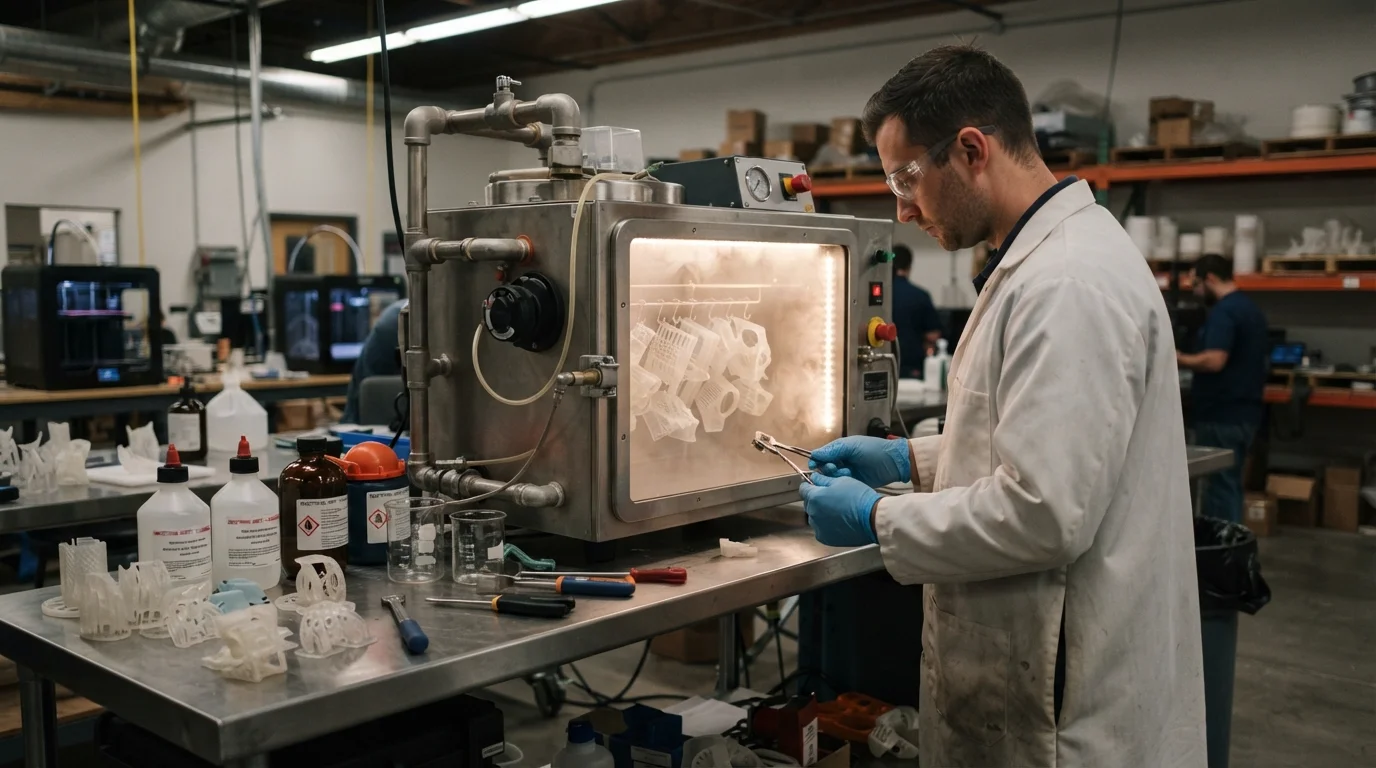
1. Überwindung von Schichtlinien: Die Nachbearbeitungslast von 3D-gedruckten Teilen
2. In-Mold-Texturen und SPI-Oberflächen: Direkt aus der Presse
Überwindung von Schichtlinien: Die Nachbearbeitungslast von 3D-gedruckten Teilen
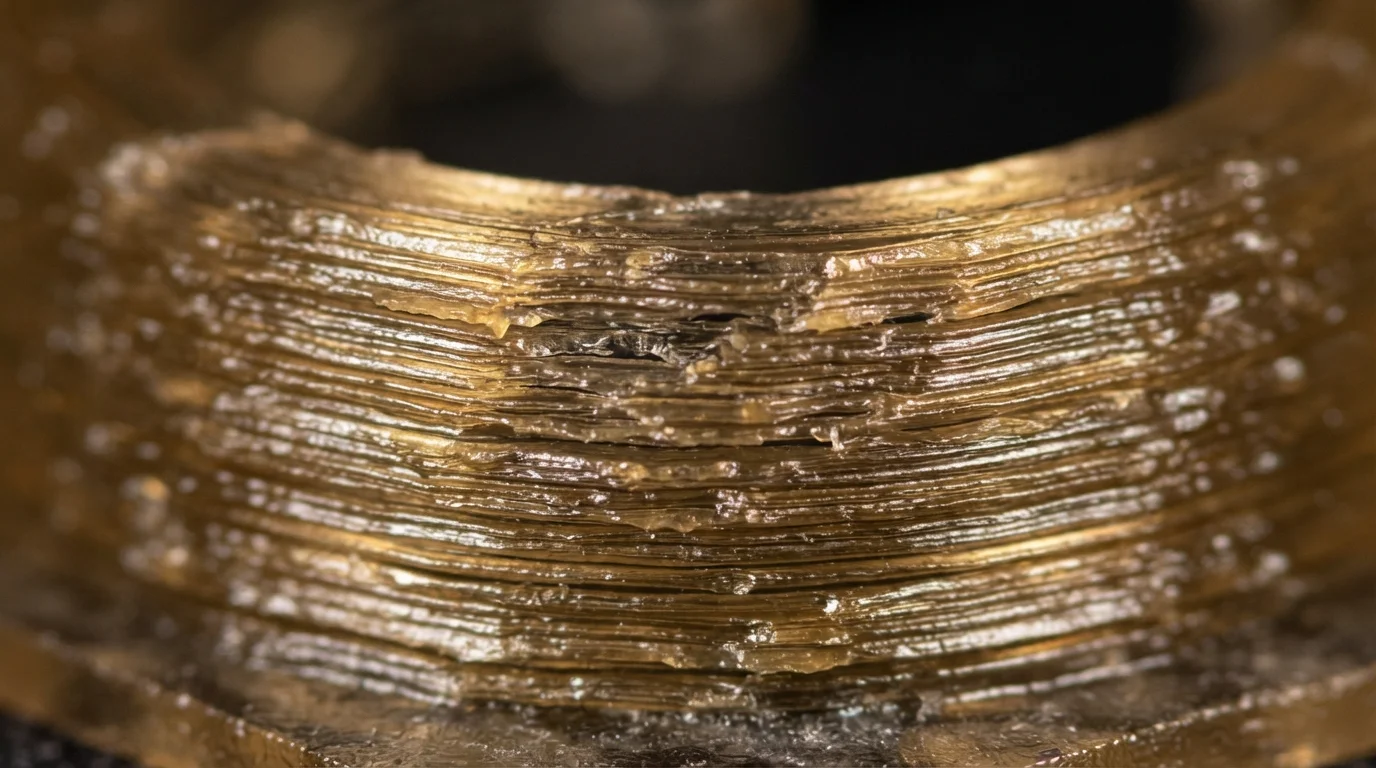
Frage: Warum erfordern 3D-gedruckte Komponenten von Natur aus umfangreiche manuelle Arbeit, um eine akzeptable kosmetische Glätte zu erreichen? Additive Ablagerung baut Teile durch sichtbare horizontale Schichten auf und hinterlässt Mikrorillen, die Schmutz einfangen und Lichtreflexionen verzerren.
Selbst hochauflösende Stereolithografie oder selektives Lasersintern hinterlässt deutliche topografische Signaturen, die stundenlanges Handschleifen, Grundieren und chemisches Dampfglätten erfordern. Obwohl diese Nachbearbeitungsmaßnahmen das Aussehen verbessern, runden sie häufig scharfe strukturelle Kanten ab und füllen feine Mikrostrukturen auf. Der Wechsel zu einem speziellen Rapid Tooling Servicee umgeht das manuelle Glätten vollständig, indem spiegelpolierte Kavitätstexturen während des Rapid-Press-Spritzgießens direkt auf die Polymeroberfläche übertragen werden.
Der Vergleich kosmetischer Entwicklungswege beinhaltet die Verfolgung spezifischer Oberflächenbearbeitungsattribute:
| Kosmetisches Attribut | Fortgeschrittene 3D-Druck-Oberfläche | Schnellspritzguss-Oberflächenfinish |
|---|---|---|
| Anfängliche Oberflächentopographie | Sichtbare horizontale Schichtstufen | Fehlerfreie Nachbildung der Metallwerkzeugpolitur |
| Scharfe Kantenerhaltung | Rundungen durch manuelles Schleifen | Knackige, rasiermesserscharfe Trennlinien und Ecken |
| Konsistenz von Charge zu Charge | Variabel durch manuelle Nacharbeit | Identisches kosmetisches Finish über Tausende von Einheiten |
In-Mold-Texturen und SPI-Finishes: Direkt aus der Presse
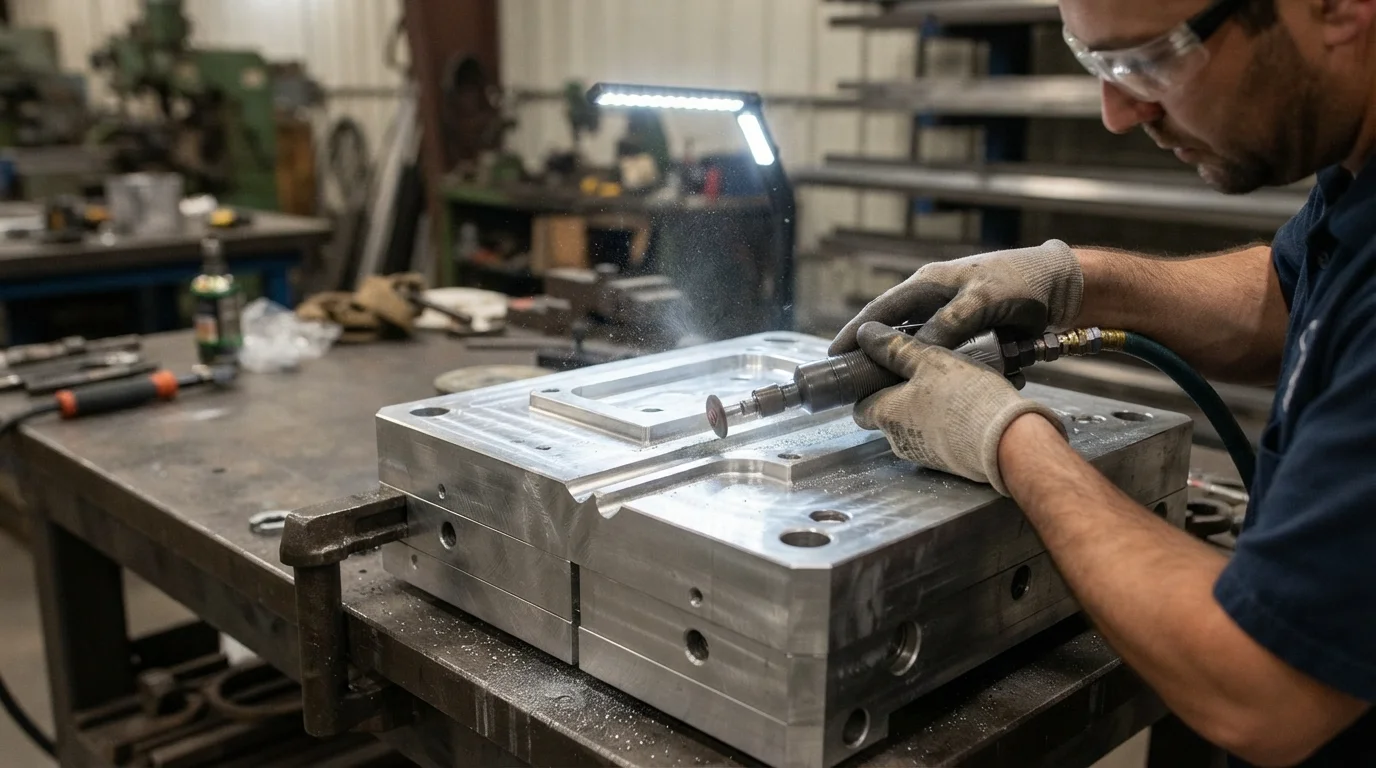
Frage: Wie erreichen Schnellspritzguss-Einsätze sofort beim Entformen hochglänzende Spiegelscheine oder komplexe matte VDI-Texturen? Erfahrene Werkzeugbauer polieren weiche Aluminium- oder Stahlkavitätenwände vor dem Produktionsspritzguss von Hand auf exakte SPI-Standards.
Kosmetik direkt aus der Presse eliminiert sekundäre Arbeitskosten und garantiert einheitliches Branding über jede hergestellte Einheit. Ob Ihr kommerzielles Design eine optisch klare Linse oder ein robustes mattes Elektronikgehäuse erfordert, Brückenwerkzeuge verarbeiten authentische Polymere wie ABS oder Polycarbonat (PC) mit makelloser visueller Wiedergabetreue. Die Nutzung eines agilen Spritzguss-Service gewährleistet optimale Schmelztemperaturkontrolle, um Oberflächenfehler zu vermeiden.
Optimierung kosmetischer Ergebnisse und Aufrechterhaltung makelloser visueller Standards erfordert die Überwachung wichtiger Endbearbeitungsprotokolle:
- SPI-A2-Spiegelpolitur—Beseitigung von Mikrokratzern aus Aluminium-Formkernen für kristallklare optische Linsen
- VDI-Textur-Chemisches Ätzen—Verleihen anspruchsvoller matter Körnungen auf Kavitätsoberflächen, um Fingerabdrücke auf Handgeräten zu verbergen
- Kontrolliertes Entformen—Verhinderung von Auswurfkratzern durch optimierte Entformungswinkel und polierte Kernwände
Kosmetische Perfektion für Verbraucher- und Medizingehäuse
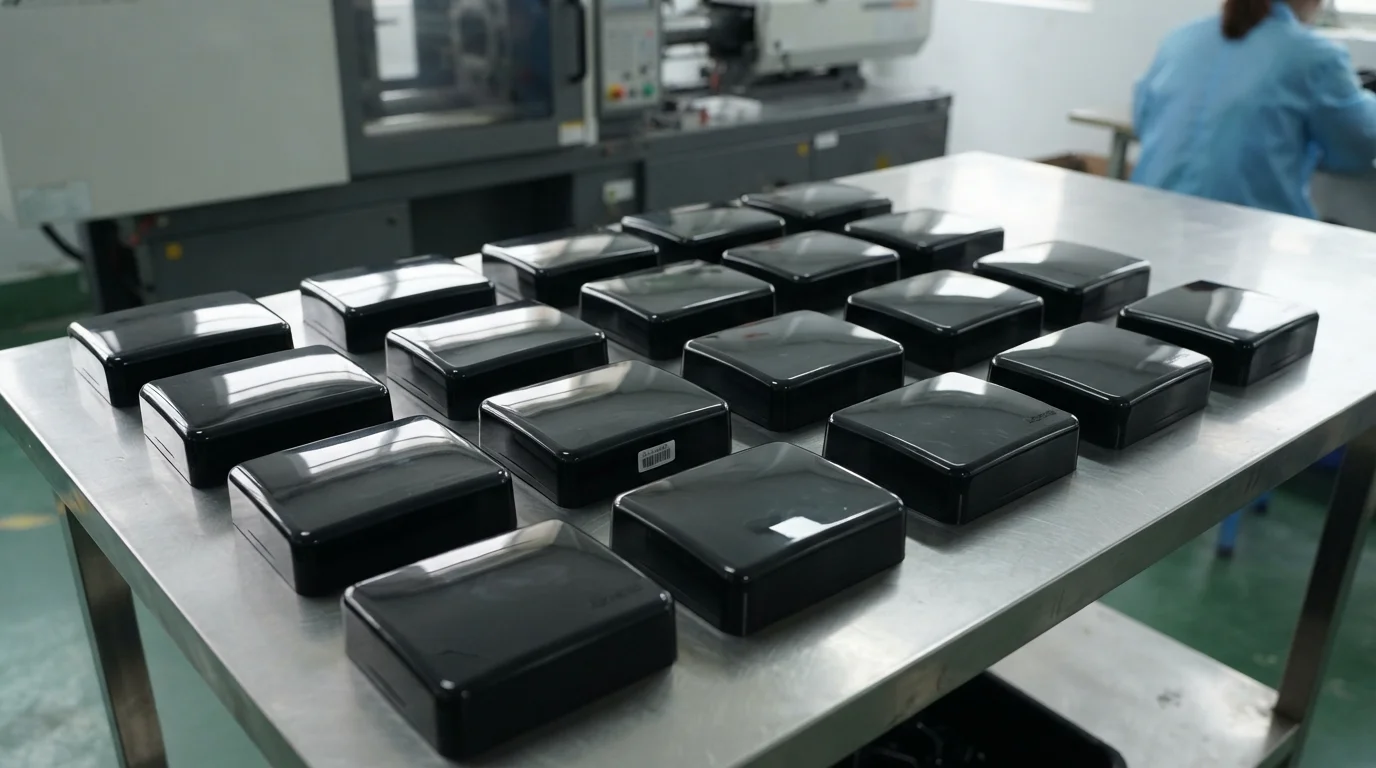
Jucheng Precision unterstützt Hardware-Entwickler durch umfassende 24-Stunden-kostenlose DFM Bewertungen, die Entformungswinkel, Texturtiefen und Anschnittpositionen vor dem Schneiden von Metall bewerten. Mit über 150 fortschrittlichen CNC-Maschinen und über 35 spezialisierten Spritzguss-Arbeitsplätzen gewährleisten unsere ISO 9001-zertifizierten Einrichtungen außergewöhnliche kosmetische Standards in jeder Charge.
Zu den wichtigsten betrieblichen Vorteilen unseres umfassenden Endbearbeitungsrahmens gehören:
- Fachgerechte Werkzeugbaupolitur—Qualifizierte Techniker führen präzise SPI- und VDI-Oberflächen direkt in Metall-Formkernen aus
- Schlüsselfertige Nachbearbeitung—Interne Lackierung, Laserätzen und Siebdruck liefern verkaufsfertige Gerätegehäuse
- Null Mindestbestellmengen-Beschränkungen—Keine MOQ-Richtlinien ermöglichen eine exakte Bestandsabstimmung mit kundenspezifischen Pilotproduktionsläufen
Bereit, Ihre Produktkosmetik zu verbessern? Lassen Sie Jucheng's Endbearbeitungsspezialisten Ihr Design zur Einzelhandelsperfektion bringen.
Häufig gestellte Fragen (FAQ)
Warum erfordern 3D-gedruckte Teile eine intensive Nachbearbeitung für glatte Kosmetik?
Die additive Fertigung erzeugt Objekte durch sichtbare horizontale Schichten, die Mikrorillen hinterlassen, die Schmutz einfangen und manuelles Schleifen oder chemisches Glätten erfordern, um Glätte zu erreichen.
Wie erreichen Schnellspritzgussformen spiegelglatte Oberflächen direkt aus der Presse?
Erfahrene Werkzeugbauer polieren Aluminium- oder Stahlformhohlraumwände von Hand auf exakte SPI-Standards, sodass das eingespritzte Polymer den Spiegelglanz sofort beim Auswerfen repliziert.
Wie unterstützt Jucheng Precision kosmetische Endbearbeitungsanforderungen?
Jucheng Precision bietet 24-Stunden-kostenlose DFM-Überprüfungen, fachmännisches Werkzeugraumpolieren, VDI-Texturierung und schlüsselfertige Nachbearbeitung, um ein verkaufsfertiges Gerätedesign zu gewährleisten.

