


Die Bewertung der mechanischen Leistungsgrenzen während der Hardware-Entwicklung offenbart oft eklatante Unterschiede zwischen Laborkonzepten und im Feld eingesetzter Hardware. Während additive Verfahren eine phänomenale Designfreiheit für erste visuelle Formen bieten, decken strukturelle Belastungstests häufig schwerwiegende mechanische Einschränkungen bei gedruckten Polymeren auf. Die Untersuchung von Festigkeit und Haltbarkeit im Vergleich von 3D-Druck und Spritzguss zeigt, warum funktionale Gehäuse und hochbelastete Strukturteile echte spritzgegossene Thermoplaste erfordern und nicht geschichtete Photopolymere.
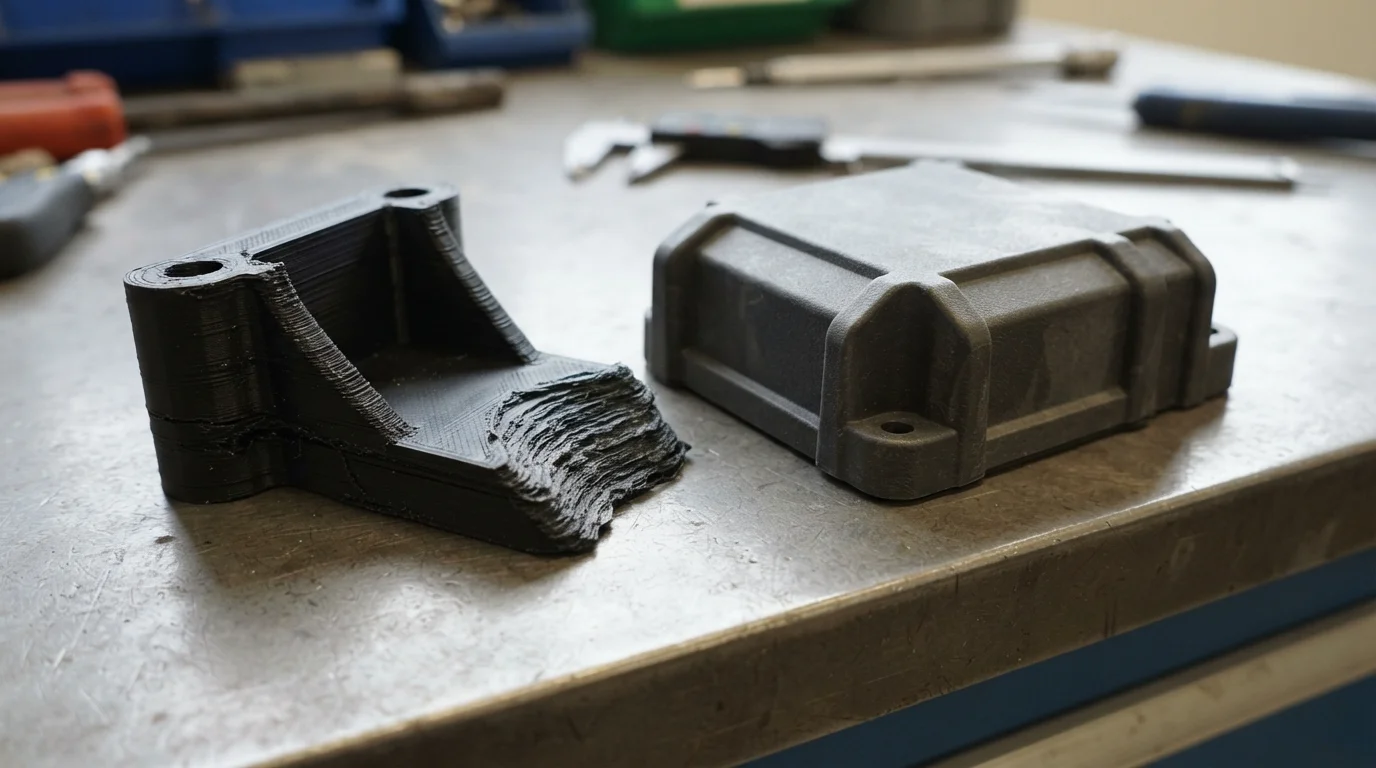
Das Verständnis des molekularen Verhaltens in Schnellwerkzeuge vs. 3D-Druck Vergleichen erfordert die Analyse, wie Schichtorientierung und Polymerkettenpackung das strukturelle Überleben unter Schlagbelastung bestimmen. Die Verwendung modularer Spritzgussformen ermöglicht es Ingenieuren, hochleistungsfähige technische Kunststoffe unter echten Produktionsspannkräften zu verarbeiten. Lassen Sie uns die physikalischen Prinzipien untersuchen, die anisotrope additive Schwächen der isotropen Spritzgussfestigkeit gegenüberstellen.
Inhaltsverzeichnis
1. Die Physik der additiven Fertigung: Anisotrope Schwächen
2. Molekulare Kettendichte: Warum Spritzguss Falltests gewinnt
3. Test von echten technischen Kunststoffen im Vergleich zu druckbaren Photopolymeren
Die Physik der additiven Fertigung: Anisotrope Schwächen
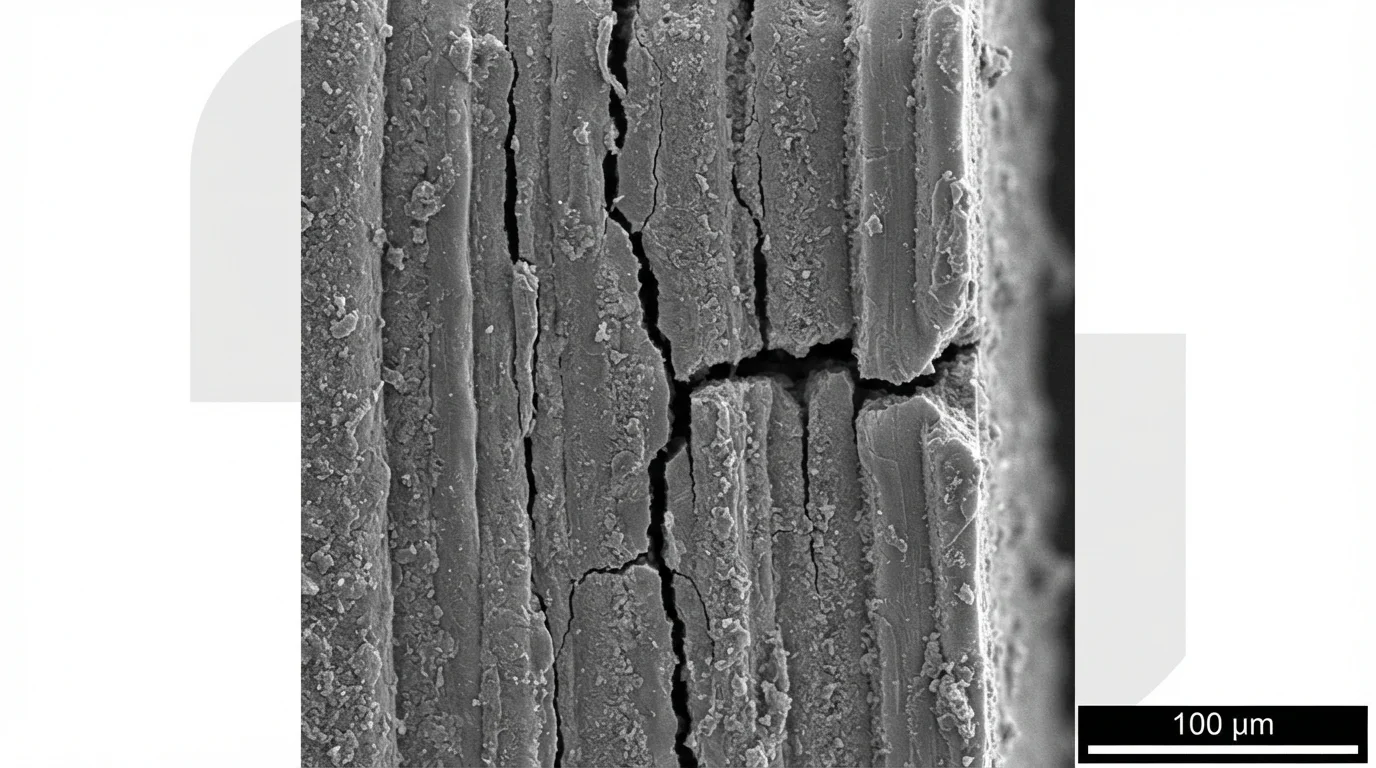
Frage: Warum brechen 3D-gedruckte Strukturteile häufig entlang der vertikalen Z-Achse unter minimaler Zugbelastung? Additive Verfahren bauen Objekte durch sequentielle Schichtablagerung auf, wodurch mikroskopische thermische Grenzen entstehen, denen eine vollständige molekulare Vernetzung zwischen vertikalen Schichten fehlt.
Diese ausgeprägte Richtungsabhängigkeit bedeutet, dass ein gedrucktes Bauteil eine starke horizontale Zugfestigkeit aufweisen kann, während es entlang seiner vertikalen Z-Achse notorisch spröde bleibt. Wenn Schnappverbindungen, Montagebuchsen oder Strukturarme im Feld einem mehrachsigen physikalischen Drehmoment ausgesetzt sind, wirken diese Zwischenschichtgrenzen als natürliche Spannungskonzentrationsbrüche. Die Beschaffung eines dedizierten Spritzguss-Service eliminiert Richtungsschwächen vollständig, indem Polymerketten unter immensem hydraulischem Druck zusammengepresst werden.
Der Vergleich des mechanischen Verhaltens über Fertigungstechniken hinweg erfordert die Überwachung spezifischer struktureller Eigenschaften:
| Mechanische Eigenschaft | Fortschrittliche 3D-gedruckte Teile | Schnell spritzgegossene Teile |
|---|---|---|
| Zugfestigkeitsgleichmäßigkeit | Hoch anisotrop (schwache Z-Achse) | Vollständig isotrop (gleichmäßige Festigkeit in alle Richtungen) |
| Aufprallenergieabsorption | Neigt zu plötzlicher Schichtdelamination | Hohe Widerstandsfähigkeit bei wiederholten Stoßbelastungen |
| Ermüdungsbeständigkeit | Verschlechtert sich schnell unter Vibration | Hält Millionen von Betriebsbiegezyklen stand |
Molekularkettendichte: Warum Spritzguss Falltests gewinnt
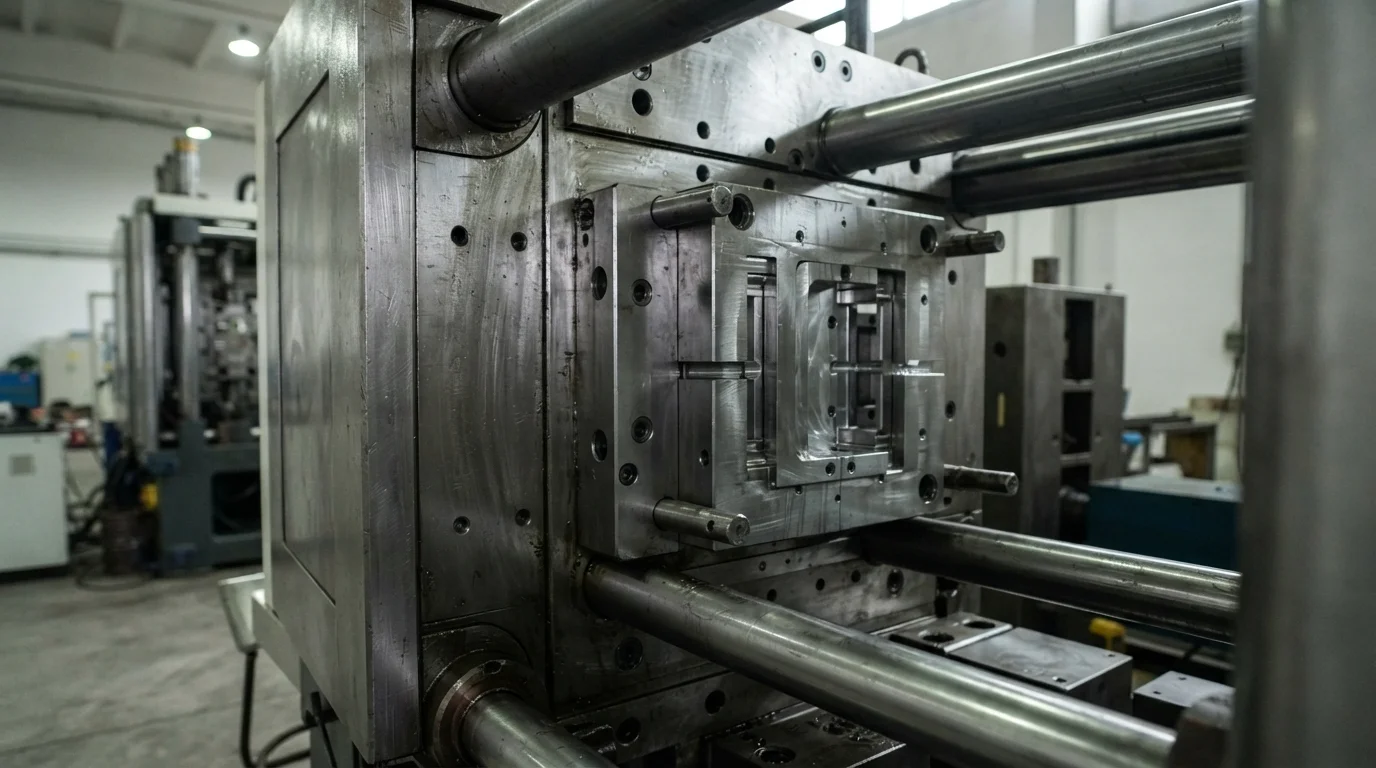
Frage: Wie erreicht Hochdruck-Spritzguss im Vergleich zu lasergehärteten Photopolymeren eine überlegene molekulare Dichte? Hohe hydraulische Schließkraft presst geschmolzene Kunststoffmoleküle in enge Nähe, eliminiert innere Hohlräume und maximiert die intermolekulare Kohäsion.
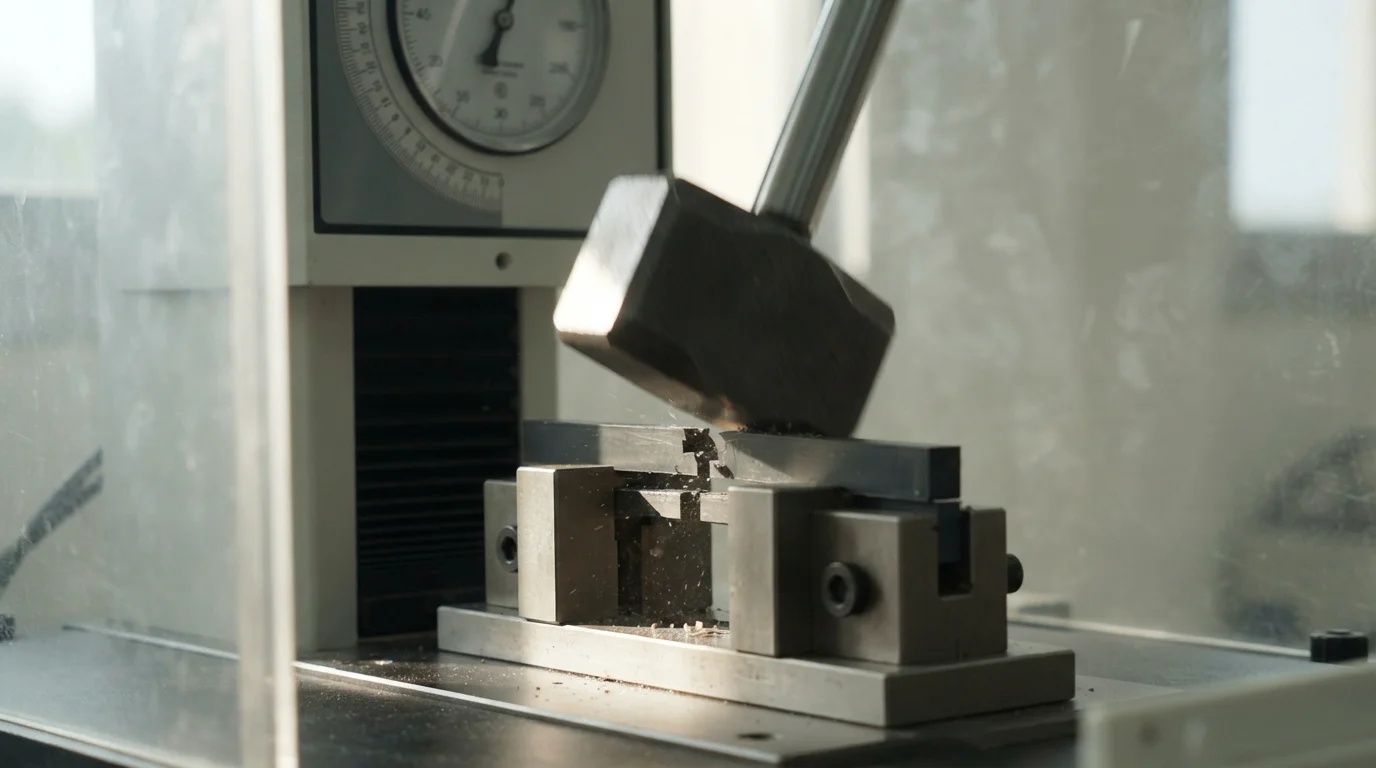
Wenn ein tragbares Elektronikgehäuse oder eine strukturelle Roboterhalterung einem harten Falltest auf Beton unterzogen wird, bestimmt die innere molekulare Dichte des Materials, ob es zerbricht oder die kinetische Stoßwelle erfolgreich absorbiert. Spritzgegossene Thermoplaste weisen dichte, stark verschlungene Molekülketten auf, die die Aufprallenergie gleichmäßig über die Geometrie verteilen. Unter Verwendung eines flexiblen Prototypenservice ermöglicht es Ingenieurgruppen, die physischen Fallüberlebensraten zwischen ersten gedruckten Modellen und Brückenspritzgussproben zu vergleichen.
Die Optimierung der strukturellen Stoßleistung und die Sicherstellung der langfristigen Feldbeständigkeit umfassen die Verfolgung wichtiger technischer Richtlinien:
- Eliminierung innerer Mikrohohlräume—Hohe Nachdruckkräfte packen Harz fest in die Formhohlräume und verhindern innere Porosität
- Verbesserung der Schnappverbindungs-Elastizität—Gegossene Riegel biegen sich wiederholt, ohne zu brechen, dank hoher Bruchdehnungseigenschaften
- Beständigkeit gegen chemische Belastung—Echte technische Polymere widerstehen Lösungsmittelabbau weitaus besser als standardmäßige druckbare Harze
Test von echten technischen Harzen im Vergleich zu druckbaren Photopolymeren
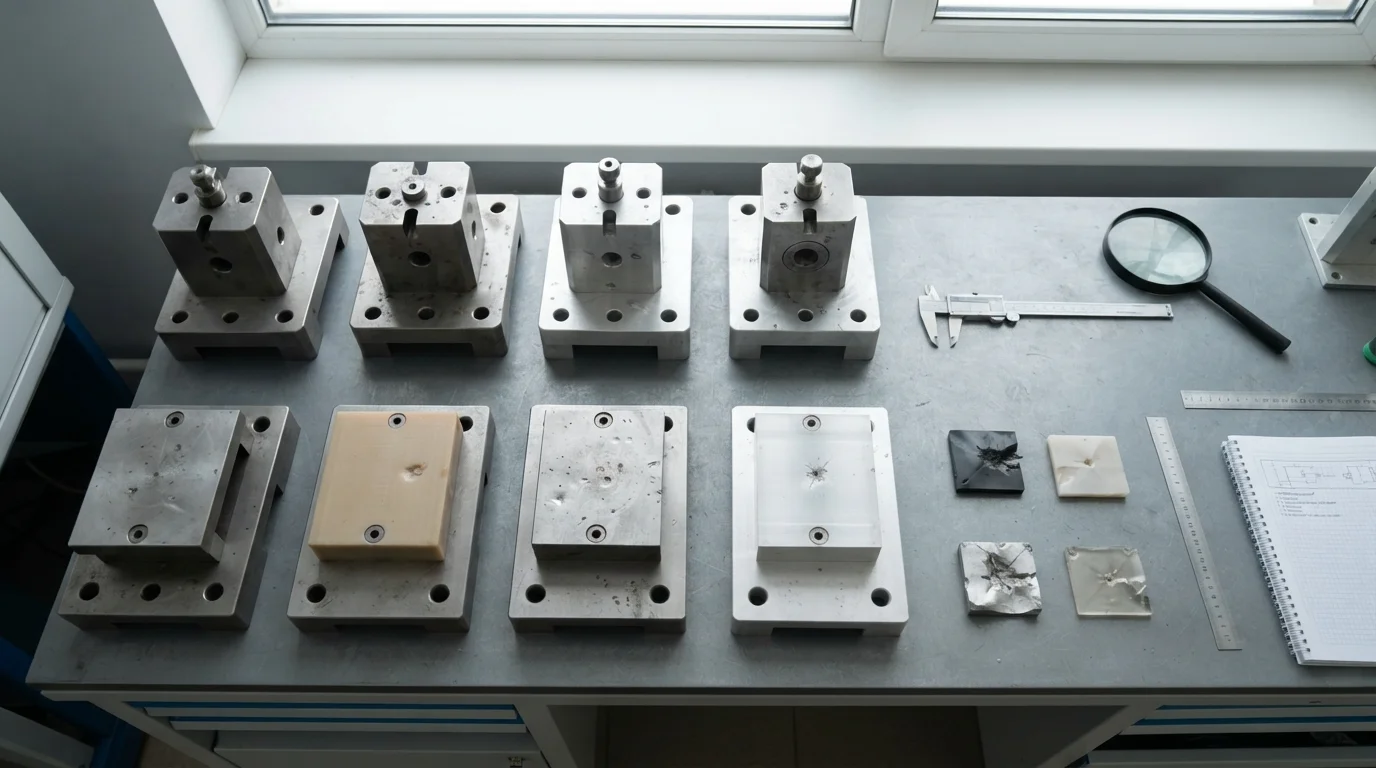
Jucheng Precision unterstützt Hardware-Entwickler durch umfassende 24-Stunden-kostenlose DFM Bewertungen, die strukturelle Wandverteilungen, Spannungskonzentrationen und Angussstellen vor dem Werkzeugschnitt analysieren. Mit über 150 fortschrittlichen CNC-Maschinen und 35+ spezialisierten Spritzguss-Arbeitsplätzen gewährleisten unsere ISO 9001-zertifizierten Einrichtungen absolute Qualitätskontrolle über jede Produktionscharge.
Wichtige operative Vorteile unseres strukturellen Fertigungsrahmens umfassen:
- Authentische Materialvalidierung—Test von Hochleistungsharzen wie ABS, Polycarbonat (PC), und PEEK unter realen Bedingungen
- Robuste Brückenwerkzeug-Konstruktion—Schneiden von langlebigen Metalleinsätzen zur Unterstützung anspruchsvoller Beta-Testkampagnen
- Null Mindestbestellmengen-Beschränkungen—Keine MOQ-Richtlinien ermöglichen eine exakte Bestandsabstimmung mit kundenspezifischen Pilotproduktionsläufen
Bereit, Ihre Prototypenfestigkeit zu verbessern? Lassen Sie die Spritzgussexperten von Jucheng Ihre strukturelle Integrität garantieren.
Häufig gestellte Fragen (FAQ)
Warum brechen 3D-gedruckte Teile leicht entlang der vertikalen Z-Achse?
Die additive Fertigung baut Objekte durch schichtweise Ablagerung auf, wodurch mikroskopische thermische Grenzen und schwächere intermolekulare Bindungen entlang der vertikalen Z-Achse im Vergleich zur horizontalen Ebene entstehen.
Wie erreicht Spritzguss überlegene Falltest-Haltbarkeit?
Hochdruck-Hydraulikspannkräfte pressen Polymerketten in hohe Molekulardichte und -verschlaufung, beseitigen innere Hohlräume und ermöglichen es dem Formteil, Aufprallenergie effektiv zu absorbieren und abzuleiten.
Wie hilft Jucheng Precision, die Festigkeit mechanischer Teile sicherzustellen?
Jucheng Precision bietet 24-Stunden-kostenlose DFM-Überprüfungen, robuste Schnellmetallwerkzeuge und Präzisionsspritzguss mit echten Hochleistungs-Engineering-Thermoplasten.

