


When an equipment team searches for semiconductor equipment parts, it may be looking for a machined bracket, a wafer-handling fixture, a replacement plate, an enclosure, or a complete subassembly. These parts have different functions and different production risks. A useful sourcing plan starts by classifying the component before requesting a price.
Four part families buyers should separate
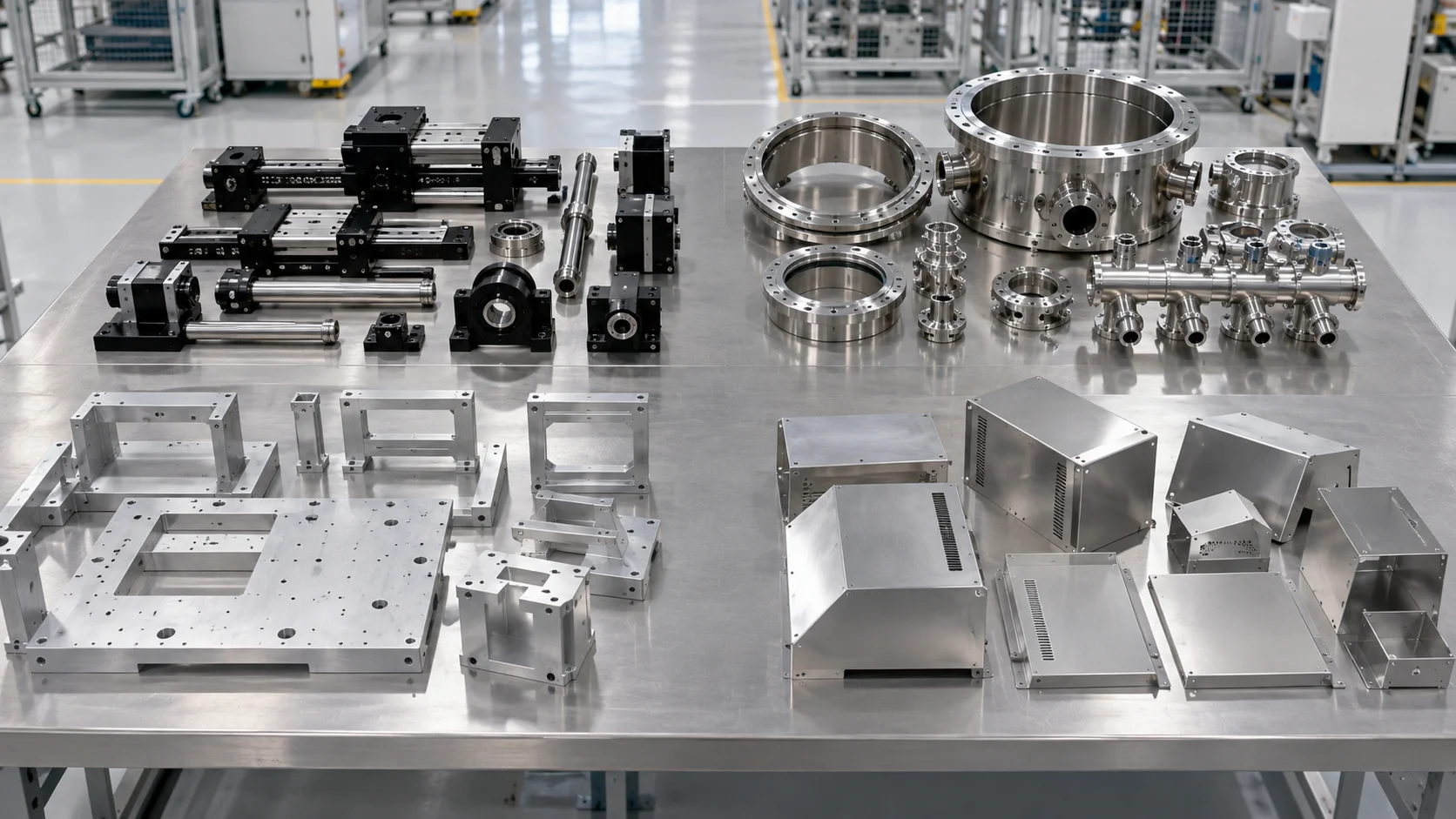
A simple classification separates equipment parts into four groups: motion and locating parts, process-facing parts, structural parts, and protective or service parts. Motion and locating parts usually depend on fit, alignment, and repeatability. Process-facing parts may be exposed to vacuum, chemicals, heat, or controlled atmospheres. Structural parts carry loads or hold modules in position. Protective parts include covers, panels, cabinets, and access components.
| Part group | Typical concern | Useful purchasing evidence |
|---|---|---|
| Motion and locating parts | Alignment, friction, repeatability | Critical dimensions and functional inspection |
| Process-facing parts | Material compatibility and cleanability | Material records and surface requirements |
| Structural parts | Stiffness, flatness, and load path | Drawing revision and dimensional report |
| Protective parts | Access, safety, finish, and assembly | Fit check and finishing record |
Risk comes from function, not size
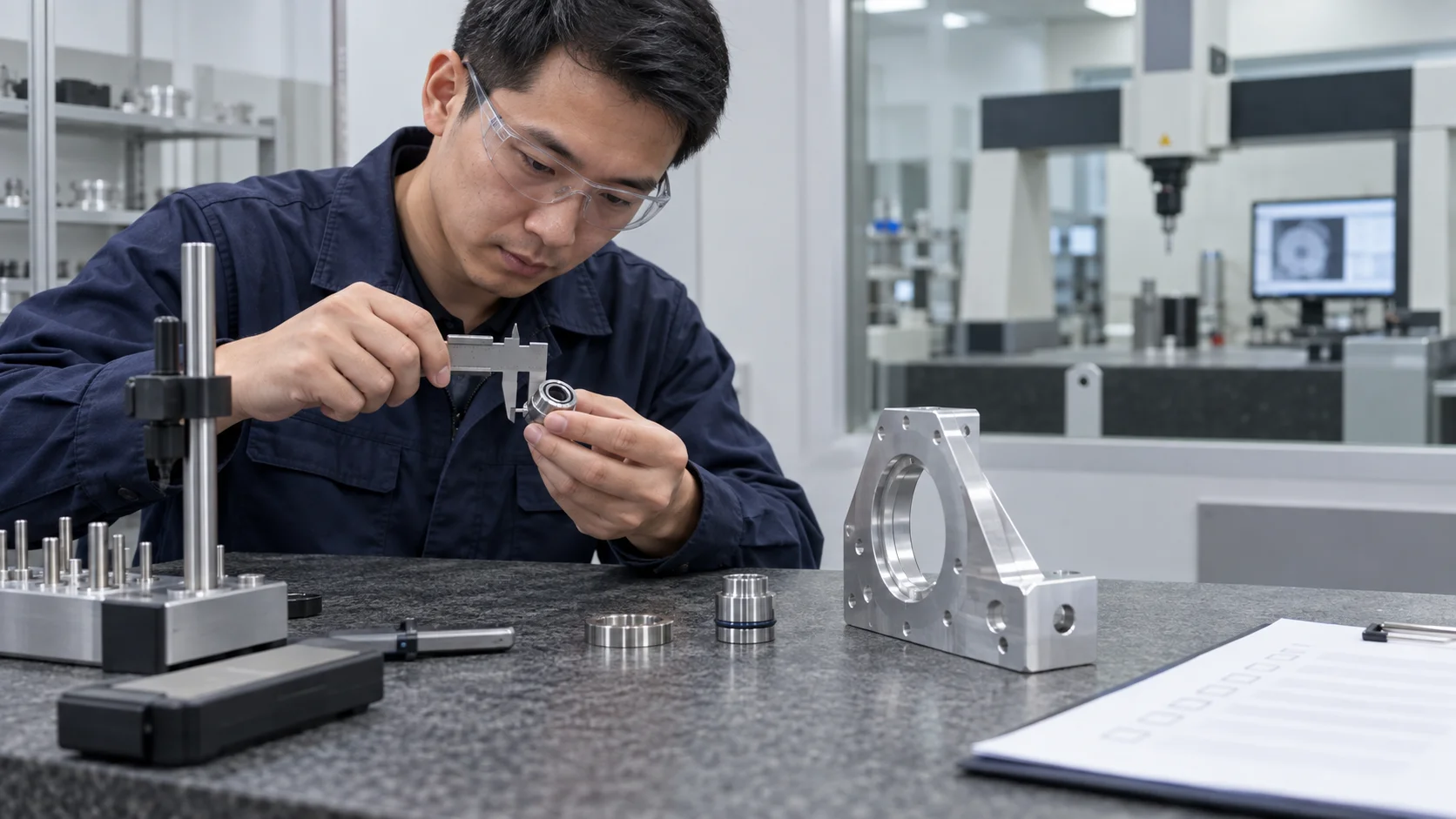
Not every item in a bill of materials deserves the same control level. Start with parts that determine alignment, sealing, movement, thermal stability, contamination exposure, or operator access. These components should have clearly marked datums, revision-controlled drawings, and an agreed inspection method.
Lower-risk covers or brackets can use a simpler approval route when their interfaces are uncomplicated. Risk-based purchasing keeps attention on the features that can stop an equipment module from working. It also prevents a buyer from paying for documentation that has no practical value.
For a broader supplier scope that combines different part types, review semiconductor equipment parts manufacturing before splitting the RFQ into individual processes.
Turn engineering data into a usable RFQ
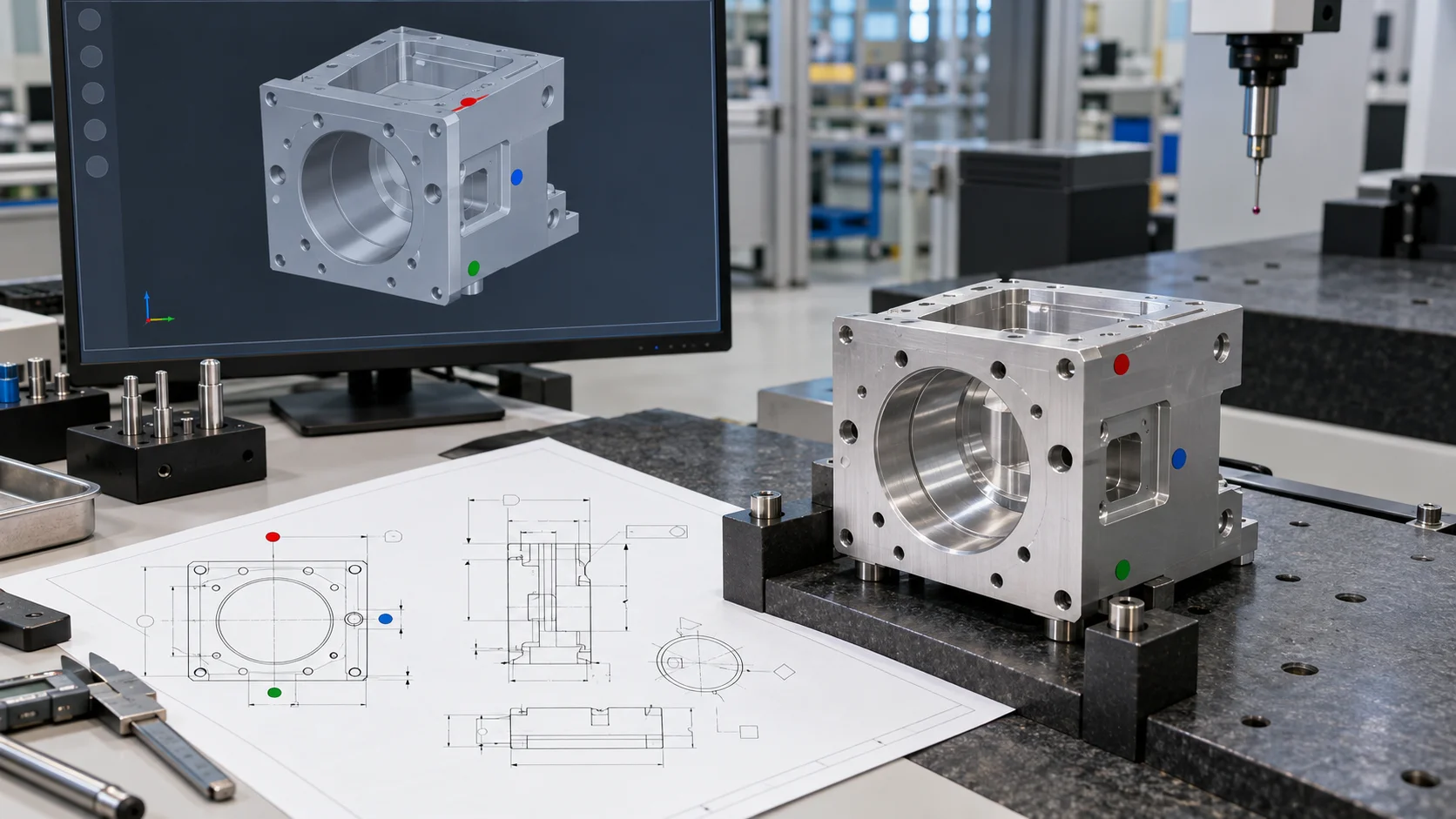
A purchasing-ready drawing identifies the material grade, finish, heat treatment when relevant, critical dimensions, general tolerances, threads, edge conditions, and inspection expectations. It should also state whether the 3D model is reference geometry or the controlling definition.
- Mark functional datums and identify which surfaces control assembly.
- Separate required surface condition from appearance-only preferences.
- State the required quantity for prototype, pilot, spare, and repeat production.
- Include packaging or handling instructions when the part is sensitive to scratches or contamination.
Ambiguous data creates hidden cost. Suppliers may make different assumptions about a radius, a coating, a cleaning step, or a substitute material. One clear clarification before quotation is usually worth more than several corrections after delivery.
Let the geometry drive the process
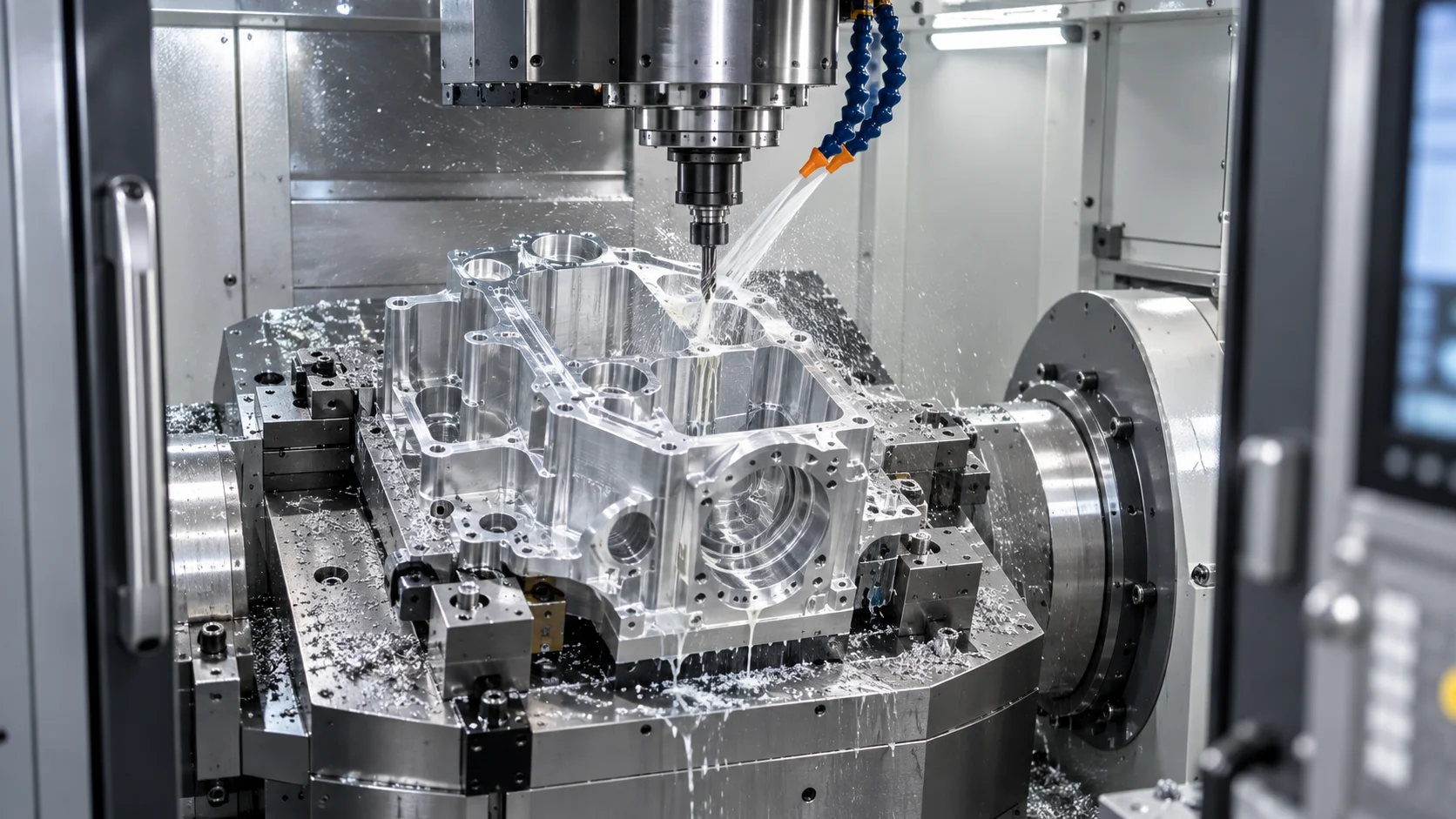
CNC machining is a natural route for accurate interfaces, pockets, threaded features, and custom metal components. A dedicated CNC milling service can support complex prismatic parts when datum access and inspection are planned from the beginning.
Sheet metal fabrication is better suited to large panels, cabinets, and lightweight structures. Additive manufacturing can shorten learning cycles for complex fixtures. Injection molding, casting, or rapid tooling may become more economical for repeated polymer or metal geometries. The best route is the one that preserves the required function while supporting the expected quantity.
Compare quotes on the same evidence
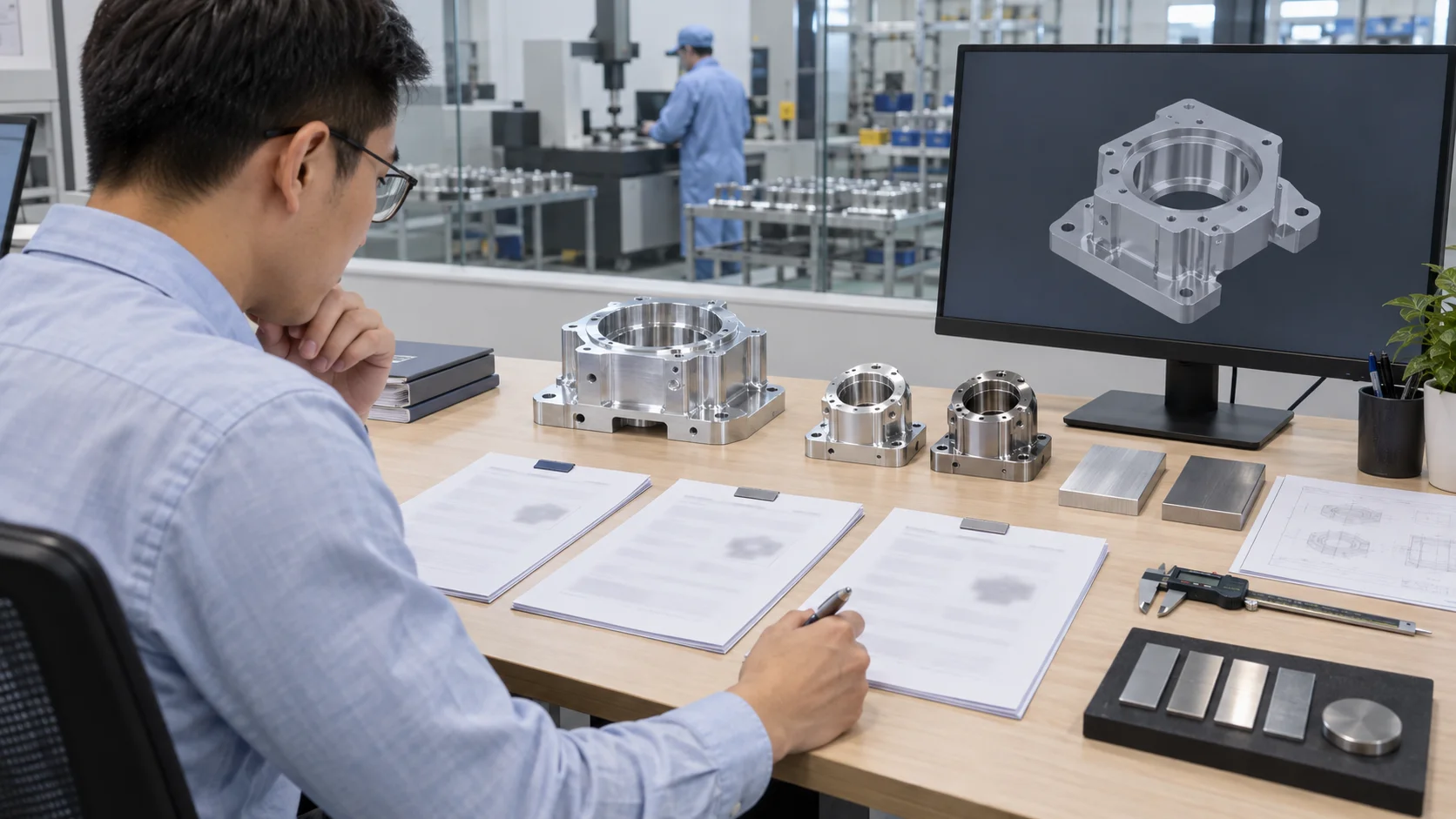
Send the same information to every supplier: drawing revision, model, quantity, material, finish, critical dimensions, inspection level, packing requirement, destination, and requested lead time. Ask suppliers to identify exclusions, assumptions, tooling, first-article charges, and any proposed substitutions.
Compare more than unit price. A quote should be evaluated for technical questions, process transparency, quality evidence, change control, packaging, and the ability to support the next build stage. A low initial price is not useful if the supplier cannot repeat the part or respond to an engineering change.
Sourcing Questions Buyers Should Resolve
What are semiconductor equipment parts?
They are the mechanical, structural, process-facing, protective, and replacement components used inside or around semiconductor manufacturing equipment.
Should every part use the same inspection plan?
No. Inspection should reflect functional risk. Alignment, sealing, motion, and process-facing parts generally need more focused verification than simple covers.
What makes a supplier quote easier to compare?
A controlled drawing revision, complete material and finish data, clear quantities, critical features, inspection expectations, and a request for assumptions and exclusions.
A Clearer Way to Specify Parts
The strongest sourcing decisions begin with part function. Once an equipment component is classified, risk-ranked, clearly defined, and matched to the right process, procurement can compare suppliers on quality and delivery confidence as well as price.

