


Die Überbrückung der strukturellen Lücke zwischen einem 3D-gedruckten Konzeptmodell und einem voll skalierbaren, geformten Produkt stellt eine der kritischsten Phasen der Hardware-Kommerzialisierung dar. Produktentwicklungsteams unterschätzen häufig, wie sich physikalische Materialeigenschaften und Werkzeugbeschränkungen beim Übergang von frühen Entwürfen zur Massenfertigung ändern. Die frühzeitige Einbeziehung umfassender technischer Unterstützung in Ihren Entwicklungszyklus stellt sicher, dass Sie versteckte Kosten wie Formneukonstruktionen, Angussfehler und Materialfließprobleme vermeiden. Die sorgfältige Planung Ihrer Kosten vom Prototyp zur Produktion schützt Ihre Markteinführungsphase und ermöglicht Ihrem Startup, sicher in wettbewerbsintensive kommerzielle Märkte zu skalieren.
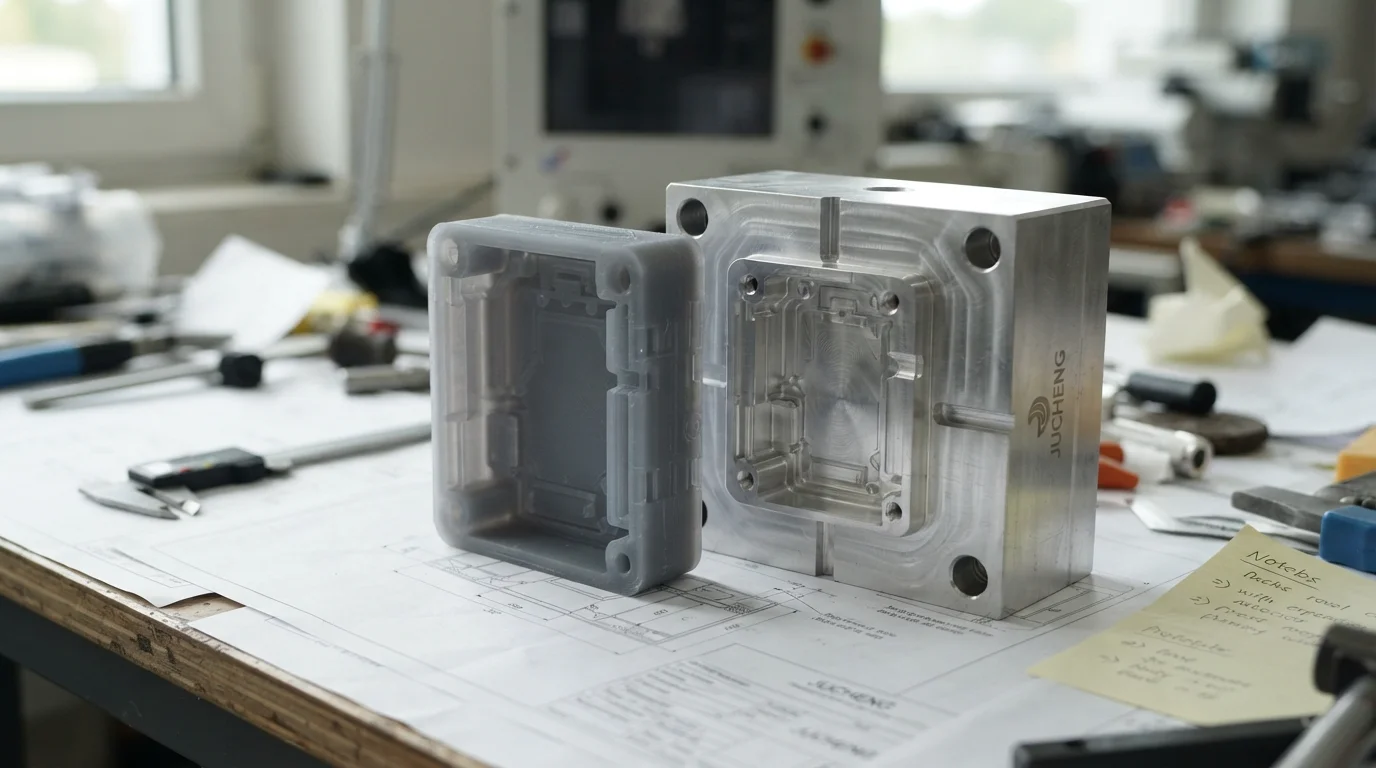
Fertigungsspezialisten koordinieren mit Konstrukteuren, um Trennlinien, Angusspositionen, Entformungsschrägen und Wanddicken mit fortschrittlicher CAD-Diagnosesoftware zu bewerten. Die frühzeitige Einholung technischer Rückmeldungen hilft Designern, ihre Dateien für die tatsächlichen Maschinenfähigkeiten zu optimieren und kostspielige Nachbearbeitungsschleifen zu vermeiden. Die Beschaffung Ihrer Kopien von einem Partner mit umfangreichen internen Fertigungskapazitäten stellt sicher, dass Sie ehrliche, kostensparende Ratschläge für Ihr spezifisches Hardwareprogramm erhalten. Sehen wir uns an, wie Sie Ihre Geometrien optimieren können, um Kosten sicher zu senken und gleichzeitig eine hohe Qualität beizubehalten.
Inhaltsverzeichnis
1. Gefahren isolierter Fertigung und Übergangsblindstellen
2. Neugestaltung struktureller Geometrien für den Spritzgussmaßstab
3. Brückenproduktionswerkzeuge und Vorteile der Fertigung unter einem Dach
Gefahren isolierter Fertigung und Übergangsblindstellen
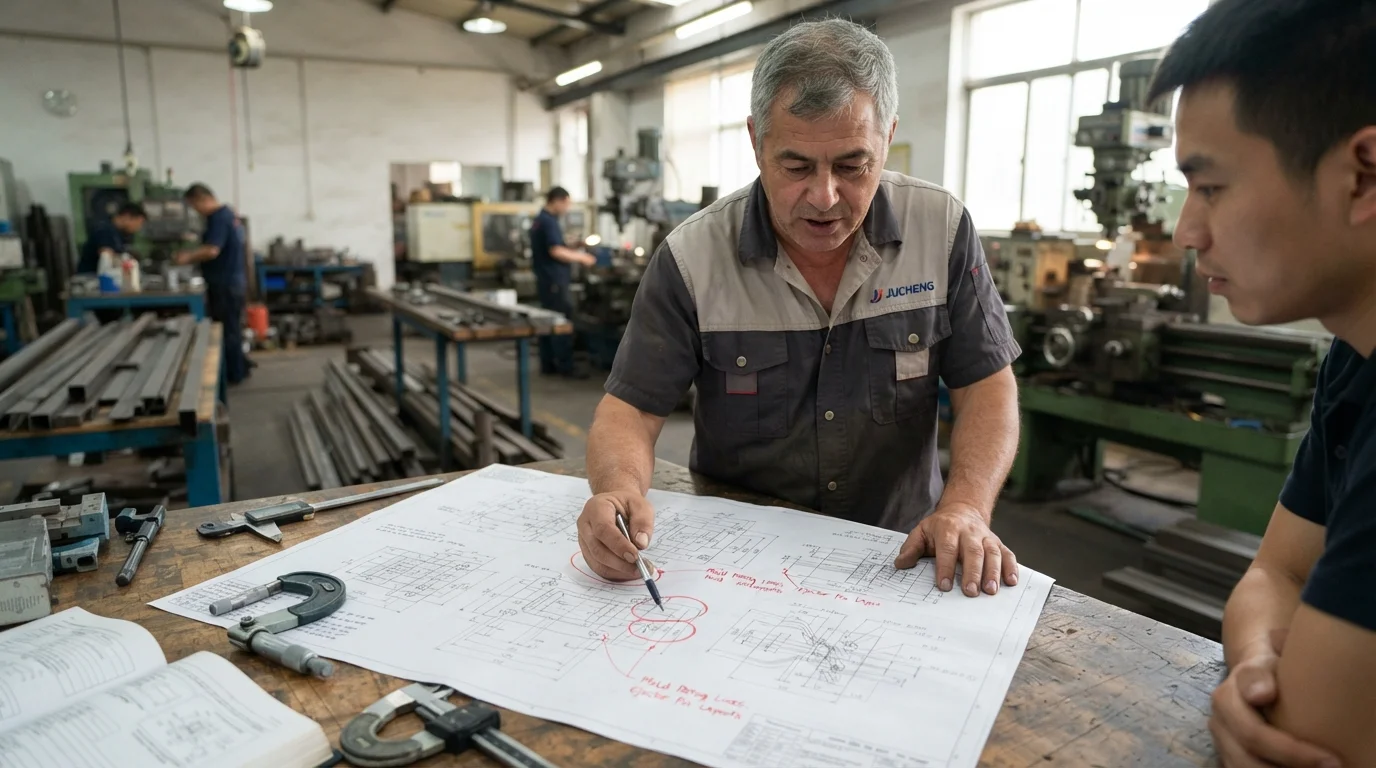
Frage: Was ist die häufigste versteckte Gebühr beim Übergang vom Prototyp zur Produktion? Isolierte Fertigung – die Verwendung separater Anbieter für Prototyping und Massenproduktion – führt häufig zu geometrischen Abweichungen, die eine vollständige Formneukonstruktion erfordern.
Die Entwicklung eines physischen Modells mit einem unabhängigen Prototypenservice ist ideal für frühe Formstudien, aber diese CAD-Dateien verletzen oft die Physik der Massenproduktion. Viele Designteams tappen in die Falle, SLA-gedruckte Modelle direkt an Hochvolumen-Spritzgießer zu senden, ohne zuvor gründliche DFM-Prüfungen durchzuführen. Werkzeugparameter wie Auswerferstifte, Entformungsschrägen und Angussabschermarkierungen können beim Hochskalieren auf hohe Schließkräfte nicht ignoriert werden. Die isolierte Beschaffung von Prototyping und Massenproduktion von separaten Anbietern schafft eine große Kommunikationslücke, die Ihre Gesamtkosten in die Höhe treibt. Kosten für Rapid Prototyping.
Wenn Sie Ihre Koordinatenausrichtungen nicht frühzeitig planen, kann dies dazu führen, dass Sie für teure Hartwerkzeugmodifikationen oder vollständige Formüberarbeitungen zahlen müssen. Designer müssen rohe 3D-Modelle anpassen, um den spezifischen Trennlinienpfaden zu entsprechen, die in endgültigen Serienproduktionswerkzeugen erwartet werden. Die Integration beider Designphasen unter einem einzigen schlüsselfertigen Hersteller stellt sicher, dass CAM-G-Code und Formflussdaten nahtlos zwischen den Abteilungen übertragen werden. Die frühzeitige Standardisierung von Merkmalen stellt sicher, dass frühe Modelle genau wie endgültige produktionsreife Komponenten funktionieren und schützt Ihr Entwicklungsbudget.
Die Entscheidung, Ihre frühen Bewertungen mit identischen produktionsgerechten Harzen durchzuführen, hilft mechanischen Gruppen, den langfristigen mechanischen Verschleiß zu validieren. Die Beschaffung funktionaler CNC-Bearbeitungsservice Teile aus extrudierten Knüppeln aus ABS oder Nylon (PA) bietet authentisches Materialverhalten vor dem Schneiden von Werkzeugstahl. Diese detaillierte Materialvalidierung eliminiert mechanische Ausfallrisiken beim Übergang von Prototypen zu Produktionsdesignkonfigurationen. Die frühzeitige Validierung verhindert teure Konstruktionsänderungen beim Hochskalieren auf das Hochvolumen-Spritzgießen.
Neugestaltung struktureller Geometrien für den Spritzgussmaßstab
Frage: Welche wesentlichen geometrischen Änderungen sind für den Spritzguss erforderlich? Teile müssen eine Mindestentformungsschräge von 1,5 Grad an allen vertikalen Merkmalen aufweisen und eine gleichmäßige Wanddicke beibehalten, um Verzug zu vermeiden.
Der Übergang zu einer automatisierten Spritzguss-Service erfordert eine vollständige Überarbeitung der rohen Prototyp-CAD-Geometrien, um die Physik der Formfreigabe zu berücksichtigen. Null-Entformungsschrägen-Wände und tiefe innere Hinterschnitte lassen sich problemlos auf SLA-Maschinen drucken, führen jedoch dazu, dass Teile während des Werkzeugauswurfs ziehen und verkratzen. Die Dimensionierung vertikaler Rippen mit einer Mindestschräge von 1,5 Grad ermöglicht es dem geformten Polymer, leicht aus den Stahlkavitäten zu gleiten. Bossdurchmesser müssen ebenfalls ausgekernt und durch dünne Verstärkungsrippen gestützt werden, um gleichmäßige Wanddicken zu gewährleisten und kosmetische Einfallstellen an Sichtflächen zu vermeiden.
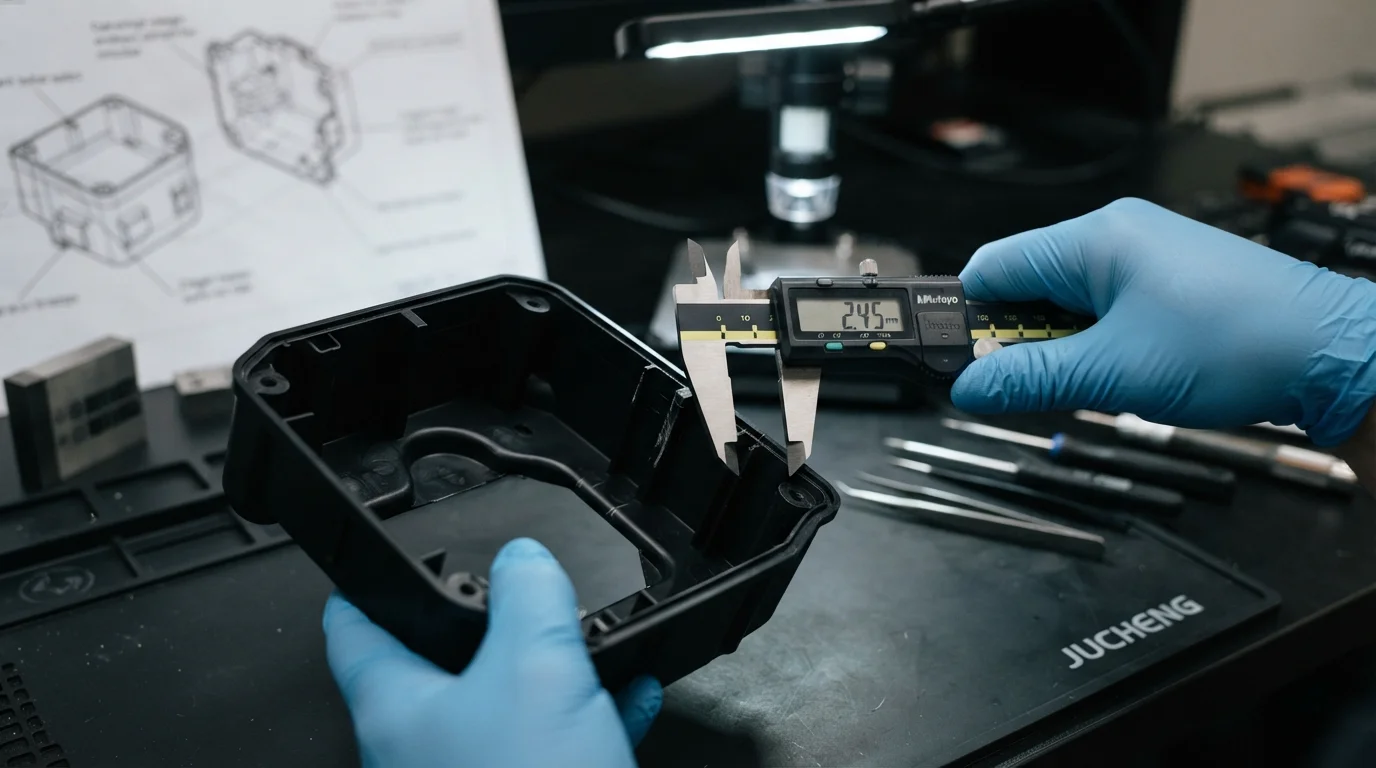
Die Einhaltung einer gleichmäßigen Wanddicke ist die goldene Regel der Kunststofftechnik, da sie ungleichmäßige Abkühlungsraten verhindert, die zu Verzug nach dem Entformen führen. Strukturrippen werden mit einer Dicke von 60 Prozent der Nennwandstärke ausgelegt, um Verstärkung zu bieten, ohne Schrumpfspannungen zu verursachen. Die frühzeitige dimensionale Validierung stellt sicher, dass ineinandergreifende Schnappverbindungen unter dynamischen Lasten mit einem klaren, hörbaren Klicken einrasten. Diese technische Tabelle zeigt die geometrischen Unterschiede zwischen Prototyping- und Serienproduktionsstandards:
| Konstruktionsparameter | Prototyping-Basislinie | Regel für Produktionsspritzguss | Haupttechnischer Grund |
|---|---|---|---|
| Entformungsschrägen | Keine Schräge zulässig | 1,5° bis 3,0° mindestens | Verhindert Hängenbleiben des Teils, ermöglicht einfaches Auswerfen |
| Wanddickengleichmäßigkeit | Variable Dicke OK | Maximale Wanddickenabweichung ±10% | Verhindert innere Spannungen, stoppt Verzug nach dem Entformen |
| Rohmaterial | Flüssigharze / Pulver | Produktionsgerechte Polymere (PC, ABS, Nylon) | Erreicht endgültige mechanische Festigkeit und Ermüdungsgrenzen |
Brückenwerkzeugbau und Vorteile der Fertigung unter einem Dach
Frage: Wie können Brückenwerkzeuge die gesamten Entwicklungskosten senken? Die Beschaffung eines Rapid-Tooling-Dienstes mit Aluminium- oder Weichstahleinsätzen produziert Tausende von Serienteilen zu einem Bruchteil der Kosten von Standardstahlwerkzeugen.
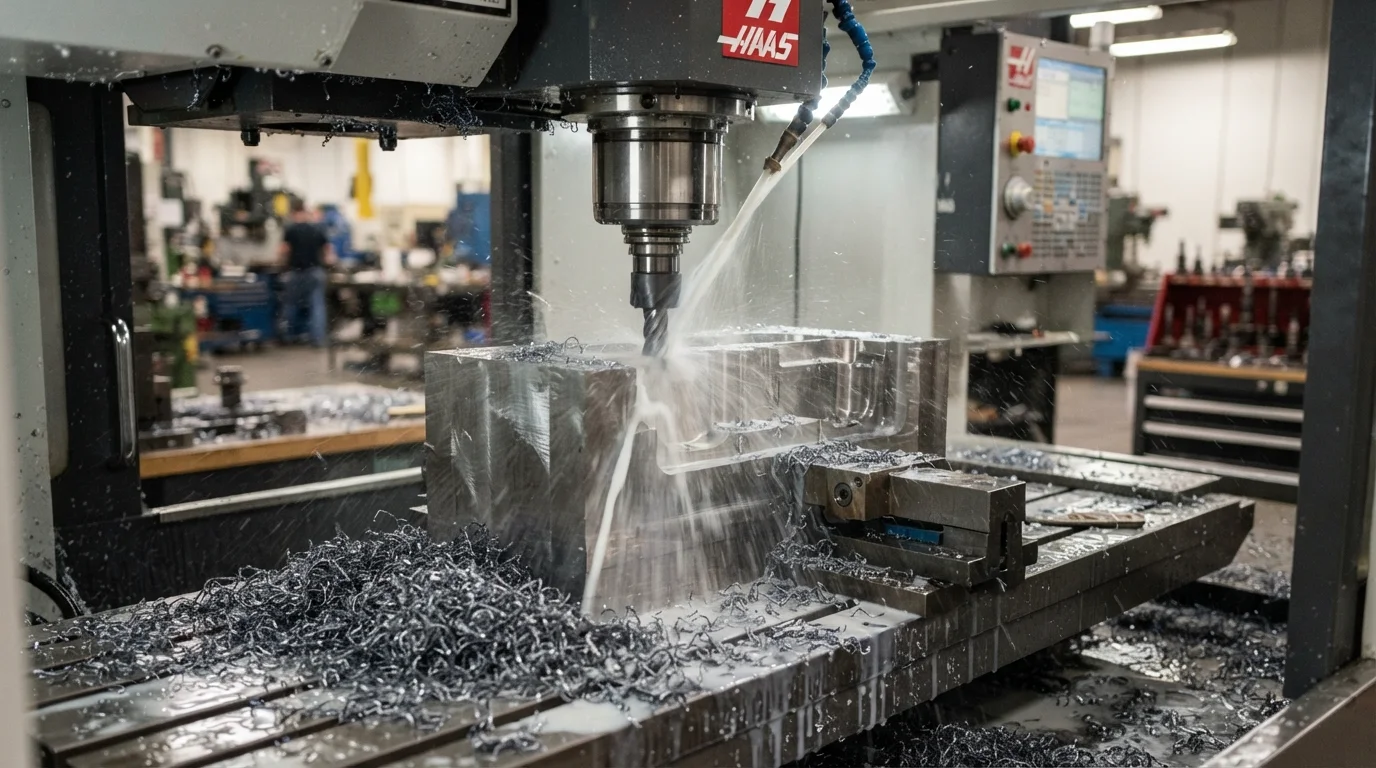
Die Investition in hochvolumige Stahlwerkzeuge erfordert monatelange Präzisions-EDM-Stunden und enorme Kapitalinvestitionen, die in frühen Produkteinführungsphasen schwer zu rechtfertigen sind. Die Beschaffung eines dedizierten Schnellwerkzeugbau-Service stellt einen hochwirksamen Zwischenschritt dar, der innerhalb von Wochen bis zu 100.000 funktionale Teile produziert. Werkzeugkonstrukteure bearbeiten Aluminium Aluminium oder weichen Werkzeugstahl Werkzeugeinsätze schnell mittels Hochgeschwindigkeits-CNC-Fräsen, wodurch die anfänglichen Werkzeugkosten um bis zu 70 Prozent gesenkt werden. Die Beschaffung von Rapid-Werkzeugen ermöglicht es Produktentwicklern, die tatsächlichen Produktionsmaterialeigenschaften zu validieren, bevor sie sich für gehärteten Stahl entscheiden.
Die erfolgreiche Steuerung Ihrer Kosten vom Prototypen bis zur Produktion erfordert ein hochkoordiniertes Fertigungsökosystem unter einem Dach. Jucheng Precision betreibt eine voll integrierte Fabrikeinrichtung mit sowohl mehrachsigen Bearbeitungszentren als auch Präzisionsspritzgussmaschinen. Fabrikingenieure liefern umfassende 24-Stunden-kostenlose DFM Überprüfungen, um Angusslagen, Trennfugen und Entformungsschrägen vor der Metallbearbeitung zu optimieren. Die Beauftragung Ihrer Prototypen und Produktionsserien bei einem zertifizierten Hersteller verhindert Kommunikationsfehler und stellt sicher, dass Designänderungen sicher in allen Phasen weitergegeben werden.
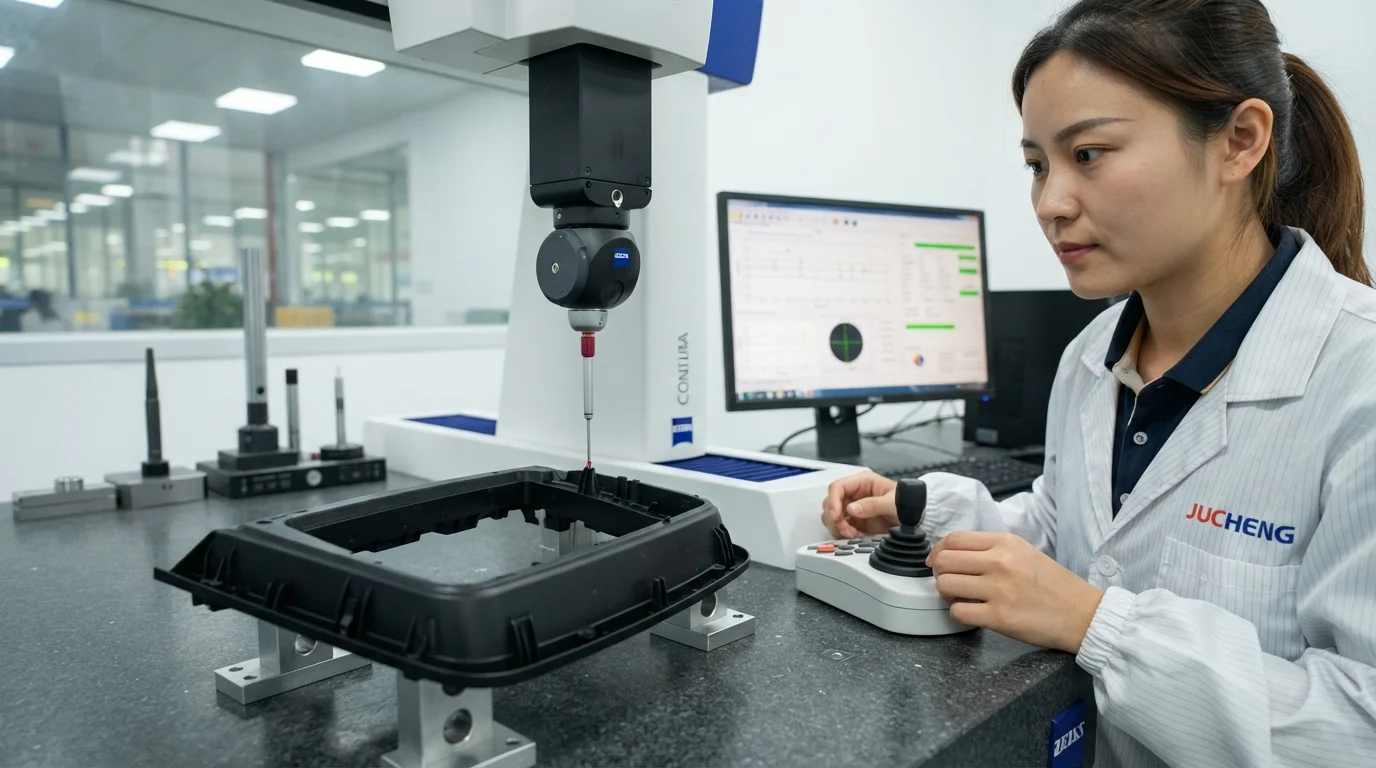
Die Partnerschaft mit einem erfahrenen Hersteller hilft Ihnen, den Übergang von frühen visuellen Modellen zu Brückenwerkzeugen mit geringem Volumen nahtlos zu bewältigen. Die manuelle Einholung Ihrer Angebote stellt sicher, dass erfahrene Ingenieure Ihre 3D-STEP-Dateien analysieren, um zusätzliche Möglichkeiten zur Senkung Ihrer Kosten vom Prototypen bis zur Produktion zu finden. Kundenspezifische Komponenten durchlaufen strenge Koordinatenmesstechnikprüfungen, um die exakte Maßhaltigkeit zu bestätigen. Die Beschaffung hochwertiger Prototypen stellt sicher, dass Ihre Konstruktionen so gebaut sind, dass sie sicher schweren dynamischen Kräften standhalten.
Häufig gestellte Fragen (FAQ)
Was ist die kostengünstigste Methode, um zwanzig bis fünfzig Kunststoffteile zu validieren?
Vakuumguss in Silikonformen stellt eine hervorragende, kostengünstige Methode dar, um zwanzig bis fünfzig Kunststoffgehäuse herzustellen. Silikonformen kosten nur wenige hundert Euro, was zu Stückkosten führt, die viel niedriger sind als bei der gleichen Stückzahl mittels 3D-Druck. Produktdesigner nutzen Vakuumguss zur Nachbildung von produktionsreifen Polymereigenschaften, einschließlich flexiblem Elastomer-Umspritzen.
Warum verursachen Nachbearbeitungsbeschichtungen versteckte Kosten bei der Skalierung?
Das Aufbringen von hochwertigen kosmetischen Oberflächenbeschichtungen, Texturen oder Lasergravuren verleiht fertigen Konsumgehäusern einen deutlich sichtbaren Mehrwert. Die Beschaffung Ihrer Nachbearbeitung von einem erfahrenen Partner stellt sicher, dass alle Maskierungsversätze präzise berechnet werden, um zu verhindern, dass Maßtoleranzen klemmen. Produktdesigner spezifizieren dekorative Oberflächenveredelungen nur auf sichtbaren äußeren Sichtflächen anzubringen, um niedrige Entwicklungskosten zu erhalten.
Wie können Rapid-Tooling-Formen komplexe Schiebermechanismen kostengünstig handhaben?
Die Standardisierung vertikaler Entformungsschrägen, verrundeter Ecken und nominaler Wandstärken ist die primäre Methode zur Vermeidung von Formgrat. Formtrennlinien-Abdichtungen werden präzise von Hand angepasst, um sicherzustellen, dass Polymer unter hohen Schließdrücken nicht entweicht. Die frühzeitige Einholung von DFM-Reviews vereinfacht Trennlinienlayouts und eliminiert die Notwendigkeit teurer mechanischer Schieber in Schnellformen.

