


Die Wahl zwischen billigen Photopolymerharzen und hochbelastbaren technischen Thermoplasten ist eine der wichtigsten Entscheidungen, die Ihre frühen Entwicklungskosten direkt beeinflusst. Das Verständnis der physikalischen Kompromisse der Kosten für Rapid Prototyping mit Kunststoff verhindert, dass Produktentwicklungsteams zu viel für Rohmaterialabfälle und lange Maschinenlaufzeiten bezahlen. Einfache ästhetische Modelle werden schnell für ein paar Dollar gedruckt, aber funktionale Gehäuse, die strenge Falltests überstehen müssen, erfordern die strukturelle Festigkeit von gefrästen Blöcken. Die Abwägung von Prozessfähigkeiten gegen Rohpolymereigenschaften stellt sicher, dass Ihre physischen Modelle sauber mit den beabsichtigten Validierungszielen übereinstimmen.
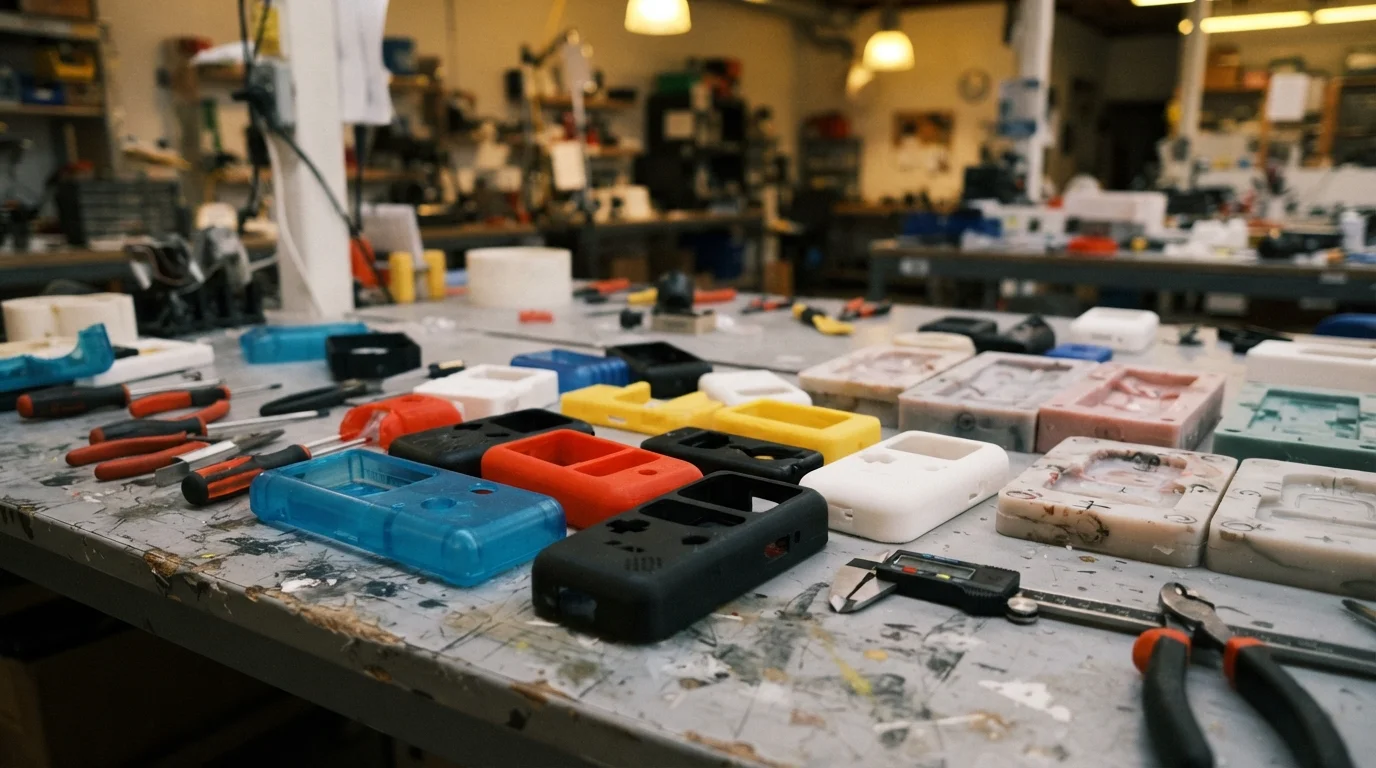
Anfängliche Einrichtungsstunden, Materialabfallmargen und Teilekomplexität beeinflussen die endgültige Rechnung weit mehr, als es Standardsoftware-Algorithmen vorhersagen können. Die Beschaffung hochwertiger physischer Modelle erfordert eine ausgewogene Fertigungsstrategie, die Ihre unmittelbaren Validierungsziele mit dem kostengünstigsten Herstellungsprozess abgleicht. Die Beschaffung Ihrer Kopien von einem Partner mit umfangreichen internen Fähigkeiten stellt sicher, dass Sie ehrliche, kostensparende Ratschläge für Ihr spezifisches Hardwareprogramm erhalten. Lassen Sie uns betrachten, wie Sie Ihre Geometrien optimieren können, um Kosten sicher zu senken und gleichzeitig eine hohe Qualität beizubehalten.
Inhaltsverzeichnis
1. Billige Photopolymerharze versus zähe technische Kunststoffe
2. Optimale Fertigungsmethoden für niedrige versus mittlere Stückzahlen
Billige Photopolymerharze versus zähe technische Kunststoffe
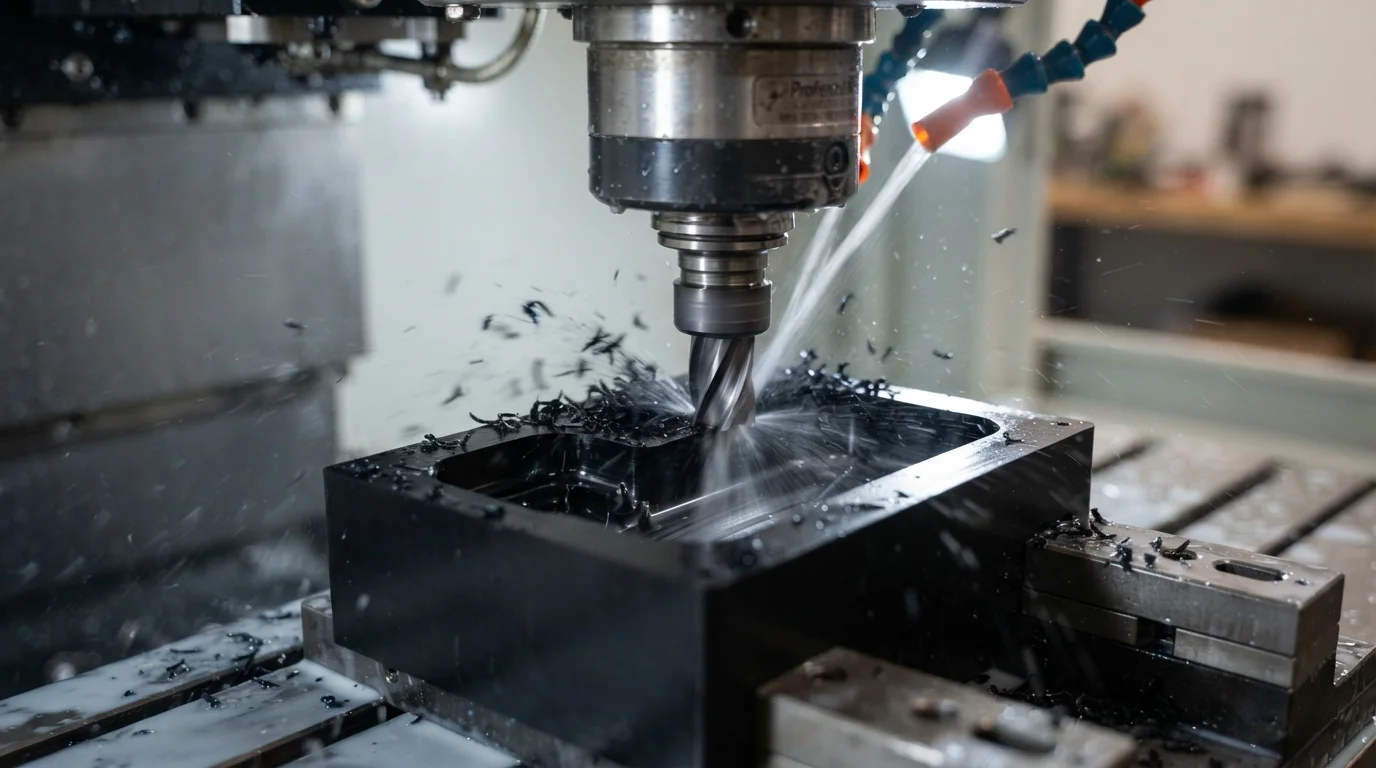
Frage: Warum sind technische Kunststoffe teurer zu prototypisieren als 3D-gedruckte Harze? Hochleistungsthermoplaste müssen subtraktiv aus massiven extrudierten Blöcken gefräst werden, was die Maschinenzeiten und den Werkzeugverschleiß im Vergleich zum automatisierten additiven Schichtbau erhöht.
Die Auswahl der Rohpolymere beeinflusst direkt die G-Code-Programmierzeit, die Maschinenspindelstunden und den Rohmaterialabfallfaktor. Die Verwendung von Standard-SLA- 3D-Druckservice Plattformen ist ideal für frühe visuelle Modelle, da flüssige Photopolymere schnell unter UV-Laserscans aushärten. Standard-Photopolymerharze entbehren jedoch der elastischen Dehnung und Zugfestigkeit, die erforderlich sind, um echten physikalischen Belastungen standzuhalten. Die frühzeitige Prototypenservice Validierung mit diesen spröden Harzen ist billig, versagt jedoch sofort, wenn sie dynamischem mechanischem Drehmoment ausgesetzt wird.
Zähe technische Thermoplaste wie Nylon (PA), ABS, oder hochschlagfestes Polycarbonat (PC) müssen CNC-gefräst oder geformt werden, um echte mechanische Toleranzen zu validieren. Subtraktive CNC-Bearbeitungsservice aus extrudierten Blöcken bewahrt isotrope Materialgefüge und eliminiert die bei additiven Drucken üblichen Schwächen der Zwischenschichthaftung. Das Schneiden von Hochleistungspolymeren wie PEEK erfordert spezielle bimetallische oder Hartmetallschneider, die mit langsamen Vorschubgeschwindigkeiten arbeiten, um thermisches Schmelzen zu verhindern, was die Maschinenstunden erhöht. Die Beschaffung von massiven Kunststoffblöcken schützt Ihr Entwicklungsbudget vor Materialaufschlägen.
Optimale Fertigungsmethoden für niedrige versus mittlere Stückzahlen
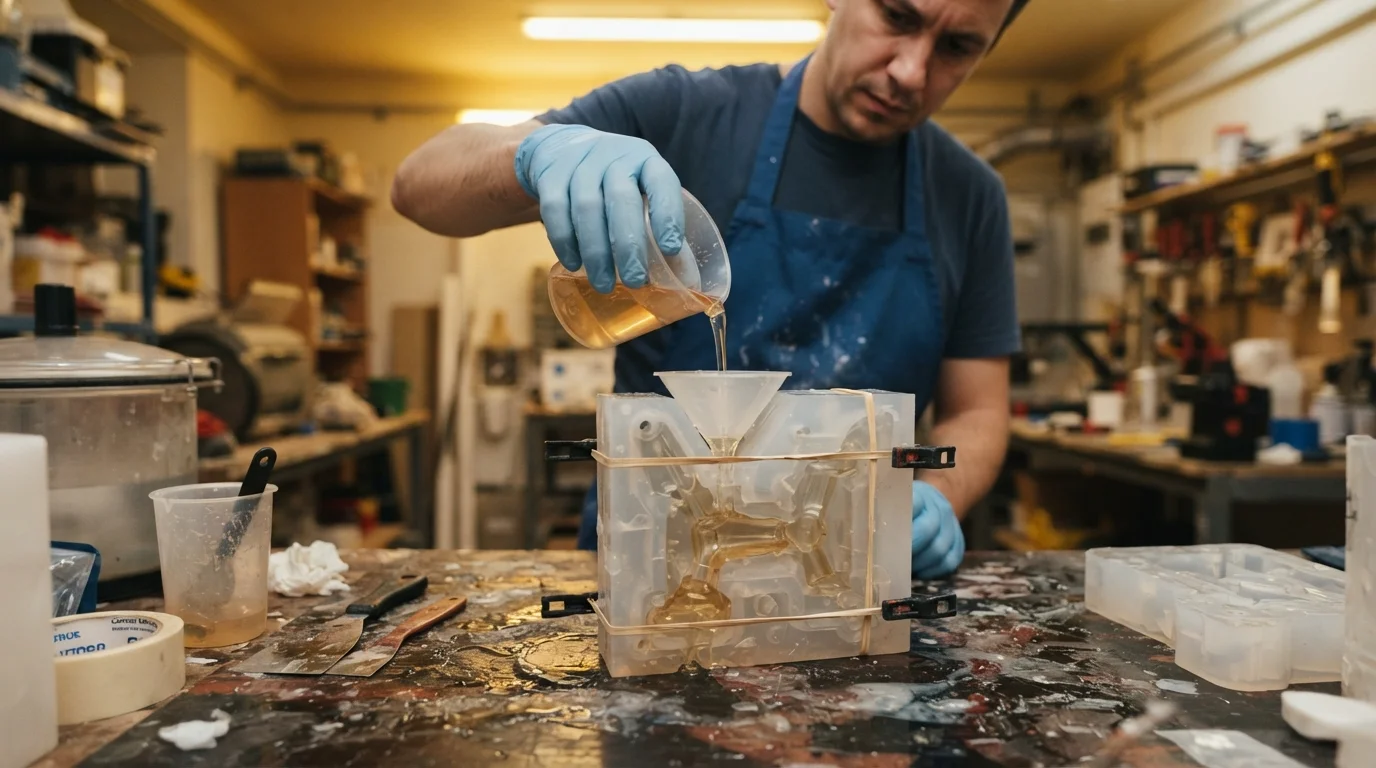
Frage: Ab welcher Stückzahl sollte man vom 3D-Druck zum Vakuumguss übergehen? Die Beschaffung kundenspezifischer Polyurethan-Teile aus Silikonformen wird bei der Produktion von zehn bis fünfzig Kunststoffeinheiten äußerst kosteneffizient, da teure Maschineneinrichtungszeiten entfallen.
Die Kosten für polygonalen 3D-Druck skalieren nahezu linear mit dem Volumen, das heißt, fünfzig Teile kosten fast fünfzigmal so viel wie ein einzelnes Teil. Die Beschaffung von zehn bis fünfzig kundenspezifischen Kunststoffgehäusen ist sehr wirtschaftlich mit Vakuumguss weil Silikonformen nur wenige hundert Dollar kosten, um sie herzustellen. Polyurethan-Gießharze reproduzieren die physikalischen Eigenschaften von serienreifen Kunststoffen wie PC, ABS und Elastomer-Gummi perfekt. Das Verständnis dieser Mengenschwelle ist entscheidend, um zu verhindern, dass Produktgruppen bei ihren gesamten Kunststoff-Rapid-Prototyping-Kosten zu viel bezahlen.
Die Beschaffung von mehr als 100 funktionalen Teilen erfordert den Übergang zu Rapid-Injection-Werkzeugen, bei denen die anfänglichen Formkosten auf die gesamte Serie verteilt werden. Diese Tabelle vergleicht die grundlegenden Kostenverhalten über standardmäßige Kunststoff-Schnellfertigungsmethoden hinweg:
| Prototyping-Technologie | Werkzeuginvestition | Materialkosten pro Teil | Bestes Kosteneinsparvolumen |
|---|---|---|---|
| 3D-Druck (SLA) | Keine Werkzeug-CapEx | Mittel-Hoch (Flüssigharz) | 1 bis 5 Einheiten (Anschauungsmodelle) |
| Vakuumguss | Niedrig ($200 – $500 pro Form) | Mittel (Polyurethan) | 10 bis 50 Einheiten (Kleinserie) |
| CNC-Bearbeitung | Mittel (Manueller Einrichtungsaufwand) | Niedrig (Feste Polymerblöcke) | 5 bis 20 Einheiten (hochfeste Teile) |
Kosten für kosmetische Oberflächenveredelung und Lackierung
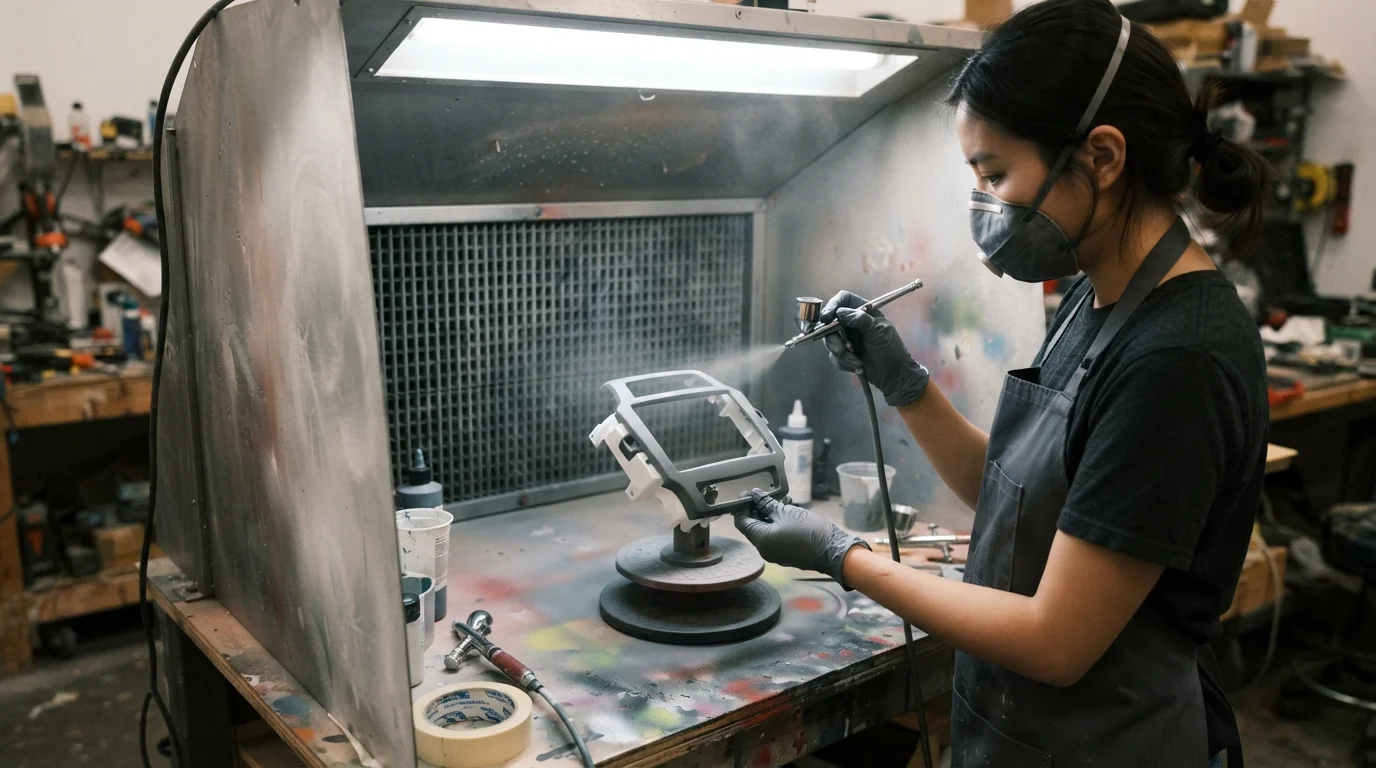
Frage: Wie wirken sich Oberflächengüten auf die Kosten für Kunststoff-Prototyping aus? Hochwertiges Handpolieren, farblich abgestimmte Lackierung und Textur-Sprühbeschichtung erfordern intensive manuelle Arbeitsstunden, die Ihre gesamten Projektkosten verdoppeln können.
Das Auftragen kosmetischer oder funktionaler Oberflächenbehandlungen stellt eine große Variable dar, die die endgültigen Abmessungen der Bauteile direkt verändert. Lackbeschichtungen, Soft-Touch-Sprühbeschichtungen und dicke Polyurethanlacke fügen sichtbare Schichten von 0,05 mm bis 0,15 mm pro Seite hinzu. Wenn diese Nachbearbeitungsaufbauten nicht berücksichtigt werden, können enge ineinandergreifende Teile blockieren oder sich gar nicht montieren lassen. Techniker kompensieren die Beschichtungsdicken während der frühen Bearbeitungseinrichtung, indem sie kritische Abmessungen zurücknehmen.
Jucheng Precision unterstützt mechatronische Gruppen durch die Lieferung hochoptimierter, kostensparender Kunststofffertigungsoptionen, die sich an enge Budgets anpassen. Die Inanspruchnahme unserer fachkundigen DFM-Überprüfungen hilft Produktgruppen, Angussplatzierungen, Trennlinien und Entformungsschrägen zu optimieren, bevor Metall geschnitten wird. Der Einsatz hocheffizienter Mehrachsen-Fräseinrichtungen stellt sicher, dass wir völlig ehrliche, praktische Ratschläge geben, um Ihre Kosten für schnelles Kunststoff-Prototyping zu senken. Die Beschaffung vollständig validierter, produktionsreifer Komponenten innerhalb von 4 bis 15 Tagen ermöglicht es mechatronischen Gruppen, Entwicklungszeitpläne sicher zu beschleunigen.
Die Zusammenarbeit mit einem zertifizierten Hersteller hilft Ihnen, den Übergang von frühen visuellen Mock-ups zu Kleinserien-Brückenwerkzeugen nahtlos zu bewältigen. Die manuelle Einholung Ihrer Angebote stellt sicher, dass erfahrene Ingenieure Ihre 3D-STEP-Dateien analysieren, um zusätzliche Möglichkeiten zur Kosteneinsparung beim schnellen Kunststoff-Prototyping zu finden. Funktionale Komponenten durchlaufen strenge Koordinatenmessungen, um die genaue Maßhaltigkeit zu bestätigen. Die Beschaffung hochwertiger Prototypen stellt sicher, dass Ihre Konstruktionen so ausgelegt sind, dass sie starken dynamischen Kräften sicher standhalten.
Häufig gestellte Fragen (FAQ)
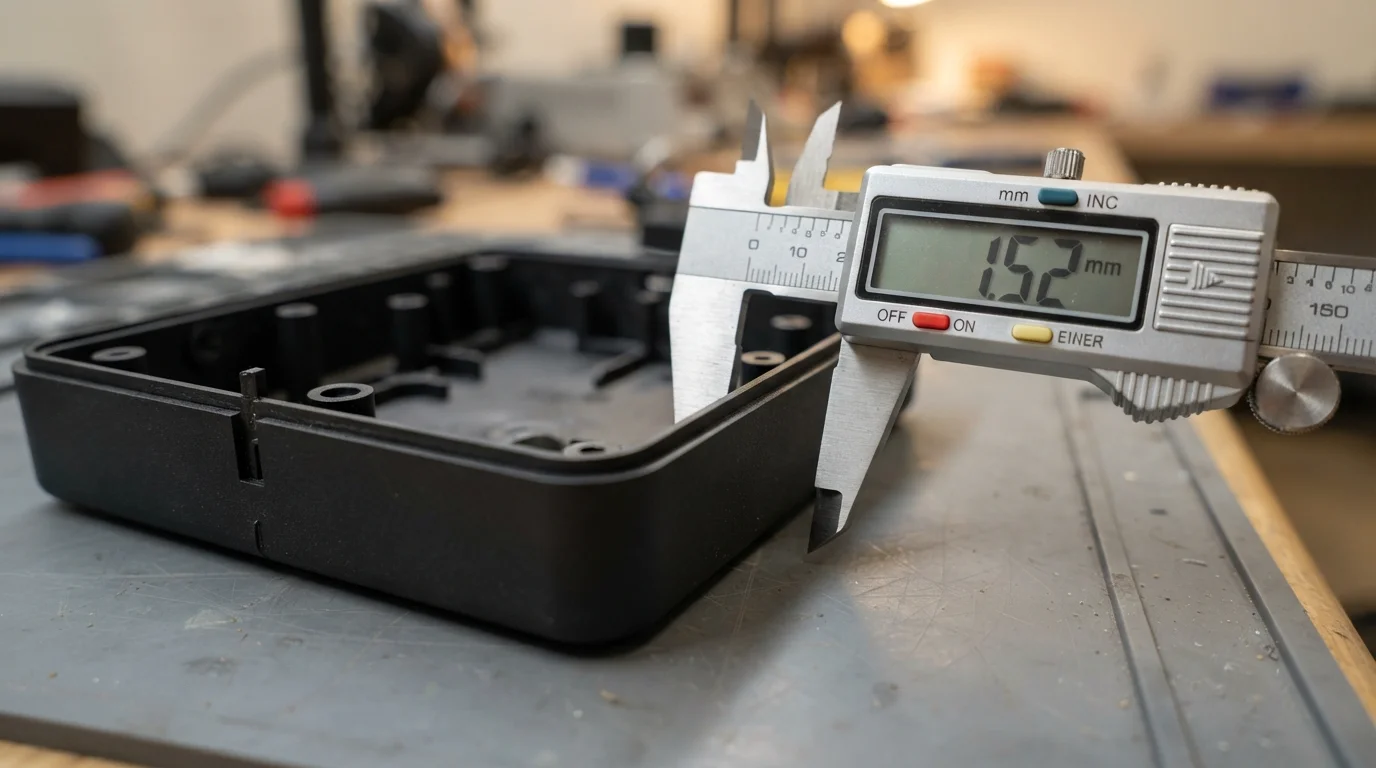
Was ist die optimale Wandstärke für strukturelle Kunststoffgehäuse?
Gegossene oder gefräste Kunststoffgehäuse funktionieren in der Regel am besten mit einer Wandstärke von 1,5 mm bis 3,0 mm. Die Dimensionierung der Wände in diesem Bereich balanciert mechanische Schlagfestigkeit mit allgemeinen Polymerfließeigenschaften und Kühlgeschwindigkeiten aus.
Erhöht komplexes Oberflächenpolieren die Prototyping-Kosten drastisch?
Manuelles Handpolieren, Dampfpolieren und mehrschichtige Lackierung erfordern intensive Arbeitsstunden, die Ihre gesamten Projektkosten verdoppeln können. Die Spezifikation von Standard-Strahl- oder Rohmaschinenoberflächen für innere Strukturen oder frühe visuelle Modelle senkt Ihre Gesamtkosten Kosten für Rapid Prototyping. Produktdesigner koordinieren mit Fertigungsspezialisten, um dekorative Oberflächen Oberflächenveredelungen nur auf sichtbaren äußeren Sichtflächen anzubringen, um niedrige Entwicklungskosten zu erhalten.
Warum wird Polypropylen gegenüber Polycarbonat für lebende Scharniere bevorzugt?
Polypropylen weist einen Elastizitätsmodul von etwa 1,4 GPa auf, bietet hervorragende Flexibilität und eine außergewöhnliche Ermüdungslebensdauer für lebende Scharniere. Standard-Polycarbonat hingegen hat einen viel höheren Modul von 2,4 GPa und bietet hervorragende Schlagfestigkeit und Dimensionsstabilität unter Last.

