


A medical device quality agreement makes the boundary between a device owner and a manufacturing supplier explicit. It should identify who provides approved specifications, who controls each operation, who inspects and releases the component, who communicates changes, and who retains evidence. Without those decisions, both parties can complete their assigned work yet still leave a gap at the handoff.
This article is a manufacturing-oriented discussion, not a contract template or legal advice. Regulatory and legal teams must review any actual agreement against the device, market, supplier role and applicable law. For a buyer of CNC-machined frames, molded housings or assembled subcomponents, the best starting point is a route map rather than a generic list of clauses.
Draw the Boundary Around One Deliverable
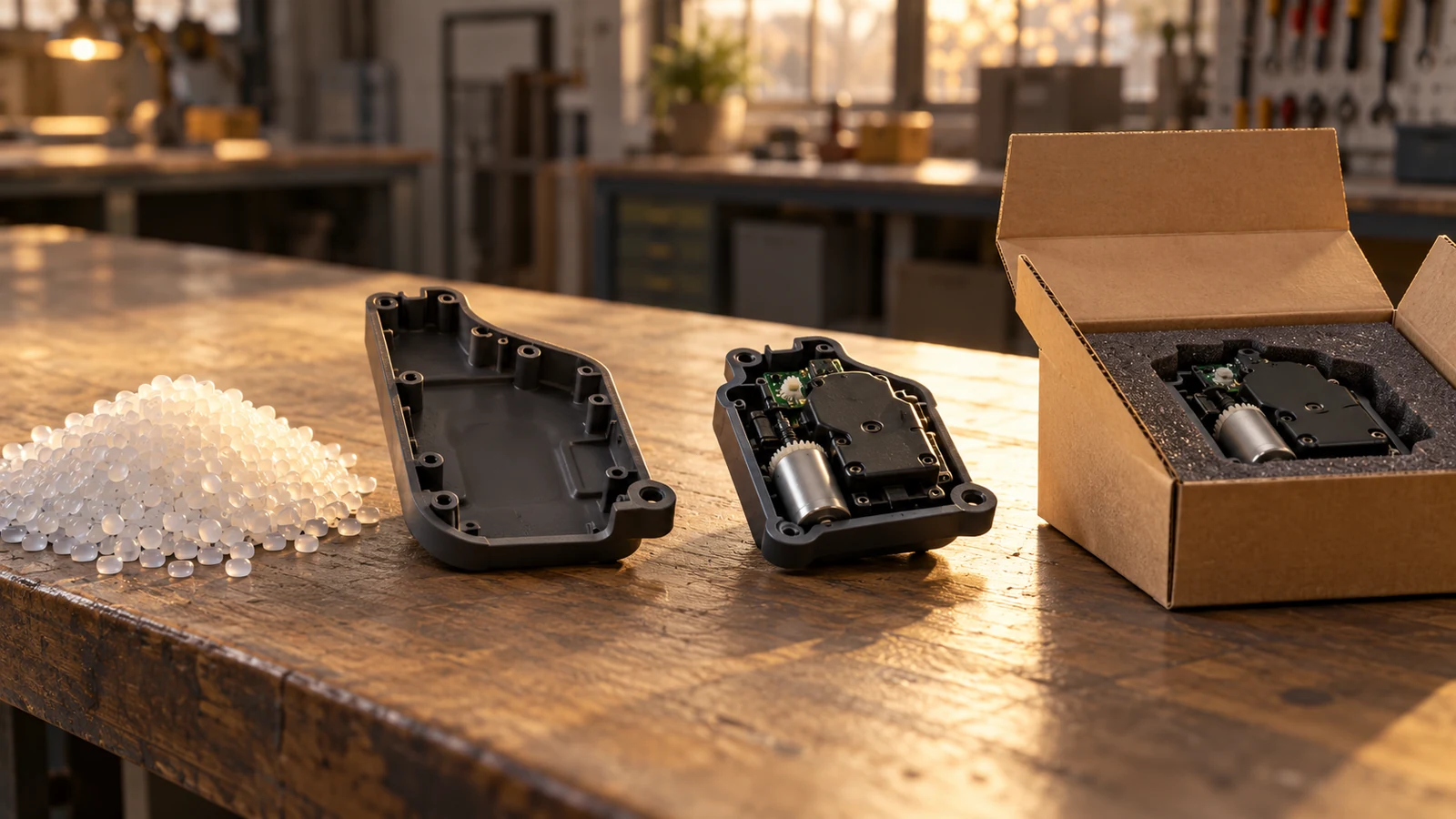
Define exactly what the supplier delivers: raw component, finished part, cleaned part, tested subassembly or packaged item. A supplier that machines a housing but sends it elsewhere for finishing has a different scope from one responsible for the finished assembly. If the purchase order says only “medical part,” neither team has a complete definition of acceptance.
Record part number, revision, material specification, finish, critical features, inspection deliverables and allowed subcontracting. The agreement can refer to controlled drawings and specifications instead of copying all dimensions into a document that will become stale. It should also identify which party owns the authoritative revision when files disagree.
The broader selection criteria in how to choose a medical device manufacturer help decide whether a supplier fits the program. The quality agreement addresses a different question: after selection, what will each party do and prove for this particular deliverable?
Allocate Decisions, Not Merely Activities

An agreement that says “supplier performs inspection” leaves important questions open. Who defines the inspection method? Who may accept a borderline dimension? Who authorizes rework? Who decides whether a deviation affects finished-device evidence? The decision authority matters as much as the physical activity.
| Decision point | OEM or legal manufacturer typically defines | Supplier typically implements or reports | Explicit interface to agree |
|---|---|---|---|
| Product requirements | Approved design and acceptance criteria | Manufacturable route and questions | Which revision governs the order? |
| Material identity | Allowed grade and substitution boundaries | Purchasing and lot identification | What proof accompanies each lot? |
| Inspection | Critical features and acceptance basis | Measurement and records within scope | Who resolves ambiguous results? |
| Nonconformance | Acceptance or deviation authority as allocated | Containment and factual report | When must shipment stop? |
| Process change | Impact and approval requirements | Advance notification and evidence | When may the new route begin? |
| Records | Retention and access requirements | Creation and secure retention | What is supplied with shipment? |
These are discussion prompts, not universal allocations. A contract manufacturer may hold more responsibility than a component-only supplier, while a finished-device owner cannot assume an outsourced activity has transferred every regulatory obligation. FDA’s QMSR overview states the current U.S. framework for finished-device manufacturers; qualified teams should determine how it applies to the arrangement.
Make Change Notification Operational
“Notify us of changes” is too vague to run a production program. Name the change categories: material source or grade, tool, process sequence, manufacturing site, subcontractor, finishing method, inspection method, software used to generate a tool path, and packaging where relevant. The list should fit the actual part and manufacturing route.
Define notice timing and the information package. The OEM may need the proposed reason, affected part and revision, first impacted lot, comparison with the approved route, sample or test plan, and inventory already produced. A supplier needs a clear response owner and a rule for whether production may proceed while the buyer evaluates the change.
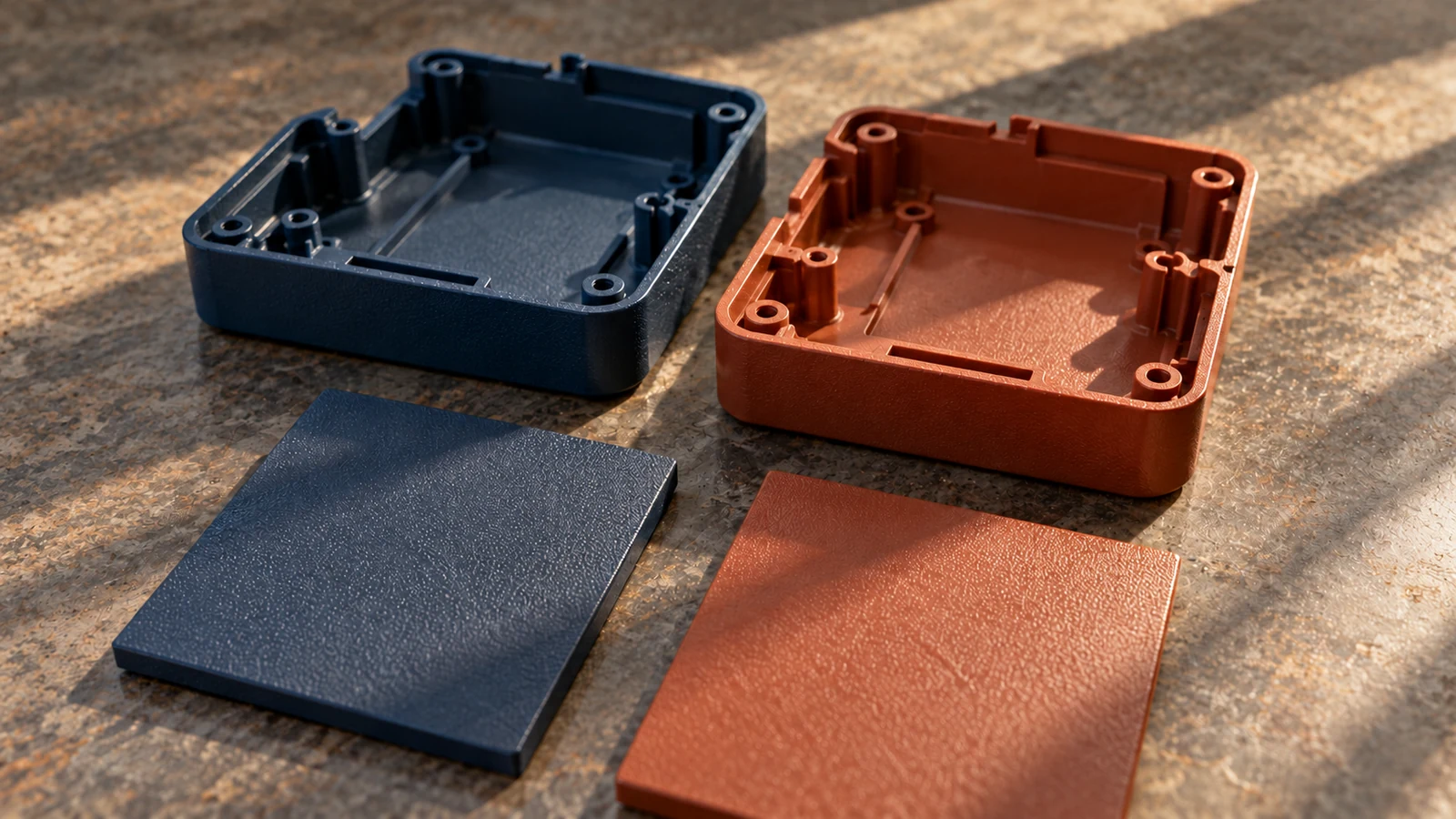
Consider a molded enclosure whose resin designation remains the same but whose approved supplier changes. The label alone may not establish equivalent processing, color, assembly fit or relevant device evidence. A good agreement does not automatically reject the change; it makes the evaluation and approval sequence unambiguous.
This differs from a full medical device supply chain analysis. The latter maps dependencies and alternatives. The agreement states what the chosen organizations must communicate and retain when a dependency changes.
Treat Nonconformance as a Time-Critical Handoff

If a part fails a dimensional, cosmetic or functional requirement, the supplier needs a way to hold affected inventory and notify the right OEM contact. Specify what the first notification contains: part and lot identification, observed condition, quantity made, quantity shipped, containment actions and the next proposed check. A dramatic root-cause claim made before the evidence is reviewed is less useful than an accurate initial account.
Define which party may authorize rework or concession. A supplier may have a technically plausible repair, but the finished-device owner might need to evaluate effects on design verification, process validation or regulatory documentation. The agreement should keep routine manufacturing decisions from becoming undocumented device-level decisions.
Escalation should be proportional. A surface mark on a nonfunctional area and a damaged sealing feature are not equivalent. Define the relevant categories and the contact route, including what to do outside ordinary business hours if the project genuinely requires it. Do not promise an unsupported response time just to make the clause look complete.
Specify Records That Travel and Records That Remain Available

The buyer may need selected documents with each shipment and access to other records on request. Distinguish the two. Examples include certificate or lot identity, inspection results for defined characteristics, release status, approved deviations and traceability to an external process. What is necessary depends on the device and agreement.
Records should be retrievable by part, revision and lot, not only by calendar date. If a later question concerns one assembly shipment, the parties need to identify which material, process route and acceptance evidence belonged to it. A well-written retention rule includes duration, access, format and what happens if the supplier changes systems or closes the account.
For a CNC manufacturing project, the RFQ package should state the expected drawing, material, finish, quantity and inspection documents. That is a practical point to identify agreement gaps before a first order is placed, rather than after a disputed result arrives.
Review the Agreement Against a Real Order

Take a recent or proposed purchase order and walk it from quote to shipment. Can both sides identify the approved configuration? Does the supplier know which external processes are permitted? Could a rejected lot be located and held? Would a tool or material change reach the right reviewer before implementation? If any answer depends on personal memory, the interface needs clarification.
Die National Medical Products Administration’s contract-manufacturing agreement guidance is an example of a regulator discussing allocation of quality responsibilities in a specific jurisdiction. It is not a substitute for checking the rules of every destination market or copying a clause into an unrelated component-supply arrangement.
Quality agreements work when the two teams can act on them. They should describe an actual component route, name the people or functions who decide, and connect changes and problems to traceable evidence. A longer document with undefined owners provides less protection than a shorter, precise one.
Is a purchase order enough?
It may define commercial and technical requirements, but often does not explain change notice, nonconformance escalation or record access in sufficient detail. The parties should decide where those responsibilities are controlled, whether in an agreement or another referenced document.
Does a quality agreement certify the supplier?
No. It establishes expectations and responsibilities. Supplier qualification, component evidence and performance monitoring are separate activities that should match the purchased product and risk.