


A strong adhesive can still produce a weak medical assembly. Joint geometry, surface condition, bond-line thickness and cure access determine whether the selected chemistry can perform its intended function. Medical device adhesives should therefore be evaluated as part of an engineered interface, not chosen solely from the highest strength shown on a datasheet.
The discussion below addresses physical component assembly: metal inserts in polymer bodies, covers, housings and selected bonded interfaces. It is not a guide to applying adhesive to patients, and it does not establish a medical use for any formulation. Identify the exact substrates, contact conditions and exposure sequence before narrowing the candidate products.
Read the Failure Surface Before Changing the Chemistry
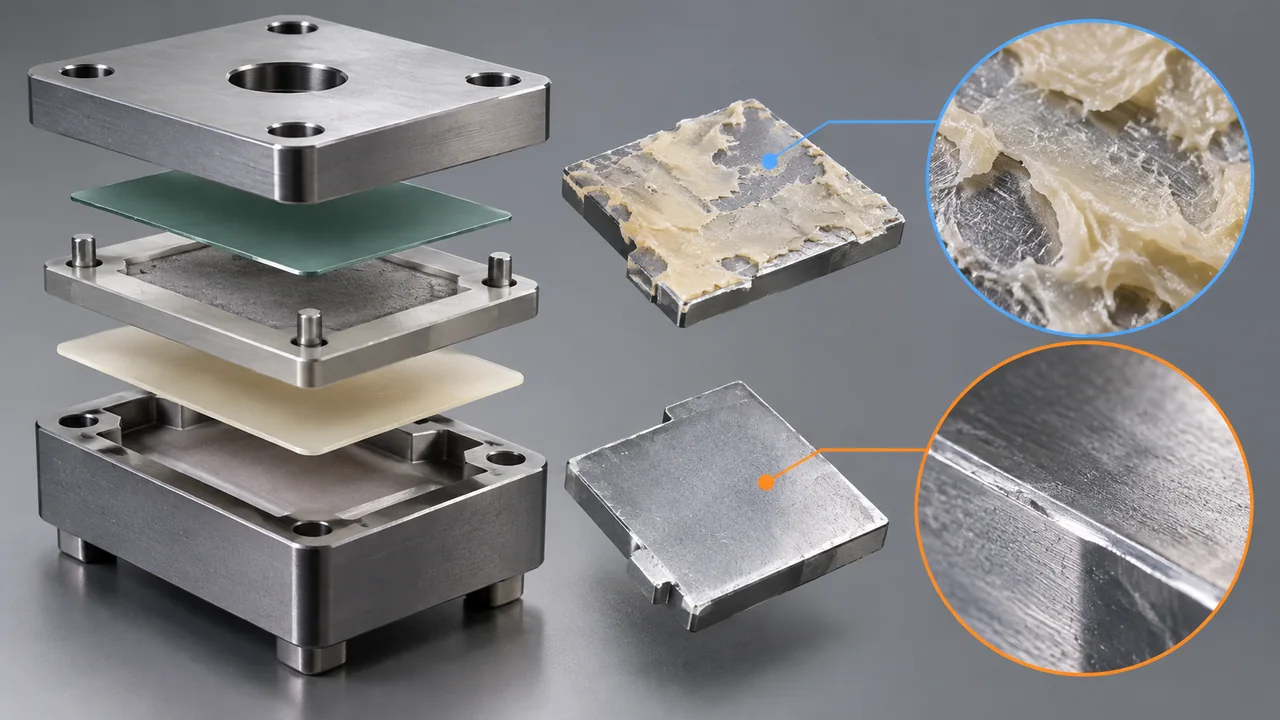
An interface that separates cleanly from one substrate suggests a different investigation from a joint that tears through the adhesive or breaks the surrounding plastic. Record which surface retains adhesive and whether the pattern is uniform. Avoid treating every separated joint as proof that the adhesive itself is too weak.
Consider load direction. A bond designed around a favorable shear result may experience peel or local bending in the assembled device. A rigid insert pulling against a flexible housing can concentrate stress at the edge, even when the nominal bonded area looks generous.
Use the failed condition to form hypotheses: inadequate surface preparation, incomplete cure, an unsuitable substrate, excessive clearance or a load path the joint was not designed to carry. Then choose tests that distinguish these explanations. Replacing the adhesive without investigating can produce another short-lived success.
Die medical device materials parent page supports the substrate decision. Adhesive selection must account for those specific grades and surfaces, including any coating or treatment present at the interface.
Design the Joint So the Adhesive Can Work
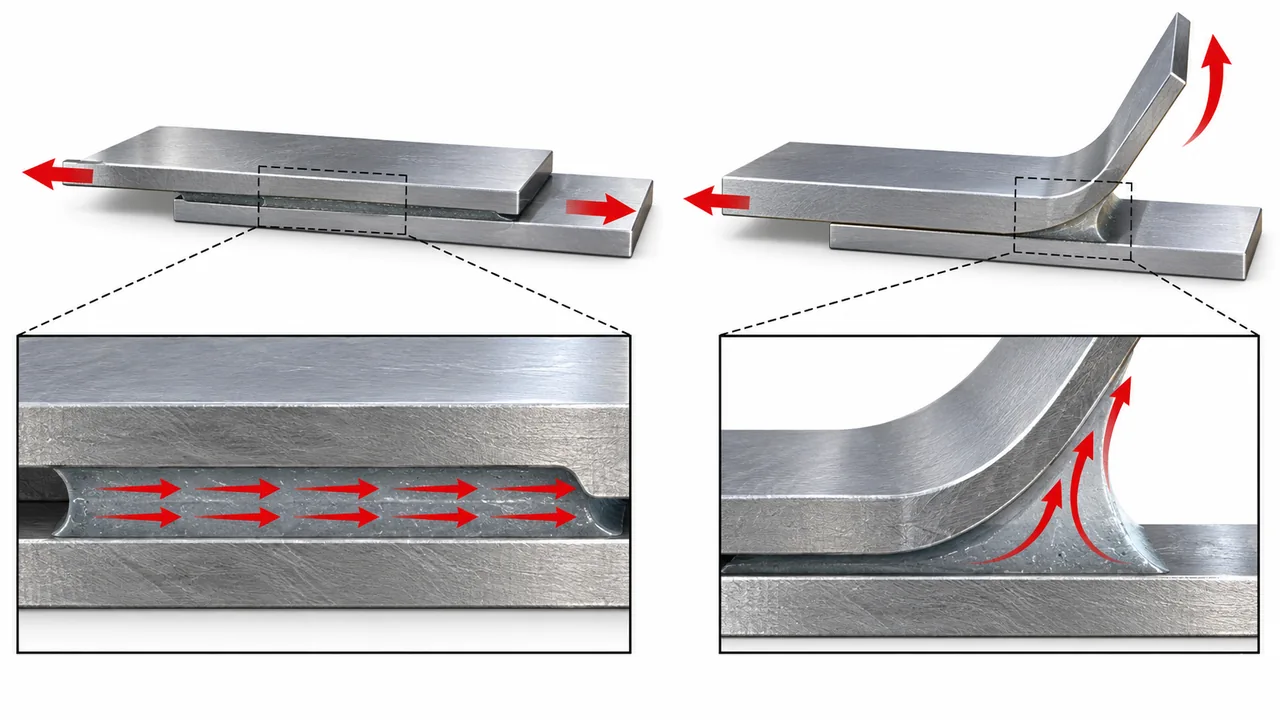
An overlap, socket or controlled locating feature can distribute load differently from a narrow butt joint. Review whether the assembly can transmit force through a broader region without introducing unacceptable bulk, trapped residue or difficult cleaning geometry.
Define the bond-line condition. Too little space may squeeze adhesive away from an area that needs it; excessive space may create a different cure and stress problem. The appropriate range depends on the selected product and joint, so obtain a justified design recommendation rather than applying one universal gap.
| Joint detail | Risk to investigate | Design or process response |
|---|---|---|
| Abrupt end of an overlap | Concentrated peel or bending stress | Review load direction and transition geometry |
| Uncontrolled assembly clearance | Variable bond-line thickness | Define locating and spacing features |
| Closed pocket | Trapped air or excess adhesive | Evaluate dispensing and escape paths |
| Flexible wall around a rigid insert | Local deformation during loading | Investigate support and representative retention tests |
| Surface required to remain clean | Adhesive migration into a functional region | Control amount, location and assembly sequence |
A Useful Prototype Holds More Than the Shape
A prototype intended to evaluate a bond should represent the substrate, surface and interface as closely as the question requires. A printed substitute may help position an insert but may not reproduce adhesion to the intended molded polymer. State what each development sample proves and what remains unresolved.
Jucheng’s prototyping service can be discussed around these learning objectives. Provide the joint’s load path, substrates and proposed adhesive process rather than sending CAD alone.
Match Cure Access to the Assembled Geometry
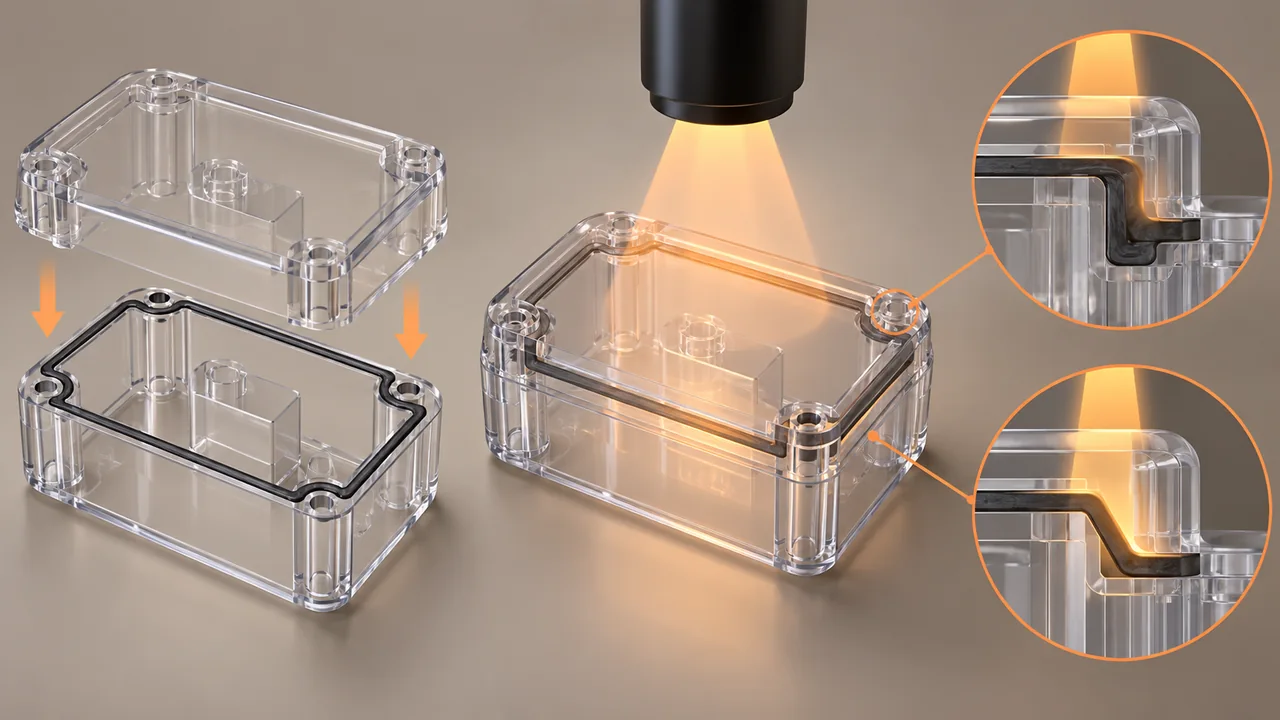
Light-curable adhesives need the relevant light to reach the adhesive under the product’s specified conditions. A transparent cover does not automatically provide adequate access to every region; an insert, pigment or surrounding geometry can shadow part of the bond.
Other chemistries introduce different controls, such as mixing, working time, moisture, temperature or component ratio. Use the current technical documentation for the exact adhesive. Do not copy a cure schedule from another formulation or assume that a joint is fully cured because it can be handled.
Establish the distinction between fixture time and the state needed for final performance. A bond may hold components in position before it reaches the condition required for testing or shipment. The work instruction should identify the appropriate waiting and conditioning stages.
Henkel’s medical-device adhesive information illustrates that specialized products use different formulations and curing approaches. Product designation alone is not enough; obtain the applicable instructions and investigate their fit with the real assembly.
Surface Preparation Must Survive the Production Handoff
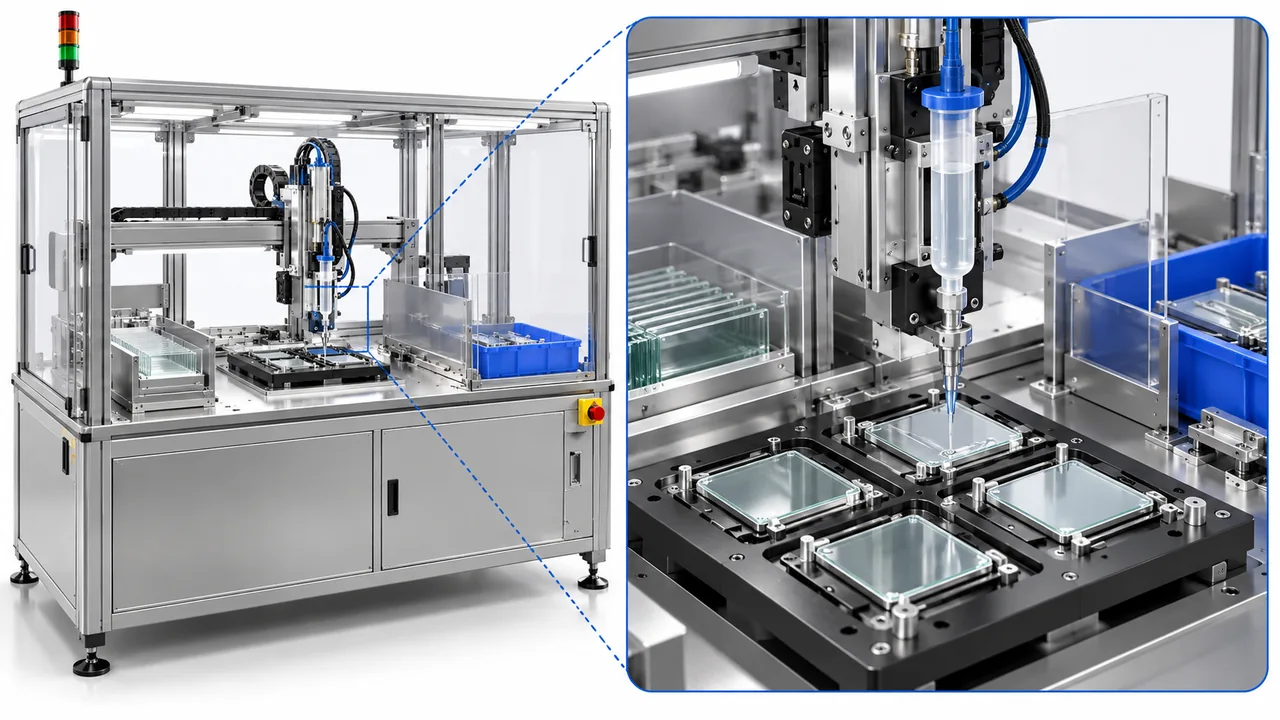
Machining fluid, mold-related residue, fingerprints and coating can change the interface. Identify the cleaning and preparation needed for the selected substrates, and determine whether those operations affect dimensions, surface finish or biological evaluation.
Control the interval between preparation and bonding where it matters. A surface exposed to uncontrolled storage after preparation may not match the surface used in development. Specify handling and protective arrangements so operators do not reintroduce contamination before dispensing.
Für CNC-machined components, define the delivered surface state and any prohibited residue. If a finishing subcontractor changes a treatment, assess whether the adhesive evidence still represents the bond surface.
Do not add primers or surface treatments informally to rescue a weak joint. They may improve adhesion but also change the material system and its documentation needs. Review the complete interface and record the approved route.
Test After Exposure, Not Only After Assembly
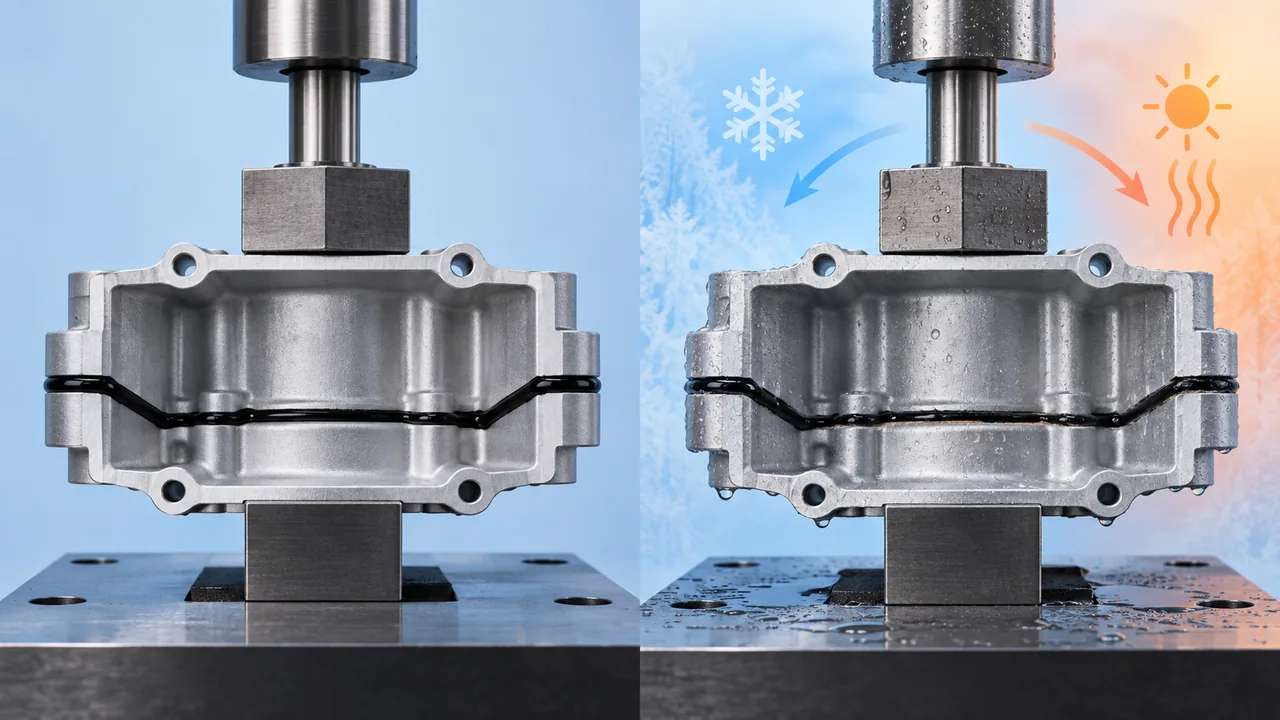
A fresh bond may behave differently after cleaning, sterilization, moisture or repeated loading. Select exposure conditions relevant to the device and evaluate the endpoint that protects its function. A simple pull test can be useful when it represents the real load, but it is not an automatic answer for every interface.
Record whether failure occurs in the adhesive, at a substrate interface or in the surrounding part. That information is often more actionable than the maximum force alone. It can reveal that a stronger adhesive would merely shift the failure into a thin molded wall.
Include the assembled tolerance condition. An insert at one end of its allowed position may produce a different load distribution from a perfectly centered development sample. Where appropriate, investigate representative variation rather than testing only the easiest configuration.
For patient-contact or fluid-path applications, qualified specialists should assess the finished material system and contact conditions. Adhesive marketing statements and substrate certificates are not a substitute for a device-specific evaluation, especially when the bonding process changes exposure or residual conditions.
Release a Bonding Process, Not a Bottle of Glue
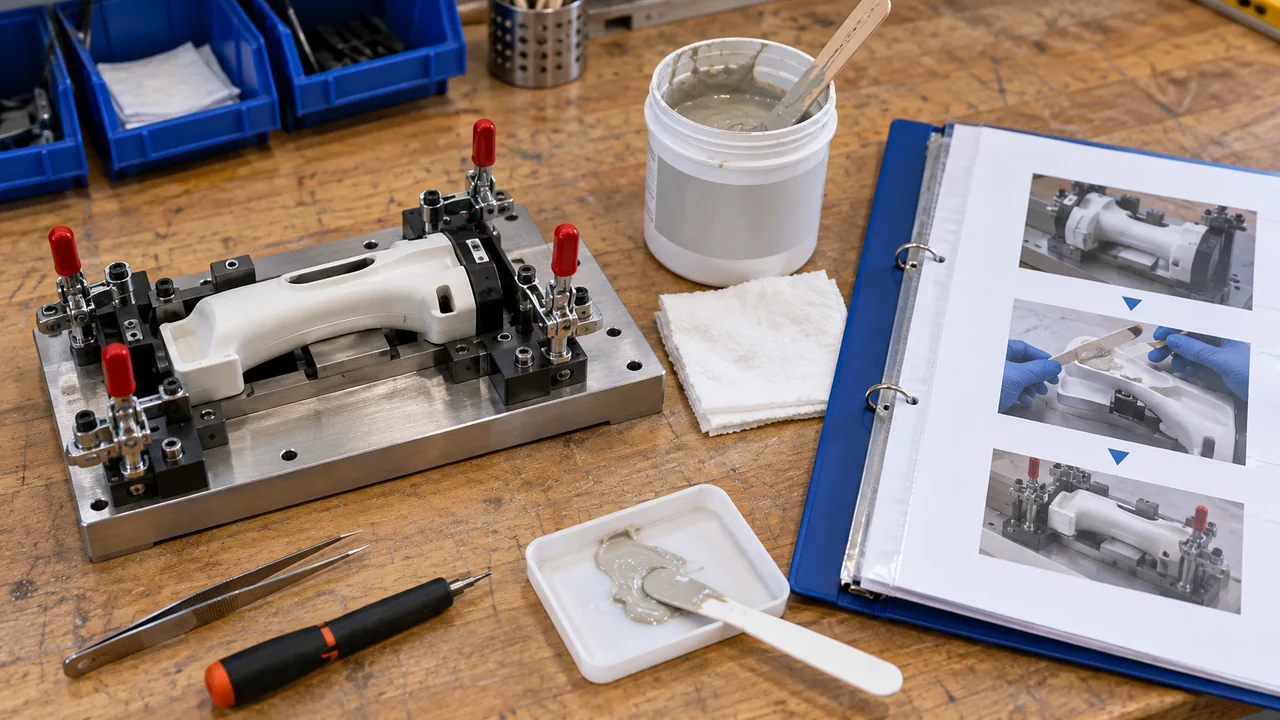
The controlled package should identify adhesive grade, substrates, preparation, dispensing, assembly positioning, cure and inspection. Include material storage and shelf-life controls appropriate to the product documentation. Define which changes need approval and which records support the released assembly.
The existing medical device assembly article covers the wider assembly handoff. The adhesive-specific contribution is to make the interface and cure repeatable rather than rely on an operator’s visual estimate of a sufficient amount.
For a Jucheng quotation, distinguish the requested fabrication from any proposed bonding development and specialist testing. Confirm each responsibility before approving the manufacturing route. This helps the procurement team compare proposals on the same basis instead of assuming every part price includes validation of the joint.
Is More Adhesive a Safer Choice?
Not automatically. Excess material can enter a functional region, trap air or change cure behavior. Use an amount and application method justified for the geometry, and define how the process prevents both missing coverage and uncontrolled squeeze-out.
Can a Datasheet Strength Value Be Our Acceptance Limit?
Not without establishing relevance. Datasheet specimens, substrates and test conditions may differ from the actual device joint. Set a justified finished-assembly requirement and evaluate representative samples under the conditions that matter to the design.

