


Aerospace Manufacturing Standards: AS9100 and Quality Compliance
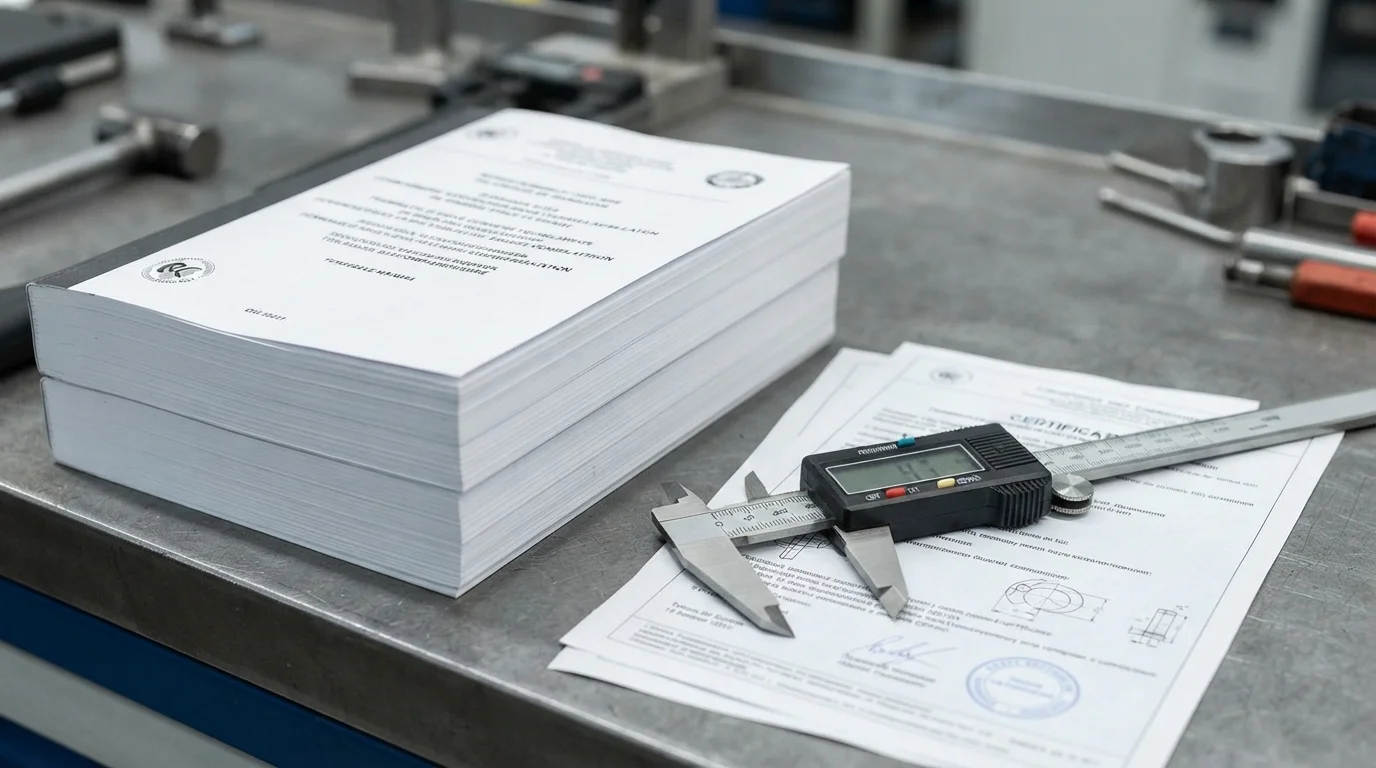
Commercializing flight hardware and defense systems demands absolute adherence to international quality management systems that enforce operational safety, risk mitigation, and complete supply chain transparency. When aviation engineering teams develop flight-critical components, complying with verified aerospace manufacturing standards dictates whether a product secures airworthiness authorization or faces immediate regulatory rejection. Sourcing components from machine shops lacking verified aerospace quality management systems introduces legal liability, documentation gaps, and severe flight hazards.
Utilizing an experienced contract manufacturing partner ensures that structural titanium (Ti-6Al-4V Grade 5) airframe fittings and high-strength AL7075-T6 aluminum spar caps meet audited regulatory benchmarks. Let us examine the quality management systems, Nadcap special process accreditations, and First Article Inspection (FAI) protocols that govern modern aerospace manufacturing compliance.
Module 1 – Definition and Working Principles of AS9100 Quality Architecture

Aerospace manufacturing regulatory compliance defines the mandatory quality management systems, documentation controls, and process validation protocols required to produce safe, effective flight hardware. The working principle relies on risk management, rigorous environmental cleanroom controls, and documented verification through AS9102 First Article Inspection (FAI) reporting. While generic commercial items are shaped via standard cutting, flight components require audited 5-Achs-CNC-Bearbeitung and certified sheet metal fabrication.
To implement structured compliance frameworks on production hardware, quality engineering leads could follow these practical steps:
- Quality System Implementation: Establish a documented AS9100 quality manual governing design controls, document change orders, and risk analysis procedures.
- Process Validation: Qualify machine tool installation, operational parameter boundaries, and long-term process capability across all production lines.
- Material Traceability Control: Enforce complete lot tracking, storing authentic Material Test Reports (MTR) and chemical composition certs for all Inconel 718 und PEEK stock.
Module 2 – Core Application Scenarios Across Flight Certifications
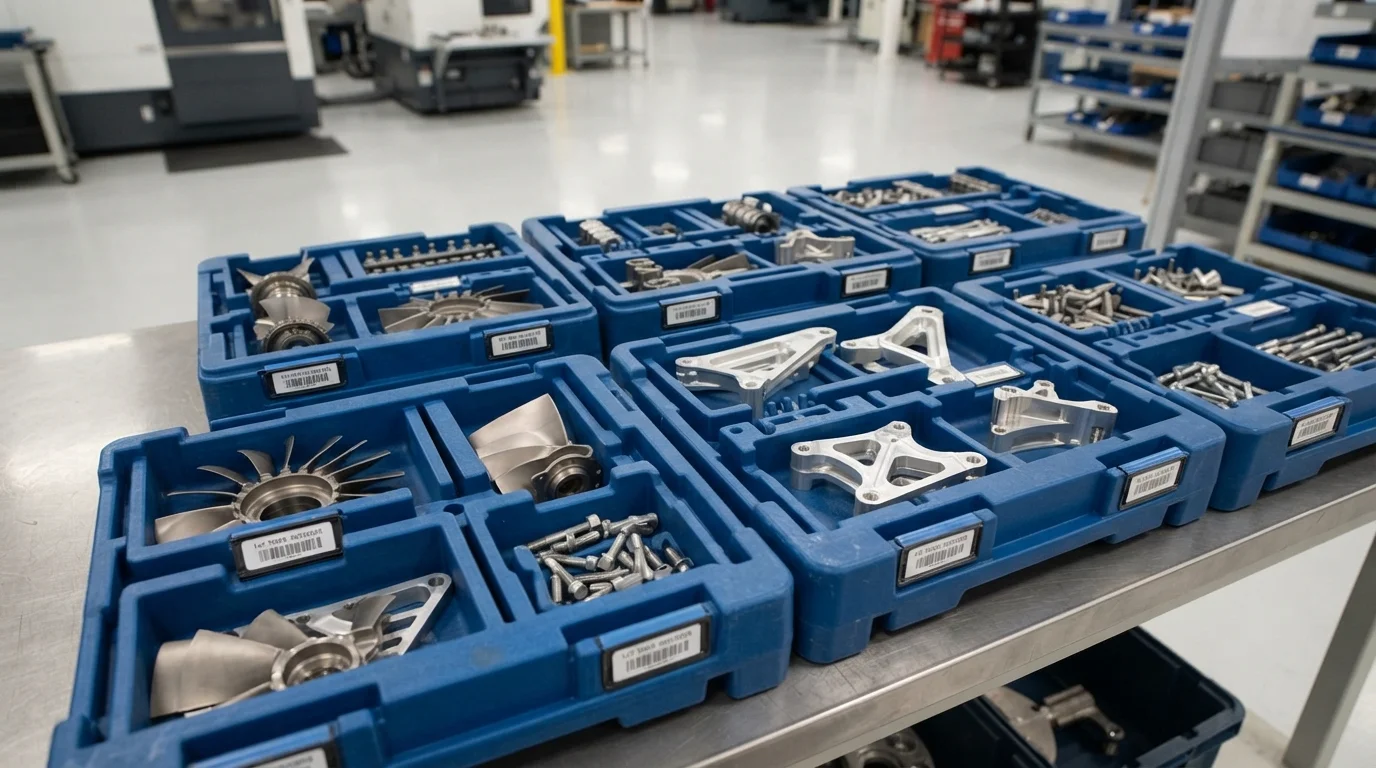
Adhering to regulatory frameworks is essential across commercial aviation, orbital space launch systems, and defense platforms where manufacturing defects directly threaten mission success. When aerospace OEMs prepare regulatory filings for FAA or EASA airworthiness clearance, adhering to validated aerospace manufacturing standards eliminates submission delays and audit non-conformances. Discussions across aerospace engineering groups on Reddit and Facebook indicate that thorough AS9102 First Article Inspection (FAI) reports and authentic Mill Test Reports (MTR) are mandatory for rapid market authorization.
Primary regulatory application sectors include:
- Commercial Aviation: Manufacturing airframe bulkheads, landing gear components, and passenger cabin structures under AS9100 quality systems.
- Space Launch Systems: Fabricating rocket engine manifolds, satellite payload adapters, and cryogenic fuel valves subject to 100% inspection tracking.
- Defense Hardware: Machining unmanned aerial vehicle airframes and radar sensor housings requiring strict counterfeit part prevention.
Modul 3 – Wichtige Auswahlfaktoren für den Projekterfolg
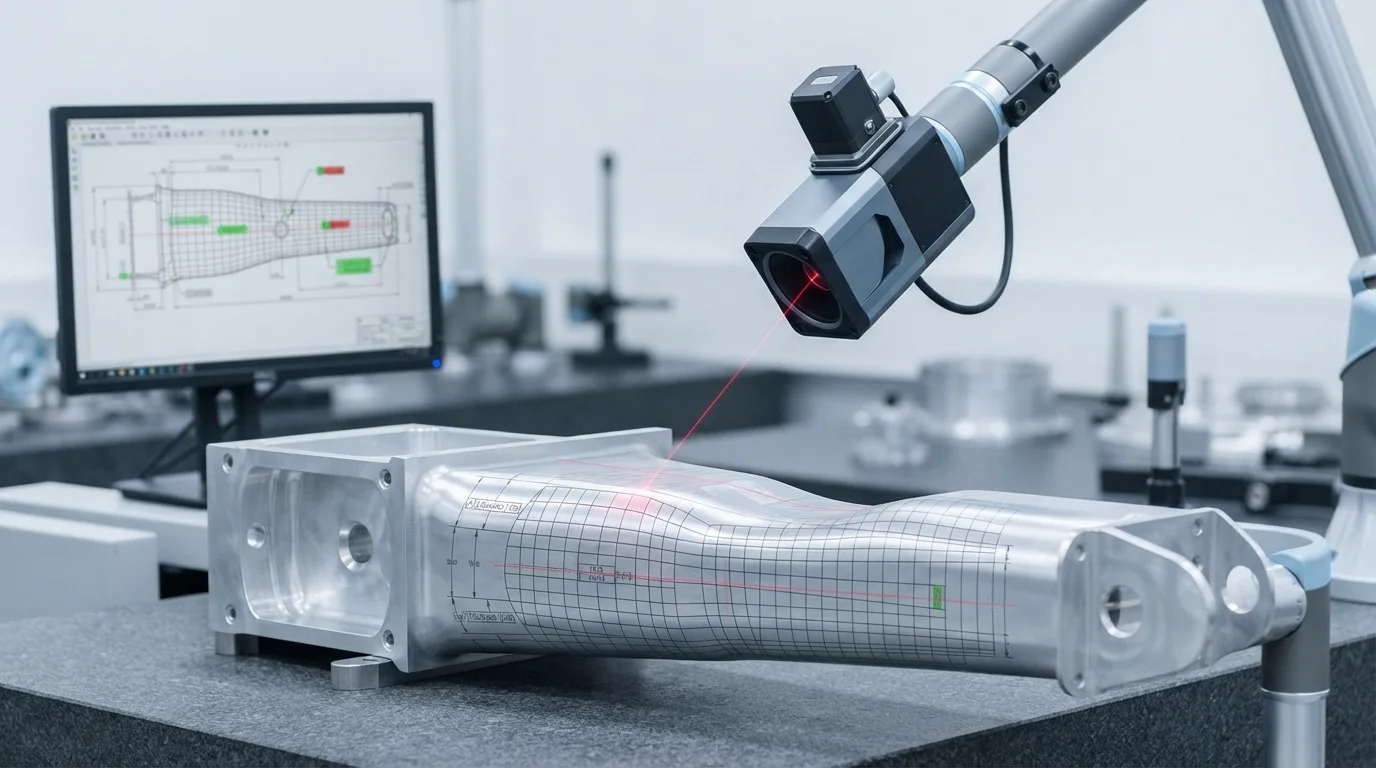
When selecting an audited contract manufacturing partner, engineering teams must evaluate quality certifications, special process accreditations, and documentation capabilities. Evaluating these core parameters ensures your flight components withstand regulatory scrutiny.
| Regulatory Standard | Core Quality Focus | Primary Compliance Impact |
|---|---|---|
| AS9100 | Comprehensive quality management system specific to aerospace manufacturing | Baseline international requirement for global aerospace supply chains |
| Nadcap | Special process accreditation for welding, heat treating, and chemical processing | Guarantees process control for critical non-destructive treatments |
| AS9102 | Aerospace First Article Inspection (FAI) reporting requirement | Verifies 100% of engineering drawing dimensions prior to full production |
Modul 4 – Installations- und Wartungstipps
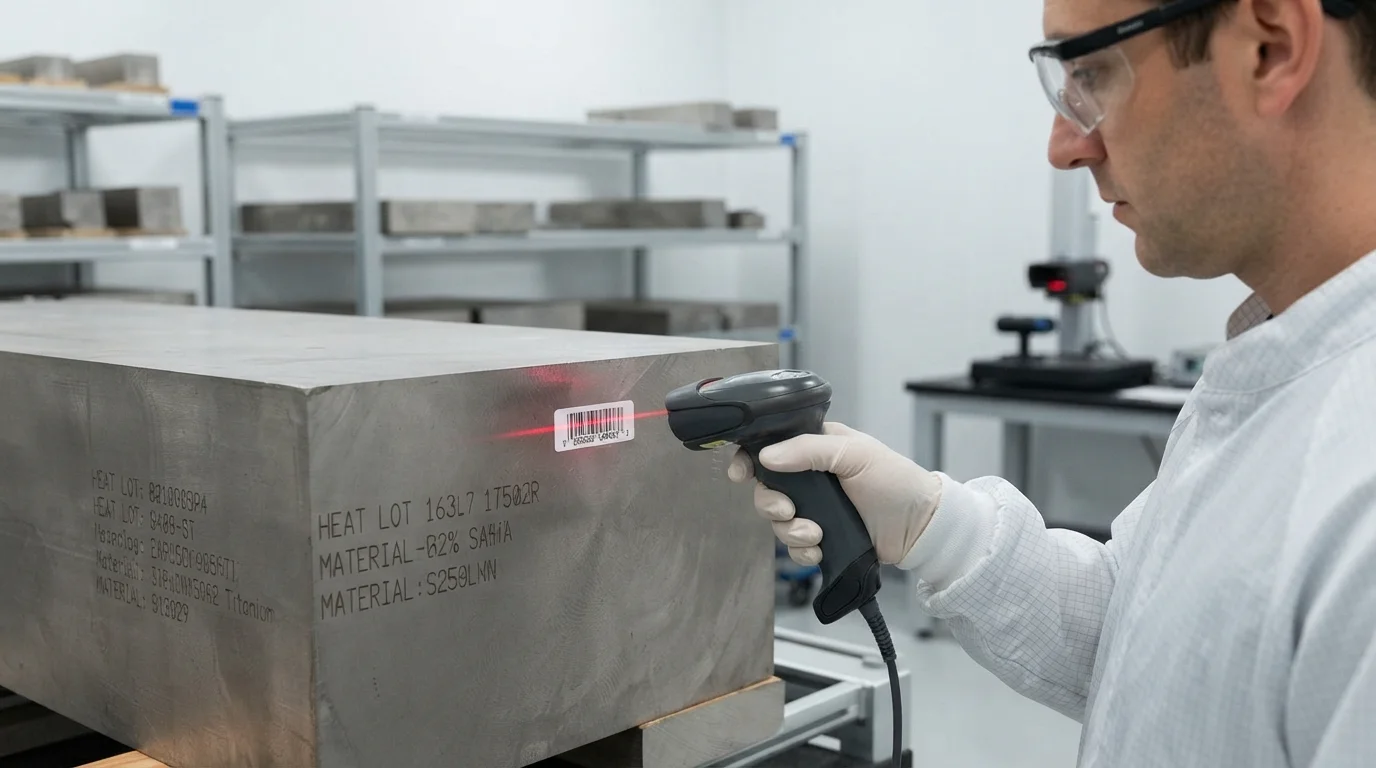
Proper calibration of production machinery, cleanroom particle monitoring, and documented preventive maintenance safeguard aerospace manufacturing compliance across active production campaigns. Protecting calibrated sensors from mechanical drift ensures continuous regulatory conformance.
Wichtige Installations- und Wartungstipps umfassen:
- Environmental Cleanroom Auditing: Continuously monitor temperature and humidity inside metrology rooms to maintain thermal measurement stability.
- Calibration Traceability: Calibrate all micrometers, coordinate measuring machines, and pressure gauges against NIST-traceable standards on scheduled intervals.
- Batch Record Archiving: Store comprehensive Certificate of Conformity (CoC) documents and inspection certificates securely for the entire commercial lifecycle of the aircraft.
Modul 5 – Häufig gestellte Fragen (FAQ)

1. What is the difference between ISO 9001 and AS9100 in manufacturing?
AS9100 fully incorporates ISO 9001 but adds nearly one hundred specialized aerospace requirements, including critical item management, counterfeit part prevention, and strict supplier risk controls.
2. What is Nadcap accreditation and why is it important for aerospace parts?
Nadcap is a global aerospace industry-managed program that accredits special processes—such as chemical processing, heat treating, and non-destructive testing—to guarantee zero-defect execution.
3. What is included in an AS9102 First Article Inspection (FAI) report?
It includes Form 1 (part number accountability), Form 2 (product accountability for materials and special processes), and Form 3 (characteristic accountability documenting 100% of ballooned drawing dimensions).
4. Why is counterfeit part prevention mandated under aerospace standards?
Counterfeit or uncertified alloys lack verified metallurgical grain density and fracture toughness, which can cause catastrophic structural failure under high-altitude flight stresses.
5. What does a Certificate of Conformity (CoC) verify for flight components?
A CoC is a legally binding document signed by quality assurance leads certifying that the shipped hardware meets all drawing specifications, purchase order requirements, and regulatory standards.
6. How does Jucheng Precision support aerospace manufacturing compliance?
Jucheng Precision provides 5-axis CNC machining, precision sheet metal fabrication, AS9102 First Article Inspection reporting, and 100% Material Test Report (MTR) lot traceability under certified quality systems.
Modul 6 – Warum JUCHENG für Ihr Projekt wählen
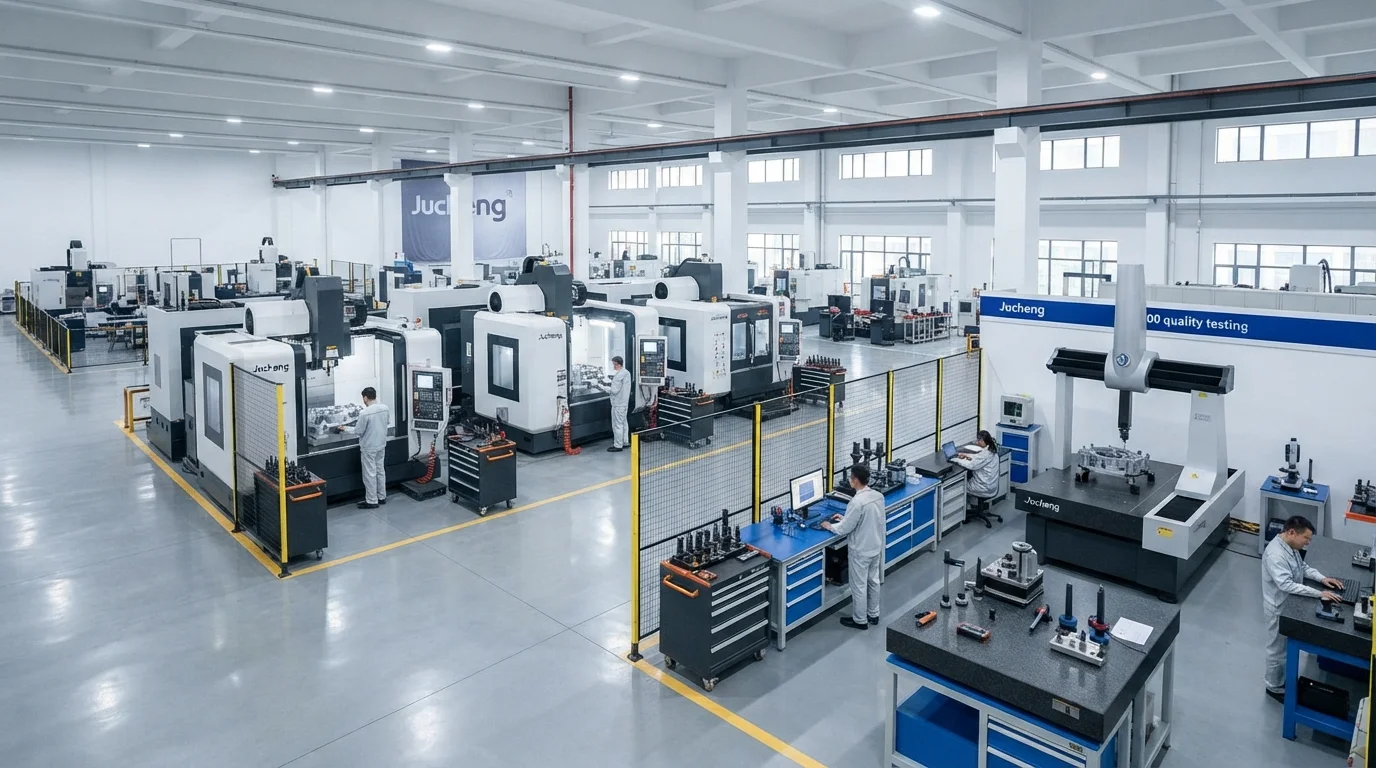
Achieving seamless regulatory compliance and uncompromised flight safety requires an experienced contract manufacturing partner with certified quality systems. JUCHENG supports aerospace innovators by delivering comprehensive 24-Stunden-kostenlose DFM reviews that analyze toolpath clearances, wall pocketing ratios, and geometric tolerances prior to cutting metal billet. Founded in Shenzhen in 2012 with an 8,000-square-meter facility in Dongguan, our factory houses 150+ advanced machines, including 25+ high-performance 5-axis Haas and Mazak milling centers alongside dedicated metrology labs [9.10].
Backed by ISO 9001, ISO 14001, ISO 13485, and IATF 16949 certifications, our engineering teams ensure that adhering to strict aerospace manufacturing standards achieves full AS9102 FAI validation, complete Material Test Report (MTR) traceability, and absolute batch consistency.
Ready to Manufacture Your Hardware Under Certified Aerospace Standards?
Laden Sie noch heute Ihre 3D-Modelle hoch, um sofortiges Feedback, wettbewerbsfähige Preise und eine professionelle DFM-Analyse von unseren erfahrenen Ingenieurexperten zu erhalten. Lassen Sie JUCHENG Ihre komplexen Designs mit unvergleichlicher Geschwindigkeit und Zuverlässigkeit zum Leben erwecken!

