
316 stainless steel is known for its excellent corrosion resistance, but it can still develop rust when exposed to harsh environments or contaminated surfaces. Fortunately, removing rust from 316 stainless steel is achievable with the right methods. Below are proven techniques to restore your stainless steel to its original condition.

1. Mechanical Cleaning (Abrasive Methods)
For light surface rust, use a non-metallic abrasive pad (e.g., Scotch-Brite) or fine-grit sandpaper (220+ grit). Always scrub in the direction of the grain to avoid scratches. For precision components, CNC machining 316 stainless steel can also be employed to remove rusted layers while maintaining dimensional accuracy.
2. Chemical Rust Removers
Commercial rust removers containing phosphoric or oxalic acid effectively dissolve rust without damaging the passive layer of 316 stainless steel. Apply the solution, let it sit, then rinse thoroughly with water. Always follow the manufacturer’s safety guidelines.
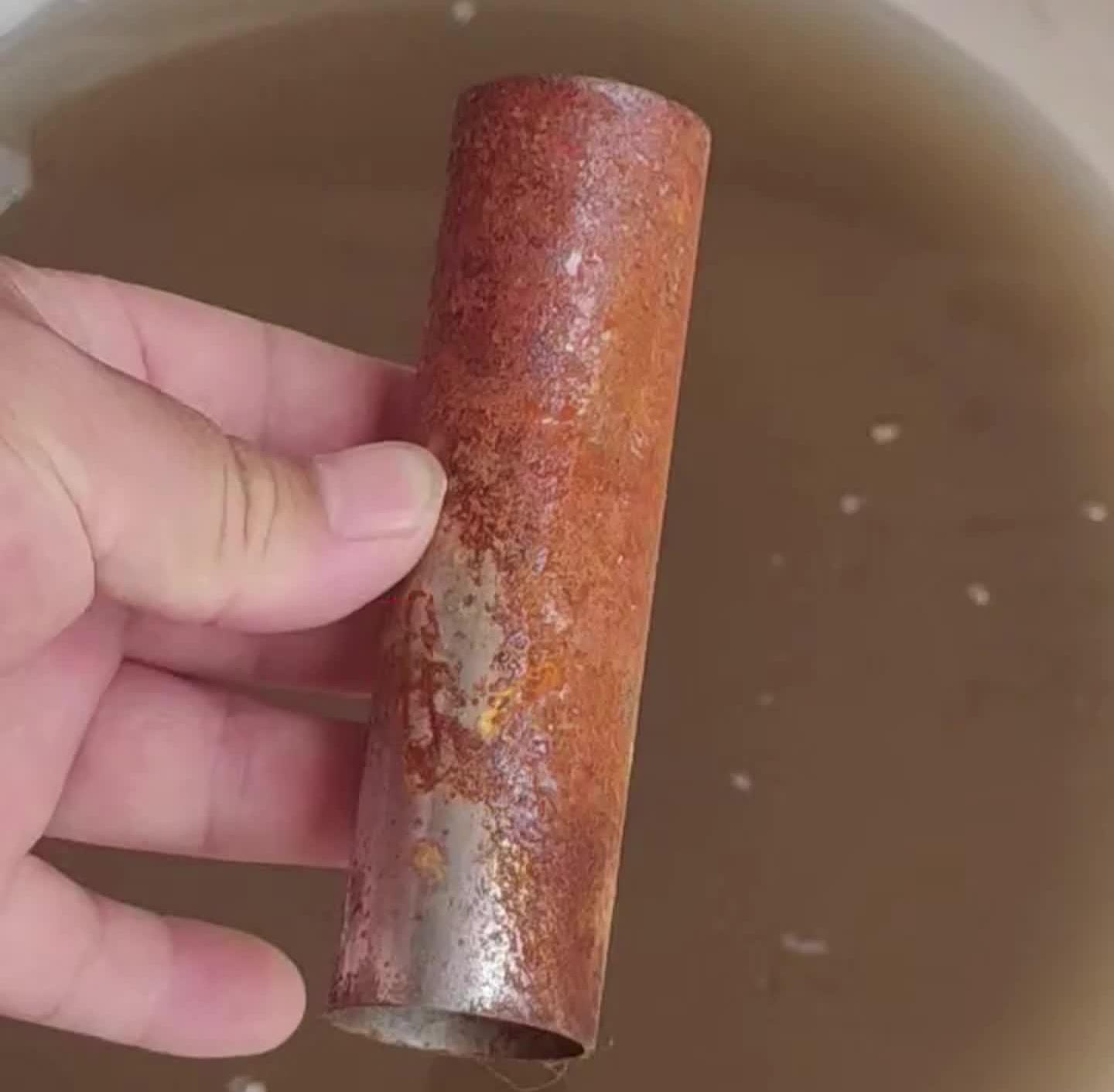
3. Electrolytic Rust Removal
This method uses a low-voltage current in an electrolyte solution (e.g., washing soda) to convert rust back to metal. It’s ideal for intricate parts where mechanical cleaning isn’t feasible.
4. Natural Remedies (Vinegar or Baking Soda Paste)
For minor rust, soak the affected area in white vinegar or apply a baking soda paste, then scrub gently. While slower than chemical treatments, these options are eco-friendly.

Preventing Future Rust
- Avoid chloride exposure (e.g., saltwater, bleach).
- Regularly clean with mild soap and water.
- Apply a protective passivation treatment to restore the chromium oxide layer.
By following these steps, you can effectively remove rust from 316 stainless steel and extend its lifespan. For critical applications, consider professional CNC machining or passivation services to ensure optimal corrosion resistance.

Fordern Sie Ihr DFM & Angebot an – Laden Sie Ihre Zeichnungen hoch
ㆍGeben Sie Ihre Anforderungen ein und laden Sie Ihre 2D- und 3D-Dateien hoch. Wir senden Ihnen innerhalb von 24 Stunden Ihr Projektangebot und DFM zurück.ㆍDateitypen: STEP, STP, IGES, IGS, SLDPRT, 3DM, SAT, X_T, DWG, DXF, STL, PDF, ZIP und mehr. Dateigröße: < 128 MB Teilegröße: < 1500*1500*1500 mm
ㆍDatenschutz: Wir respektieren Ihre Privatsphäre. Hier finden Sie ein Beispiel einer Geheimhaltungsvereinbarung. Mit dem Absenden dieses Formulars stimmen Sie unseren AGB und der Datenschutzerklärung zu.
ㆍDatenschutz: Wir respektieren Ihre Privatsphäre. Hier finden Sie ein Beispiel einer Geheimhaltungsvereinbarung. Mit dem Absenden dieses Formulars stimmen Sie unseren AGB und der Datenschutzerklärung zu.
