


Smart home device development requires a seamless fusion of consumer-facing aesthetics and robust electronic integration. Designing premium smart thermostats, connected lock mechanisms, or IoT gateways demands precise mechanical clearances for internal printed circuit boards (PCBs) and antenna modules. Fabricating highly detailed enclosures involves choosing suitable engineering resins and structural alloys that allow signal propagation without compromising physical structural integrity. Implementing precise validation models ensures these connected assemblies perform flawlessly during functional user-interaction testing.
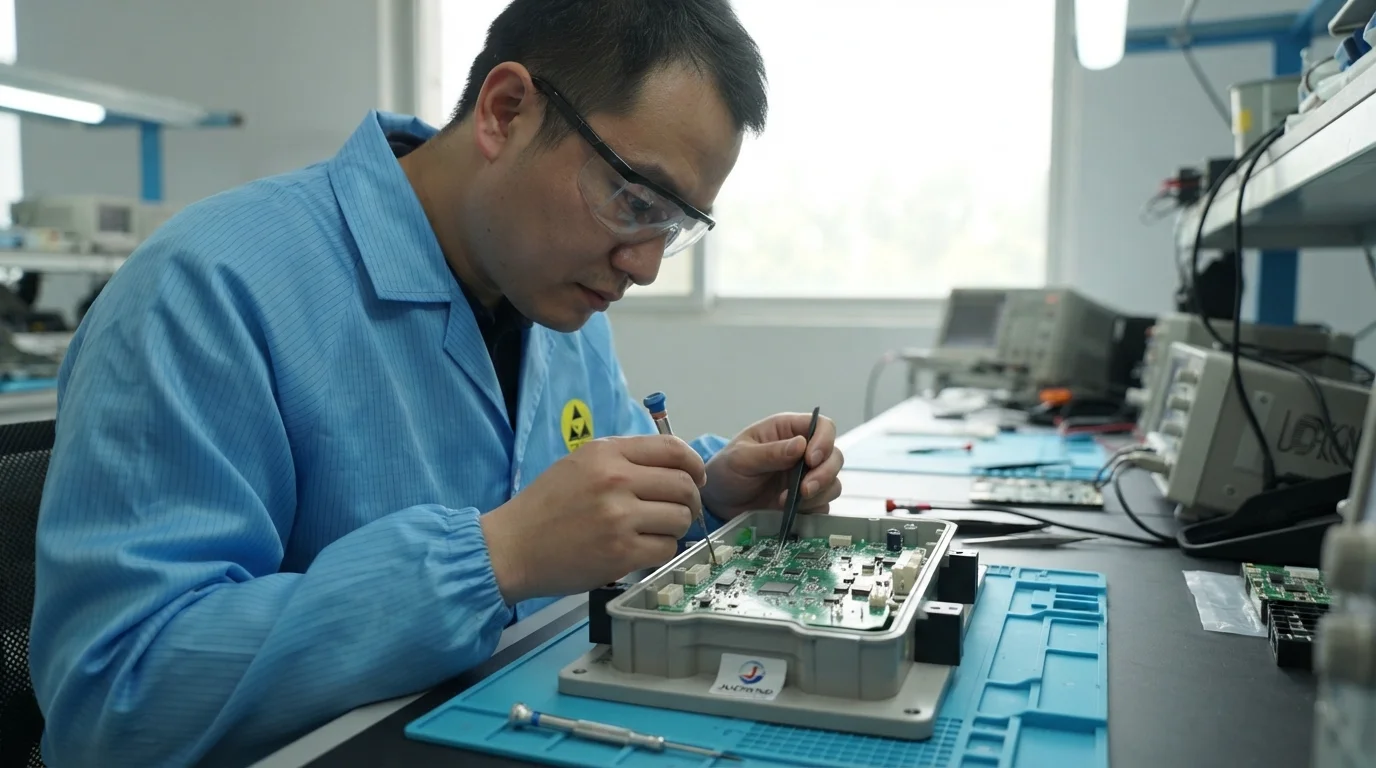
Connected home architectures depend on high-quality tactile interfaces and reliable security hardware to secure market success. Product design cycles are highly aggressive, making rapid fabrication pathways critical to avoid missed market launch windows. Utilizing multi-axis CNC milling, liquid silicone rubber molding, and rapid injection tooling allows engineering departments to validate complex assemblies quickly. Technical engineers review parting line aesthetics, sink mark risks, and draft angles to guarantee premium finish qualities before initiating volume production.
Inhaltsverzeichnis
1. Aesthetic Enclosure Engineering and Electromechanical Integration
2. Zinc and Aluminum CNC Machining for Premium Hardware
3. Bridge Tooling and Rapid Injection Molding for Market Verification
Aesthetic Enclosure Engineering and Electromechanical Integration
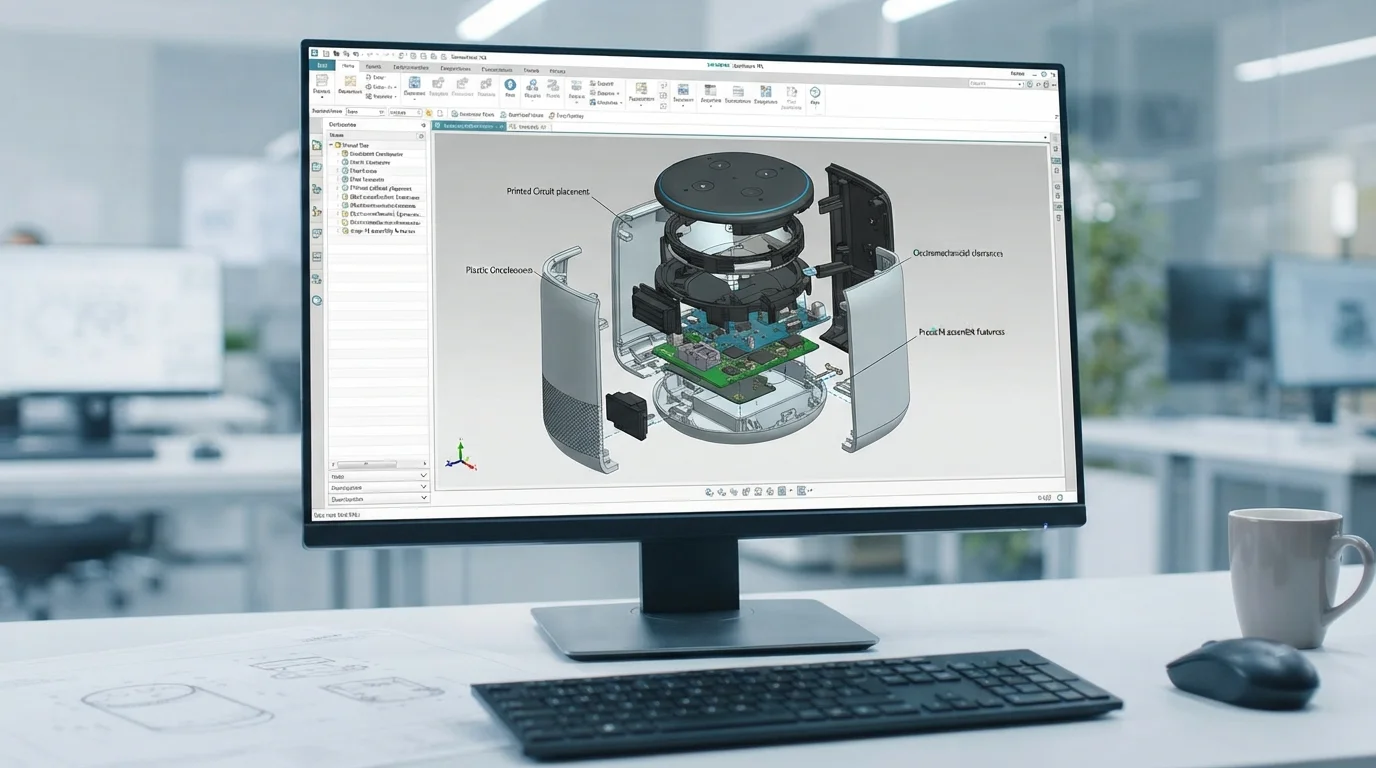
Question: How are signal interferences avoided in plastic IoT enclosures? Product designers locate antennas away from metallic hardware while specifying RF-transparent engineering polymers like polycarbonate.
Integrating functional electronics within sleek cosmetic enclosures introduces major design constraints for IoT hardware. Engineers execute smart home device prototyping to optimize antenna placement, test tactile button feedback, and verify battery compartment lid mechanisms. Complex internal structures like molded-in light guides require optically transparent polymers to channel LED indicator lights evenly. Early physical testing reveals interference patterns or thermal issues before committing to massive steel tooling investments.
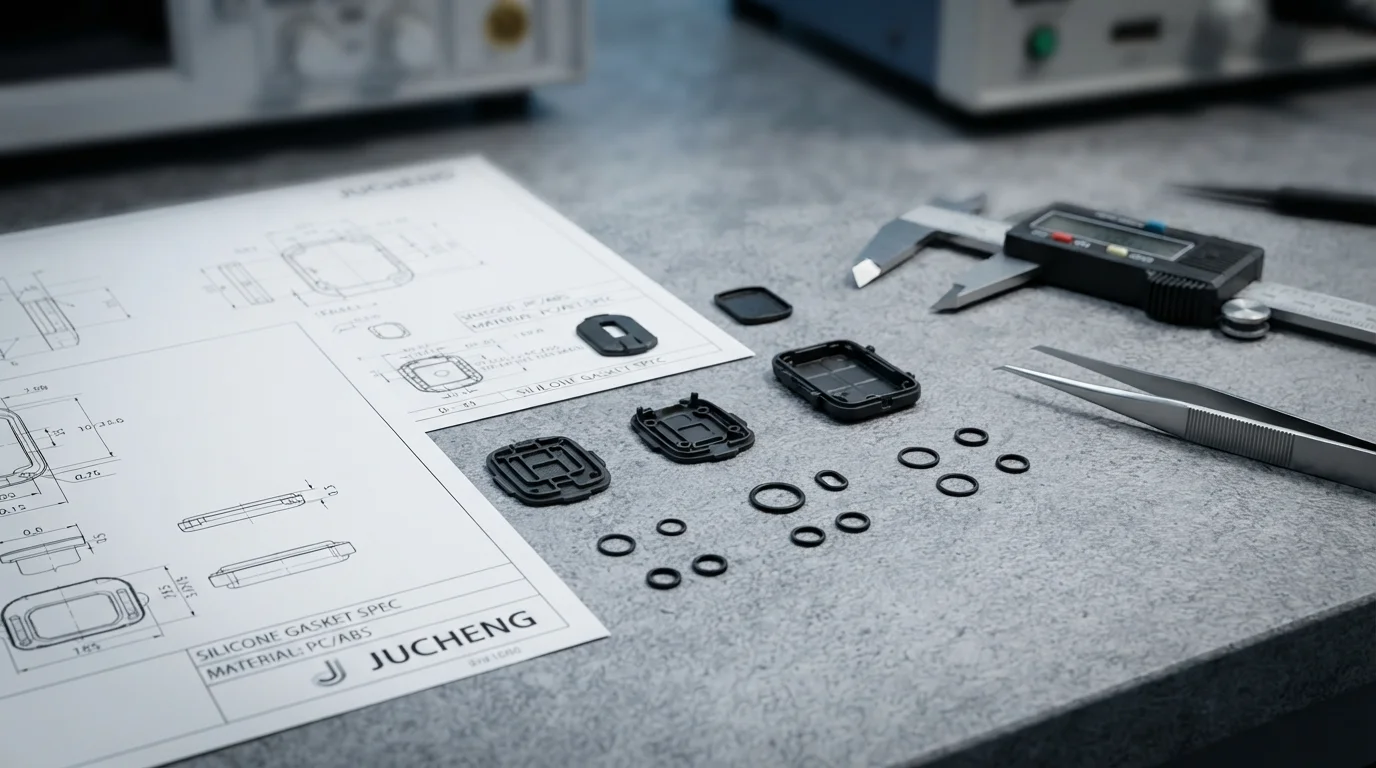
Connected sensor assemblies also demand microscopic dust-proof seals to safeguard sensitive internal circuitry. Custom gaskets are molded from flexible liquid silicone rubbers to ensure tight environmental seals. Reviewing CAD clearances using precise digital mockups prevents mating errors, reducing developmental rework cycles.
Zinc and Aluminum CNC Machining for Premium Hardware

Question: Why are zinc alloys preferred for high-end smart lock components? Zinc provides a heavy, premium feel, remarkable structural strength, and receives decorative electroplated finishes easily.
Sleek smart locks and security hardware require exceptional physical resistance to forced entry and daily environmental wear. Machining structural plates from heavy zinc alloys or billet aluminum provides the structural weight and rigidity required for premium consumer hardware. CNC milling machines achieve micro-tolerances down to ±0.015 mm, ensuring locking gears rotate smoothly without binding. Polishing machined surfaces and applying electrophoretic painting creates a seamless metallic finish that resists sweat and salt corrosion.
High-yield aluminum alloys (like Al6061-T6) dissipate thermal energy generated by onboard processors and electric lock motors efficiently. Microscopic tool marks are eliminated through fine glass bead blasting to produce uniform satin surfaces. Technicians perform rigorous surface checks to verify aesthetic consistency across complex multi-part hardware assemblies.
Selecting appropriate alloy grades balances physical strength with electromagnetic shielding and aesthetic weight. This technical table outlines performance differences between raw materials commonly selected for connected hardware:
| Materialwahl | Mechanische Eigenschaften | Electromagnetic Shielding | Recommended Smart Home Part |
|---|---|---|---|
| Zinc Alloy (Zamak 3) | High yield strength, impact-resistant | Excellent EMI shielding | Smart lock front plates, heavy bezels |
| Aluminum 6061 | Lightweight, structural stiffness | Outstanding thermal dissipation | Smart hub chassis, heatsink brackets |
| Polycarbonate (PC-FR) | Flame retardant, high impact absorption | Zero signal interference | Thermostat housings, IoT smart plug casings |
Bridge Tooling and Rapid Injection Molding for Market Verification

Question: How can IoT startups run low-volume market validation tests affordably? Aluminum rapid tooling produces thousands of parts using real production resins at a fraction of production mold costs.
Launching high-volume consumer connected devices carries immense financial risk if initial designs fail user expectations. Rapid injection molding using aluminum molds offers an ideal intermediate step, producing actual production parts from flame-retardant polymers. Polycarbonate-ABS blends and certified flame-retardant resins satisfy strict UL safety standards required for smart home hubs. Various Rapid-Prototyping-Anwendungen in home automation rely on this bridge tooling method to manufacture functional beta-test units.
Aluminum core and cavity inserts speed up heat transfer, reducing cooling cycle times during molding operations. Flexible tooling setups accommodate slider mechanisms easily, allowing complex side snap-fits without expensive steel adjustments. Finished enclosures feature precise surface textures that mimic high-volume grain specifications.
Precision Smart Device Fabrication Solutions

Question: How is absolute dimensional matching guaranteed for interlocking IoT assemblies? Advanced Coordinate Measuring Machines verify geometric dimensioning and tolerancing protocols against 3D CAD files.
Connected home networks require precise hardware coordination to ensure components fit together seamlessly in final assemblies. Jucheng Precision operates a fully equipped manufacturing facility containing 150+ CNC machines, including 25 high-precision 5-Achsen-Haas/Mazak centers to cut complex brackets and housings. Standard coordinate measuring machines verify crucial dimensions to prevent assembly misalignments of multi-part smart lock plates. Production-grade prototypes ensure internal battery contacts line up correctly with target electronic terminals.
Enforcing exhaustive DFM engineering reviews through 24-Stunden-kostenlose DFM services ensures potential molding defects are resolved before fabrication. Specialized Schnellwerkzeug systems deliver injection-molded enclosures within 4 to 15 days, enabling product teams to meet critical electronic validation deadlines. Operating with a strict no-MOQ policy allows engineering teams to optimize designs over multiple small-batch test runs.
Collaborating with an experienced manufacturing partner streamlines the transition from early smart home device prototyping to full series production. Engineering teams secure robust, high-precision physical components that survive intensive lifecycle tests. Secure data protocols shield intellectual property throughout every stage of the manufacturing process.
Achieving high market adoption requires smart home hardware to possess an outstanding cosmetic presence. Utilizing advanced post-processing services, including laser engraving and soft-touch painting, adds high value to completed assemblies. Meticulous smart home device prototyping ensures your finished smart hardware matches the premium software experience.
Häufig gestellte Fragen (FAQ)
What is the best plastic for flame-retardant smart home enclosures?
Polycarbonate blended with flame-retardant additives (PC-FR) represents the optimal choice for wall outlets, smart plugs, and hubs. Flame-retardant polymers self-extinguish when exposed to electrical sparks, complying with strict UL94-V0 safety standards.
Can RF-transparent smart home prototypes be CNC machined directly?
CNC machining from engineering plastics like ABS, Polycarbonate, or Delrin provides excellent RF-transparency for early wireless testing. Subtractive milling produces parts with pristine grain structures and clean dimensional features without signal interference.
Why is zinc alloy preferred over aluminum for smart lock front plates?
Zinc alloys possess higher density, providing a heavier, high-end feel that consumers associate with premium hardware security. Zinc also offers superior impact resistance and ductile qualities that allow complex thin-walled casting shapes.

