


Das Rechtwinkligmachen eines Aluminiumblocks auf einer Fräsmaschine ist eine grundlegende Fähigkeit in der Metallbearbeitung, die präzise Abmessungen und glatte Oberflächen für die weitere Bearbeitung gewährleistet. Dieser Prozess erfordert sorgfältige Einrichtung, richtige Werkzeugauswahl und methodische Ausführung, um Genauigkeit zu erreichen. Ob Sie eine Präzisions-CNC-Fräse oder eine manuelle Maschine verwenden, die Beherrschung dieser Technik ist für die Herstellung hochwertiger Teile unerlässlich.
Inhalt:
Grundlagen der Metallfräsbearbeitung verstehen
Die richtige Metallfräsmaschine auswählen
Schritt-für-Schritt-Prozess zum Rechtwinkligmachen eines Aluminiumblocks
Tipps zur Erzielung von Präzision
Grundlagen der Metallfräsbearbeitung verstehen
Metallfräsbearbeitung beinhaltet das Entfernen von Material von einem Werkstück mit rotierenden Schneidwerkzeugen, um eine gewünschte Form oder Oberflächengüte zu erreichen. Beim Rechtwinkligmachen eines Blocks aus Aluminium, Aluminium ist das Ziel, perfekt senkrechte Flächen zueinander zu erzeugen. Dies ist entscheidend für Teile, die enge Toleranzen erfordern, insbesondere bei CNC-Metallfräsbearbeitung, bei der automatisierte Prozesse präzise Anfangseinstellungen erfordern.
Die richtige Metallfräsmaschine auswählen
Die Art der verwendeten Metallfräsmaschine beeinflusst das Ergebnis erheblich. Eine Vertikalfräsmaschine ist ideal zum Rechtwinkligmachen von Aluminiumblöcken aufgrund ihrer Stabilität und einfachen Bedienung. Für kleinere Projekte kann eine Mini-Metallfräsmaschine ausreichen, obwohl größere Industriemaschinen eine bessere Steifigkeit für schwere Schnitte bieten. Wenn Sie keine eigene Ausrüstung besitzen, kann die Suche nach "Metallfräsbearbeitung in meiner Nähe" helfen, Werkstätten mit den notwendigen Werkzeugen zu finden.

Schritt-für-Schritt-Prozess zum Rechtwinkligmachen eines Aluminiumblocks
1. Werkstück sichern
Beginnen Sie damit, den Aluminiumblock fest auf dem Frästisch zu spannen. Verwenden Sie Parallelunterlagen darunter, um ihn anzuheben und gleichmäßigen Druck zu gewährleisten, um Verformungen zu vermeiden.
2. Die richtigen Schneidwerkzeuge auswählen
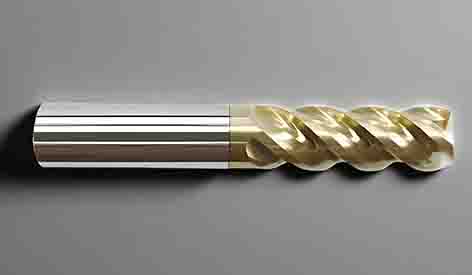
Für Aluminium eignen sich am besten Metallfräser mit scharfen Schneidkanten aus Schnellarbeitsstahl (HSS) oder Hartmetall. Fräsbohrer für Metall können auch für kleinere Arbeiten verwendet werden, aber zum Rechtwinkligmachen werden Schaftfräser bevorzugt.
3. Planfräsen der ersten Seite
Verwenden Sie einen Fliehkraftfräser oder einen Planfräser, um leichte Schnitte über die obere Fläche zu machen und eine flache Bezugsebene zu schaffen. Diese erste Seite dient als Grundlage für das Ausrichten der restlichen Flächen.
4. Ausrichten benachbarter Seiten
Drehen Sie den Block und fräsen Sie die benachbarte Seite senkrecht zur ersten. Ein Präzisionswinkel oder eine Messuhr gewährleistet Genauigkeit. Beim kundenspezifischen Metallfräsen verhindert die Überprüfung der Winkel bei jedem Schritt kumulative Fehler.
5. Fertigstellen der restlichen Flächen
Wiederholen Sie den Vorgang für die restlichen Seiten und überprüfen Sie häufig die Rechtwinkligkeit. Eine Metalldrehmaschine Fräsmaschine kann manchmal beim Fertigstellen von Kanten helfen, obwohl eine Fräsmaschine normalerweise effektiver zum Ausrichten ist.
Tipps zur Erzielung von Präzision
Kühlmittel verwenden: Aluminium kann Fräser verkleben, daher verbessert die Verwendung von Kühlmittel die Oberflächengüte und die Werkzeuglebensdauer.
Leichte Schnitte: Kleinere Schnitttiefen reduzieren die Durchbiegung und verbessern die Genauigkeit.
Ausrichtung prüfen: Überprüfen Sie regelmäßig die Maschinenausrichtung, insbesondere bei Präzisions-CNC-Einrichtungen.
Das Ausrichten eines Aluminiumblocks auf einer Fräsmaschine ist eine grundlegende Fähigkeit, die die Qualität bearbeiteter Teile verbessert. Ob mit einer Mini-Metallfräsmaschine oder einem industriellen CNC-Metallfrässystem, die richtige Technik gewährleistet Maßgenauigkeit. Für diejenigen ohne Ausrüstung kann die Suche nach Metallfräsen in meiner Nähe oder die Investition in kundenspezifische Metallfräsdienste professionelle Ergebnisse liefern. Mit den richtigen Werkzeugen – wie Metallfräsern und Fräsbohrern für Metall – wird dieser Prozess unkompliziert und ebnet den Weg für komplexere Bearbeitungsaufgaben.

