


High-density polyethylene (HDPE) is a versatile thermoplastic renowned for its durability, chemical resistance, and adaptability across numerous industries. As a type of HDPE plastic, it offers an exceptional balance of strength and flexibility, making it a preferred material for everything from everyday consumer goods to specialized industrial components. The growing demand for sustainable and cost-effective solutions has propelled HDPE products into the spotlight, enabling innovations in sectors like automotive, healthcare, and infrastructure. This article delves into the unique properties of HDPE, explores its diverse applications, and highlights how it continues to shape modern manufacturing and storage solutions. By understanding its capabilities, industries can leverage HDPE to enhance efficiency, reduce environmental impact, and meet evolving regulatory standards.
Inhalt:
Was ist HDPE-Kunststoff?
Why is HDPE So Great? The Cool Properties
All Kinds of HDPE Products
HDPE Storage Containers: The Best Boxes and Bins
Sticking HDPE Pipes Together with HDPE Pipe Glue
The Many Uses of HDPE Tubes
HDPE in Car Making (Automobile Manufacturing)
HDPE for Medical Device Casing
Was ist HDPE-Kunststoff?
Imagine a plastic that is both really strong and very light. That's HDPE! The full name is High-Density Polyethylene, but we can just call it HDPE. It's made from oil, and scientists have figured out how to make its molecules line up in a special way. This makes the plastic very difficult to break. It's also great because we can melt it down and turn old HDPE products into new ones, which is better for our planet.
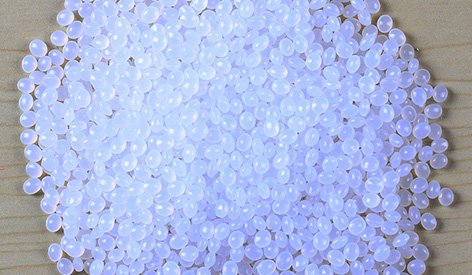
Why is HDPE So Great? The Cool Properties
HDPE has some awesome "Eigenschaften," which are just special skills that make it perfect for many jobs.
Super Strong: It doesn't crack or break easily, even if you drop it.
Waterproof: Water can't get through it, which is why it’s used for bottles and pipes.
Chemical Resistant: It doesn't get damaged by strong chemicals like cleaning supplies or gasoline.
Kann recycelt werden: Altes HDPE kann eingeschmolzen werden, um neue Produkte herzustellen. Das bedeutet, wir können weniger neues Plastik verwenden.
All Kinds of HDPE Products
Wenn wir über HDPE-Produkte sprechen, meinen wir all die Dinge, die aus diesem Material hergestellt werden. Sie sehen sie wahrscheinlich jeden Tag! Denken Sie an Wasser- und Milchflaschen, Eimer und sogar diese großen Plastikrutschen auf Spielplätzen. In Fabriken wird HDPE verwendet, um große Platten für den Bau und spezielle Teile für Maschinen herzustellen. Es ist ein sehr beliebtes Material, weil es robust und nicht zu teuer ist.

HDPE Storage Containers: The Best Boxes and Bins
HDPE-Aufbewahrungsbehälter sind die robusten Boxen und Behälter, die wir verwenden, um unsere Sachen sicher aufzubewahren. Ihre Familie hat vielleicht welche in der Garage oder in der Küche. Sie sind großartig, weil:
Sie halten Lebensmittel trocken und sicher vor Ungeziefer.
Sie können sie übereinander stapeln, um Platz zu sparen.
Sie riechen nicht und rosten nicht.
Sie sind leicht mit Seife und Wasser zu reinigen.
Sticking HDPE Pipes Together with HDPE Pipe Glue
Wie verbindet man zwei HDPE-Rohre, damit sie nicht lecken? Sie können einen speziellen HDPE-Rohrkleber verwenden. Dieser ist nicht wie normaler Schulkleber. Es ist ein superstarker Zement, der die Enden der Rohre tatsächlich ein wenig anschmilzt und sie zu einem einzigen Stück verschweißt. Für noch größere Rohre verwenden Arbeiter manchmal ein Werkzeug, das die Enden erhitzt, um sie zu verschmelzen. Das macht die Verbindung superstark, um Wasser oder Gas unter unseren Straßen zu transportieren.
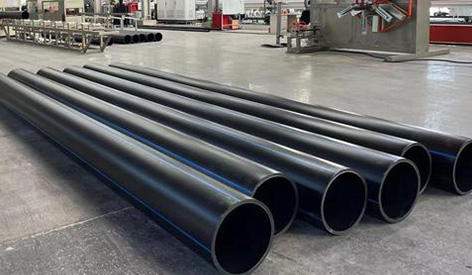
The Many Uses of HDPE Tubes
HDPE-Rohre sind wie lange, hohle Strohhalme aus diesem starken Kunststoff. Sie sind biegsam und robust. Wo verwenden wir sie?
Im Boden: Um Wasser zu unseren Häusern zu transportieren oder um Bauernhöfe und Gärten zu bewässern.
In Krankenhäusern: Für Dinge wie Infusionsschläuche, weil der Kunststoff sicher und sauber ist.
Schutz von Kabeln: Sie werden oft als Hülle verwendet, um elektrische Kabel zu schützen.
HDPE in Car Making (Automobile Manufacturing)
Die Automobilindustrie, also die Herstellung von Autos, verwendet viel HDPE! Warum? Weil es stark, aber leicht ist. Leichtere Autoteile helfen dem Auto, weniger Benzin oder Batteriestrom zu verbrauchen. Sie finden HDPE in:
Kraftstofftanks: Um Benzin sicher zu halten.
Stoßstangen: Um den Aufprall bei einem kleinen Unfall abzufedern.
Inside the car: For parts of the dashboard and door panels.

HDPE for Medical Device Casing
A "casing" is like the protective body or shell of a device. HDPE plastic is often used for medical device casing. This means it's used to make the outside of machines and tools that doctors and nurses use. It's perfect for this job because:
It is very easy to clean and keep germ-free.
It is strong and protects the delicate electronics inside.
It is safe and doesn't have any chemicals that could make people sick.
HDPE's multifaceted properties and applications underscore its importance in modern industry. From HDPE storage containers that secure vital supplies to specialized uses in automobile manufacturing and Medizinprodukte casings, this material demonstrates unparalleled versatility. Advances in recycling technologies and bio-based alternatives promise to further enhance its sustainability, aligning with global environmental goals. As research continues, HDPE is poised to enable new innovations in sectors like renewable energy and smart infrastructure. By embracing HDPE's potential, businesses can drive efficiency, reduce costs, and contribute to a more resilient economy.

