

Medical Device Plastic Housing Prototyping Guide
Aufrufe: 7 Author: Site Editor Publish Time: 2023-12-20


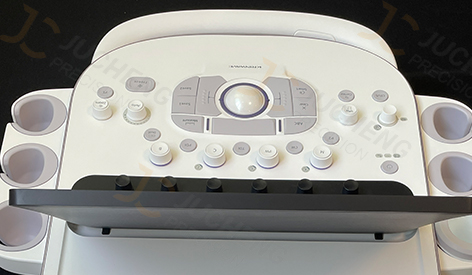
Creating a plastic housing prototype for a medical device is a crucial step in the product development process. It allows for testing the design, functionality, and user experience before moving on to mass production. Here's a guide for prototyping the plastic housing of a medical device:
1. Define Objectives:
Clearly outline the purpose of the medical device.
Identify key features and specifications for the plastic housing.
2. Regulatory Compliance:
Familiarize yourself with relevant medical device regulations.
Ensure that the plastic housing prototype complies with regulatory standards.
3. Conceptualization:
Sketch initial design ideas for the plastic housing.
Consider ergonomic factors, user interface, and any specific requirements.
4. Material Selection:
Choose medical-grade plastics that are biocompatible and meet regulatory requirements.
Consider factors like sterilization compatibility and durability.
5. 3D CAD Modeling:
Create a detailed 3D CAD model of the plastic housing.
Use computer-aided design (CAD) software to visualize and refine the design.
6. Rapid Prototyping:
Nutzen Sie 3D-Druck oder andere Rapid-Prototyping-Methoden, um ein physisches Modell zu erstellen.
Evaluate the size, form, and fit of the plastic housing prototype.
7. Functional Testing:
Integrate the plastic housing prototype with relevant components.
Conduct functional tests to ensure proper fit and operation.
8. User Feedback:
Gather feedback from potential users, clinicians, and other stakeholders.
Consider usability and any suggestions for improvement.
9. Design Iterations:
Make necessary design adjustments based on user feedback and functional testing.
Iterate the prototyping process to refine the plastic housing.
10. Material Refinement:
Explore different plastic materials and finishes.
Consider factors like texture, color, and surface finish based on user preferences.
11. Durability and Impact Testing:
Assess the durability of the plastic housing through simulated use and impact testing.
Ensure that it can withstand normal wear and tear.
12. Assembly Considerations:
Evaluate the ease of assembly for the plastic housing and its integration with other device components.
Ensure that assembly aligns with manufacturing capabilities.
13. Cost Analysis:
Analyze the cost implications of manufacturing the plastic housing.
Consider scalability for mass production.
14. Documentation:
Führen Sie während des gesamten Prototyping-Prozesses eine detaillierte Dokumentation.
Dokumentieren Sie Designänderungen, Materialspezifikationen und Testergebnisse.
15. Regulatory Documentation:
Prepare documentation required for regulatory submissions.
Include details about materials, design changes, and testing procedures.
16. Supplier Selection:
Identifizieren Sie potenzielle Lieferanten für die Massenproduktion.
Berücksichtigen Sie deren Fähigkeiten, Zertifizierungen und Ruf.
17. Final Validation:
Conduct a final validation of the plastic housing prototype.
Ensure that it meets all design specifications and regulatory requirements.
18. Transition to Manufacturing:
Arbeiten Sie mit Fertigungspartnern für die Massenproduktion zusammen.
Stellen Sie ihnen das endgültige Design und die Dokumentation zur Verfügung.
19. Post-Market Surveillance:
Establish a plan for monitoring the plastic housing's performance in the market.
Behandeln Sie alle Probleme, die nach der Markteinführung auftreten können.
Wenn Sie diesem Leitfaden folgen, können Sie die medical device plastic housing prototyping Prozess effektiv, um sicherzustellen, dass das Endprodukt regulatorische Standards, Benutzeranforderungen und Designspezifikationen erfüllt.

ㆍDatenschutz: Wir respektieren Ihre Privatsphäre. Hier finden Sie ein Beispiel einer Geheimhaltungsvereinbarung. Mit dem Absenden dieses Formulars stimmen Sie unseren AGB und der Datenschutzerklärung zu.