
Advanced Brass Machining and Casting Techniques
Aufrufe: 2 Author: Allen Xiao Publish Time: 2025-10-24


Brass, an alloy primarily composed of copper and zinc, has been a cornerstone in manufacturing for centuries due to its exceptional machinability, corrosion resistance, and aesthetic appeal. Industries ranging from aerospace to plumbing rely on brass for components that demand durability, electrical conductivity, and precise dimensions. This article delves into the various techniques used in brass processing, including machining and casting methods, to help engineers and manufacturers select the optimal approach for their projects. We will explore key processes such as machining brass, CNC brass milling, and brass metal casting, while highlighting the benefits and applications of brass machined parts, brass CNC turned parts, and traditional methods like sand casting brass. By understanding these methods, businesses can enhance efficiency, reduce costs, and produce high-quality brass components that meet stringent industry standards.
content:
What is Brass and Why Do We Use It?
Carving Brass with Machines
Robot Carvers: CNC Brass Milling
Cool Things Made from Carved Brass
Spinning and Shaping: Brass Turned Parts
Shaping Brass with Molds
Pouring Liquid Metal: Brass Metal Casting
The Old-School Way: Sand Casting
What is Brass and Why Do We Use It?
Imagine a metal that is easy to cut and shape, but still very strong. That's brass! By changing how much copper and zinc is in the mix, we can make brass that is soft and bendy or hard and tough. It's also a superstar at conducting electricity and heat, which is why it's used in plugs and radiators. Best of all, it fights off germs all by itself, making it perfect for things like door handles in schools and hospitals. Because it's so useful, people have invented many clever ways to build with it.
Carving Brass with Machines
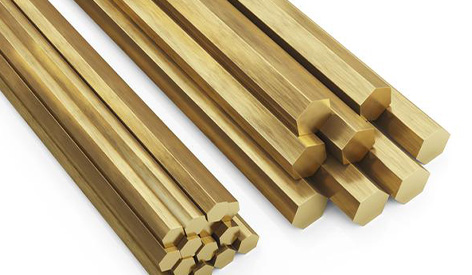
Machining brass is a fancy way of saying we are carving a solid block of brass into a specific shape. Think of it like using a super powerful and precise version of a woodcarving tool. The machine spins a sharp cutting tool very fast and carefully shaves away tiny pieces of the brass block until the desired part is formed.
The cool thing about brass is that it's soft enough to be cut easily without wearing out the tool too much. It comes off in small, curly chips, almost like sharp pencil shavings. This is how we make precise parts for cars, musical instruments like trumpets, and tiny pieces inside electronic gadgets.
Robot Carvers: CNC Brass Milling
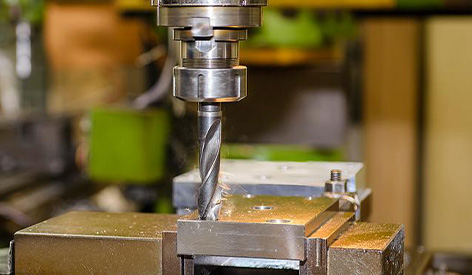
Now, let's talk about robots! CNC brass milling is when we use a computer to control the carving machine. First, an engineer designs the part on a computer. Then, the computer tells the machine exactly how to move and cut.
It's like a robot artist that can make incredibly detailed and complex shapes. The machine can move the cutting tool up, down, and sideways to create slots, holes, and curved surfaces. This method is perfect for making lots of identical parts very quickly and perfectly, such as special brackets for airplanes or unique pieces for a video game controller.
Cool Things Made from Carved Brass
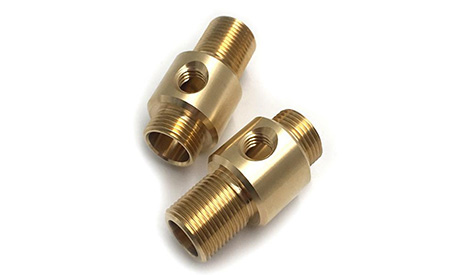
The parts made by these carving machines are called brass machined parts. You can find them everywhere! They are the connectors that help electricity flow in your home's wiring, the strong and non-rusting fittings on boats, and the tiny screws that hold things together. Because brass is so easy to work with, making these parts is fast and doesn't cost too much, which is great for builders and engineers.
Spinning and Shaping: Brass Turned Parts
Another way to shape brass is by spinning it. For brass CNC turned parts, a computer-controlled machine called a lathe spins a piece of brass really fast. Then, a sharp tool is pressed against it to shave it down into a round shape.
This is the best way to make things that are round and symmetrical, like screws, metal pens, or small pipes. Because a computer is in control, every single piece comes out exactly the same, which is super important for things that need to fit together perfectly, like parts for a bicycle or a medical device.
Shaping Brass with Molds
But what if you want to make a shape that's really complicated, like a statue of a lion or a fancy Christmas ornament? Carving it from a solid block would be too hard. That's where brass casting molds come in!
A mold is like a hollow container in the shape you want. You pour liquid brass into it, let it cool down and become solid, and then you open the mold to get your part. Some molds, made of strong metal, can be used over and over again. Others, made from special sand or plaster, are broken apart after one use to reveal the beautiful brass object inside.
Pouring Liquid Metal: Brass Metal Casting
Brass metal casting is the amazing process of melting solid brass until it becomes a glowing, hot liquid and then pouring it into a mold. It's like making a chocolate statue by pouring melted chocolate into a mold, but much, much hotter!
There are different ways to do this. Sometimes, the liquid metal is forced into the mold under high pressure to make very detailed parts. Other times, a wax model is used to create a one-time-only mold for a super detailed piece, like a piece of jewelry. This method lets us create big or intricate shapes that would be almost impossible to carve.
The Old-School Way: Sand Casting
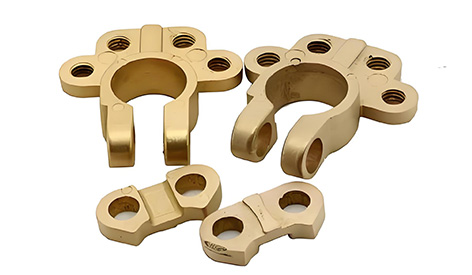
One of the oldest and simplest types of casting is sand casting brass. Imagine making a sandcastle at the beach, but instead of a castle shape, you press an object into the sand to leave a perfect imprint. That's the basic idea!
A pattern (a model of the object) is packed into special sand to create its shape. The pattern is removed, leaving a hollow space. Then, molten brass is poured into that sand mold. After it cools, the sand is broken away, and there's your brass object! This is a great way to make single, large, or unique items without needing expensive, permanent molds.
So, as you can see, there are many awesome ways to turn simple brass into the amazing things we use every day. We can machine and mill it with super-precise tools, turn it on spinning machines, or cast it by pouring it as a liquid into molds. Whether it's a tiny, precise brass CNC turned part for a robot or a large, decorative piece made through sand casting brass, this golden metal helps build our world. Maybe the next time you turn a doorknob or play a instrument, you'll remember the cool science and engineering that went into making it!

