
Das Entfernen von Farbe von Kunststoffoberflächen kann eine knifflige Aufgabe sein, insbesondere da aggressive Chemikalien oder abrasive Methoden das Material beschädigen können. Ob Sie es mit versehentlichen Verschüttungen, alten Beschichtungen oder Missgeschicken bei DIY-Projekten zu tun haben, die richtigen Techniken zu kennen, ist entscheidend. Dieser Artikel untersucht sichere und effektive Methoden, um Farbe von Kunststoff zu entfernen und dabei seine Integrität zu bewahren. Wir werden auch auf spezielle Anwendungen wie Kunststoff-CNC-Dienstleistungen und Kunststoffroste Wartung eingehen, bei denen die Entfernung von Farbe aus funktionalen oder ästhetischen Gründen erforderlich sein kann.
Verständnis der Kompatibilität von Kunststoff und Farbe
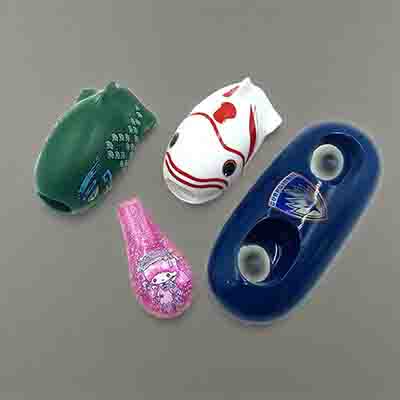
Bevor Sie eine Entfernungsmethode versuchen, ist es wichtig zu erkennen, dass nicht alle Kunststoffe gleich sind. Einige sind haltbarer und chemikalienbeständiger (wie Polyethylen oder Polypropylen), während andere (wie Polystyrol oder PVC) leicht durch Lösungsmittel beschädigt werden können. Überprüfen Sie immer den Kunststofftyp, bevor Sie fortfahren.
Verständnis der Kompatibilität von Kunststoff und Farbe
Bevor Sie eine Entfernungsmethode versuchen, ist es wichtig zu erkennen, dass nicht alle Kunststoffe gleich sind. Einige sind haltbarer und chemikalienbeständiger (wie Polyethylen oder Polypropylen), während andere (wie Polystyrol oder PVC) leicht durch Lösungsmittel beschädigt werden können. Überprüfen Sie immer den Kunststofftyp, bevor Sie fortfahren.
Sichere Methoden zum Entfernen von Farbe von Kunststoff
1. Seife und warmes Wasser (für frische Farbe)
Wenn die Farbe noch nass oder kürzlich getrocknet ist, können milde Spülmittel und warmes Wasser ausreichen. Schrubben Sie die Oberfläche vorsichtig mit einem weichen Schwamm oder Tuch, um die Farbe zu lösen, ohne den Kunststoff zu zerkratzen.
2. Reinigungsalkohol oder Isopropylalkohol
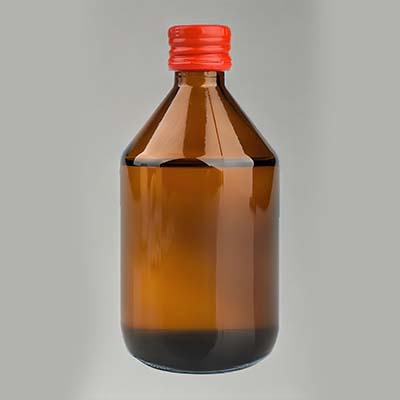
Für wasserbasierte Acrylfarben kann Reinigungsalkohol (70% oder höher) die Farbe abbauen, ohne die meisten zu schädigen Kunststoffe. Mit einem Tuch auftragen, kurz einwirken lassen und dann die aufgeweichte Farbe abwischen.
3. Essiglösung
Eine Mischung aus weißem Essig und warmem Wasser (Verhältnis 1:1) kann helfen, hartnäckige Farbe zu lösen. Tränken Sie ein Tuch in der Lösung, legen Sie es für einige Minuten über die Farbe und schrubben Sie dann sanft.
1. Seife und warmes Wasser (für frische Farbe)
Wenn die Farbe noch nass oder kürzlich getrocknet ist, können milde Spülmittel und warmes Wasser ausreichen. Schrubben Sie die Oberfläche vorsichtig mit einem weichen Schwamm oder Tuch, um die Farbe zu lösen, ohne den Kunststoff zu zerkratzen.
2. Reinigungsalkohol oder Isopropylalkohol
Für wasserbasierte Acrylfarben kann Reinigungsalkohol (70% oder höher) die Farbe abbauen, ohne die meisten zu schädigen Kunststoffe. Mit einem Tuch auftragen, kurz einwirken lassen und dann die aufgeweichte Farbe abwischen.
3. Essiglösung
Eine Mischung aus weißem Essig und warmem Wasser (Verhältnis 1:1) kann helfen, hartnäckige Farbe zu lösen. Tränken Sie ein Tuch in der Lösung, legen Sie es für einige Minuten über die Farbe und schrubben Sie dann sanft.
4. Backpulver-Paste
Bei dickeren Farbschichten kann eine Paste aus Backpulver und Wasser als mildes Schleifmittel wirken. Auftragen, einige Minuten einwirken lassen und dann mit einer weichen Bürste schrubben.
5. Kommerzielle Farbentferner (für hartnäckige Fälle)
Wenn natürliche Methoden versagen, verwenden Sie einen kunststoffsicheren Farbentferner. Testen Sie ihn zuerst an einer kleinen, versteckten Stelle, um die Verträglichkeit sicherzustellen. Befolgen Sie sorgfältig die Anweisungen des Herstellers.
6. Hochdruckreinigung (für große oder langlebige Kunststoffe)
Für schwere Anwendungen wie die Reinigung von Kunststoffrosten kann ein Niederdruckreiniger helfen, lose Farbe zu entfernen, ohne die Struktur zu beschädigen. Vermeiden Sie hohen Druck, der das Material verformen kann.
Vermeidung von Schäden beim Entfernen von Farbe
Bei dickeren Farbschichten kann eine Paste aus Backpulver und Wasser als mildes Schleifmittel wirken. Auftragen, einige Minuten einwirken lassen und dann mit einer weichen Bürste schrubben.
5. Kommerzielle Farbentferner (für hartnäckige Fälle)
Wenn natürliche Methoden versagen, verwenden Sie einen kunststoffsicheren Farbentferner. Testen Sie ihn zuerst an einer kleinen, versteckten Stelle, um die Verträglichkeit sicherzustellen. Befolgen Sie sorgfältig die Anweisungen des Herstellers.
6. Hochdruckreinigung (für große oder langlebige Kunststoffe)
Für schwere Anwendungen wie die Reinigung von Kunststoffrosten kann ein Niederdruckreiniger helfen, lose Farbe zu entfernen, ohne die Struktur zu beschädigen. Vermeiden Sie hohen Druck, der das Material verformen kann.
Vermeidung von Schäden beim Entfernen von Farbe
- Verwenden Sie niemals Aceton oder Nagellackentferner es sei denn, der Kunststoff ist nachweislich lösungsmittelbeständig (z. B. ABS). Diese können viele Kunststoffe schmelzen oder trüben.
- Vermeiden Sie Stahlwolle oder harte Scheuermittel—sie können dauerhafte Kratzer hinterlassen. Verwenden Sie stattdessen Bürsten mit weichen Borsten oder Mikrofasertücher.
- Arbeiten Sie in einem gut belüfteten Bereich wenn Sie chemische Entferner verwenden.
Besondere Überlegungen für CNC-Kunststoffdienstleistungen
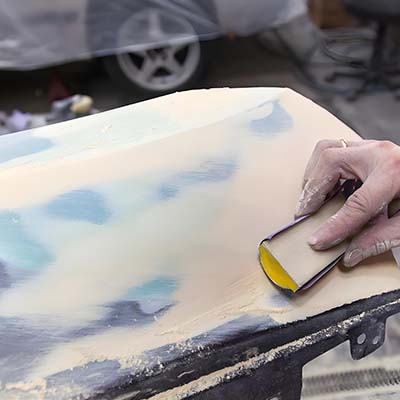
In industriellen Umgebungen, Kunststoff-CNC-Dienstleistungen erfordern oft eine präzise Endbearbeitung. Wenn Farbe von bearbeiteten Teilen entfernt werden muss, kann ein lösungsmittelfreier Ansatz (wie mechanisches Abrasion mit feinkörnigem Schleifpapier) bevorzugt werden, um die Maßgenauigkeit zu erhalten. Ultraschallreinigung ist eine weitere Option für komplexe Bauteile.
Wartung von Kunststoffrosten nach der Lackentfernung
Kunststoffroste, die häufig in Entwässerungs- oder Belüftungssystemen verwendet werden, können Farbspritzer ansammeln. Nach der Entfernung einen UV-beständigen Schutz auftragen, wenn der Rost Sonnenlicht ausgesetzt ist, da einige Reinigungsmethoden seine Witterungsbeständigkeit verringern können.
Das erfolgreiche Entfernen von Farbe von Kunststoff erfordert Geduld und die richtige Technik. Ob Sie an einem Haushaltsgegenstand, einem CNC-bearbeiteten Teil oder einem industriellen Kunststoffroste, arbeiten, priorisieren Sie immer zuerst sanfte Methoden. Durch das Verständnis der Art des Kunststoffs und der Farbe können Sie Oberflächen ohne unnötige Schäden wiederherstellen.

Fordern Sie Ihr DFM & Angebot an – Laden Sie Ihre Zeichnungen hoch
ㆍGeben Sie Ihre Anforderungen ein und laden Sie Ihre 2D- und 3D-Dateien hoch. Wir senden Ihnen innerhalb von 24 Stunden Ihr Projektangebot und DFM zurück.ㆍDateitypen: STEP, STP, IGES, IGS, SLDPRT, 3DM, SAT, X_T, DWG, DXF, STL, PDF, ZIP und mehr. Dateigröße: < 128 MB Teilegröße: < 1500*1500*1500 mm
ㆍDatenschutz: Wir respektieren Ihre Privatsphäre. Hier finden Sie ein Beispiel einer Geheimhaltungsvereinbarung. Mit dem Absenden dieses Formulars stimmen Sie unseren AGB und der Datenschutzerklärung zu.
ㆍDatenschutz: Wir respektieren Ihre Privatsphäre. Hier finden Sie ein Beispiel einer Geheimhaltungsvereinbarung. Mit dem Absenden dieses Formulars stimmen Sie unseren AGB und der Datenschutzerklärung zu.
