
Messing, eine Legierung aus Kupfer und Zink, wird aufgrund seiner Haltbarkeit, Korrosionsbeständigkeit und Ästhetik in verschiedenen Branchen weit verbreitet eingesetzt. Wie viele Metalle ist jedoch auch Messing anfällig für Oxidation, die im Laufe der Zeit zu einer grünlichen Patina führen kann. Dieser Artikel untersucht, warum Messing grün wird, wie man es verhindern kann und welche Auswirkungen dies in industriellen Anwendungen hat – einschließlich China CNC-Bearbeitung von Messing und Recycling von Messingpatronenhülsen.
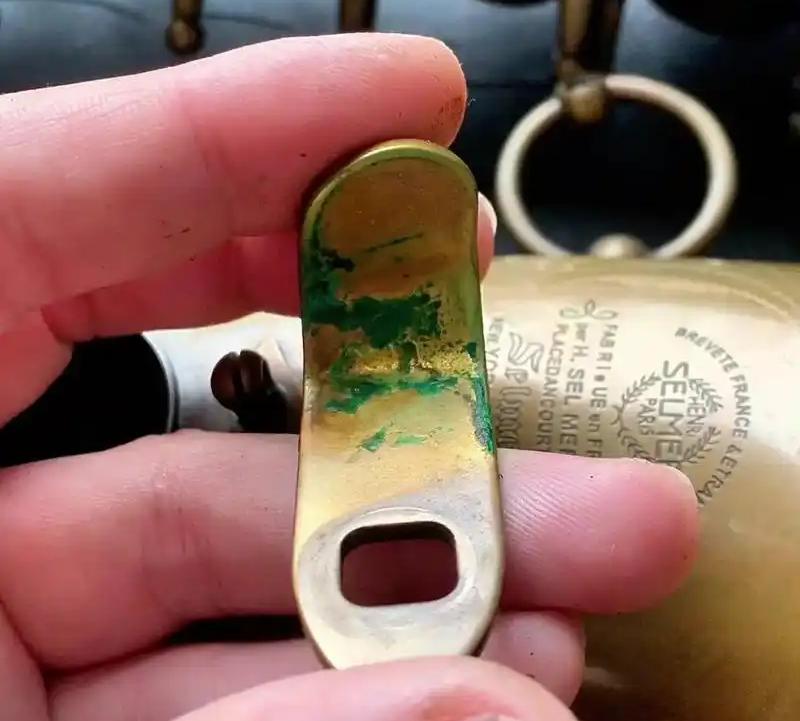
Warum wird Messing grün?
Die grüne Verfärbung auf Messing ist das Ergebnis einer chemischen Reaktion, die als Oxidation bezeichnet wird. Wenn Messing Feuchtigkeit, Sauerstoff und Umweltschadstoffen ausgesetzt ist, bildet sich auf seiner Oberfläche eine Patina. Diese Patina besteht aus Kupfercarbonat (Grünspan), das dem Messing seinen charakteristischen grünen Farbton verleiht.
Der Oxidationsprozess erfolgt in Stufen:
- Anfängliches Anlaufen – Messing entwickelt eine matte Schicht durch Lufteinwirkung.
- Bildung von Grünspan – Längere Einwirkung von Feuchtigkeit beschleunigt die chemische Reaktion und führt zu grünlich-blauen Ablagerungen.
- Fortgeschrittene Korrosion – Wenn sie unbehandelt bleibt, kann das Messing Lochfraß oder strukturelle Schwächung entwickeln.
Während einige Menschen das antike Aussehen von gealtertem Messing schätzen, ziehen es andere vor, seinen ursprünglichen goldenen Glanz zu erhalten.
Verhindern, dass Messing grün wird
Um die Oxidation zu verlangsamen oder zu verhindern, sollten Sie die folgenden Methoden in Betracht ziehen:
1. Schutzbeschichtungen
Das Auftragen einer klaren Lack- oder Wachsschicht bildet eine Barriere gegen Feuchtigkeit und Sauerstoff. Diese Methode wird häufig für dekorative Messingartikel wie Türgriffe und Musikinstrumente verwendet.
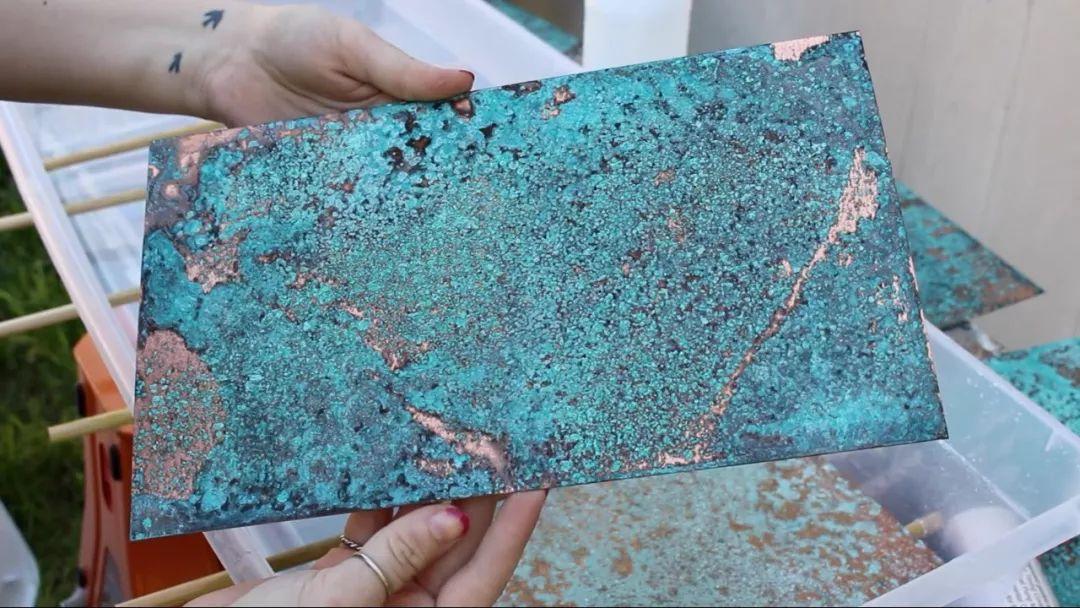
2. Regelmäßige Reinigung
Das Polieren von Messing mit einer Mischung aus Zitronensaft und Backpulver oder handelsüblichen Messingreinigern entfernt Anlauffarben, bevor sie grün werden. Mikrofasertücher sind ideal, um Kratzer zu vermeiden.
3. Kontrollierte Lagerung
Die Lagerung von Messing in einer trockenen Umgebung mit Silikagel-Päckchen minimiert die Einwirkung von Feuchtigkeit. Antianlauf-Streifen können ebenfalls helfen, korrosive Gase zu absorbieren.
4. Vermeidung aggressiver Chemikalien
Chlor, Ammoniak und säurehaltige Substanzen beschleunigen die Oxidation. Messingarmaturen in der Nähe von Schwimmbädern oder Reinigungsmitteln benötigen zusätzlichen Schutz.
Industrielle Anwendungen: CNC-Bearbeitung und Recycling
China CNC-Bearbeitung von Messing für Präzisionskomponenten
Messing ist ein bevorzugtes Material in der China-CNC-Bearbeitung aufgrund seiner hervorragenden Bearbeitbarkeit, Wärmeleitfähigkeit und Verschleißfestigkeit. Branchen wie Automobil, Sanitär und Elektronik verlassen sich auf Präzisions-Messingteile, darunter Ventile, Verbindungsstücke und Zahnräder. Um Oxidation in bearbeiteten Messingkomponenten zu verhindern, tragen Hersteller oft Schutzbeschichtungen auf oder verwenden korrosionsbeständige Messinglegierungen (z. B. C36000). Chinas fortschrittliche CNC-Bearbeitung Fähigkeiten gewährleisten enge Toleranzen und hochwertige Oberflächen, was es zu einem weltweit führenden Anbieter in der Messingkomponentenproduktion macht.
Recycling von Messingpatronenhülsen für Nachhaltigkeit
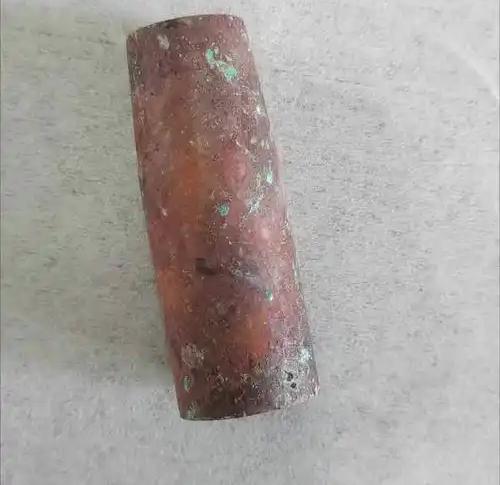
Messingpatronenhülsen aus Munition sind in hohem Maße recycelbar, da Messing seine Eigenschaften auch nach mehreren Schmelzzyklen behält. Militär und Schießstände sammeln verbrauchte Hülsen, um sie einzuschmelzen und zu neuen Produkten zu verarbeiten, wodurch Abfall und Produktionskosten reduziert werden. Recyceltes Messing kann jedoch Verunreinigungen enthalten, die die Oxidation beschleunigen. Ordnungsgemäße Sortier- und Raffinationsprozesse stellen sicher, dass das recycelte Material den Industriestandards für Haltbarkeit und Korrosionsbeständigkeit entspricht.
Messing wird durch Oxidation grün, aber dieser Prozess kann durch richtige Pflege und Wartung gesteuert werden. Ob in dekorativen Artikeln, China CNC-Bearbeitung von Messing Komponenten oder Recycling von Messingpatronenhülsen, das Verständnis der Oxidation hilft, die Lebensdauer und Funktionalität von Messing zu verlängern. Durch das Anwenden von Schutzmaßnahmen und die Auswahl geeigneter Legierungen können Industrien und Einzelpersonen die ästhetische und strukturelle Integrität von Messing über Jahre hinweg erhalten.
For long-term preservation, regular cleaning and controlled storage are essential. Meanwhile, technological advancements in machining and recycling continue to enhance brass’s role in modern manufacturing and sustainability efforts.

Fordern Sie Ihr DFM & Angebot an – Laden Sie Ihre Zeichnungen hoch
ㆍGeben Sie Ihre Anforderungen ein und laden Sie Ihre 2D- und 3D-Dateien hoch. Wir senden Ihnen innerhalb von 24 Stunden Ihr Projektangebot und DFM zurück.ㆍDateitypen: STEP, STP, IGES, IGS, SLDPRT, 3DM, SAT, X_T, DWG, DXF, STL, PDF, ZIP und mehr. Dateigröße: < 128 MB Teilegröße: < 1500*1500*1500 mm
ㆍDatenschutz: Wir respektieren Ihre Privatsphäre. Hier finden Sie ein Beispiel einer Geheimhaltungsvereinbarung. Mit dem Absenden dieses Formulars stimmen Sie unseren AGB und der Datenschutzerklärung zu.
ㆍDatenschutz: Wir respektieren Ihre Privatsphäre. Hier finden Sie ein Beispiel einer Geheimhaltungsvereinbarung. Mit dem Absenden dieses Formulars stimmen Sie unseren AGB und der Datenschutzerklärung zu.
