
Brass is a popular metal alloy known for its gold-like appearance, corrosion resistance, and versatility in manufacturing. A common question that arises is: does a magnet stick to brass? The short answer is no, brass is not magnetic under normal circumstances. To understand why, we must examine the composition of brass, its magnetic properties, and its applications in industries such as China CNC-Bearbeitung von Messing components and household items like the brass kitchen faucet.
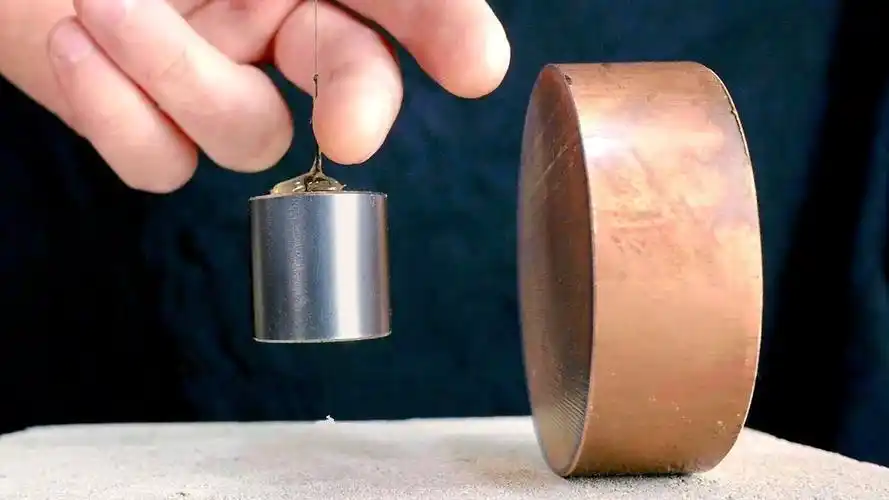
Why Brass Is Not Magnetic
Brass is primarily an alloy of copper (Cu) and zinc (Zn), with possible small additions of other metals like lead or tin for specific properties. Neither copper nor zinc is ferromagnetic, meaning they do not exhibit magnetic attraction.
The Science Behind Non-Magnetic Brass
Magnetism in metals depends on their atomic structure. Ferromagnetic materials (like iron, nickel, and cobalt) have unpaired electrons that align under a magnetic field, creating attraction. Brass, however, lacks these ferromagnetic elements in significant amounts.
- Diamagnetic Properties: Copper and zinc are slightly diamagnetic, meaning they weakly repel magnetic fields rather than attract them. This effect is so minimal that it’s imperceptible in everyday interactions with magnets.
- No Ferromagnetic Additives: Unless brass is alloyed with iron or nickel (uncommon in standard brass grades), it will remain non-magnetic.
Testing Brass with a Magnet
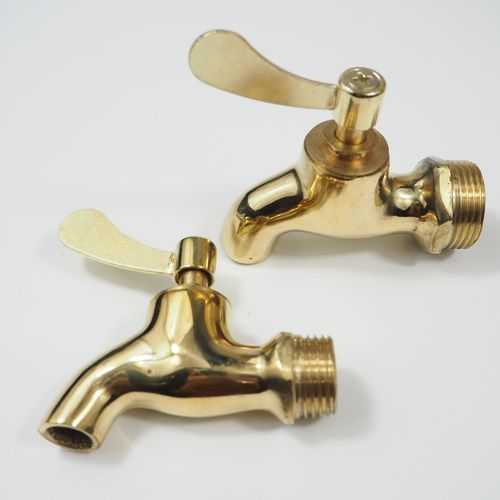
If you hold a magnet against a brass kitchen faucet or a China CNC-Bearbeitung von Messing part, you’ll notice no attraction. This can actually be a quick way to distinguish brass from other metals:
- Brass vs. Steel: Stahl (especially stainless steel with iron) may show slight magnetic attraction.
- Brass vs. Plated Metals: Some cheaper fixtures are made of steel with a brass-like coating—a magnet will stick to these.
Applications of Non-Magnetic Brass
Since brass does not interfere with magnetic fields, it is useful in applications where magnetism could cause issues:
1. China CNC Machining Brass Components
Precision brass parts, often produced via China CNC-Bearbeitung von Messing processes, are widely used in electronics, plumbing, and marine applications. The non-magnetic nature makes brass ideal for:
- Electrical connectors (no interference with signals)
- Marine hardware (resists corrosion without magnetic disruption)
- Decorative fixtures (maintains a consistent finish)
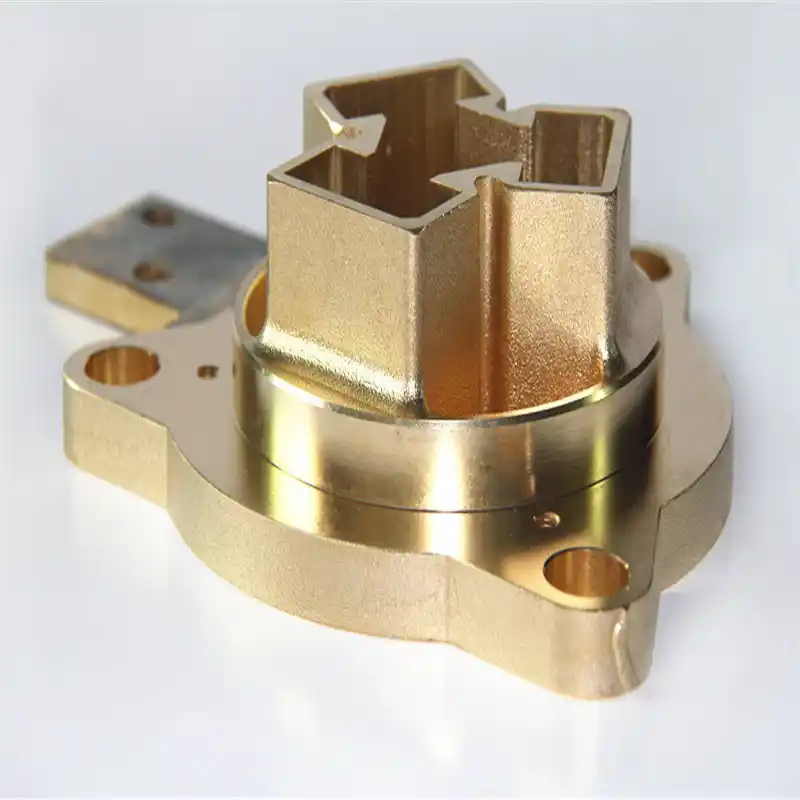
CNC-Bearbeitung ensures tight tolerances for brass components, whether for industrial machinery or consumer products.
2. Brass Kitchen Faucet and Home Fixtures
A brass kitchen faucet is a common household item where non-magnetic properties are beneficial:
- No rust or magnetic corrosion (unlike iron-based metals)
- Smooth operation (brass valves don’t attract metallic debris)
- Aesthetic longevity (maintains a polished look without magnetic wear)
Many premium faucets use solid brass construction, while cheaper alternatives may use brass-plated steel—making the magnet test a useful DIY check.
Exceptions: When Brass Might Appear Magnetic
While pure brass is non-magnetic, certain scenarios may create confusion:
- Contaminated Brass: If brass contains iron impurities (from manufacturing), a magnet might weakly stick.
- Brass-Plated Ferromagnetic Metals: Some products have a brass coating over a magnetic metal like steel.
- Special Alloys: Rare brass variants with added nickel or iron may exhibit slight magnetism.
In summary, a magnet does not stick to standard brass due to its copper-zinc composition. This property makes brass valuable in China CNC-Bearbeitung von Messing components and household items like the brass kitchen faucet, where non-magnetic, corrosion-resistant materials are essential. If you encounter brass that attracts a magnet, it likely contains ferromagnetic additives or is brass-plated over another metal. Understanding these distinctions helps in material selection and quality verification across industries.
Final Tip for Consumers
When purchasing brass products, use a magnet to verify authenticity—if it sticks, the item may not be pure brass. For manufacturers, ensuring the correct alloy composition guarantees optimal performance in both mechanical and aesthetic applications.
By recognizing brass’s non-magnetic nature, engineers, designers, and consumers can make informed decisions for their projects and purchases.

Fordern Sie Ihr DFM & Angebot an – Laden Sie Ihre Zeichnungen hoch
ㆍGeben Sie Ihre Anforderungen ein und laden Sie Ihre 2D- und 3D-Dateien hoch. Wir senden Ihnen innerhalb von 24 Stunden Ihr Projektangebot und DFM zurück.ㆍDateitypen: STEP, STP, IGES, IGS, SLDPRT, 3DM, SAT, X_T, DWG, DXF, STL, PDF, ZIP und mehr. Dateigröße: < 128 MB Teilegröße: < 1500*1500*1500 mm
ㆍDatenschutz: Wir respektieren Ihre Privatsphäre. Hier finden Sie ein Beispiel einer Geheimhaltungsvereinbarung. Mit dem Absenden dieses Formulars stimmen Sie unseren AGB und der Datenschutzerklärung zu.
ㆍDatenschutz: Wir respektieren Ihre Privatsphäre. Hier finden Sie ein Beispiel einer Geheimhaltungsvereinbarung. Mit dem Absenden dieses Formulars stimmen Sie unseren AGB und der Datenschutzerklärung zu.
