


Designer von Premium-Hardware stehen oft an einem kritischen sensorischen Scheideweg: der Wahl zwischen dem disziplinierten, linearen Rhythmus einer Maserung und der grenzenlosen Tiefe eines Spiegels. Dies ist der anhaltende technische Showdown zwischen gebürsteten und polierten Oberflächen. Während beide durch mechanisches Abtragen erreicht werden, kommunizieren sie völlig unterschiedliche Markenwerte. Die eine spricht für industrielle Robustheit und hohe Belastbarkeit im Alltag; die andere projiziert ein Bild von Luxus, Präzision und chirurgischer Sauberkeit.

Bei Jucheng Precision integrieren wir diese Texturen in unseren CNC-Bearbeitung Oberflächenbehandlung Arbeitsablauf als funktionale technische Spezifikationen. Wir wissen, dass eine Oberfläche mehr als eine visuelle Schicht ist – sie ist die Schnittstelle, die bestimmt, wie ein Bauteil Fingerabdrücke behandelt, Umgebungsverschleiß widersteht und mit der menschlichen Hand interagiert. Eine falsche Wahl kann ein Meisterwerk der Fräsbearbeitung in einen Wartungsalbtraum verwandeln. Dieser Leitfaden taucht ein in die mikroskopische Physik der Reflexion, die arbeitsintensive Realität der Körnungsprogression und die strategischen Gründe, warum JUCHENG spezifische mechanische Oberflächen verwendet, um den Erfolg Ihrer sichtbarsten Designs zu sichern.
Konsistenz bei einer mechanischen Oberfläche ist ein Test von Technik und Geduld. Sie können eine schlechte Fräsarbeit nicht einfach "auspolieren". Um einen erstklassigen Glanz oder eine perfekt parallele Maserung zu erreichen, ist eine Grundlage aus präzisen Werkzeugbahnen erforderlich. Lassen Sie uns die Säulen von gebürsteten und polierten Oberflächen untersuchen und wie sie die taktile Seele Ihrer CNC-Bauteile neu definieren.
Oberflächenanatomie: Die Physik des gerichteten Lichts
Die gebürstete Ästhetik: Die reale Welt verbergen
Der polierte Spiegel: Erzielung optischer Reflexion in Spiegelqualität
Der Wartungs-Showdown: Kratzer und Fingerabdrücke
Vorbereitung auf Perfektion: Werkzeugbahnen und Rauheit
JUCHENGs Hybridstrategie: Multi-Textur-Integration
Oberflächenanatomie: Die Physik des gerichteten Lichts

Um den gebürsteten und polierten Debatte müssen Sie die Metalloberfläche durch eine Linse der Topographie betrachten. Eine gebürstete Oberfläche ist eine Landschaft aus Millionen mikroskopischer, paralleler "Canyons". Diese entstehen durch absichtliches Ritzen des Metalls mit einem Schleifmittel einer bestimmten Körnung – normalerweise zwischen 120 und 240. Diese parallelen Linien interagieren auf gerichtete Weise mit Licht. Wenn Lichtstrahlen auf eine gebürstete Oberfläche treffen, werden sie hauptsächlich in einer einzigen Achse senkrecht zur Maserung reflektiert, was einen "weichen" Glanz anstelle einer scharfen Reflexion erzeugt. Diese gerichtete Maserung verleiht gebürstetem Metall sein charakteristisch modernes, hochtechnologisches Aussehen.
Polieren geht den entgegengesetzten Weg. Anstatt gleichmäßige Kratzer zu erzeugen, ist das Ziel des Polierens, Kratzer vollständig zu beseitigen. Durch eine Reihe von zunehmend feineren Schleifmitteln – schließlich bis zu Diamantpasten und weichen Tuchrädern – ebnet der Maschinist die Oberfläche, bis die Spitzen entfernt und die Täler gefüllt sind. Auf molekularer Ebene erzeugt hochwertiges Polieren eine "Beilby-Schicht", in der die Oberflächenatome tatsächlich in einen amorphen, glasartigen Zustand fließen. Dies führt zu spiegelnder Reflexion, bei der Lichtstrahlen im exakt gleichen Winkel zurückgeworfen werden, in dem sie eingetroffen sind. Diese Abwesenheit von Oberflächenrauschen erzeugt den Spiegeleffekt. Bei Jucheng Precision nutzen wir dieses topographische Verständnis, um Erwartungen zu steuern; wir wissen, dass eine "Hochglanzpolitur" auf einer weichen Aluminiumlegierung sich anders verhält als auf einem gehärteten Werkzeugstahl, und wir passen unsere Schleifmittelkörnungsprogression an, um sicherzustellen, dass die Physik des Lichts Ihrer visuellen Absicht entspricht.
Die gebürstete Ästhetik: Die reale Welt verbergen
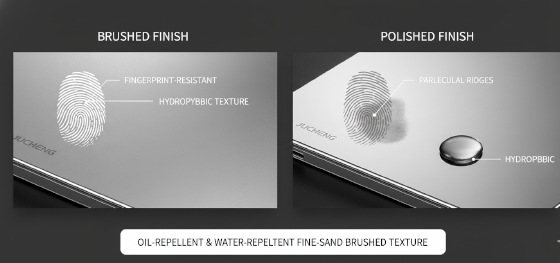
Gebürstete Oberflächen sind die pragmatische Wahl in CNC-Bearbeitung Oberflächenbehandlung. Die lineare Textur dient als eingebaute Tarnung. Da die Oberfläche bereits mit absichtlichen, gleichmäßigen Kratzern bedeckt ist, gehen alle sekundären Kratzer – die Art, die bei täglicher Handhabung oder Reinigung entstehen – im Korn unter. Dies macht gebürstete Oberflächen zum verbindlichen Standard für stark frequentierte Umgebungen wie gewerbliche Küchengeräte, Aufzugspaneele und industrielle Steuerungsgehäuse. Es ist eine Oberfläche, die anmutig altert, weil sie die Narben ihres Einsatzes verbirgt.
Über die Kratzfestigkeit hinaus ist das Bürsten äußerst wirksam, um das Öl von menschlicher Haut zu diffundieren. Fingerabdrücke, die auf einem Spiegel als kontrastreiche Schmierer erscheinen, werden vor einem satiniert gebürsteten Hintergrund fast unsichtbar. Bei Jucheng Precision verwenden wir verschiedene Schleifmittel – von speziellen 3M Scotch-Brite-Rädern bis hin zu Siliziumkarbidbändern – um die "Tiefe" des Korns anzupassen. Eine "Long Grain"-Oberfläche bietet einen eleganten, länglichen Look für Architekturprofile, während eine "Short Grain"- oder "Satin"-Oberfläche ein gedämpfteres, gleichmäßigeres Erscheinungsbild für Handheld-Elektronik bietet. Wir helfen unseren Kunden, die Korngröße zu wählen, die diese ästhetische Tiefe mit der funktionalen Notwendigkeit, Oberflächenfehler zu maskieren, in Einklang bringt. Für Teile, die nach jahrelanger manueller Handhabung makellos aussehen müssen, ist die gebürstete Wahl eine technische Versicherungspolice.
Der polierte Spiegel: Erzielung optischer Reflexion in Spiegelqualität
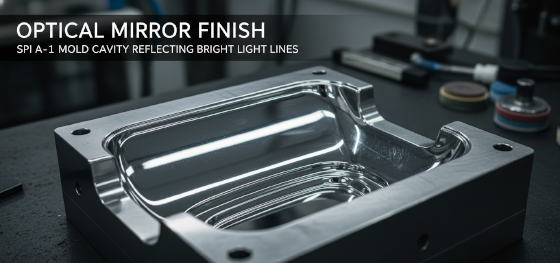
Polieren ist das Streben nach Reinheit. Im gebürsteten und polierten Vergleich stellt das Polieren das extreme Ende des Fertigungsspektrums dar. Es ist ein arbeitsintensiver Prozess, der ein Vielfaches länger dauern kann als das Bürsten. Um eine echte #8-Spiegeloberfläche auf Edelstahl zu erreichen, durchlaufen unsere Techniker eine strenge Korngrößenleiter: 400, 600, 800, 1200 und schließlich eine Stufe mit Polierpaste. Jeder Schritt muss die Signatur der vorherigen Korngröße vollständig auslöschen. Wenn ein einziger 400er-Kratzer zurückbleibt, erscheint er als "Geistermarke" in der endgültigen Spiegeloberfläche, was einen Neustart des gesamten Prozesses erfordert.
Funktional ist das Polieren aus mehr als nur Eitelkeit wichtig. Im medizinischen und lebensmittelverarbeitenden Sektor ist eine Spiegeloberfläche eine Hygieneanforderung. Eine polierte Oberfläche hat keine mikroskopischen "Ecken", in denen sich Bakterien verstecken oder Proteine binden können. Sie ist viel einfacher zu reinigen als eine gebürstete Oberfläche. In der Welt des Hochpräzisionsspritzgusses ist eine SPI-A-1-Politur auf einer Formkavität das, was ein reibungsloses Auswerfen eines Kunststoffteils ermöglicht und eine kristallklare Oberfläche gewährleistet. Jucheng Precision ist auf diese "funktionelle Politur" spezialisiert und liefert Formenbauern und Chirurgen Komponenten, die molekular glatt sind. Wir kombinieren mechanisches Polieren mit elektrolytischen Verfahren, um komplexe Geometrien zu erreichen, und liefern eine gleichmäßige Hochglanzoberfläche, die den optischen und hygienischen Standards der am stärksten regulierten Industrien der Welt entspricht.
Der Wartungs-Showdown: Kratzer und Fingerabdrücke

Die Auswahl zwischen diesen beiden Oberflächen wird oft durch die Bereitschaft des Endbenutzers zur Durchführung von Wartungsarbeiten bestimmt. Ein poliertes Teil ist in der Sekunde, in der es das Werk verlässt, am schönsten, und dann beginnt ein langsamer Verfall. Da die Oberfläche so perfekt ist, sticht jede Unvollkommenheit hervor. Ein einzelner Fingerabdruck kann wie ein Fettfleck aussehen; ein kleiner Kratzer von einem Schmuckstück kann wie eine Schlucht wirken. Bei verbraucherorientierten Produkten wie High-End-Smartphones oder Schmuck ist diese hohe Wartung Teil der "Luxussteuer" – sie erfordert, dass der Benutzer den Gegenstand ständig abwischt und pflegt.
Gebürstete Oberflächen bieten eine "stressarme" Alternative. Sie sind der Arbeiterklasse-Held von CNC-Bearbeitung Oberflächenbehandlung. Sie können einen gebürsteten Aluminiumgriff den ganzen Tag lang anfassen, und er sieht immer noch sauber aus. Im Falle eines tiefen Kratzers kann eine gebürstete Oberfläche oft vor Ort mit einem einfachen Schleifpad repariert werden, da der Benutzer dem vorhandenen Korn folgen kann, um den Schaden zu vermischen. Die Reparatur einer Spiegelpolitur vor Ort ist praktisch unmöglich; sie erfordert spezielle Maschinen und Fachwissen. Bei Jucheng Precision fragen wir unsere Kunden: "Wer wird dieses Teil berühren?" Wenn es ein Techniker in einer staubigen Fabrik ist, schreiben wir gebürstet vor. Wenn es ein Chirurg in einem sterilen Labor oder ein Luxuskonsument ist, bereiten wir uns auf die Strenge der Politur vor. Wir stellen sicher, dass Ihre Materialwahl den Lebensstil Ihres Zielmarktes übersteht.
Vorbereitung auf Perfektion: Werkzeugbahnen und Rauheit

Ein kritischer Fehler in der Fertigung ist die Annahme, dass die Oberflächenbehandlung ein schlechtes Teil "reparieren" kann. In Wirklichkeit wird das gebürsteten und polierten Ergebnis in der CNC-Fräse entschieden. Wenn ein Teil tiefe Rattermarken oder hohe $Ra$-Werte (Rauheit) aufweist, wird der Endbearbeitungsprozess diese Defekte nur hervorheben. Ein polierter Spiegel über einer welligen Oberfläche wirkt verzerrt, wie ein Spiegelkabinett. Eine gebürstete Oberfläche über tiefen Werkzeugspuren erzeugt einen "Karoeffekt", bei dem das Korn und die Werkzeugspuren um Aufmerksamkeit konkurrieren.
Jucheng Precision wendet eine "Pre-Finish-Optimierungs"-Strategie an. Wir passen unsere Spindeldrehzahlen, Vorschübe und Werkzeugschrittweiten an, um ein gleichmäßiges $Ra$ 0,8 oder besseres Substrat zu liefern. Für Teile, die für die Spiegelpolitur bestimmt sind, verwenden wir Kugelfräser mit einer 90%-Überlappung, um sicherzustellen, dass die Riefen fast unsichtbar sind. Dies reduziert die manuelle Arbeit im Polierraum um die Hälfte und stellt sicher, dass die Maßtoleranzen nicht durch übermäßiges Schleifen beeinträchtigt werden. Indem wir die Bearbeitung und die Endbearbeitung als einen einzigen kontinuierlichen Zyklus konstruieren, bieten wir unseren Kunden ein Maß an Oberflächenintegrität, das über jede Charge hinweg reproduzierbar ist. Wir polieren nicht nur die Oberfläche; wir konstruieren das Licht.
JUCHENGs Hybridstrategie: Multi-Textur-Integration

Die anspruchsvollsten modernen Designs wählen nicht zwischen gebürsteten und polierten– sie verwenden beide. Eine "Hybrid-Oberfläche" nutzt den Kontrast zwischen gerichtetem Korn und Spiegeltiefe, um bestimmte Merkmale hervorzuheben. Stellen Sie sich ein Premium-Autofelge mit gebürsteter Oberfläche und polierten "Fenstern" vor oder eine medizinische Konsole mit polierten Tasten auf einem gebürsteten Gehäuse. Dieser Kontrast erzeugt eine visuelle Komplexität, die nach "High-End" schreit."
Die Ausführung dieser Hybrid-Oberflächen erfordert außergewöhnliche Maskierungsfähigkeiten und ein tiefes Verständnis der Fertigungsabläufe. Bei Jucheng Precision haben wir die Kunst der Multi-Textur-Integration perfektioniert. Wir verwenden lasergeschnittene Masken und hochpräzise Vorrichtungen, um eine Oberfläche zu schützen, während die andere aufgebracht wird. Dieser integrierte Arbeitsablauf stellt sicher, dass die Übergangslinien zwischen den Texturen scharf und professionell sind, ohne Kreuzkontamination der Körnungen. Wenn Sie eine Komponente von JUCHENG erhalten, erhalten Sie ein fertiges, technisch gestaltetes Meisterwerk, das sowohl auf ästhetische Brillanz als auch auf Maßgenauigkeit geprüft wurde. Ob Sie das nächste ikonische Verbrauchergerät oder eine hochreine medizinische Baugruppe bauen, unsere Oberflächenbehandlungskompetenz verdeutlicht Ihre Designvision. Kontaktieren Sie Jucheng Precision noch heute für eine umfassende DFM-Überprüfung und lassen Sie unsere Endbearbeitungsprotokolle Ihr nächstes Projekt mit der perfekten Textur wappnen.

