


Farbe in der Technik ist selten eine Frage der bloßen Mode. Während natürliches Delrin ein fester Bestandteil industrieller Werkstätten ist, gibt es spezifische Umgebungen, in denen sein cremeweißes Aussehen ein Nachteil ist. Für Ingenieure, die Teile für das intensive Licht im Freien oder die empfindlichen elektrostatischen Zonen einer Halbleiterfertigung entwerfen, ist die Entscheidung für Schwarze Delrin-Bearbeitung eine strategische. Sie steht für einen Schritt hin zu verbesserter Haltbarkeit, chemischer Stabilität und fortschrittlichen Sicherheitsprotokollen.
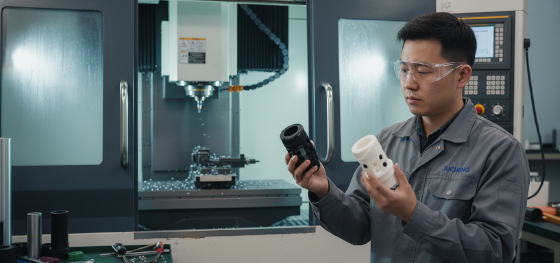
Bei Jucheng Precision sind wir uns bewusst, dass POM-Delrin-Acetal-CNC-Bearbeitung bei schwarzen Qualitäten mehr erfordert als nur den Austausch eines Materialblocks. Es erfordert ein Verständnis dafür, wie die Kohlenstoffadditive die Wärmeleitfähigkeit des Materials verändern und wie das dunkle Pigment Fehler offenbart, die in einer natürlichen Oberfläche verborgen blieben. Ob Sie Drohnenchassis oder elektronische Prüfvorrichtungen bauen, die Beherrschung der Nuancen von schwarzem Polyoxymethylen ist der Schlüssel zu einem professionellen Endprodukt. Dieser Leitfaden untersucht die mechanischen und chemischen Vorteile der Wahl von Schwarz gegenüber Weiß.
Der Übergang zu schwarzem Acetal ist eine Investition in Langlebigkeit. Jenseits der eleganten, professionellen Ästhetik bieten diese Qualitäten funktionale Vorteile, die natürliche Polymere einfach nicht erreichen können. Von UV-Schutz bis zu antistatischen Eigenschaften – lassen Sie uns untersuchen, warum Schwarz die bevorzugte Wahl für hochwertige technische Komponenten ist.
UV-Stabilität: Die Rolle von Carbon Black
Statisch ableitende Lösungen: ESD-Qualitäten für Elektronik
Bearbeitungsintegrität: Umgang mit Spannungsweißfärbung
Funktionale Anwendungen: Von Drohnen bis zu Halbleiter-Vorrichtungen
UV-Stabilität: Die Rolle von Carbon Black

Der Hauptfeind von Polymeren in einer Außenumgebung ist der Photoabbau. Ultraviolette Strahlung der Sonne trägt genug Energie, um die Molekülbindungen von Standard-Polyoxymethylen zu brechen. Bei natürlichem (weißem) Delrin zeigt sich dieser Abbau als "Kreiden", bei dem die Oberfläche pulvrig, spröde wird und schließlich reißt. Wenn Sie eine Solarpanel-Halterung oder ein Sensorgehäuse für den Marineeinsatz bauen, ist dieses Umweltversagen inakzeptabel. Schwarze Delrin-Bearbeitung adressiert dies durch die Integration von Carbon Black – einem feinkörnigen Pigment, das als hochwirksamer UV-Stabilisator dient.
Carbon Black wirkt wie ein Energieschwamm. Es absorbiert die UV-Photonen und wandelt sie in harmlose Wärme um, bevor sie die inneren Polymerketten angreifen können. Dieser Schutz verlängert die Lebensdauer des Teils um Jahre und erhält seine Zugfestigkeit und Schlagzähigkeit bei direkter Sonneneinstrahlung. Darüber hinaus neigt schwarzes Acetal weniger zur Vergilbung, die weiße Kunststoffe bei Einwirkung von Umweltschadstoffen plagt. Bei Jucheng Precision beziehen wir hochreines schwarzes Acetal mit gleichmäßiger Pigmentdispersion, um sicherzustellen, dass der UV-Schutz im gesamten Volumen des Teils konsistent ist, nicht nur an der Oberfläche. Dies gewährleistet, dass selbst wenn das Teil später zerkratzt oder nachbearbeitet wird, der freigelegte Kern vor sonneninduzierter Versprödung geschützt bleibt. Für den Konstrukteur bedeutet dies, dass Sie ein Produkt bauen, das den Elementen standhält, nicht nur dem Montageraum.
Statisch ableitende Lösungen: ESD-Qualitäten für Elektronik
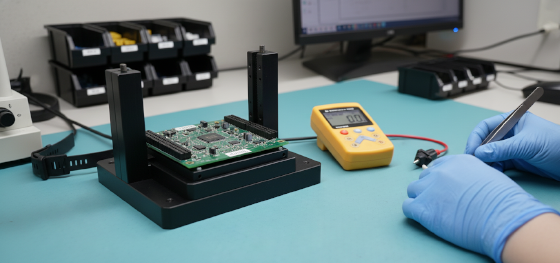
In der Welt der Halbleiterfertigung und Elektronikmontage ist ein einziger statischer Funke ein katastrophales Ereignis. Standardkunststoffe sind Isolatoren; sie halten statische Ladungen fest, bis sie einen Weg zur Erde finden, oft durch eine empfindliche Leiterplatte. Schwarze Delrin-Bearbeitung ist häufig der Einstieg in ESD-sichere (elektrostatische Entladung) Lösungen. Viele schwarze Acetal-Sorten sind speziell mit leitfähigen Kohlenstofffasern oder Edelstahlfilamenten formuliert, um "statisch ableitend" zu werden. Diese Sorten bieten einen Oberflächenwiderstand typischerweise zwischen 10^6 und 10^9 Ohm, sodass sich statische Ladungen langsam und sicher ableiten können.
Da diese leitfähigen Zusätze schwarz sind, ist das resultierende Material fast immer schwarz. Die Bearbeitung dieser ESD-Sorten erfordert jedoch äußerste technische Vorsicht. Die Kohlenstofffaserverstärkung macht das Material deutlich abrasiver als Standard-POM-C. Bei Jucheng Precision verwenden wir spezielle Werkzeugwegstrategien, um diese Abrasivität zu bewältigen und zu verhindern, dass die Fasern herausgezogen werden und eine raue, "flauschige" Oberfläche hinterlassen. Wir verstehen, dass in einer ESD-Umgebung Sauberkeit genauso wichtig ist wie Leitfähigkeit. Ein Teil, das Kohlenstoffpartikel abgibt, ist genauso gefährlich wie eines, das eine statische Ladung trägt. Unser POM-Delrin-Acetal-CNC-Bearbeitung Prozess für ESD-Sorten umfasst eine gründliche Ultraschallreinigung nach der Bearbeitung, um sicherzustellen, dass Ihre Elektronik-Handhabungsvorrichtungen und Spannvorrichtungen sowohl sicher als auch makellos sind. Durch die Wahl der richtigen schwarzen Sorte helfen wir Ihnen, das Risiko von ESD-bedingten Ausfällen in Ihren empfindlichsten Produktionslinien zu eliminieren.
Bearbeitungsintegrität: Umgang mit Spannungsweißfärbung
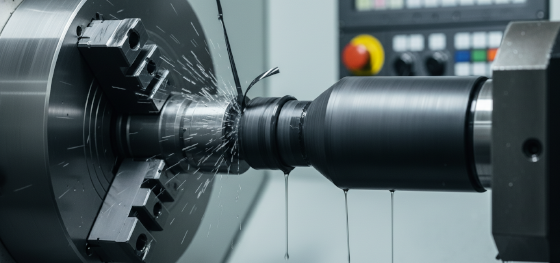
Die größte ästhetische Herausforderung beim Schwarze Delrin-Bearbeitung ist ein Phänomen, das als Spannungsrissbildung (Stress Whitening) bekannt ist. Wenn Sie ein scharfes Werkzeug nehmen und einen schweren Schnitt machen, kann der lokalisierte Druck dazu führen, dass das Polymer mikro-risst oder sich am Scherpunkt dehnt. Bei weißem Delrin ist dies unsichtbar. Bei schwarzem Delrin werden diese beanspruchten Bereiche kreidig weiß oder grau. Dies führt zu Teilen, die "abgenutzt" oder schlecht verarbeitet aussehen, selbst wenn die Abmessungen perfekt sind. Um ein tiefes, gleichmäßiges Ebenholz-Finish zu erzielen, muss der Maschinist das Material mit einer Delikatesse behandeln, die normalerweise optischen Kunststoffen vorbehalten ist.
Jucheng Precision löst dies durch das "Zero-Stress-Mandat". Wir verwenden ausschließlich rasierscharfe, polierte Hartmetallwerkzeuge mit hohen positiven Spanwinkeln. Dadurch wird sichergestellt, dass das Material sauber geschnitten und nicht von der Werkzeugspitze gequetscht wird. Wir verwalten auch die Vorschubgeschwindigkeiten mit äußerster Sorgfalt; ein zu aggressiver Vorschub erzeugt "Wärmezonen", die Feuchtigkeit einschließen und zu Oberflächenausblühungen führen. Wir verwenden Hochdruck-Luftkühlung, um die Schneidekante auf Raumtemperatur zu halten und die thermische Ausdehnung zu verhindern, die zu inneren Spannungen führt. Darüber hinaus legen wir großen Wert auf die Werkstückspannung. Wenn ein Teil zu fest in einem Schraubstock eingespannt wird, entstehen weiße Druckstellen. Wir konstruieren kundenspezifische Softbacken, die die Spannkraft gleichmäßig über die Oberfläche verteilen. Unser Ziel ist es, schwarze Acetalteile zu liefern, die aussehen, als wären sie in Tinte gegossen – makellos, gleichmäßig und frei von den Fertigungsnarben, die Standard-Lohnfertigungsbetriebe plagen.
Funktionale Anwendungen: Von Drohnen bis zu Halbleiter-Vorrichtungen
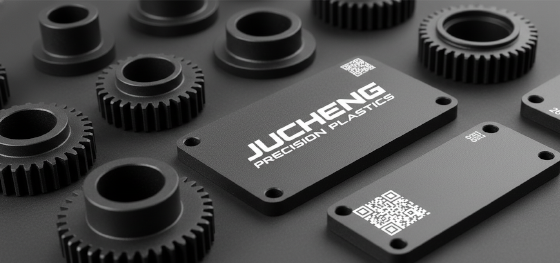
Wo verdient schwarzes Acetal seinen Platz? Die Liste der Branchen wächst, da Ingenieure zu funktionaler Ästhetik übergehen. In der Drohnen- und Robotikbranche wird schwarzes Delrin für Strukturrahmen und Propellerhalterungen verwendet. Es bietet die notwendige Schlagfestigkeit und Steifigkeit und behält gleichzeitig ein dezentrales, nicht reflektierendes Finish bei, das für optische Sensoren und Kameras unerlässlich ist. In der Automobil-Performance-Welt ist schwarzes Delrin der Standard für Schaltknäufe und Buchsen, da es die Hitze des Innenraums und die Reibung der Gestängeverbindung bewältigt, ohne die "Fettflecken" zu zeigen, die ein weißes Teil ruinieren würden.
Über die reine Leistung hinaus bietet schwarzes Delrin ein außergewöhnliches Substrat für Sekundäroperationen. Es bietet den höchsten Kontrast für Lasermarkierung und Gravur. Wenn Sie dauerhafte, hochauflösende Logos, Seriennummern oder UDI-Codes auf Ihren Kunststoffkomponenten benötigen, POM-Delrin-Acetal-CNC-Bearbeitung gefolgt von einem CO2- oder Faserlaser-Durchgang, ergibt eine hellweiße Markierung auf dunklem Hintergrund, die praktisch unzerstörbar ist. Bei Jucheng Precision integrieren wir diese Markierung direkt in unseren Produktionsablauf. Ob Sie Komponenten für die Tiefsee-Exploration oder Präzisionsvorrichtungen für eine Reinraum-Montagelinie bauen, unsere Expertise in schwarzem Acetal stellt sicher, dass Ihre Teile sowohl technisch überlegen als auch visuell beeindruckend sind. Wir überbrücken die Kluft zwischen Schwerlasttechnik und professionellem Branding und liefern Teile, die die Qualität Ihrer eigenen Designs widerspiegeln. Kontaktieren Sie uns noch heute, um zu sehen, wie unsere spezialisierten Finish- und Bearbeitungsprotokolle Ihr schwarzes Kunststoffprojekt klären können.

