


Für die Validierung hochwertiger optischer Lichtleiter, mikrofluidischer Verteilerblöcke oder Autoscheinwerferabdeckungen vor der Serienproduktion werden Materialien mit einwandfreier Lichtdurchlässigkeit benötigt. Die Spezifikation von transparentem Kunststoff-Rapid-Prototyping liefert Ihren Entwicklungsteams außergewöhnlich transparente, glatte Komponenten, die direkt zur Bewertung interner Flüssigkeitsströmungen oder zum Testen lokalisierter LED-Lichtleiter verwendet werden können. Dieser spezialisierte kosmetische Workflow dient als unser erstklassiges, optisch hochwertiges Rapid-Prototyping-Service, das fortschrittliche subtraktive und additive Verfahren nutzt, um glasähnliche Prototypen in Tagen zu liefern.
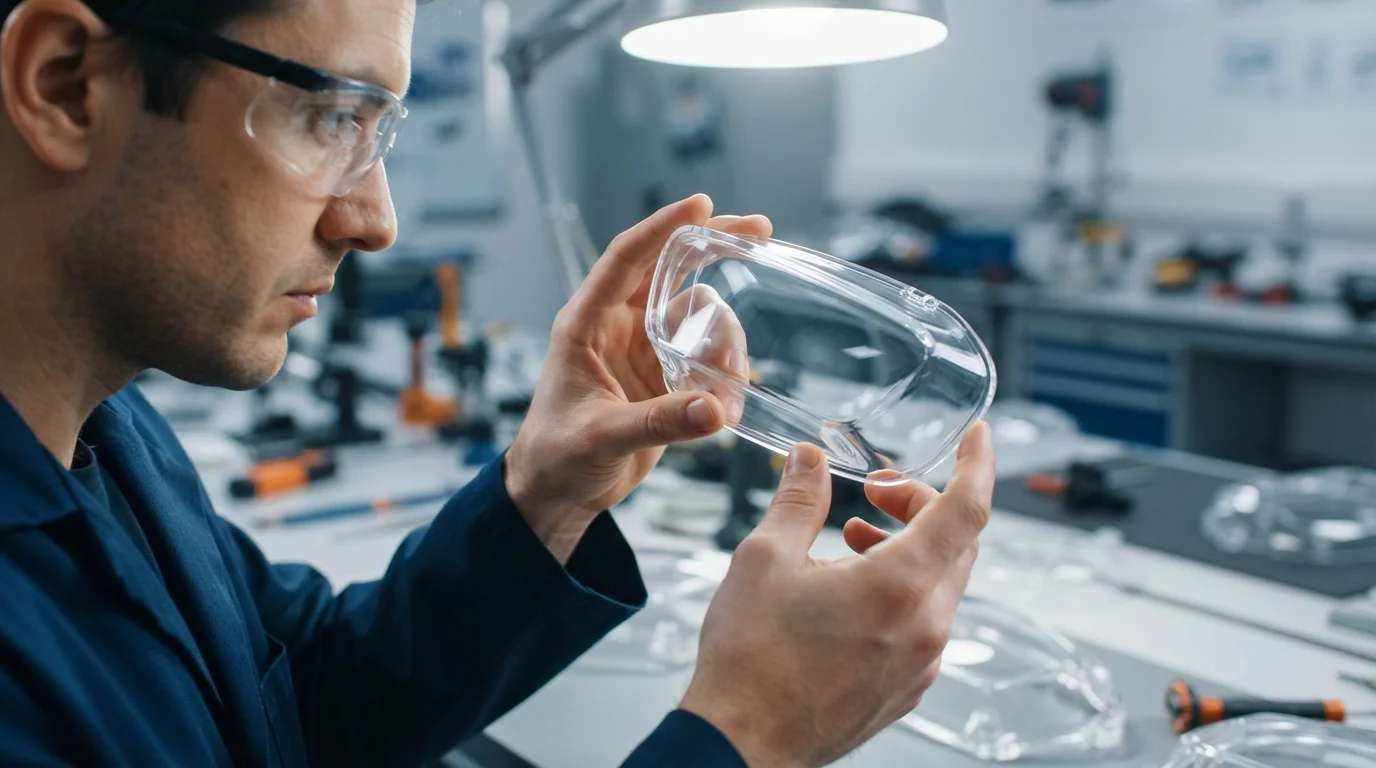
Leiden Sie unter kundenspezifischen transparenten Teilen, die matt aussehen, hässliche weiße Fräslinien aufweisen oder bei intensiver UV-Bestrahlung vergilben? Standard-Rohkunststoffe direkt aus dem Fräszentrum sind mit mikroskopischen Bearbeitungsrillen bedeckt, die Licht in alle Richtungen streuen und die optische Klarheit zerstören. Der Übergang zu einem professionellen, mehrstufigen Handschliff- und chemischen Dampfpoliervorgang beseitigt diese Oberflächenfehler vollständig und liefert eine vollständig transparente, polierte Platte ohne Verzerrung.
Lassen Sie uns die physikalischen Unterschiede zwischen PMMA und transparentem Polycarbonat untersuchen, die mechanischen und chemischen Nachbearbeitungsschritte analysieren, die zur Erzielung vollständiger Transparenz erforderlich sind, und besprechen, wie transparente visuelle Modelle schnell mittels Stereolithographie gedruckt werden können.
Materialauswahl: PMMA (Acryl) vs. transparentes PC (Polycarbonat)
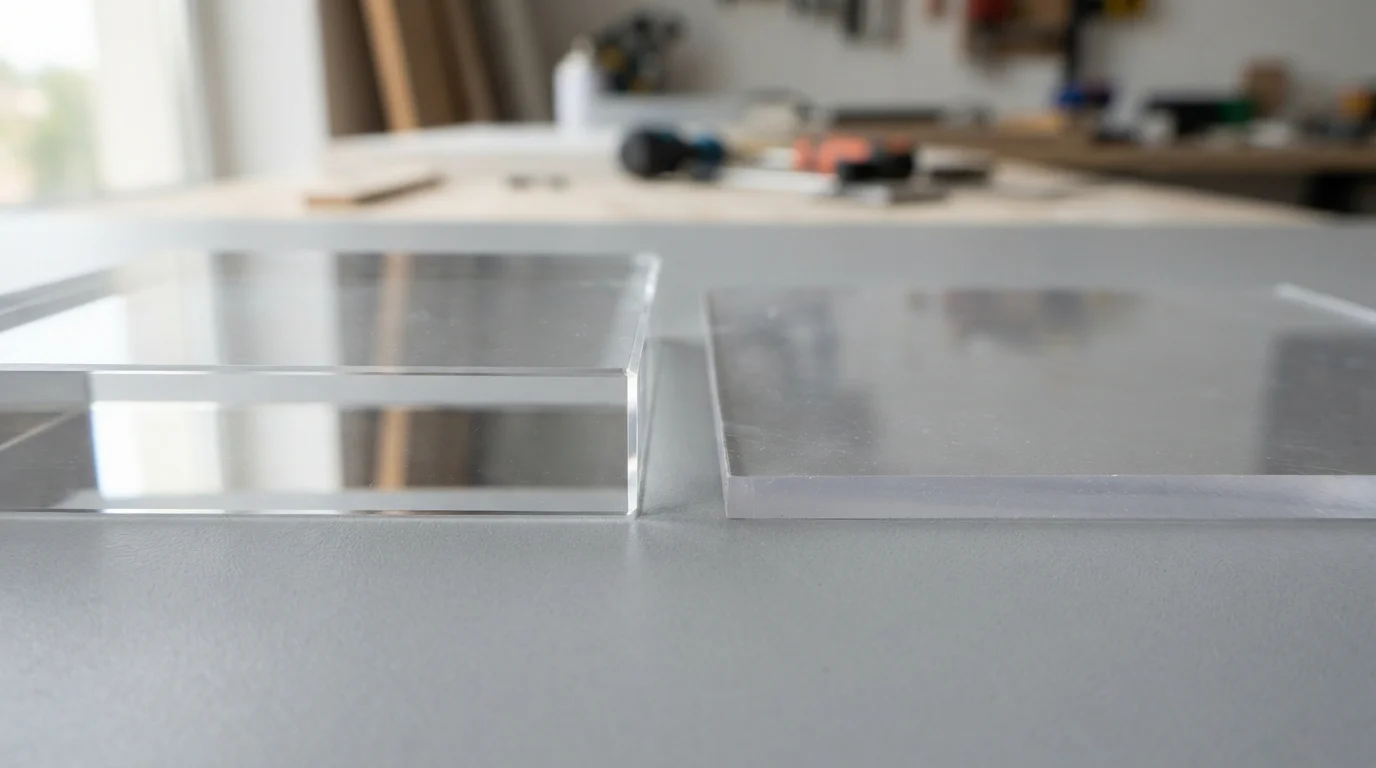
Was sind die wichtigsten optischen und mechanischen Kompromisse zwischen Acryl und transparentem Polycarbonat?
Acryl-PMMA bietet eine überlegene Lichtdurchlässigkeit von 92% und ausgezeichnete Kratzfestigkeit, ist jedoch spröde, während transparentes Polycarbonat 89% Durchlässigkeit und extreme, bruchsichere Schlagfestigkeit bietet.
Bei der Auswahl einer transparenten Legierung aus Ihren verfügbaren Rapid-Prototyping-Materialien Datenbank, das Verständnis dieser Leistungsunterschiede ist entscheidend. Acrylglas (PMMA) ist der Industriestandard für Lichtleiter und optische Linsen aufgrund seiner außergewöhnlichen Klarheit und hohen Beständigkeit gegen UV-Bewitterung. Es kann leicht zu einer kristallklaren Oberfläche poliert werden, ist jedoch sehr spröde und kann unter dynamischen mechanischen Belastungen reißen.
Im Gegensatz dazu ist klares Polycarbonat (PC) eine hochrobuste, bruchsichere Alternative. Während PC etwas weicher als PMMA ist und sehr anfällig für Oberflächenkratzer ist, bietet es eine hervorragende Schlagfestigkeit und hohe Hitzebeständigkeit (bis zu 135 Grad Celsius). Diese Zähigkeit macht klares PC ideal für schwere Schutzabdeckungen, Hochdruck-Fluidverteiler und robuste Außenausrüstungslinsen.
Das Geheimnis optischer Klarheit: Dampfpolitur und manuelles Schleifen
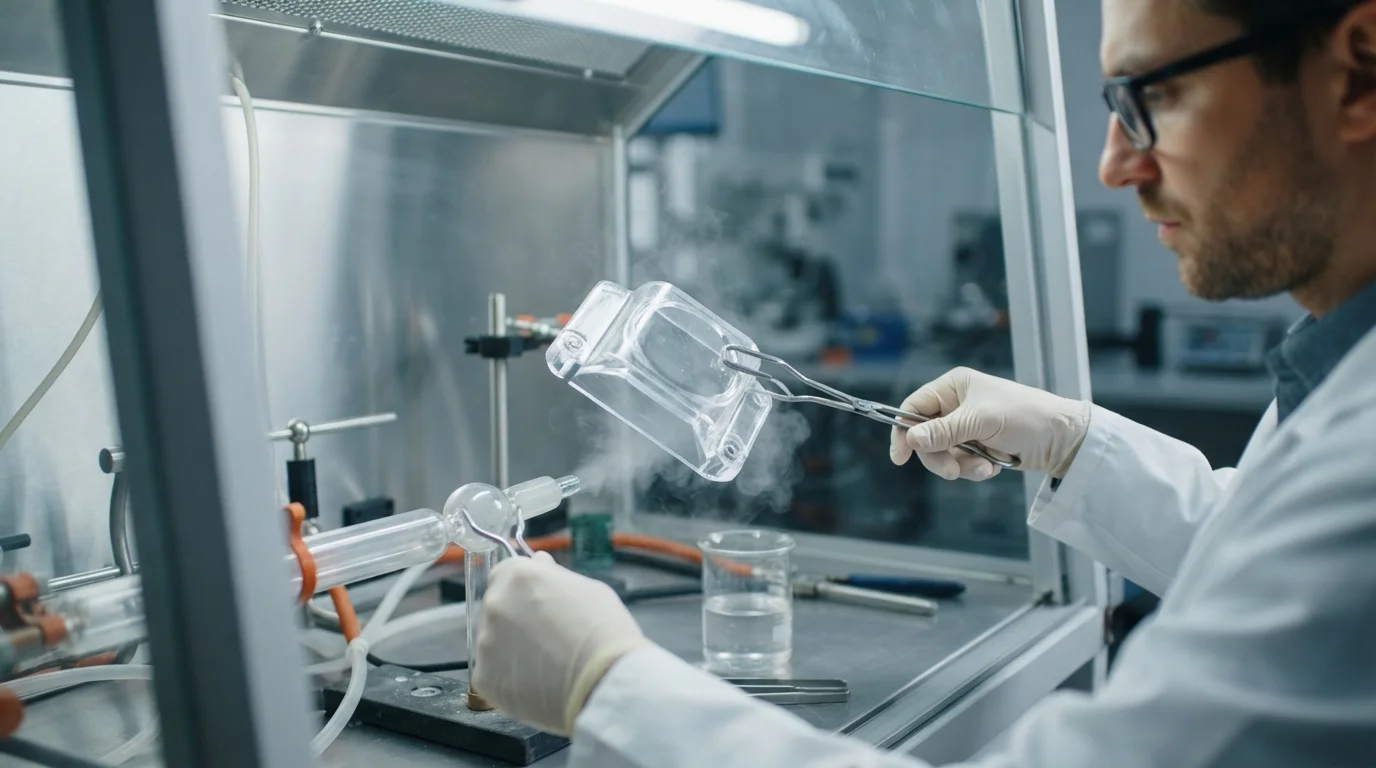
Wie verwandeln Veredelungsspezialisten matte, bearbeitete Kunststoffe in kristallklare Komponenten?
Der Prozess erfordert progressives manuelles Nassschleifen bis zu einer Körnung von 2000, um CNC-Werkzeugspuren zu ebnen, gefolgt von chemischem Dampfpoliermittel, um die mikroskopischen Oberflächenspitzen zu schmelzen und zu glätten.
Ein rohes transparentes Teil direkt aus dem Fräszentrum ist matt und undurchsichtig, weil die physikalische Einwirkung des Fräsers mikroskopische Rillen hinterlässt. Um die vollständige Transparenz wiederherzustellen, führen unsere Handveredelungsspezialisten eine sorgfältige Nassschleifsequenz durch. Wir schleifen die Teile progressiv, von 400er- auf 800er-, 1200er- und schließlich 2000er-Schleifpapier, wobei wir Wasser verwenden, um lose Partikel wegzuspülen und die Oberfläche flach zu halten.
Anschließend führen wir chemisches Dampfpoliermittel an klaren PC-Teilen durch. In einer speziellen Dampfkammer setzen wir die geschliffene Oberfläche einem heißen, lösungsmittelreichen Lösungsmitteldampf (typischerweise Methylenchlorid) aus. Der Dampf schmilzt die mikroskopischen äußeren Spitzen des Kunststoffs, wodurch die Oberfläche fließt und zu einer perfekt flachen, glasartigen Oberfläche erstarrt. Für PMMA-Teile führen wir mehrstufiges mechanisches Polieren mit feinen abrasiven Poliermitteln durch, das eine optische Klarheit liefert.
SLA-3D-Druck für schnelle transparente visuelle Modelle
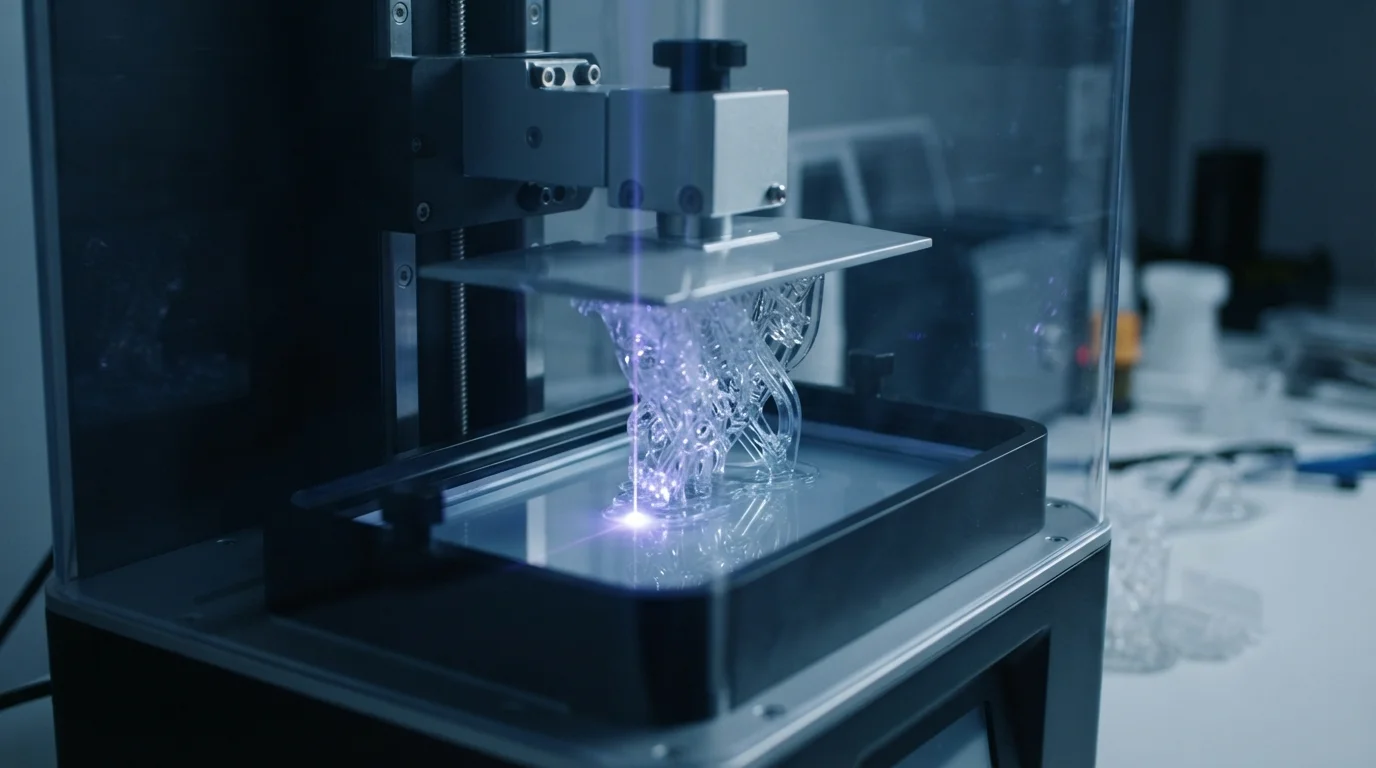
Wenn Ihr Projekt schnelle visuelle Modelle erfordert, um interne Komponentenpassungen zu überprüfen oder Designkonzepte gegenüber Stakeholdern zu demonstrieren, kann direktes CNC-Fräsen zu langsam sein. Um Ihre Durchlaufzeiten zu verkürzen, empfehlen wir transparentem Kunststoff-Rapid-Prototyping unter Verwendung der Stereolithographie (SLA). SLA nutzt präzise UV-Laser, um flüssiges Photopolymer Harz Schicht für Schicht auszuhärten und liefert komplexe Teile mit hervorragenden Hohldetails und dünnen Wänden.
Obwohl rohe SLA-Klardrucke leichte Schichtlinien aufweisen, bearbeiten wir sie manuell durch Schleifen und tragen spezielle klare UV-beständige Acryllacke auf. Diese Nachbearbeitung versiegelt die Poren vollständig und erzeugt eine hochtransparente Oberfläche, die Schichtlinien leicht verbirgt. Es ist eine äußerst kosteneffiziente und agile Methode, um schnell umsetzbare Demonstrationsmodelle mit hoher visueller Wirkung zu erstellen.
Prototyping von Autolampenlinsen bei JUCHENG
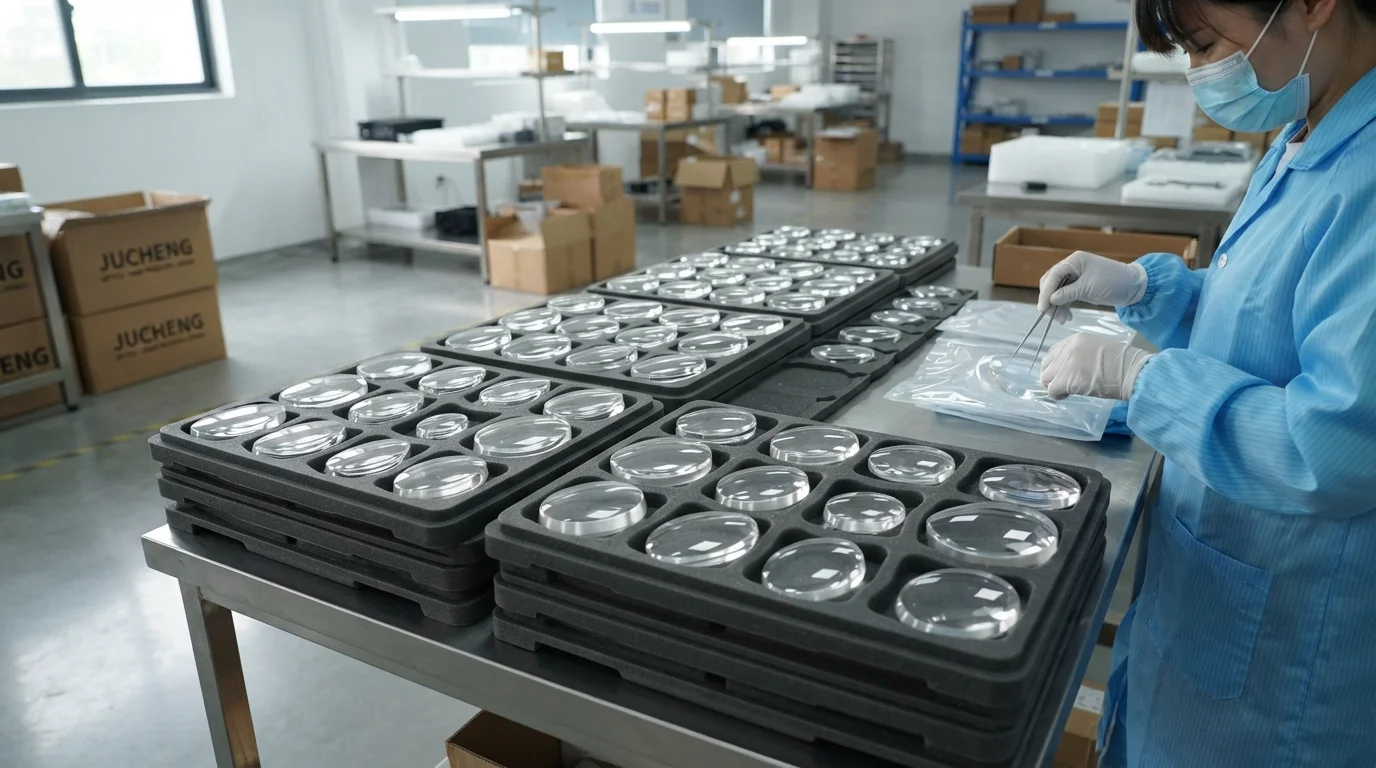
Die Beschaffung hochwertiger, optischer Autolampenlinsen, Lichtleiter und Fluidanalysatormodule erfordert extreme Endbearbeitungskontrolle in der Werkstatt. JUCHENG betreibt mehrere hochpräzise CNC-Fräszentren und Reinraum-Nachbearbeitungsstationen. Diese integrierte Einrichtung ermöglicht es unseren Modellbauern, mehrstufiges Handschleifen, chemisches Dampfpolicren und professionelles Klarlackieren unter einem Dach durchzuführen, wodurch Handhabungskratzer und Umgebungsstaubkontamination vollständig vermieden werden.
Jeder kundenspezifische Auftrag wird unter einem einheitlichen Qualitätssystem verwaltet, das nach ISO 9001 und AS9100 zertifiziert ist, und stellt sicher, dass hochpräzise Blechbearbeitung und kundenspezifische Bearbeitungsläufe erfüllen strenge Automobil-, Medizin- und Luftfahrtvorschriften. Wir nutzen unsere hauseigenen Zeiss-Koordinatenmessmaschinen (CMM), um kritische Abmessungen und Toleranzen vor dem Versand zu überprüfen. Unterstützt durch unsere Null-Mindestbestellmengen-Politik und schnelle Liefergarantie verwalten wir Ihr Projekt von der ersten CAD-Entfaltung bis zur endgültigen, hochbelastbaren Verpackung ohne Dimensionsabweichung und agieren als Ihr führender Rapid-Prototyping-Service Partner.
FAQ: Kritische Fragen zum transparenten Kunststoff-Rapid-Prototyping
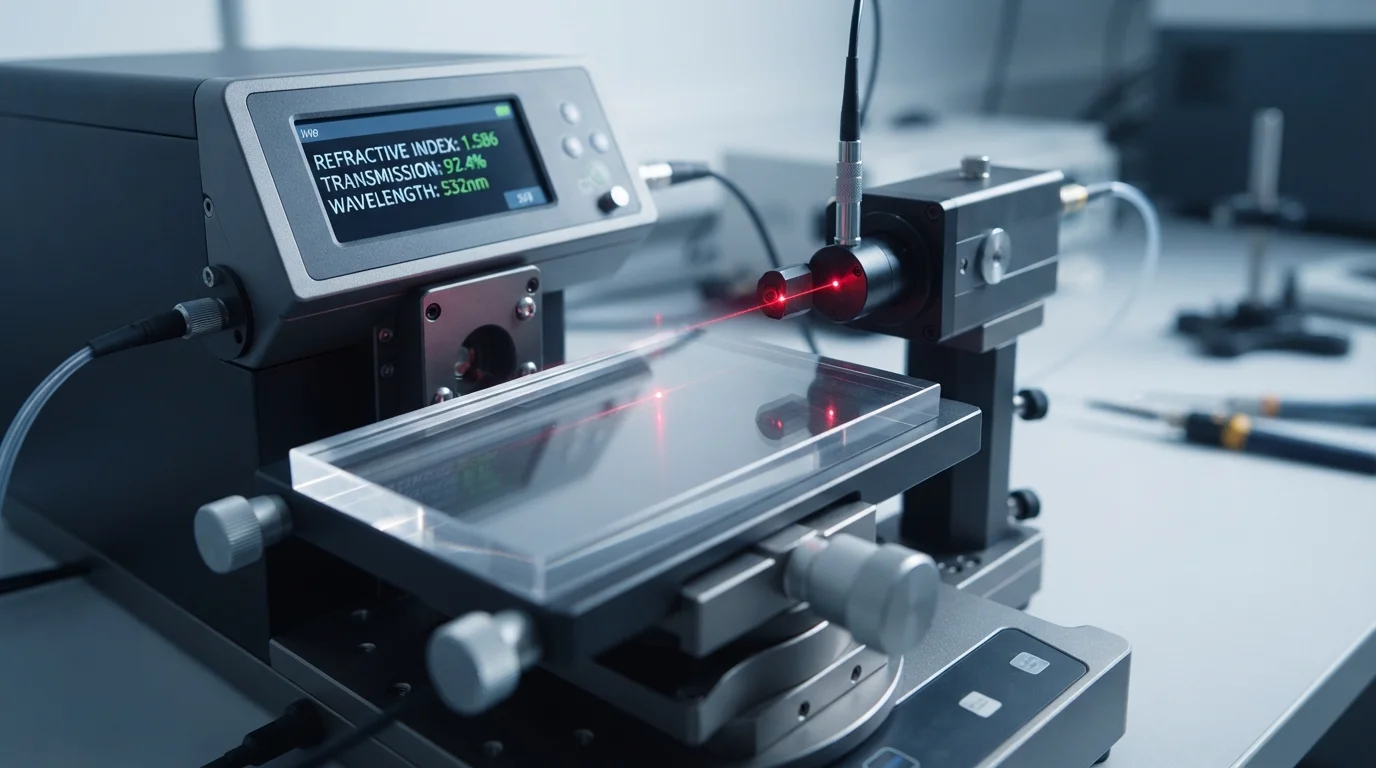
Unser Ingenieurteam hat professionelle, präzise Lösungen für die häufigsten Qualitätsherausforderungen bei der Herstellung von Klarkunststoffteilen zusammengestellt:
- Warum sieht mein CNC-gefrästes Acrylteil milchig aus und wie wird es korrigiert?
Rohes gefrästes Acryl ist aufgrund mikroskopischer Frässpuren milchig. Wir stellen die vollständige optische Transparenz wieder her, indem wir mehrstufiges manuelles Nassschleifen und anschließendes professionelles mechanisches Polieren mit feinen Poliermitteln durchführen. - Was verursacht chemische Spannungsrisse (Crazing) beim Dampfpolicren?
Lösungsmitteldämpfe können in innere Spannungsbereiche von bearbeiteten Polycarbonatteilen eindringen und diese schwächen, was zu Mikrorissen führt. Wir verhindern Crazing, indem wir vor dem Dampfpolicren präzise thermische Glühzyklen in unseren Öfen durchführen. - Können wir klare Polycarbonat-Prototypen für Lebensmittelkontaktanwendungen verwenden?
Ja, vorausgesetzt wir verwenden lebensmittelechtes, zertifiziertes PC-Rohmateriel. Da rohes PC jedoch weich ist, muss es einer chemischen Passivierung unterzogen oder mit lebensmittelsicheren, FDA-zugelassenen Klarlacken beschichtet werden, um eine chemische Migration zu verhindern. - Wie verhindert JUCHENG Dicken- und Durchmesservariationen bei kundenspezifischen Klarkunststoff-Rapid-Prototyping-Aufträgen?
Wir überprüfen die Montagefreiräume mit hauseigenen digitalen Koordinatenmessgeräten und führen automatisierte Tastkalibrierungen an unseren Zeiss-Koordinatenmessmaschinen (KMM) vor dem endgültigen Versand durch, um eine Null-Fehler-Lieferung zu gewährleisten.

