


Flugkritische Komponenten erfordern außergewöhnliche strukturelle Haltbarkeit und strikte Einhaltung strenger Luftfahrtsicherheitsstandards. Entwicklungsteams, die strukturelle Flugzeugzellen, Kraftstoffverteiler oder Turbinenkomponenten entwickeln, müssen mechanische Eigenschaften unter simuliertem atmosphärischem Druck in großer Höhe validieren. Der Betrieb in diesen rauen Umgebungen erfordert Rohmetalle und fortschrittliche Verbundwerkstoffe, die extremen thermischen Gradienten und struktureller Ermüdung widerstehen. Der Einsatz spezialisierter Fertigungstechnologien für die Luft- und Raumfahrt stellt sicher, dass Prototypen-Baugruppen eine exakte physische Nachbildung liefern, bevor die Produktionswerkzeuge ausgeführt werden.
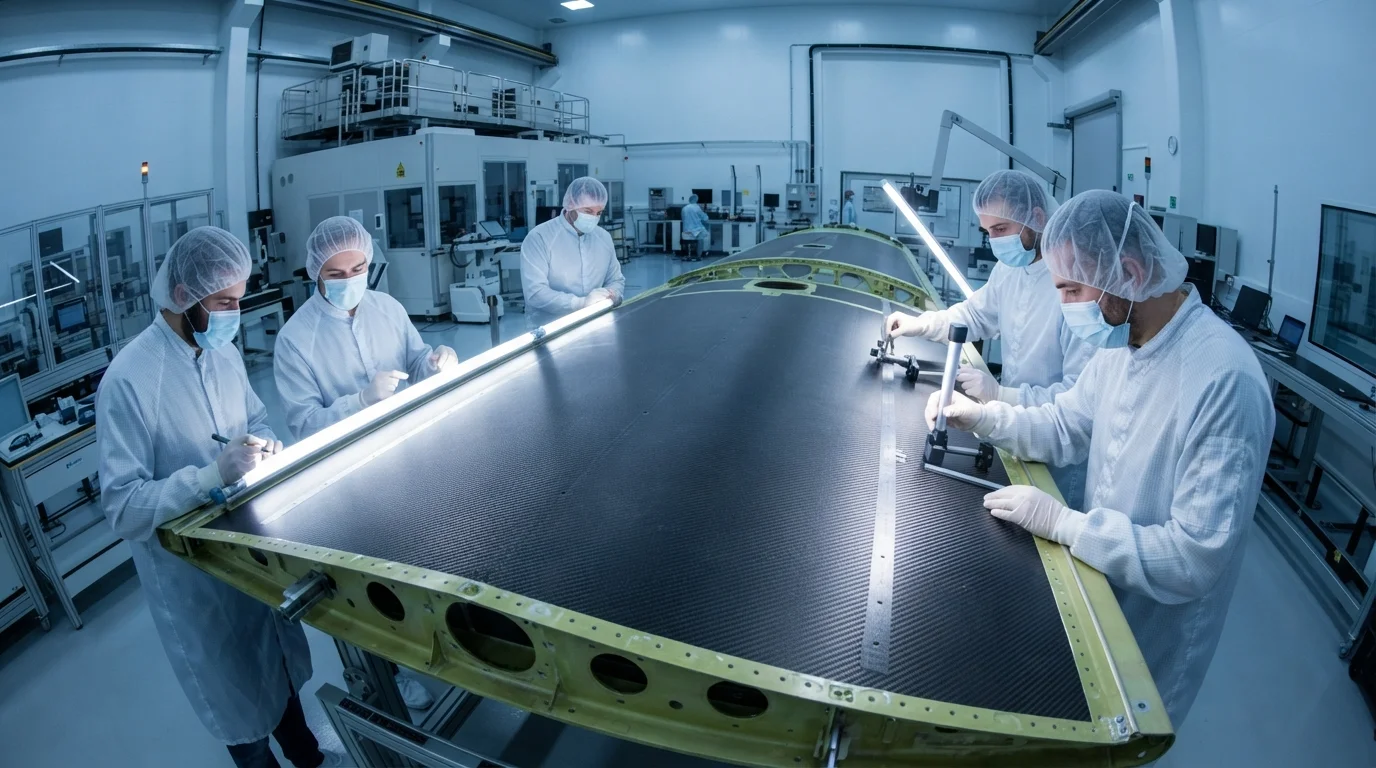
Moderne Luft- und Raumfahrt-Designprojekte priorisieren Gewichtsreduzierung, um die Treibstoffeffizienz und Nutzlastkapazität zu maximieren. Die Optimierung organischer Geometrien und die Konsolidierung von Mehrteil-Baugruppen erfordert fortschrittliche Mehrachsenbearbeitung und metallische additive Fertigung. Die Herstellung hochfunktionaler Prototypenteile aus Weltraum-Titan oder Nickelbasis-Superlegierungen ermöglicht es Entwicklungsgruppen, physische Spannungstests sicher durchzuführen. Technische Überprüfungen müssen Spannungskonzentrationszonen, Materialintegrität und geometrische Toleranzen berücksichtigen, um katastrophale Komponentenausfälle während physischer Flugtests zu vermeiden.
Inhaltsverzeichnis
1. Konformitätsstandards und Zertifizierungsbarrieren in der Luftfahrt
2. Bearbeitung exotischer Superlegierungen und Titanlegierungen
3. Additive Fertigung und DMLS-Bauteilkonsolidierung
Konformitätsstandards und Zertifizierungsbarrieren in der Luftfahrt
Frage: Warum erfordern Luftfahrtprototypen strenge Qualitätskontrolle? Flugkomponenten sind starken dynamischen Kräften ausgesetzt, wodurch strukturelle Defekte oder Maßabweichungen ein katastrophales Sicherheitsrisiko darstellen.
Der Eintritt in die Verteidigungs- und Luftfahrtlieferkette erfordert die strikte Einhaltung standardisierter Qualitätsmanagementsysteme. Luft- und Raumfahrtunternehmen führen Luft- und Raumfahrt-Prototyping durch, um aerodynamische Profile, mechanische Layouts und Rohmaterialreaktionen unter dynamischen Lasten zu validieren. Strukturkomponenten müssen strukturellen Tests unterzogen werden, um die behördliche Freigabe für die tatsächliche Flugbewertung zu erhalten. Die Auswahl vollständig zertifizierter Fertigungspartner verhindert Entwicklungsverzögerungen, die durch undokumentierte Prozessabweichungen verursacht werden.
Luftfahrtzertifizierungsprotokolle schreiben vor, dass Prototyp-Iterationen detaillierte Dokumentationspipelines aufrechterhalten. Digitale Modellaufzeichnungen und geometrische Inspektionen werden sorgfältig mit physischen Ergebnissen abgeglichen, um die Designkonformität zu verifizieren. Fertigungspartner liefern Standard-Verifikationsdaten zur Unterstützung von Luftfahrtaudits und verkürzen Zertifizierungszyklen.
Bearbeitung exotischer Superlegierungen und Titanlegierungen
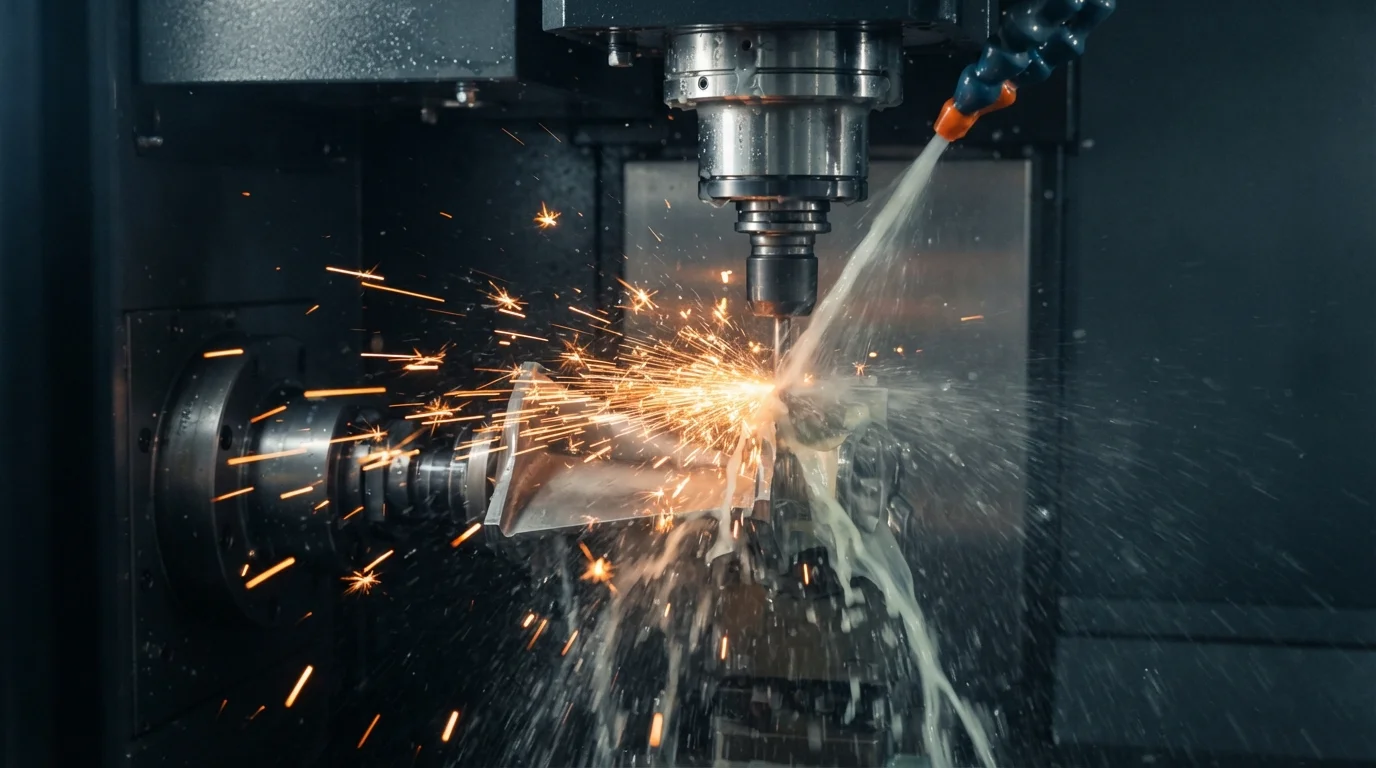
Frage: Welche Metalle eignen sich am besten für Hochtemperatur-Turbinenteile? Inconel-Superlegierungen und Titan Grad 5 behalten eine überlegene Streckgrenze bei erhöhten Betriebstemperaturen.
Turbinenbaugruppen und Brennkammern arbeiten bei Temperaturen, die die thermischen Grenzen von Standard-Engineering-Stählen überschreiten. Die Bearbeitung von Komponenten aus speziellen Superlegierungen wie Inconel 718 oder Kobalt-Chrom erfordert Hochdrehmoment-5-Achs-Fräszentren mit starren Werkstückhaltevorrichtungen. Titanlegierungen (Ti-6Al-4V) bieten ein optimales Festigkeits-Gewichts-Verhältnis für kritische Strukturbeschläge und Flügelrippen. Der Werkzeugverschleiß nimmt beim Schneiden dieser zähen Materialien schnell zu, was spezielle bimetallische oder Hartmetallfräser mit optimierten Spanbrechergeometrien erfordert.
Die Nutzung der mehrachsigen Simultanfräsung optimiert das Rapid Prototyping in der Luft- und Raumfahrt für komplexe Impeller und Blisks. Bearbeitete Strukturbaugruppen werden einer elektrochemischen Passivierung unterzogen, um die Korrosionsbeständigkeit in feuchten Meeres- oder Hochgebirgsumgebungen zu verbessern. Qualitätskontrolleure bestätigen die absolute Oberflächenintegrität, um die Ausbreitung von Mikrorissen unter Ermüdungszyklusprüfung zu verhindern.
Komplexe strukturelle Flügelholme und Spanten erfordern Leichtmetalle, die gegen Spannungsrisskorrosion beständig sind. Der folgende physikalische Vergleich fasst Leichtmetalle zusammen, die bei Luftfahrttechnikprojekten verwendet werden:
| Legierungsbezeichnung | Dichte (g/cm³) | Schmelzpunkt | Zugfestigkeit | Luftfahrtanwendung |
|---|---|---|---|---|
| Ti-6Al-4V (Grade 5) | 4.43 | 1660°C | 950 MPa | Strukturelle Spanten, Fahrwerksgestänge |
| Inconel 718 | 8.19 | 1336°C | 1375 MPa | Turbinenabgas, Brennkammerauskleidungen |
| Al7075-T6 | 2.81 | 635°C | 572 MPa | Rumpfspanten, Flügelrippenbleche |
Additive Fertigung und DMLS-Bauteilkonsolidierung
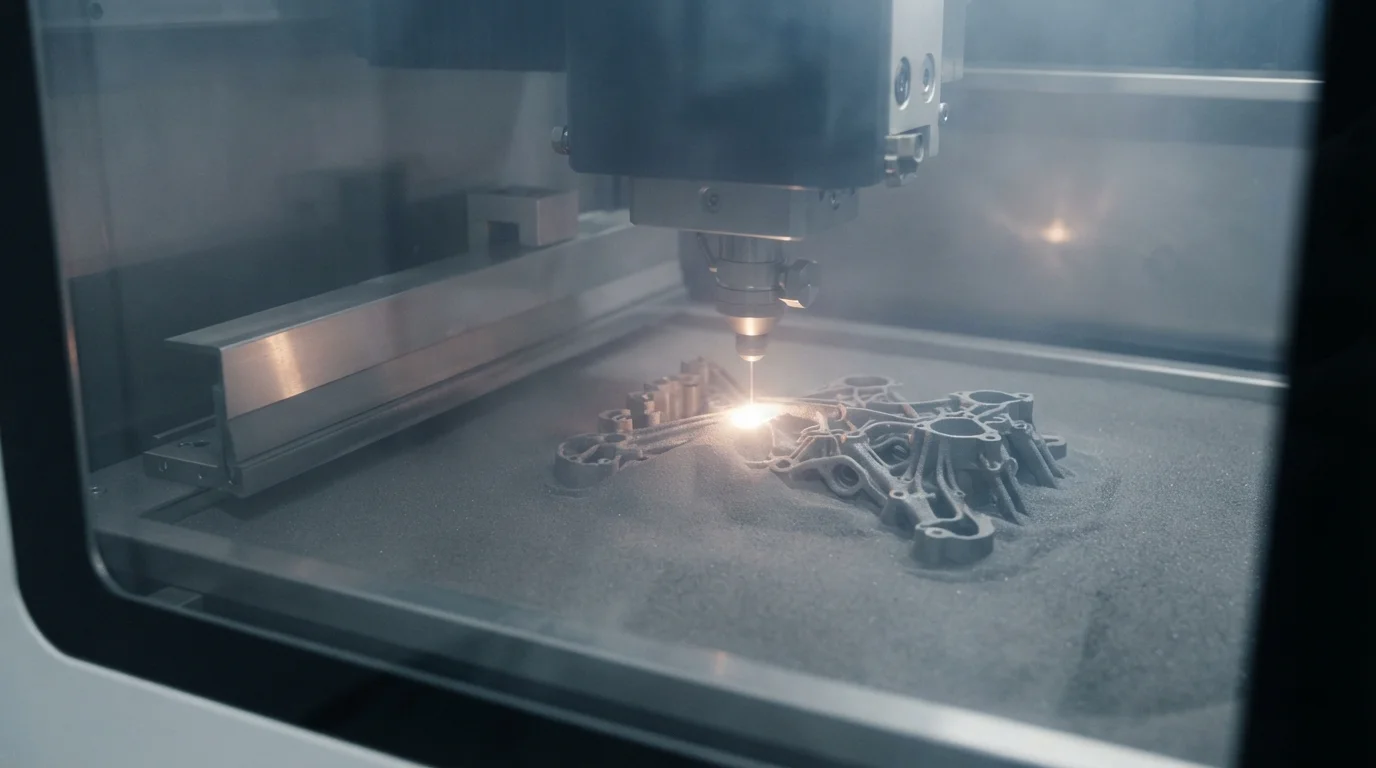
Frage: Wie optimiert Metall-3D-Druck Luft- und Raumfahrtkonstruktionen? Direktes Metall-Lasersintern ermöglicht es Ingenieuren, mehrkomponentige Baugruppen in einzelne, leichte Strukturbauteile zu integrieren.
Komplexe Kanalsysteme und Hydraulikverteiler bestehen oft aus Dutzenden geschweißten Rohren und bearbeiteten Flanschen. Direktes Metall-Lasersintern (DMLS) konsolidiert diese Komponenten zu einheitlichen, hochoptimierten Strukturgeometrien. Verschiedene Rapid-Prototyping-Anwendungen in der Luft- und Raumfahrtantriebstechnik profitieren von diesen komplizierten internen Kanälen, die mit herkömmlicher subtraktiver Werkzeugbearbeitung unmöglich herzustellen sind. Eine Gewichtsreduzierung wird erreicht, während Dichtungspunkte eliminiert werden, an denen Leckagen auftreten könnten.
Gesinterte Titan- und Nickellegierungskomponenten werden einer heißisostatischen Pressung (HIP) als Nachbehandlung unterzogen, um interne Mikroporositäten zu schließen. CNC-Fräsmaschinen führen dann sekundäre Hochpräzisions-Finishing-Operationen an kritischen Funktionsflächen und Gewindebohrungen durch. Die Kombination von additiver Freiheit mit subtraktiver Genauigkeit liefert testbereite Komponenten, die den Serienproduktionsspezifikationen entsprechen.
Messtechnische Inspektion und Materialrückverfolgbarkeit
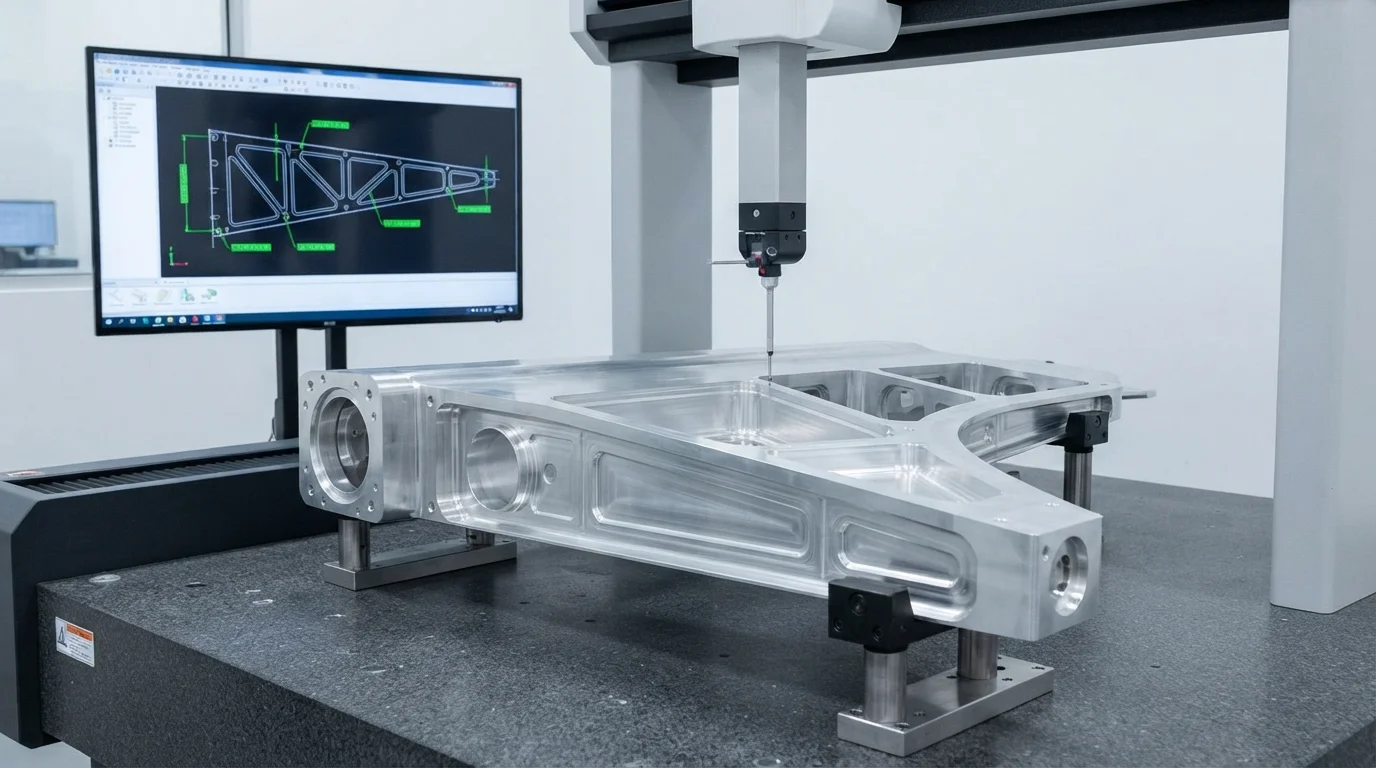
Frage: Wie wird die Rohmaterialintegrität für Luftfahrtkomponenten validiert? Zertifizierte Labore erstellen Materialprüfberichte, die chemische Zusammensetzungen und Kornstrukturen vor Beginn der Bearbeitung verifizieren.
Die Aufrechterhaltung von 100% Materialrückverfolgbarkeit ist eine nicht verhandelbare Anforderung für Strukturkomponenten in großer Höhe. Jucheng Precision setzt strenge Qualitätskontrollen von der Rohmaterialbeschaffung bis zu den endgültigen messtechnischen Prüfungen durch. Werks-Teams liefern vollständige chemische Analysezertifikate (CoA) und Walzwerksbescheinigungen mit jeder Bestellung. Die Verifizierung kritischer Mikrotoleranzen erfolgt mit automatisierten Koordinatenmessgeräte unter temperaturkontrollierten Laborbedingungen.
Die Integration unserer fortschrittlichen Bearbeitungsflotte von über 150 CNC-Maschinen, einschließlich 25 hochpräziser 5-Achsen-Haas/Mazak Plattformen, ermöglicht es Jucheng Precision, komplexe Luft- und Raumfahrtprojekte effizient auszuführen. Technische Ingenieure liefern umfassende DFM-Reviews innerhalb von 24 Stunden, um dünne Wände oder scharfe Innenecken zu adressieren. Prototyping-Programme bieten eine No-MOQ-Politik, die Entwicklungsteams hilft, kritische Flug-Hardware ohne unnötige Ausgaben zu verfeinern.
Die Partnerschaft mit einem erfahrenen Hersteller optimiert den Übergang von frühem Luft- und Raumfahrt-Rapid-Prototyping zur mittleren Serienproduktion. Technische Supportabteilungen gewährleisten absolute Datensicherheit für vertrauliche Verteidigungs- oder kommerzielle Designs. Luft- und Raumfahrtingenieurbüros sichern hochzuverlässige mechanische Komponenten, die extremen dynamischen Kräften standhalten.
Häufig gestellte Fragen (FAQ)
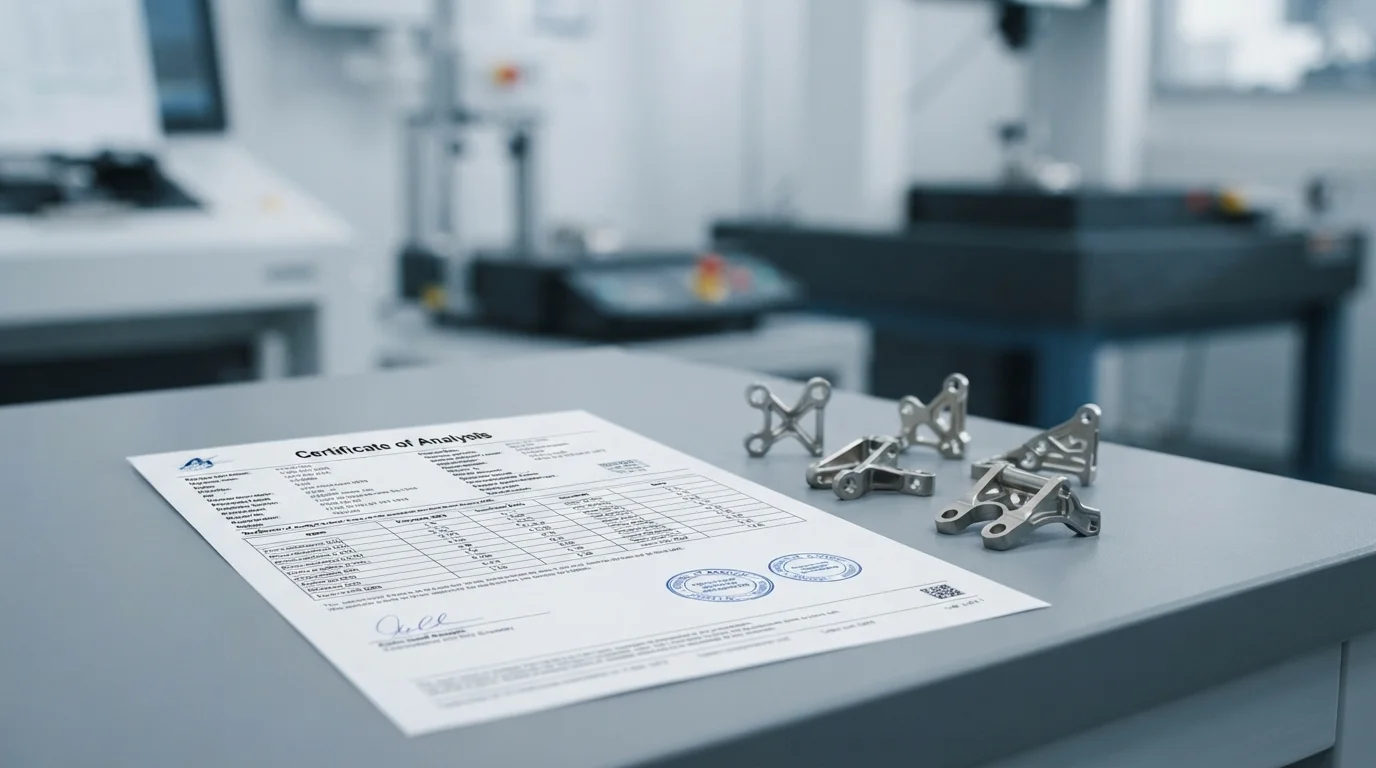
Benötigen Luft- und Raumfahrt-Rapid-Prototypen Materialwalzwerkszertifikate?
Mühlenzertifikate und Analysezertifikate (CoA) sind für jede Luft- und Raumfahrtmaterialcharge obligatorisch. Rohes Material wird strengen metallurgischen Prüfungen unterzogen, um die Einhaltung der Luft- und Raumfahrtspezifikationen vor Beginn der Bearbeitung zu gewährleisten.
Was ist die maximale Bauteilgröße, die Jucheng Precision für Luftfahrtprojekte CNC-fräsen kann?
Mehrachsige Fräszentren bearbeiten großformatige Strukturkomponenten bis zu einer Länge von 1200 mm. Große Flügelrippen oder Spante werden auf unseren schweren CNC-Plattformen mit hoher Präzision bearbeitet.
Können DMLS-Titankomponenten die Standarddichte von Schmiedeteilen erreichen?
Heißisostatisches Pressen (HIP) als Nachbehandlung verdichtet gesinterte Titankomponenten auf 99,9 % der Dichte von Schmiedeteilen. Thermisch behandelte gedruckte Teile erreichen vergleichbare Ermüdungsgrenzen und Zugfestigkeiten wie geschmiedete Äquivalente.

