
Agricultural Robot Enclosure Manufacturing: RIM & DCPD Guide
Views: 2 Author: Allen Xiao Publish Time: 2026-04-16 Origin: Site


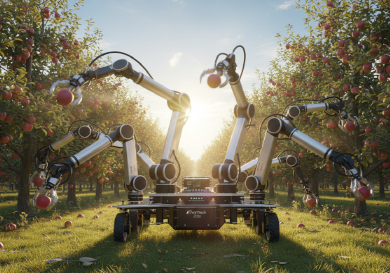
Walking into a sun-scorched wheat field or a muddy vineyard in [2026] reveals the brutal physical reality of precision agriculture robotics. Unlike the sterile, climate-controlled labs of Silicon Valley, the farm is a graveyard for fragile hardware. Equipment faces constant bombardment from high-intensity UV radiation, corrosive fertilizers, and high-velocity impacts from stray rocks or heavy corn stalks. For engineers, the challenge is not simply making the robot navigate autonomously; it is ensuring the outer shell survives the season without structural failure. This harsh environmental requirement demands a fundamental shift in how we approach Agricultural robot enclosure manufacturing.
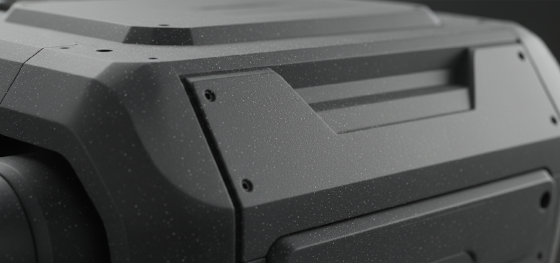
Traditional thermoplastic injection molding often fails when scaled to the size of an autonomous tractor, a wide-span weeding bot, or an orchard harvester. Large-scale panels prone to warping and the massive NRE costs of steel molds make traditional methods a financial burden for low-to-medium volume production. Jucheng Precision addresses these manufacturing hurdles by leveraging advanced Reaction Injection Molding (RIM) and high-impact polymers designed specifically for the modern farming cycle.
Operating out of the Shenzhen precision manufacturing hub, JUCHENG bridges the gap between digital design and field-ready durability. We specialize in producing oversized, structural enclosures that protect sensitive AI brains and delicate sensors from the chaos of the field. This guide explores why RIM technology and specialized polymers like DCPD are the gold standards for the next generation of autonomous farming hardware.
content:
Comparative Material Data for Farm Robots
Solving Warpage in Massive Agricultural Enclosures
Reaction Injection Molding for Structural AgTech Panels
DCPD: The Unbreakable Shield for Heavy-Duty Robotics
VDI Textures and Scuff Resistance in the Mud
JUCHENG: Scaling Bridge to Production Services
FAQ: Agricultural Robotics Hardware Manufacturing
Comparative Material Data for Farm Robots
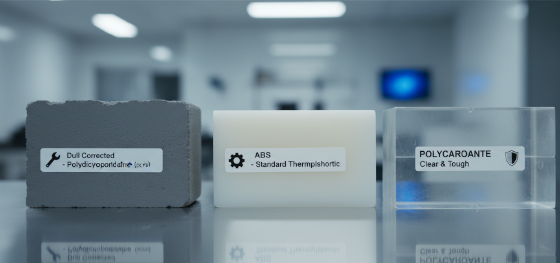
Selecting the right polymer determines whether a robot survives a single harvest season or lasts for a decade of service. Dicyclopentadiene (DCPD) is a thermoset polymer that outperforms traditional thermoplastics in almost every outdoor metric. While metals are prone to rust and denting, and standard plastics like ABS become brittle under UV exposure, DCPD maintains its integrity. The following data highlights why JUCHENG prioritizes thermoset RIM materials for heavy-duty farming applications.
| Metric | DCPD (RIM) | ABS (Injection) | PC (Injection) |
|---|---|---|---|
| Impact Strength (J/m) | 450 - 650 | 150 - 300 | 600 - 800 |
| Chemical Resistance | Excellent | Moderate | Poor (Stresses) |
| UV Stability | Very High | Low (Yellows) | Moderate |
| Max Part Size | 2500mm+ | < 800mm | < 600mm |
| Tooling Type | Aluminum | Steel | Steel |
DCPD represents a leap forward in material science for outdoor robotics. Its low viscosity during the molding process allows it to fill complex, large-scale molds without creating the internal knit lines or weld lines that weaken traditional injection molded parts. This results in an isotropic component that has equal strength in all directions, a critical factor when dealing with the unpredictable torsional stresses found in off-road farming environments. Furthermore, DCPD’s thermal expansion coefficient is significantly more stable than most thermoplastics, ensuring that seals and gaskets remain tight through fluctuating day-night temperature cycles in open fields.
Solving Warpage in Massive Agricultural Enclosures

Large-format agricultural panels measuring over one meter in length create extreme internal stresses during traditional high-pressure injection molding. High-pressure cycles require massive steel tools that can cost upwards of $100,000, creating a massive financial barrier for AgTech startups targeting small-batch deployments of 100 to 500 units. Furthermore, large thermoplastic parts often suffer from sink markers and uneven cooling due to their high thermal mass, leading to dimensional instability that prevents proper sealing against environmental contaminants.
Agricultural environments exacerbate these physical flaws instantly. A slightly warped fender or battery cover allows fine particulate dust—common in tilling operations—to bypass rubber gaskets and contaminate internal high-voltage electronics. Precision in large-scale manufacturing is not a luxury; it is a critical requirement for long-term machine uptime. Jucheng Precision solves this by utilizing low-pressure molding techniques that minimize internal stress and ensure every oversized hood fits perfectly. Our DFM reviews specifically target wall thickness consistency to eliminate the oil-canning effect commonly seen in inferior large-scale plastic shells.
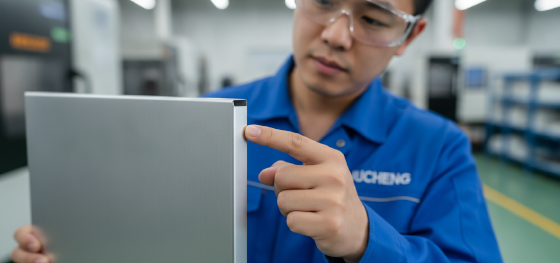
Shrinkage management is another area where JUCHENG excels. During the molding of oversized enclosures, even a 0.5% deviation in shrinkage can lead to a 5mm error across a one-meter part, making bolt-hole alignment impossible. By utilizing low-exothermic reaction polymers and temperature-controlled aluminum molds, we hold tolerances that rival small-scale CNC machining on parts the size of a tractor hood. This level of precision ensures that field repairs are simple and that replacement panels fit the existing chassis without manual filing or modification.
Advanced simulation software allows JUCHENG to predict fluid flow and solidification patterns before the first aluminum mold is ever cut. We analyze potential gate freeze locations and air pockets to ensure the Agricultural robot enclosure manufacturing process remains predictable and repeatable. This proactive approach reduces the iterative loops often required in large-scale production, allowing our clients to meet the tight seasonal deadlines of the farming industry without sacrificing mechanical integrity or aesthetic quality.
Reaction Injection Molding for Structural AgTech Panels
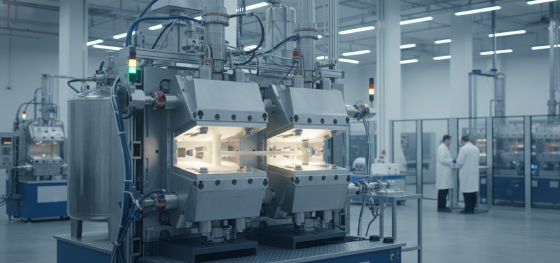
Reaction Injection Molding (RIM) utilizes low-viscosity liquid polymers that chemically react inside the mold to form high-strength solid parts. Because the liquid flows easily at low pressures, JUCHENG can use significantly lighter and more affordable aluminum tooling rather than hardened steel. This process is the primary solution for 100 to 5,000-unit production runs, offering structural integrity without the astronomical tooling investment of traditional methods. It allows AgTech companies to move from prototype to pilot production without being crushed by NRE costs.
Structural RIM panels allow for variable wall thicknesses within a single part, enabling engineers to add reinforcement ribs where impact is likely while keeping weight low in non-critical areas. This weight-to-stiffness ratio is vital for battery-powered autonomous tractors that must maximize operational hours per charge. Every kilogram saved on the enclosure is a kilogram that can be added to the battery capacity or the payload of the robot. This optimization is central to the value JUCHENG brings to every Agricultural robot enclosure manufacturing project.
By integrating metal inserts, threaded bushings, and sensor mounts directly into the RIM process, Jucheng Precision creates composite-like enclosures that can support heavy LiDAR stacks and multi-spectral cameras without the need for additional internal steel sub-frames. This encapsulation technology prevents moisture ingress around mounting points, which is a common failure mode for robots subjected to high-pressure cleaning or heavy rain. The result is a unified shell that simplifies the overall robot assembly and reduces the total part count for the manufacturer.
Furthermore, the RIM process allows for the production of hollow, double-walled panels when necessary. These "sandwich" structures provide exceptional thermal insulation, which is critical for robots operating in desert-like conditions where sun loading can drive internal component temperatures beyond their safe operating limits. By providing an integrated thermal barrier, the RIM enclosure acts as the first line of defense for the robot’s compute stack, ensuring that the precision agriculture robotics system remains operational even in the peak of summer.
DCPD: The Unbreakable Shield for Heavy-Duty Robotics
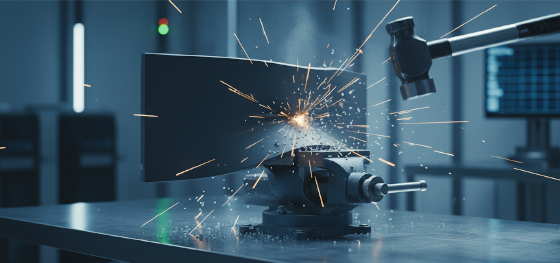
Dicyclopentadiene (DCPD) is a thermoset polymer providing industry-leading impact resistance and structural rigidity in extreme temperatures. Unlike standard ABS or Polycarbonate, which become brittle and shatter in freezing winter harvests, DCPD remains ductile and absorbs energy without cracking. This material is essentially unbreakable under standard farm conditions, making it the preferred choice for heavy-duty fenders and hoods on autonomous tillers. For Agricultural robot enclosure manufacturing, DCPD offers a durability profile that traditional materials simply cannot match.
Corrosion resistance is another silent advantage of DCPD in the field. Farm robots are frequently exposed to liquid fertilizers and acidic pesticides that eat through traditional metal panels and degrade lower-grade plastics. DCPD is chemically inert to most agricultural chemicals, ensuring that the robot's exterior remains pristine through years of chemical application cycles. At Jucheng Precision, we recommend DCPD for any component larger than 0.5 meters that expects high physical abuse or chemical exposure.
The bionic toughness of DCPD is not just about resisting failure; it is about protecting the multi-thousand-dollar sensor arrays housed within. When a robot navigates an orchard and a low-hanging branch strikes the enclosure, DCPD deforms elastically to absorb the energy and then returns to its original shape. A metal fender would dent, potentially misaligning the internal sensors, while a standard plastic hood would shatter, leaving the electronics exposed to the elements. DCPD ensures that the robot stays in the field, not in the repair shop.
Additionally, DCPD is significantly lighter than the fiberglass (FRP) alternatives often used for large structural panels. Fiberglass is notorious for cracking under vibration and being difficult to recycle. DCPD, being a molded thermoset, offers much better dimensional consistency and a cleaner manufacturing process with less waste. This makes it the sustainable, high-performance choice for OEMs looking to future-proof their fleets in the [2026] market.
VDI Textures and Scuff Resistance in the Mud
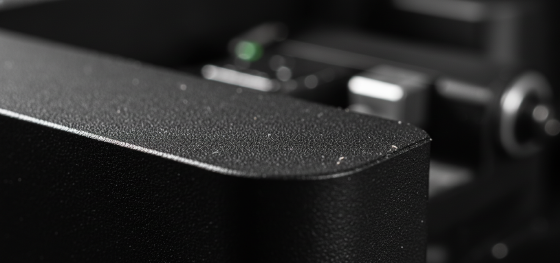
VDI 3400 standardized textures provide a rugged, matte finish that effectively hides the inevitable scratches and scuffs caused by corn stalks and gravel. A high-gloss finish on a farm robot is a design failure; it will look degraded within hours of operation. By applying a coarse VDI 27 or VDI 30 texture to the aluminum mold, JUCHENG creates a professional, industrial look that maintains its aesthetic value even after thousands of hours in the mud.
Textured surfaces also offer better grip for human operators who may need to open access panels with wet or muddy gloves. Beyond aesthetics, these textures help break up the sun's reflection, which can occasionally interfere with certain vision-based sensors if the enclosure is too reflective. Jucheng Precision consults with your designers to select the specific VDI grain that balances durability with the high-tech brand image required for modern robotic farming.
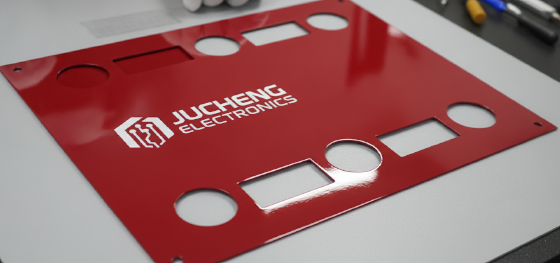
We offer integrated colorant options and secondary painting services in our dust-free facility. For robots destined for the most extreme UV environments, we apply automotive-grade 2K urethane topcoats with enhanced UV blockers. This multi-layered approach ensures the base polymer is protected from photodegradation while maintaining a vibrant brand color—whether it’s traditional "tractor green" or a modern "autonomy white." The coarse texture acts as an excellent substrate for these coatings, preventing the peeling and flaking often seen on smooth, unprimed plastic surfaces.
JUCHENG: Scaling Bridge to Production Services
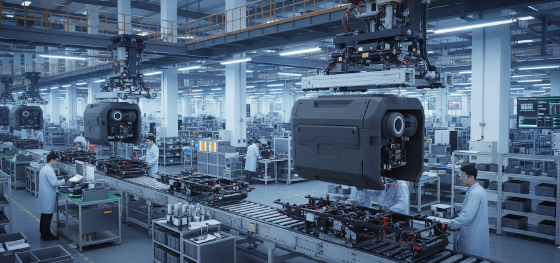
Dominating the small-to-medium volume market requires a manufacturing partner that understands the specific deadlines of the AgTech industry. Growing seasons don't wait for delayed shipments. Jucheng Precision operates with a 24/7 manufacturing mindset in our Shenzhen precision manufacturing hub, delivering massive RIM components and CNC-machined skeletons with lead times as fast as 15 business days. We provide a bridge to production that allows you to scale from a single prototype to a fleet of 500 units seamlessly.
Integrating your design with JUCHENG’s expertise ensures that your robot survives the field-test season and moves into mass adoption. We offer comprehensive DFM reviews within 24 hours, identifying potential failure points in your enclosure design before they become costly mistakes. Whether you are building an autonomous fruit harvester or a fleet of drone-docking stations, Jucheng Precision provides the unbreakable shells that keep your technology running through mud and sun.
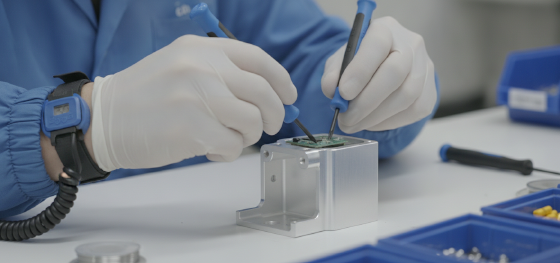
Our facility is also capable of post-processing RIM parts with our fleet of 150+ CNC machines. If your Agricultural robot enclosure manufacturing design requires ultra-tight tolerances for bearing seats or sensor mounts that molding alone cannot achieve, we can secondary-machine those features with 5-axis precision. This hybrid approach—combining the speed and scale of RIM with the precision of CNC machining—is what sets JUCHENG apart as a truly one-stop partner for the hardware challenges of the [2026] farm.
FAQ: Agricultural Robotics Hardware Manufacturing
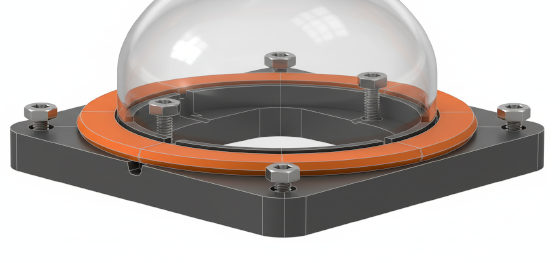
Which material is best for farm robot fenders?
DCPD via RIM molding. It is virtually unbreakable and chemically inert.
What is the maximum part size JUCHENG can mold?
We manufacture structural panels exceeding 2.5 meters in length.
How do you protect enclosures from UV rays?
We use weather-stable resins and automotive-grade UV-resistant topcoats.
Can RIM molds include metal inserts?
Yes. We integrate precision CNC-machined metal bushings directly into the mold.
What is the lead time for RIM tooling?
Aluminum RIM molds are typically completed in 2 to 4 weeks.
Building a successful robot for the farm starts with acknowledging that the environment is your primary enemy. By choosing the right materials like DCPD and the right processes like RIM, you ensure that your innovation isn't sidelined by a cracked fender. Jucheng Precision remains committed to delivering the ruggedized hardware that the future of farming demands. Contact us today to start your next project.
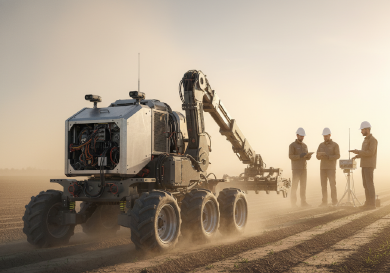




ㆍDatenschutz: Wir respektieren Ihre Privatsphäre. Hier finden Sie ein Beispiel einer Geheimhaltungsvereinbarung. Mit dem Absenden dieses Formulars stimmen Sie unseren AGB und der Datenschutzerklärung zu.
